Table of Contents >> Show >> Hide
- Are leeches good pets?
- Step 1: Check the law and choose an ethical source
- Step 2: Pick a species you can realistically care for
- Step 3: Set up a cool, escape-proof enclosure
- Step 4: Get the water right before the leech goes in
- Step 5: Add shelter, surfaces, and a low-stress environment
- Step 6: Acclimate slowly and keep handling to a minimum
- Step 7: Feed the right food, not the convenient food
- Step 8: Clean often, watch behavior, and fix problems early
- Step 9: Plan for the long haul
- What it is actually like to keep leeches as pets
- Final thoughts
- SEO Tags
Leeches do not exactly scream “cuddly companion,” and that is part of their charm. They are quiet, weirdly elegant, low-drama, and full of fascinating behavior. They stretch, loop, glide, cling, explore, and somehow manage to look like a tiny gothic scarf that came to life. If you are thinking about keeping leeches as pets, the good news is that it can be done. The less-good news is that this is not a casual “put it in a bowl and hope for the best” project.
Leeches are living aquatic animals with species-specific needs. Some are blood-feeders, some are predators that eat worms, snails, insect larvae, or other small prey, and many need cool, clean freshwater and a secure setup because they are talented escape artists. In other words, they are not decorations. They are niche pets for people who enjoy observation, patience, and a little biological mystery.
This guide walks through how to keep leeches as pets in a humane, practical way. It is written for curious beginners, cautious hobbyists, and anyone who has ever looked at a leech and thought, “You know what? I respect the commitment to being strange.”
Are leeches good pets?
They can be, for the right keeper. Leeches are best for people who enjoy natural history and quiet observation rather than cuddling, handling, or flashy interaction. They are not ideal for impulsive pet buyers, squeamish households, or anyone hoping for a beginner aquarium pet with lots of mainstream care products.
The easiest way to succeed is to think of leeches as display and study animals. Watch them move. Learn their behavior. Maintain their water carefully. Respect their feeding style. Most importantly, do not turn yourself, your children, or your other pets into the menu just because it sounds “natural.” That is a fast way to make a weird hobby medically unwise.
Step 1: Check the law and choose an ethical source
Before you buy or collect anything, make sure you are allowed to keep that species where you live. Wildlife rules can vary by state, and collection, possession, transport, importation, and release may all be regulated differently. Some areas limit what you can take from the wild, and some species tied to wildlife trade or conservation concerns may require extra caution.
That means your best move is simple: buy from a legal, reputable source that can tell you exactly what species you are getting. Avoid mystery leeches scooped from a ditch, sold as “bait,” or shipped with vague labels. A properly identified leech is easier to house, easier to feed correctly, and much less likely to create legal or ecological problems later.
Also, never release a pet leech into the wild. Even if it originally came from nature, putting captive animals back into local waters can spread microbes, confuse local populations, or introduce non-native animals into places they do not belong. A pet leech is a one-way adoption, not a boomerang.
Step 2: Pick a species you can realistically care for
This is where many new keepers make their first mistake. “Leech” is not one simple pet category. Different species live in different habitats and eat different foods. Some feed on blood. Some prefer worms or snails. Some are more aquatic. Some tolerate captivity better than others. If you choose first and research later, you may end up owning an animal whose care is far more specialized than expected.
What beginners should look for
Choose a species with clearly documented care, a legal supply route, and a diet you can provide without doing anything reckless. For many hobbyists, a non-blood-feeding or mixed-diet freshwater species is less stressful than a classic medicinal-type leech. Blood-feeding species may go long periods between meals, but that does not make them “easy.” It makes them specialized.
If a seller cannot tell you the scientific name, the habitat type, and the natural diet, keep shopping. You want facts, not a tiny unidentified noodle with a trust issue.
Step 3: Set up a cool, escape-proof enclosure
Leeches are flexible, curious, and famously good at finding gaps that seem too small to matter. Translation: if your lid says “probably fine,” your leech says “challenge accepted.”
A small aquarium, secure plastic enclosure, or wide glass jar can work, depending on species and number. What matters most is that the container is clean, not overcrowded, and tightly covered. If the enclosure needs ventilation, use very fine mesh or tiny perforations. Large holes are basically an engraved invitation.
What to include
- Clean freshwater appropriate to the species
- A secure lid
- Hiding places such as smooth stones, aquatic plants, bark substitutes safe for aquaria, or inert decor
- Low light or shaded conditions
- Plenty of floor area instead of a tall, empty setup
Many freshwater leeches naturally occur in ponds, swamps, marshes, ditches, and slow-moving water. That means they usually appreciate calm conditions and surfaces to cling to. They are not built for a roaring waterfall filter and a nightclub spotlight.
Step 4: Get the water right before the leech goes in
Water quality is the make-or-break factor in leech care. Many aquatic animals are sensitive to chlorine and chloramine, and leeches are no exception. Never fill a container with untreated municipal tap water and assume it will be fine because the fish on a screensaver looked cheerful.
Use dechlorinated water or water prepared specifically for aquatic animal care. If you use tap water, remove chlorine and chloramine properly. Letting water sit may help with chlorine in some cases, but chloramine is a different beast and often needs a proper conditioner. The goal is stable, clean water without harsh disinfectants.
Water tips that matter
- Avoid chlorine and chloramine
- Avoid sudden temperature swings
- Do not place the enclosure in direct sunlight
- Keep conditions cool and stable rather than warm and flashy
- Do not use distilled water by itself unless the husbandry method for your species specifically calls for mineral adjustment
For many temperate medicinal leeches, suppliers and hospital protocols emphasize cool storage, clean water, and protection from heat. For pet keeping, the lesson is not “copy a hospital jar exactly.” The lesson is “heat and dirty water are bad news.” Stable, species-appropriate conditions beat guesswork every time.
Step 5: Add shelter, surfaces, and a low-stress environment
Leeches are not just blobs with ambition. They interact with their environment constantly. They anchor with suckers, investigate surfaces, hide under objects, and respond to light, temperature, vibration, and water quality. A bare container may keep them alive for a while, but it does not create a very good life.
Add smooth stones, safe aquatic plants, or simple decor that creates shaded spots and resting surfaces. Keep the flow gentle. If you use filtration, keep it mild and avoid strong current that turns your leech into an unwilling gym member. Some keepers use no filtration and instead rely on careful stocking and frequent water changes. Others use very gentle sponge filtration. Either way, calm water usually wins.
Do not overcrowd. Crowding raises waste, increases stress, and makes escapes more likely during maintenance. Give each animal room to move, attach, and hide. A leech that spends all day plastered to the lid may be exploring, but it may also be telling you the housing needs work.
Step 6: Acclimate slowly and keep handling to a minimum
Once the enclosure is ready, acclimate your leech gradually. Sudden changes in water chemistry or temperature can stress aquatic invertebrates badly. Float the transport container if appropriate, or slowly introduce small amounts of enclosure water over time before transfer.
When moving a leech, be gentle. Do not yank, squeeze, or use rough dry surfaces. A soft, wet tool or careful coaxing is better than force. Leeches are tougher than they look in some ways, but their bodies are still soft and easy to injure.
And here is the part where good judgment earns a gold star: keep handling rare. These are watch-and-maintain pets, not pocket pets. Every unnecessary transfer is another chance for stress, escape, or injury.
Step 7: Feed the right food, not the convenient food
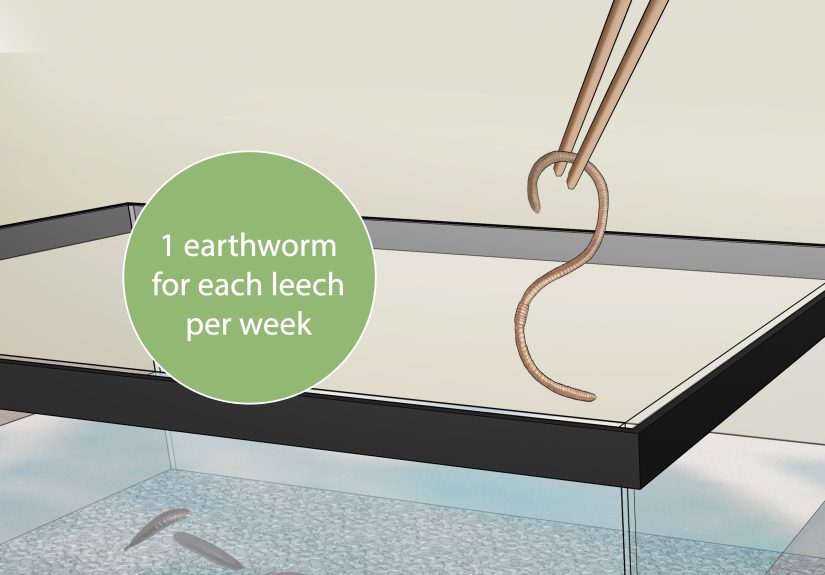
This step depends completely on species. That is why Step 2 matters so much. Some leeches feed on blood. Others eat worms, insect larvae, snails, or other small aquatic animals. A few are more opportunistic than people realize. The big takeaway is that you must match the diet to the species rather than forcing the species to match your comfort zone.
Smart feeding rules
- Confirm the natural diet before purchase
- Do not assume all leeches need blood
- Do not feed a blood-feeding species on yourself or another pet
- Remove uneaten food promptly if the species accepts prey items
- Expect feeding frequency to be different from fish or shrimp
Some blood-feeding leeches can go a surprisingly long time after a full meal. That sounds convenient, but it also tempts people into terrible decisions like DIY feeding sessions. Resist the urge. Leeches used in medicine are handled under controlled protocols because infection risk is real. A pet setup is not a substitute for medical supervision, and your arm is not aquarium equipment.
If you are new to this hobby, a species with a non-blood diet is usually the saner choice. It keeps the care interesting without introducing a side quest called “Why did I think this was a normal Saturday?”
Step 8: Clean often, watch behavior, and fix problems early
Healthy leeches are usually responsive, able to attach well, and interested in their surroundings. Trouble signs include repeated failed attachment, listlessness, unusual swelling, frequent floating without purpose, discolored or foul water, or animals trying desperately to flee the enclosure every day.
Perform regular water checks and water changes. Small containers foul faster than larger, lightly stocked ones. If the water turns cloudy, smells off, or accumulates waste, change it promptly. Remove debris, shed material, and leftover food. Cleanliness matters because leeches breathe largely through their body surface, and poor water is a direct problem, not just an aesthetic one.
Common husbandry mistakes
- Using untreated tap water
- Letting the enclosure overheat near a sunny window
- Using a lid with gaps
- Overcrowding
- Buying a species before learning what it eats
- Mixing new arrivals with established animals immediately
If something seems off, do not keep improvising. Recheck the basics: water, temperature, security, crowding, diet, and recent changes. Most husbandry disasters begin with one small shortcut that decided to become a full-time problem.
Step 9: Plan for the long haul
Keeping leeches is not expensive in the same way reef aquariums are expensive, but it still requires planning. You need backup water, safe housing, a consistent care routine, and a plan for what happens if you travel, move, or decide the hobby is no longer for you.
That long-term plan should include three firm rules:
- Do not release pet leeches into the wild.
- Do not use them for home medical treatment.
- Do not collect more than you can house well.
If you ever decide you are done keeping them, look for a legal, knowledgeable rehoming option through a specialist hobbyist, educator, or appropriate institution. “Set them free in the pond” is not kind. It is lazy ecology wrapped in good intentions.
What it is actually like to keep leeches as pets
If you have never kept leeches before, the day-to-day experience is probably not what you imagine. It is much less horror movie, much more tiny aquatic natural history documentary. Most of the time, the excitement comes from subtle behavior. One will stretch halfway across the enclosure like a living measuring tape, anchor its rear sucker, test the water with slow movements, then fold itself into a neat little loop under a stone as if it has completed a meaningful shift at the office.
The first thing most keepers notice is how expressive leeches are without having faces that do much conventional “pet” work. You learn their rhythms. Some are bold and investigate every vibration near the tank. Some hide all day and become active when the room gets quiet. Some seem obsessed with one corner, one plant, or one rock and act like they signed a lease there. Watching them move can be weirdly relaxing. It is like observing a creature that cannot decide whether it is a ribbon, a muscle, or a question mark.
The second surprise is how much care goes into something that looks so simple. A leech does not bark when the water quality slips. It does not scratch at the glass with a little sign that says, “Excuse me, this chlorine situation is unacceptable.” You have to be the observant one. Successful keepers become attentive to water prep, lid security, and subtle changes in behavior. In that sense, leeches make you a better animal keeper because they punish sloppy assumptions with unnerving efficiency.
Then there is the social part, which is comedy gold. Tell a friend you keep tropical fish and they nod politely. Tell them you keep leeches and suddenly you are the most interesting person at the table or the person nobody asks to hold the bread basket. Either way, you win. The hobby has a built-in conversation starter, though it may also reduce surprise dinner invitations by a statistically meaningful amount.
Emotionally, keeping leeches is not about affection in the usual sense. It is more about respect, curiosity, and fascination. You begin by thinking they are odd. You continue because they are elegant. You stay because you realize they are highly specialized animals doing exactly what evolution built them to do. That is compelling. They do not perform for you. They just exist with complete confidence, which is honestly a pretty admirable personality trait.
The best keepers are the ones who stop trying to make leeches into tiny, spooky fish and instead appreciate them on their own terms. Once you do that, the hobby makes sense. It becomes less about owning something unusual and more about caring well for a creature most people never bother to understand. And yes, that still makes you delightfully weird. In this case, weird is earned.
Final thoughts
Keeping leeches as pets is absolutely possible, but it is best done with preparation, restraint, and respect for the animal in front of you. Start with legality. Choose a species you can identify and feed properly. Build a cool, secure freshwater setup. Keep the water clean and chlorine-free. Treat handling as a rare event, not entertainment. And never confuse “pet leech” with “home medical device.”
If you follow those rules, leeches can make fascinating, low-noise, high-curiosity pets for the right person. They will never fetch, never purr, and never look great in a holiday sweater. But they will glide through the water like tiny biological oddities with impeccable commitment to the bit. That is worth something.