Table of Contents >> Show >> Hide
- Why the Phrase “Cure Cancer” Is Already a Red Flag
- AI Is Excellent at Patterns. Cancer Is Excellent at Breaking Patterns.
- Where AI Is Already Helping in Oncology
- Why AI Chatbots Are Not Oncologists
- The Data Problem: AI Learns From the Past, Including the Past’s Mistakes
- Why Clinical Trials Still Matter More Than Clever Algorithms
- The Human Part of Oncology Is Not a Decorative Accessory
- AI May Change Cancer Care Without “Curing Cancer”
- What Patients Should Know About AI in Cancer Care
- Experiences From the Oncology Clinic: Why Reality Is More Complicated Than the Model
- Conclusion: AI Will Help Fight Cancer, But It Won’t Cure It Alone
- SEO Tags
Artificial intelligence has entered medicine with the confidence of a guest who arrives at dinner, rearranges the furniture, and announces it has solved appetizers. In oncology, AI is everywhere: reading scans, summarizing charts, matching patients to clinical trials, predicting treatment response, and generating patient-friendly explanations. Some of it is genuinely useful. Some of it is impressively shiny. And some of it needs to sit quietly in the corner until it learns what “false reassurance” means.
As a medical oncologist, I welcome technology that helps patients live longer, suffer less, and make clearer decisions. I also know cancer too well to believe that a single toolno matter how cleverwill “cure cancer.” That phrase sounds wonderful, but it hides the central problem: cancer is not one disease. It is hundreds of diseases, thousands of molecular pathways, countless patient stories, and a moving target that adapts under pressure.
AI will help oncology. It may help us diagnose earlier, personalize treatment, reduce paperwork, find trial options faster, and discover patterns humans would miss. But curing cancer requires biology, prevention, equitable care, clinical trials, drug development, public health, and human judgment. AI can sharpen the map. It is not the mountain.
Why the Phrase “Cure Cancer” Is Already a Red Flag
When people say “AI will cure cancer,” they usually imagine cancer as one villain wearing a black cape. Unfortunately, cancer is less like one villain and more like a chaotic convention of villains, each with different disguises, escape routes, and opinions about chemotherapy.
Lung cancer is not breast cancer. Breast cancer itself is not one thing. A hormone receptor-positive breast cancer behaves differently from HER2-positive disease or triple-negative breast cancer. Colon cancers can vary by microsatellite instability, KRAS mutation status, location, immune environment, and prior treatment history. Two patients can have the same diagnosis on paper and completely different tumor behavior in real life.
That is why oncology has moved toward precision medicine: using tumor genetics, biomarkers, imaging, pathology, clinical history, and patient priorities to guide care. AI can help organize and interpret parts of that information. But it cannot erase the biological diversity that makes cancer difficult in the first place.
AI Is Excellent at Patterns. Cancer Is Excellent at Breaking Patterns.
Artificial intelligence is powerful because it can detect patterns in large datasets. In cancer care, those datasets may include pathology slides, radiology images, genomic sequences, blood tests, electronic health records, treatment histories, and survival outcomes. A well-designed AI model may notice relationships that are too subtle for the human eye or too large for one brain to process during a clinic day fueled by coffee and moral determination.
But cancer is not just a pattern-recognition problem. It is an evolutionary problem. Tumors change. Cells mutate. Resistant clones survive treatment and expand. A therapy that works beautifully for months can suddenly fail because a small population of resistant cancer cells was waiting like a tiny biological tax auditor.
This is one reason targeted therapy can be both miraculous and temporary. A drug may block a driver mutation, shrink tumors, and improve symptoms dramatically. Then, over time, the tumor develops bypass pathways or new mutations. The treatment did not “fail” because anyone was careless. It failed because cancer adapts.
Where AI Is Already Helping in Oncology
Let’s be fair: AI is not hype wearing a lab coat. It has legitimate uses, and some are already changing oncology workflows.
1. Imaging and Cancer Detection
AI tools can assist with mammograms, CT scans, MRIs, and pathology images. In breast imaging, for example, AI may flag areas that deserve closer review, help prioritize cases, or support risk prediction. That does not mean AI replaces radiologists. A radiologist does more than identify a suspicious shadow. They compare prior scans, understand clinical context, recommend follow-up imaging, communicate uncertainty, and decide when something strange is actually important.
AI can be a second set of digital eyes. It should not be the only pair of eyes in the room.
2. Clinical Trial Matching
Finding the right cancer clinical trial can be painfully difficult. Eligibility criteria are long, medical records are messy, and patients often need options quickly. AI can scan trial databases and patient records to suggest possible matches. That is valuable because clinical trials are how we prove whether new treatments actually help people.
But “possible match” is not the same as “good idea.” A trial may technically fit a mutation but be unrealistic because of travel distance, organ function, prior toxicity, insurance issues, timing, or the patient’s goals. AI can surface choices. Humans still have to judge them.
3. Predicting Treatment Response
Researchers are developing AI models to predict whether a patient may respond to immunotherapy, chemotherapy, radiation, or targeted therapy. These tools may combine routine lab values, tumor type, molecular markers, prior treatment history, and inflammation signals. This is promising, especially when current biomarkers are imperfect.
Still, prediction is not prophecy. If a model says a patient is unlikely to respond, that does not automatically mean treatment should be withheld. If it says a patient is likely to respond, that does not guarantee benefit. In oncology, probabilities must be translated into choices, and choices belong to patients.
4. Reducing Administrative Burden
One of the least glamorous but most important AI uses is paperwork relief. Oncology involves notes, prior authorizations, treatment plans, staging summaries, patient messages, survivorship documents, and insurance forms that reproduce like rabbits with Wi-Fi. AI can draft summaries, organize records, and reduce repetitive tasks.
This may not sound like curing cancer, because it is not. But if AI gives clinicians more time to talk with patients, manage side effects, and think clearly, that is meaningful progress.
Why AI Chatbots Are Not Oncologists
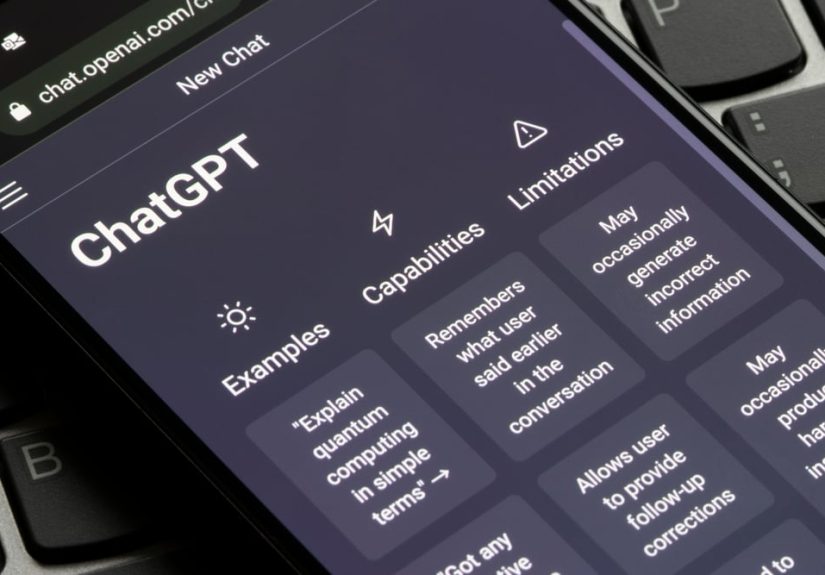
Patients understandably ask chatbots about symptoms, test results, treatment options, and side effects. Some chatbot answers are accurate. Many are clear. A few are dangerously confident while being wrong, incomplete, or too generic. That is a terrible combination in medicine: polished language plus missing context.
A chatbot may explain what colon cancer is. It may summarize common chemotherapy side effects. It may help a patient prepare questions for a visit. But it does not know the full story unless it has complete, accurate, current, clinically interpreted data. Even then, it does not examine the patient, call the radiologist, notice a subtle decline in performance status, or understand the family dynamics in the room.
In oncology, the “right answer” depends on details. Stage matters. Biomarkers matter. Kidney function matters. Prior neuropathy matters. Frailty matters. Patient preferences matter. A chatbot that misses one of those details can sound helpful while pointing someone in the wrong direction.
The Data Problem: AI Learns From the Past, Including the Past’s Mistakes
AI models are trained on data. In cancer care, data can be incomplete, biased, inconsistent, or drawn from populations that do not represent everyone. If a model is trained mostly on records from major academic centers, will it perform well in rural clinics? If certain racial or ethnic groups are underrepresented, will predictions be equally reliable? If insurance status influenced who received advanced testing, will the model mistake access for biology?
This is not a minor technical issue. It is a patient safety issue. A biased model can recommend less aggressive care, miss diagnoses, or produce inaccurate risk estimates for the very groups already harmed by health care disparities.
Good oncology AI must be validated across diverse populations and clinical settings. It must be monitored after deployment. It must be transparent enough for clinicians to understand when it should be trusted and when it should be ignored. “The computer said so” is not a medical standard. It is the beginning of a malpractice deposition.
Why Clinical Trials Still Matter More Than Clever Algorithms
In cancer medicine, treatments earn trust through evidence. A drug may look promising in a lab, shrink tumors in early trials, and still fail to improve survival or quality of life in larger studies. That is why randomized clinical trials matter. They protect patients from wishful thinking wearing a scientific blazer.
AI can help design trials, identify eligible patients, analyze data, and generate hypotheses. It may make research faster and smarter. But it cannot replace the need to test whether an intervention actually helps people live longer, feel better, or avoid harm.
Imagine an AI model predicts that a new drug combination will work in metastatic pancreatic cancer. That is exciting. It is not enough. We still need dosing studies, toxicity monitoring, trial enrollment, comparison groups, real-world follow-up, and honest reporting. Cancer patients deserve evidence, not enthusiasm alone.
The Human Part of Oncology Is Not a Decorative Accessory
Some people assume the emotional side of oncology is separate from the scientific side. It is not. Treatment decisions are deeply human because the stakes are deeply human.
Should a patient try another line of therapy with a 10% chance of response and a high risk of fatigue? Should someone choose hospice earlier to preserve comfort and time at home? Should a parent attend a child’s graduation before starting a difficult treatment? Should a frail patient undergo aggressive chemotherapy because the scan looks bad, or should we focus on symptom control?
AI can list options. It cannot sit with silence after bad news. It cannot understand the way a patient’s face changes when they hear “progression.” It cannot know that one person values maximum survival at any cost while another values staying out of the hospital. It cannot replace trust built over months of hard conversations.
AI May Change Cancer Care Without “Curing Cancer”
The more realistic future is not AI curing cancer in one dramatic moment. It is AI improving many small and medium-sized steps across the cancer journey.
AI may help detect cancers earlier. It may identify high-risk patients who need screening. It may help pathologists classify tumors faster. It may help oncologists find relevant trials. It may improve radiation planning. It may predict toxicity risk. It may reduce documentation burden. It may accelerate drug discovery by narrowing the search for promising compounds.
That kind of progress matters. Oncology has already improved through many incremental advances: better screening, safer surgery, improved radiation, targeted therapies, immunotherapy, supportive care, smoking reduction, vaccination, and survivorship programs. Cancer progress usually looks less like lightning and more like a construction crew showing up every day for decades.
What Patients Should Know About AI in Cancer Care
If you are a patient, caregiver, or simply a curious human trying not to be swallowed by medical buzzwords, here is the practical version.
First, AI can be useful, but it should not be your only medical source. Use it to prepare questions, organize information, and understand general concepts. Do not use it to decide whether to start, stop, or change treatment without your oncology team.
Second, ask whether an AI tool has been validated. Has it been tested in patients like you? Is it approved or cleared for its intended use? Is your doctor using it as decision support or as the decision-maker? Those are very different things.
Third, remember that your case is not just data. Your symptoms, values, support system, finances, transportation, side effects, and goals all matter. The best cancer care combines evidence with individuality.
Experiences From the Oncology Clinic: Why Reality Is More Complicated Than the Model
In everyday oncology practice, the gap between “algorithmically reasonable” and “clinically right” appears again and again. Consider a composite patient with metastatic lung cancer whose tumor sequencing shows a targetable mutation. On paper, the treatment choice looks straightforward: prescribe the targeted therapy. In real life, the patient may also have poor kidney function, limited transportation, difficulty swallowing pills, and a spouse who is overwhelmed by caregiving. The best plan is not simply the most molecularly elegant plan. It is the plan the patient can actually receive safely.
Another common experience involves scan interpretation. A report may describe “slight progression,” and an automated system might classify the treatment as failing. But the patient feels better, tumor markers are improving, and the radiologist notes that inflammation from immunotherapy could be contributing to the appearance. In that moment, the oncologist has to decide whether to continue therapy, repeat imaging, biopsy, or switch treatment. A model can help frame risk. It cannot replace the clinical conversation that follows.
Then there are toxicity decisions. A patient receiving immunotherapy develops diarrhea. Is it a stomach virus, medication side effect, immune-related colitis, infection, or something else entirely? The answer matters because the wrong move can be dangerous. Steroids may be lifesaving for immune colitis, but harmful if an untreated infection is the real cause. AI can remind clinicians of differential diagnoses, but it cannot examine the patient, review the timeline with nuance, or take responsibility for the decision.
I have also seen patients arrive with internet-generated certainty. They bring printouts, chatbot summaries, supplement lists, and treatment claims that sound scientific enough to make anyone nervous. Some are harmless. Some are expensive distractions. Some interfere with cancer therapy. The challenge is not to scold patients for searching. People search because they are scared, and fear is a powerful search engine. The job is to bring them back to evidence without making them feel foolish.
The most important oncology experiences are often not about choosing between Drug A and Drug B. They are about timing, trust, and priorities. One patient may want every possible treatment until there are no options left. Another may say, “I want time at home, not more time in infusion chairs.” A third may change their mind after one difficult hospitalization. These choices are not errors in the dataset. They are the point of medicine.
That is why AI will become part of oncology, but not its soul. The soul of oncology is not only knowing which mutation matches which drug. It is knowing when treatment helps, when it harms, when hope is honest, and when comfort is the most courageous plan. AI may become an extraordinary assistant. It may even become indispensable. But the patient is not a prompt, the tumor is not a spreadsheet, and care is not a download.
Conclusion: AI Will Help Fight Cancer, But It Won’t Cure It Alone
Artificial intelligence is one of the most exciting tools entering cancer care, and dismissing it would be foolish. But worshiping it would be just as foolish, only with better branding. Cancer is biologically complex, clinically unpredictable, socially unequal, and emotionally heavy. AI can help us see patterns, move faster, reduce busywork, and generate better questions. It cannot single-handedly cure a group of diseases that evolve, resist, and differ from patient to patient.
The future of oncology should not be humans versus machines. It should be humans using machines wisely. The best cancer care will combine AI’s computational strength with scientific rigor, clinical trials, ethical oversight, equitable access, and the irreplaceable judgment of clinicians and patients making decisions together.
So no, AI is not going to cure cancer. But used carefully, it may help us cure more cancers, control more cancers, prevent more cancers, and care better for the people living with them. That is not a magic headline. It is something far more useful: progress.
SEO Tags
Note: This article is written in the requested first-person educational style for web publishing. It is based on current reputable U.S. oncology and medical information and is not a substitute for personal medical advice from a licensed cancer specialist.