Table of Contents >> Show >> Hide
- What Is Babesia, Exactly?
- How Babesiosis Spreads
- Babesia Symptoms: What Babesiosis Feels Like
- Who Is Most at Risk for Severe Disease?
- How Doctors Diagnose Babesiosis
- Babesia Treatment: What Usually Works
- Recovery: What to Expect After Treatment
- How to Prevent Babesia Infection
- What Babesia Can Feel Like in Real Life
- Final Takeaway
If you have ever looked at a tick and thought, “Tiny creature, tiny problem,” Babesia would like a word. This microscopic parasite can turn a barely noticeable bite into a very real illness called babesiosis. It is not as famous as Lyme disease, but it deserves more attention than it usually gets. In the United States, babesiosis is most often linked to blacklegged ticks in the Northeast and upper Midwest, and public health tracking suggests it has become more common in several states over time.
Here is the important part: Babesia infects red blood cells. That means it is not just another vague “summer bug.” For some people, babesiosis causes mild, flu-like symptoms or no symptoms at all. For others, especially older adults, people without a spleen, and people with weakened immune systems, it can lead to severe anemia, organ complications, and hospitalization. In other words, this is not the kind of parasite you want freeloading in your bloodstream.
This guide breaks down what Babesia is, how babesiosis spreads, the most common symptoms, how doctors diagnose it, what treatment usually looks like, and the smartest ways to prevent it. To make it genuinely useful, not just medically tidy, it also includes real-world style experiences that reflect how babesiosis often shows up in everyday life.
What Is Babesia, Exactly?
Babesia is a group of microscopic parasites that infect red blood cells. The illness they cause is called babesiosis. In the U.S., the species most often involved is Babesia microti. Because the parasite lives inside red blood cells, babesiosis can cause the body to break down those cells too quickly, leading to hemolytic anemia, fatigue, shortness of breath, jaundice, dark urine, and other complications in more serious cases.
Babesiosis is often compared with malaria because both infections involve parasites inside red blood cells. The difference is that Babesia in the U.S. is usually spread by blacklegged ticks, also called deer ticks, rather than mosquitoes. The same tick can also carry other germs, including the ones that cause Lyme disease and anaplasmosis. So yes, one tick can show up like an overachiever no one asked for.
Another detail that matters: not everyone who gets infected feels sick right away, or at all. Some infections are asymptomatic. Others develop gradually, which is one reason babesiosis can be missed early, especially when symptoms sound like a generic summer virus.
How Babesiosis Spreads
The most common route is a bite from an infected Ixodes scapularis tick. These ticks are usually found in wooded, brushy, and grassy areas. Nymph-stage ticks, which are active in warmer months, are especially sneaky because they can be as small as a poppy seed. Translation: the tick may be tiny, but the consequences can be annoyingly large.
Babesiosis can also spread in less common but medically important ways:
- Through blood transfusions
- From a pregnant mother to a baby during pregnancy or around birth
- Rarely, through organ transplantation
Babesia does not spread through casual contact. You cannot catch it from hugging, sharing utensils, or being in the same room with someone who has it. This is a bloodstream parasite, not a social parasite.
Tick attachment time matters, too. Babesia transmission usually requires the tick to remain attached for more than 36 to 48 hours. That does not mean a short attachment is risk-free, but it does mean early tick checks and quick removal can significantly reduce your odds of infection.
Babesia Symptoms: What Babesiosis Feels Like
Babesiosis symptoms can range from nonexistent to severe. Some people never know they were infected. Others feel increasingly sick over days or weeks. When symptoms do occur, they often look a lot like the flu at first, which is one reason babesiosis can fly under the radar.
Common Babesia Symptoms
- Fever
- Chills
- Heavy sweating
- Fatigue
- Headache
- Muscle aches and body aches
- Loss of appetite
- Nausea
- General weakness or malaise
These symptoms may begin within about 1 to 4 weeks after a tick bite, although timing can vary, and some people do not connect the dots because they never noticed a tick in the first place. That is common. Ticks are not exactly known for leaving business cards.
Signs of More Severe Babesiosis
Because Babesia attacks red blood cells, more serious illness can cause:
- Hemolytic anemia
- Shortness of breath
- Rapid heart rate
- Jaundice or yellowing of the skin or eyes
- Dark urine
- Low blood pressure
- Confusion
- Kidney, liver, or lung complications
If someone has a recent tick exposure and develops a persistent fever, worsening weakness, trouble breathing, or signs of anemia, that is a good reason to seek urgent medical evaluation. Babesiosis can become life-threatening in high-risk patients.
Who Is Most at Risk for Severe Disease?
Anyone can get babesiosis, but not everyone faces the same level of danger. Severe illness is more likely in:
- Adults age 50 or older, especially older seniors
- People who do not have a spleen or have a poorly functioning spleen
- People with cancer
- People with HIV or other immune-suppressing conditions
- People taking immune-suppressing medications, including certain biologics and chemotherapy-related treatments
- People with significant heart, liver, or kidney disease
Immunocompromised patients may have a tougher road. Their infection can last longer, relapse after treatment, or require more aggressive therapy and closer monitoring. In these cases, babesiosis is less “annoying summer illness” and more “all hands on deck.”
How Doctors Diagnose Babesiosis
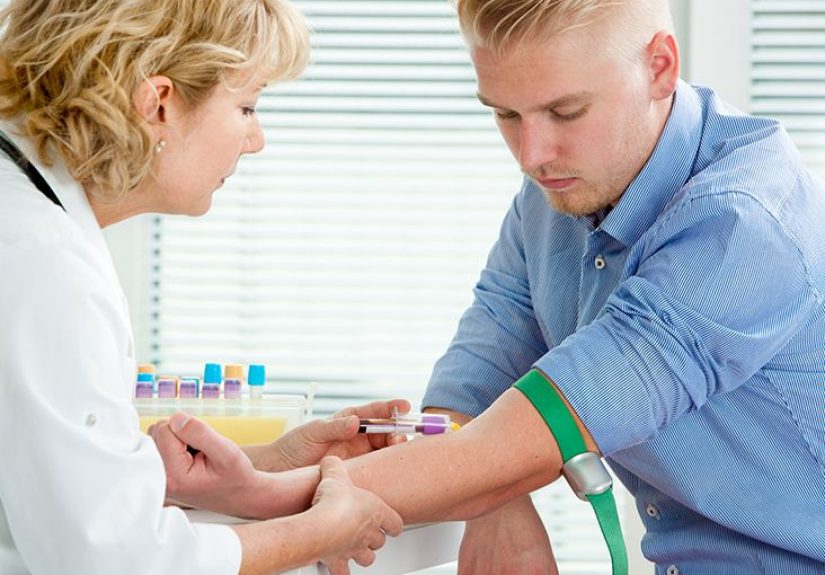
Diagnosis usually starts with a combination of symptoms, geography, tick exposure history, and lab work. If a patient has fever, fatigue, anemia, or abnormal blood counts after spending time in a tick-prone area, babesiosis may move onto the suspect list pretty quickly.
The most important tests include:
- Peripheral blood smear: a lab looks for Babesia parasites inside red blood cells
- PCR testing: helps detect Babesia DNA and can be especially useful when parasite levels are low
- Antibody testing: can support the diagnosis, but by itself it is not enough to confirm active disease
Doctors may also order a complete blood count and chemistry testing to look for anemia, low platelets, elevated bilirubin, liver abnormalities, or signs of hemolysis. If Lyme disease is also in the picture, clinicians may think about coinfection, particularly when someone has persistent fever or symptoms that do not fit Lyme disease alone.
One key nuance: a single positive antibody test does not automatically mean someone has active babesiosis right now. Antibodies can hang around after an infection is gone. That is why blood smear or PCR confirmation is so important.
Babesia Treatment: What Usually Works
Treatment depends on symptoms, severity, and immune status. Many asymptomatic patients do not need treatment. But patients who are ill, have parasites visible on testing, or have persistent infection usually do.
Standard Treatment for Symptomatic Babesiosis
The usual first-line treatment is:
- Atovaquone plus azithromycin
This combination is generally preferred because it is effective and tends to be better tolerated. For most immunocompetent adults with symptomatic babesiosis, treatment lasts about 7 to 10 days.
Alternative Treatment
- Clindamycin plus quinine
This regimen is an alternative and may be used in some situations, including pregnancy or when first-line treatment is not appropriate. It can be effective, but it is often associated with more side effects, which is one reason clinicians usually prefer atovaquone plus azithromycin when possible.
When Babesiosis Is Severe
Hospitalized patients may need intravenous medications, blood transfusions, oxygen support, or kidney support, depending on how sick they are. In selected severe cases, doctors may consider exchange transfusion, especially when there is very high parasitemia, severe hemolytic anemia, or lung, liver, or kidney compromise.
For immunocompromised patients, treatment can last much longer than 7 to 10 days. Some require at least 6 weeks of therapy and ongoing blood-smear monitoring until parasites are no longer detectable for a sustained period. Relapse can happen, so follow-up matters.
Recovery: What to Expect After Treatment
Most otherwise healthy people improve with appropriate treatment, and blood smears often turn negative during the normal treatment window. That said, fatigue can linger for a while. Feeling better is not always a dramatic movie montage where the hero sits up in bed and asks for pancakes. Sometimes recovery is slower, quieter, and more “I can finally fold laundry without needing a nap.”
Relapse is uncommon in immunocompetent patients but more of a concern in those with weakened immune systems. Persistent symptoms should never be brushed off casually, especially if lab abnormalities or positive testing continue.
How to Prevent Babesia Infection
Prevention is all about avoiding tick bites and catching ticks before they stay attached long enough to spread infection. There is currently no vaccine for babesiosis, so old-fashioned tick avoidance is still the MVP.
Smart Tick Prevention Habits
- Use an EPA-registered repellent with DEET on exposed skin, according to the label
- Wear permethrin-treated clothing when appropriate
- Stick to the center of trails and avoid brushing against leaf litter and tall grass
- Wear long sleeves, long pants, and tuck pants into socks in high-risk areas
- Choose light-colored clothing so ticks are easier to spot
- Check your body, clothing, gear, and pets after being outdoors
How to Remove a Tick Properly
If you find an attached tick:
- Use fine-tipped tweezers
- Grab the tick as close to the skin as possible
- Pull upward with steady, even pressure
- Do not twist, jerk, burn, or smother it with mystery internet substances
- Clean the area afterward
Then keep an eye on your health over the next few weeks. If fever, chills, sweats, unusual fatigue, or flu-like symptoms show up after a tick bite or outdoor exposure, tell a healthcare provider where you were and that you are concerned about a tick-borne illness.
What Babesia Can Feel Like in Real Life
The experiences below are composite, educational examples based on common clinical patterns reported in real babesiosis cases and medical guidance. They are not individual patient stories.
1) “I Thought It Was Just a Summer Virus”
A healthy adult in the Northeast spends a weekend gardening, never notices a tick, and about ten days later starts feeling wiped out. First comes fatigue, then chills, then that strange mix of sweating and shivering that makes you question both your thermostat and your life choices. They assume it is a random virus, maybe even COVID or the flu, but those tests come back negative. A few days later, the exhaustion feels heavier than a normal bug, and the fever keeps returning in waves. Babesiosis often enters the picture exactly like this: vague at first, then persistently wrong.
2) “Why Am I So Out of Breath?”
Another person, older and with a history of spleen removal, develops fever, weakness, and shortness of breath after a summer trip to a wooded area. What makes the experience frightening is not just the fever but the sudden inability to do simple things. Walking across the room feels like climbing a hill with groceries. Blood work shows anemia, and a smear confirms parasites in red blood cells. This is where Babesia stops sounding like a niche tick fact and starts feeling like a major medical event. In higher-risk patients, the disease can escalate quickly and require hospitalization.
3) “I Was Treated, but I Still Didn’t Feel Normal Right Away”
Many people expect treatment to flip a switch. In reality, recovery can be uneven. A patient starts standard medication, the fever improves, and the worst symptoms calm down, but the fatigue hangs on for a while. They may worry the medicine is not working, when in fact the infection is improving but the body is still recovering from inflammation and red blood cell loss. This experience can be frustrating because outsiders may think the person “looks fine,” while the patient still feels like their battery never charges past 40 percent.
4) “It Kept Coming Back”
In an immunocompromised patient, babesiosis can be a much longer story. Symptoms may improve, then return. Lab tests may fluctuate. A person on immune-suppressing medication can end up needing extended therapy and repeated monitoring. The emotional experience is different here: less like a brief illness, more like a drawn-out chess match. The patient may feel better one week and deeply discouraged the next. This is one reason specialists take babesiosis so seriously in people with weakened immune systems.
5) “I Never Even Saw the Tick”
One of the most common experiences is simple disbelief. Many people assume tick-borne disease must come with a memorable bite, a visible rash, or a dramatic outdoor mishap. Babesiosis does not always cooperate with that script. The tick may be tiny, the bite painless, and the symptoms delayed. Some patients are shocked to learn that the culprit was likely a nymph-sized tick they never noticed at all. That surprise is part of why prevention and awareness matter so much.
Put together, these experiences show why babesiosis is easy to underestimate. It can feel mild, confusing, severe, lingering, or surprisingly invisible. The shared lesson is that unexplained fever, chills, sweats, weakness, or anemia after potential tick exposure should not be dismissed as “just one of those things.” Sometimes one of those things has a name, and that name is Babesia.
Final Takeaway
Babesia may not have the same name recognition as Lyme disease, but babesiosis is a genuine tick-borne infection with real consequences. It can be mild, asymptomatic, and treatable, but it can also become serious in older adults, people without a spleen, and people with weakened immune systems. The best defense is preventing tick bites, checking for ticks early, and seeking care when symptoms such as fever, chills, fatigue, sweats, or shortness of breath appear after outdoor exposure.
If there is one practical lesson to keep, make it this: after time in tick country, unusual flu-like symptoms deserve more than a shrug. Babesiosis is treatable, and timely diagnosis makes a big difference. Tiny tick, big attitude, but thankfully not unbeatable.