Table of Contents >> Show >> Hide
- Costco Hearing Aids Review: Quick Verdict
- What Hearing Aid Brands Does Costco Sell?
- How Much Do Costco Hearing Aids Cost?
- What Is Included With Costco Hearing Aids?
- Costco Hearing Test: What to Expect
- Prescription Hearing Aids vs. OTC Hearing Aids at Costco
- Pros of Costco Hearing Aids
- Cons of Costco Hearing Aids
- Which Costco Hearing Aid Is Best?
- Who Should Buy Costco Hearing Aids?
- Who Might Be Better Off Elsewhere?
- Real-World Experience: What Buying Costco Hearing Aids Feels Like
- Final Verdict: Are Costco Hearing Aids Worth It?
Note: Prices, models, availability, and services can vary by state, warehouse, and date. Always confirm details with your local Costco Hearing Aid Center before buying.
If hearing aids had a reputation in the past, it was usually this: expensive, confusing, and about as exciting to shop for as replacement dishwasher hoses. Costco, however, has managed to make the process feel less like a medical scavenger hunt and more like a practical warehouse-club decision: get your hearing tested, compare recognizable brands, pay one bundled price, and come back for adjustments without feeling like every follow-up visit needs its own tiny mortgage.
This Costco hearing aids review takes a close look at what Costco offers, how much its hearing aids cost, which brands are currently available, what the customer experience is like, and who should consider buying hearing aids there. Costco is not perfect for everyone, but for many adults with mild to severe hearing loss, it is one of the strongest value plays in the prescription hearing aid market.
Costco Hearing Aids Review: Quick Verdict
Costco hearing aids are best for people who want premium prescription hearing aids at lower-than-traditional-clinic prices, along with in-person testing, professional fitting, follow-up adjustments, and a generous trial period. The biggest strengths are price transparency, strong name-brand technology, free service appointments for devices purchased at Costco, and a practical in-store experience.
The trade-off is that Costco is a retail hearing aid center, not a full medical audiology clinic. If you have sudden hearing loss, ear pain, drainage, dizziness, one-sided hearing changes, complex medical needs, or a history of ear surgery, you should see a physician or audiologist first. But if your goal is to treat common age-related or noise-related hearing loss with modern rechargeable devices, Costco deserves serious consideration.
What Hearing Aid Brands Does Costco Sell?
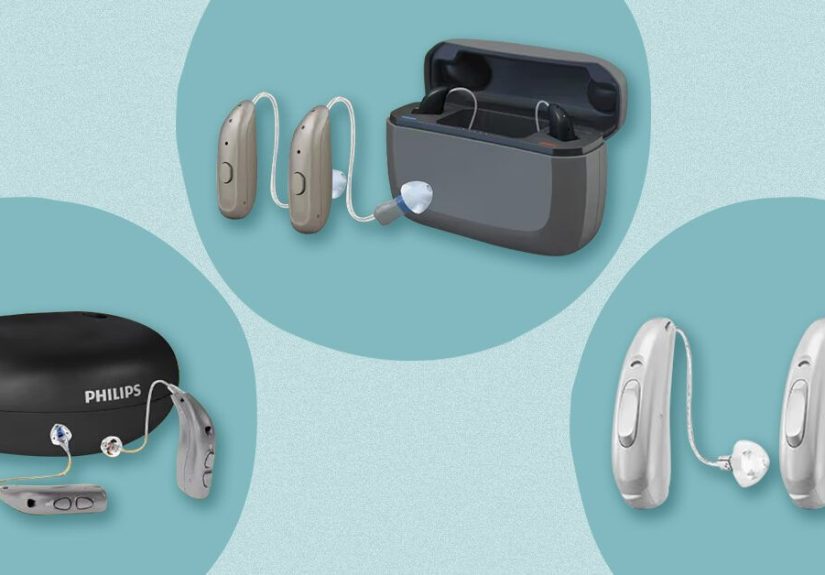
Costco currently works with major hearing aid manufacturers and sells several premium prescription hearing aid lines. The exact selection can vary, but shoppers commonly see models from Jabra, Philips, Rexton, and Sennheiser. These are not bargain-bin gadgets with a fancy label slapped on the box. They are prescription hearing aids built by companies connected to some of the largest hearing technology groups in the world.
Jabra Enhance Pro 30
The Jabra Enhance Pro 30 is one of Costco’s most advanced hearing aid options. It is a rechargeable Micro RIE hearing aid designed for people who want strong speech clarity, Bluetooth streaming, app control, and modern noise management. Jabra promotes its artificial intelligence-based sound processing as a way to help the brain focus on speech in noisy environments. In plain English: it tries to make dinner conversation less like decoding a spy transmission inside a blender.
It is often one of the more expensive Costco options, but compared with similar technology through many private clinics, the price is still highly competitive. It is a good match for users who want compact design, smartphone compatibility, and strong all-around performance.
Philips HearLink 9050
The Philips HearLink 9050 is another premium rechargeable option sold through Costco. It focuses on AI-based background noise reduction, Bluetooth LE Audio, hands-free calling with compatible devices, and support for Auracast broadcast audio. That last feature matters because Auracast could eventually make it easier to connect hearing aids to public audio systems in places like airports, theaters, museums, and lecture halls.
For users who want a balanced hearing aid with modern connectivity and a familiar consumer electronics brand name, Philips is a strong contender. It is also typically priced slightly below the highest-end Jabra option, depending on location and configuration.
Rexton Reach
The Rexton Reach line has earned a lot of attention because of its combination of battery life, speech focus technology, durability, and value. Rexton hearing aids are often praised for strong performance in everyday conversations, especially when more than one person is speaking. That matters because real life rarely gives you one perfectly lit speaker standing three feet away. Real life gives you grandchildren, clinking plates, barking dogs, and someone asking where the ketchup went.
Rexton models at Costco are especially appealing for people who want rechargeable receiver-in-canal technology, dependable Bluetooth features, and long wear time between charges. Some users also prefer Rexton’s sound because it can feel warmer or smoother than sharper-sounding devices, though this is very personal.
Sennheiser Sonite Rise
The Sennheiser Sonite Rise hearing aids bring another respected audio name into Costco’s lineup. Sennheiser hearing aids are designed for prescription fitting by Costco hearing care professionals and focus on clear speech, adaptive sound processing, rechargeable convenience, and broad Bluetooth compatibility.
For users who care about streaming, phone calls, and natural sound quality, Sennheiser is worth testing during a demonstration. The brand also has strong name recognition among people who know headphones and audio equipment, which may make first-time buyers feel a little less like they are entering a mysterious medical-device jungle.
How Much Do Costco Hearing Aids Cost?
One of the biggest reasons people search for a Costco hearing aids review is price. Prescription hearing aids from traditional clinics can commonly cost several thousand dollars per pair, depending on the technology level, service package, provider, and region. Costco’s current premium prescription hearing aid bundles generally start around the mid-$1,500 to high-$1,600 range per pair, with prices varying by state and model.
Current examples include Jabra Enhance Pro models starting around $1,699.99 per pair, Philips HearLink models starting around $1,599.99 per pair, Rexton Reach bundles starting around $1,599.99 per pair, and Sennheiser Sonite Rise models starting around $1,599.99 per pair. These bundles typically include two rechargeable hearing aids and a charger, though custom earmolds or extra accessories may cost more.
You also need a Costco membership. A Gold Star Membership currently costs $65 per year, while Executive Membership costs $130 per year. Even after adding the membership fee, Costco can still be a lower-cost route than many traditional hearing aid purchases.
What Is Included With Costco Hearing Aids?
Costco’s value is not just the sticker price. The larger appeal is the bundled service model. At Costco Hearing Aid Centers, members can receive a hearing test, product recommendations, fitting support, and follow-up appointments. The hearing aid staff are non-commissioned, which helps reduce the awkward feeling that someone is trying to upsell your ears into a luxury package.
Costco also promotes free service appointments for hearing aids purchased through its Hearing Aid Center. That matters because hearing aids often need fine-tuning. Your first fitting may sound good in the quiet room, then too sharp in the grocery store, too soft in the car, or oddly dramatic when someone opens a potato chip bag. Follow-up adjustments are not a bonus; they are part of making hearing aids actually work in daily life.
Costco Hearing Test: What to Expect
A Costco hearing test is usually done in a private sound booth and takes about an hour. Before the appointment, Costco recommends completing a patient intake form. During the test, the specialist evaluates your hearing and uses the results to discuss whether hearing aids may help.
This is not something to be embarrassed about. A hearing test is closer to an eye exam than a dramatic medical event. You listen, respond, and get results. The main difference is that instead of reading tiny letters on a wall, you are responding to tones and speech sounds. No confetti, no trapdoor, no public announcement over the warehouse intercom.
After testing, the hearing aid professional may recommend a style and model based on your hearing loss, ear anatomy, lifestyle, dexterity, phone preferences, and budget. If you spend your days in quiet rooms, your needs may be different from someone who works in noisy restaurants, attends church meetings, plays pickleball, and has a family that talks like a live sports broadcast.
Prescription Hearing Aids vs. OTC Hearing Aids at Costco
Costco is best known for prescription hearing aids fitted through its Hearing Aid Centers, but the hearing aid market has changed since the FDA created a category for over-the-counter hearing aids for adults 18 and older with perceived mild to moderate hearing loss. OTC hearing aids can be useful for some adults who want a lower-cost, self-directed option.
The main difference is service and customization. Prescription hearing aids are tested, selected, fitted, and adjusted by a professional. OTC devices are generally purchased directly and adjusted by the user, often through an app. If your hearing loss is mild and you are comfortable with technology, OTC may be worth exploring. If your hearing loss is moderate, severe, complicated, or frustrating in many environments, prescription hearing aids are usually the stronger choice.
Pros of Costco Hearing Aids
Lower Prices Than Many Traditional Clinics
The biggest advantage is price. Costco’s hearing aids are not cheap in the casual sense; spending more than $1,500 still makes most wallets sit down and breathe into a paper bag. But compared with many private clinic prices for similar premium technology, Costco can be substantially more affordable.
Professional Fitting and Follow-Up Support
Hearing aids are not like reading glasses where you grab a number from a rack and hope for the best. A proper fitting can make the difference between “I can hear my spouse again” and “Why does my refrigerator sound like a jet engine?” Costco’s follow-up model is one of its strongest benefits.
Name-Brand Technology
Costco sells devices from well-known hearing aid brands, many with rechargeable batteries, Bluetooth streaming, smartphone apps, directional microphones, noise reduction, and water or dust resistance. These are modern devices built for real-world listening.
Generous Trial Period
Costco’s trial period gives buyers time to test hearing aids in actual life, not just in a quiet fitting room. That is important because hearing aids should be judged at home, in restaurants, on phone calls, outside, in the car, and during family gatherings where three people somehow talk at once.
Cons of Costco Hearing Aids
You Need a Membership
Costco hearing aid services are tied to membership. For most buyers, the annual fee is small compared with the savings, but it is still an added requirement. If you do not live near a Costco or do not want another membership, this may be inconvenient.
Availability Can Vary by Location
Not every warehouse has the same appointment openings, staff experience, or model availability. A busy Costco Hearing Aid Center may require patience, especially for fittings and follow-up adjustments.
Not Ideal for Complex Medical Ear Problems
Costco is not a substitute for medical evaluation when symptoms suggest something more serious. Sudden hearing loss, pain, drainage, dizziness, one-sided hearing changes, or a history of complex ear disease should be evaluated by a medical professional.
Fewer Boutique Service Options
Some private audiology clinics offer deeper counseling, advanced diagnostics, tinnitus programs, cochlear implant guidance, custom musician ear protection, or more personalized long-term auditory rehabilitation. Costco focuses on accessible hearing aid testing, fitting, and service, not every specialty audiology service under the sun.
Which Costco Hearing Aid Is Best?
The best Costco hearing aid depends on your hearing loss and lifestyle. The Jabra Enhance Pro 30 is a strong choice for people who want advanced noise reduction, compact design, and cutting-edge connectivity. Philips HearLink 9050 is appealing for users who want AI noise handling and Auracast-ready features. Rexton Reach is excellent for long battery life, strong value, and multi-speaker listening. Sennheiser Sonite Rise is worth considering if you prioritize smooth sound, broad Bluetooth compatibility, and rechargeable convenience.
The smartest move is to try more than one model during your appointment if possible. Hearing aid reviews are useful, but your ears get the final vote. Two people with similar audiograms may prefer different sound profiles. One person may love crisp speech detail; another may find it too bright. One may want maximum app control; another may want the fewest buttons possible because life already has enough tiny menus.
Who Should Buy Costco Hearing Aids?
Costco hearing aids are a great fit for adults who want prescription hearing aids without paying premium private-clinic prices. They are especially practical for people who already shop at Costco, live near a warehouse with a Hearing Aid Center, want rechargeable devices, need Bluetooth streaming, and appreciate free follow-up service.
They are also good for first-time hearing aid users who want a lower-risk buying process. Because hearing aids take time to adjust to, a generous trial period and easy access to follow-up appointments can reduce buyer anxiety. That matters. Nobody wants to spend thousands of dollars and then wonder whether every spoon clink is now a permanent part of their personality.
Who Might Be Better Off Elsewhere?
You may be better off starting with an ENT physician or audiologist if your hearing loss is sudden, medically complicated, or uneven between ears. You may also prefer a private audiology clinic if you want the same doctoral-level audiologist at every visit, advanced diagnostic testing, intensive counseling, tinnitus management, or a more concierge-style experience.
Costco is built for high-value hearing aid access. It is not designed to be the most customized boutique hearing care experience in America. For many shoppers, that is a fair trade. For others, especially those with complex needs, a medical or audiology clinic may be worth the extra cost.
Real-World Experience: What Buying Costco Hearing Aids Feels Like
The typical Costco hearing aid experience starts with a very ordinary realization: you are asking people to repeat themselves more often, the TV volume has quietly crept into “small airport runway” territory, and restaurants feel like everyone is speaking through soup. So you schedule a hearing test, walk into Costco, and suddenly the same place that sells five-pound bags of almonds is also helping you reconnect with consonants. It is a very Costco sentence, but somehow it works.
At the appointment, the process is usually straightforward. You check in, review your intake information, and complete testing in a sound booth. The specialist explains your hearing results and shows where you are missing certain pitches or speech sounds. For many first-time users, this is the “aha” moment. You may realize you were not ignoring people, being difficult, or losing interest in conversations. Your ears were simply dropping parts of speech like a bad cell signal.
Trying hearing aids for the first time can feel strange. Your own voice may sound louder. Paper may crinkle with shocking confidence. Shoes on tile may suddenly have a full percussion section. This does not mean the devices are wrong; it often means your brain is receiving sound information it has not processed clearly in years. Costco’s follow-up adjustments are important here because the first setting is rarely the final setting.
A practical customer experience often includes several visits. The first fitting gets you started. The next appointment may reduce sharpness, improve speech clarity, adjust background noise settings, change domes, or fine-tune Bluetooth behavior. Users who succeed tend to wear the devices consistently, take notes about difficult situations, and return for adjustments instead of tossing the hearing aids into a drawer next to old chargers and mystery screws.
One of the best parts of Costco is that you can test hearing aids in a real retail environment almost immediately. Walk through produce. Listen near the bakery. Stand by the checkout area. If you can understand speech while carts rattle, kids negotiate for snacks, and someone debates whether they need twelve croissants, that tells you more than a silent office ever could.
The most common frustration is scheduling. Busy locations may book out, and you may not always get the same specialist. Another issue is expectation management. Hearing aids improve hearing, but they do not restore perfect natural hearing. They help your brain access sound, especially speech, but noisy restaurants may still be challenging. Directional microphones, noise reduction, and app programs help, but they are not magic wands with ear tips.
Overall, the experience is practical, value-focused, and surprisingly approachable. Costco removes some of the fear from hearing aid shopping by making the process feel familiar. You still need patience, follow-up visits, and realistic expectations, but for many people, the result is life-changing: easier conversations, lower TV volume, better phone calls, and fewer awkward smiles when you absolutely did not hear the question.
Final Verdict: Are Costco Hearing Aids Worth It?
Yes, Costco hearing aids are worth it for many adults who want high-quality prescription hearing aids at a more accessible price. The combination of recognized brands, rechargeable technology, Bluetooth features, professional fitting, follow-up service, and competitive pricing makes Costco one of the strongest hearing aid options in the United States.
The best approach is simple: schedule a hearing test, ask which models match your hearing profile, compare at least two options if possible, and use the trial period seriously. Wear the hearing aids daily, test them in real environments, keep notes, and return for adjustments. Hearing aids are not just products; they are tiny sound computers that need teamwork between the device, the fitter, and your brain.
Costco may not be the perfect choice for every hearing situation, but for value-conscious shoppers who want modern prescription hearing aids without private-clinic sticker shock, it is hard to ignore. In the world of hearing care, that is a pretty loud recommendation.