Table of Contents >> Show >> Hide
- What Are River Rock Placemats?
- Why Make River Rock Placemats Yourself?
- Materials You Will Need
- Choosing the Best River Rocks
- Best Backing Materials for River Rock Placemats
- Choosing the Right Adhesive
- What Size Should River Rock Placemats Be?
- How to Make River Rock Placemats Step by Step
- Step 1: Wash and Dry the Stones
- Step 2: Sort the Stones
- Step 3: Create a Template
- Step 4: Arrange the Stones Before Gluing
- Step 5: Take a Quick Photo
- Step 6: Glue the Stones in Sections
- Step 7: Press and Level the Surface
- Step 8: Let the Placemat Cure Completely
- Step 9: Trim the Edges
- Step 10: Add Non-Slip Pads
- Design Ideas for River Rock Placemats
- How to Use River Rock Placemats
- Cleaning and Maintenance Tips
- Common Mistakes to Avoid
- Safety Notes for Food Areas
- How Much Does It Cost to Make River Rock Placemats?
- Real-Life Experience: What I Learned Making River Rock Placemats
- Conclusion
River rock placemats are what happens when your dining table decides it wants a spa day. Smooth stones, natural texture, earthy colors, and a little DIY patience can turn a plain table setting into something that feels rustic, coastal, modern, and pleasantly “I made this myself, please admire it twice.”
The best part? You do not need a professional craft studio, a woodworking degree, or a mysterious tool that only appears in home renovation shows. With flat river rocks, a sturdy backing, the right adhesive, and a simple layout plan, you can create handmade stone placemats that look boutique-worthy without the boutique price tag.
This guide walks you through how to make river rock placemats from start to finish, including material choices, sizing, layout tips, safety notes, cleaning advice, and design ideas. Whether you want a set for everyday meals, outdoor dining, a farmhouse table, a beach house vibe, or a thoughtful handmade gift, this project is practical, beautiful, and surprisingly relaxing.
What Are River Rock Placemats?
River rock placemats are decorative tabletop mats made by attaching small, smooth stones to a flexible or semi-rigid backing. The result is a natural stone surface that can sit under plates, bowls, serving dishes, candles, vases, or centerpieces.
Unlike fabric placemats, river rock placemats add texture and dimension. They work especially well with rustic, coastal, bohemian, farmhouse, organic modern, spa-inspired, and outdoor table settings. They also bring a calm, natural look to the table without requiring you to buy a suspiciously expensive “artisan stone dining accessory” that costs more than the dinner.
That said, river rock placemats are not exactly the same as heat-rated trivets. Some adhesives soften with high heat, and some backing materials are not designed for hot cookware. For regular plates and warm serving bowls, they are excellent. For a sizzling cast-iron skillet straight from the oven, use a dedicated heat-safe trivet unless your materials are specifically rated for that use.
Why Make River Rock Placemats Yourself?
Making your own river rock placemats gives you full control over the size, shape, color, and texture. Store-bought stone mats can be attractive, but DIY versions allow you to match your table, dinnerware, and home decor exactly.
Benefits of DIY River Rock Placemats
- Custom size: Make them rectangular, round, oval, square, or free-form.
- Natural style: River stones add organic texture and earthy charm.
- Budget-friendly: Craft stones, felt, cork, and adhesive are affordable and easy to find.
- Beginner-friendly: No sewing, drilling, or power tools required.
- Gift-worthy: A handmade set makes a beautiful housewarming or holiday gift.
- Durable decor: Stones do not fade like printed fabric and can last for years with proper care.
Materials You Will Need
Before you start gluing rocks to anything within arm’s reach, gather your materials. This keeps the project smooth and prevents the classic DIY moment where one hand is sticky, the stones are rolling away, and the scissors have entered another dimension.
Basic Supply List
- Flat, smooth river rocks or beach pebbles
- Felt, cork sheet, thin rubber mat, or shelf liner for backing
- Strong adhesive suitable for stone and backing material
- Scissors or utility knife
- Pencil or fabric marker
- Ruler or measuring tape
- Cardboard template
- Disposable gloves
- Drop cloth, wax paper, or parchment paper
- Small brush for cleaning stones
- Optional clear sealant
- Optional non-slip pads for the underside
Choosing the Best River Rocks
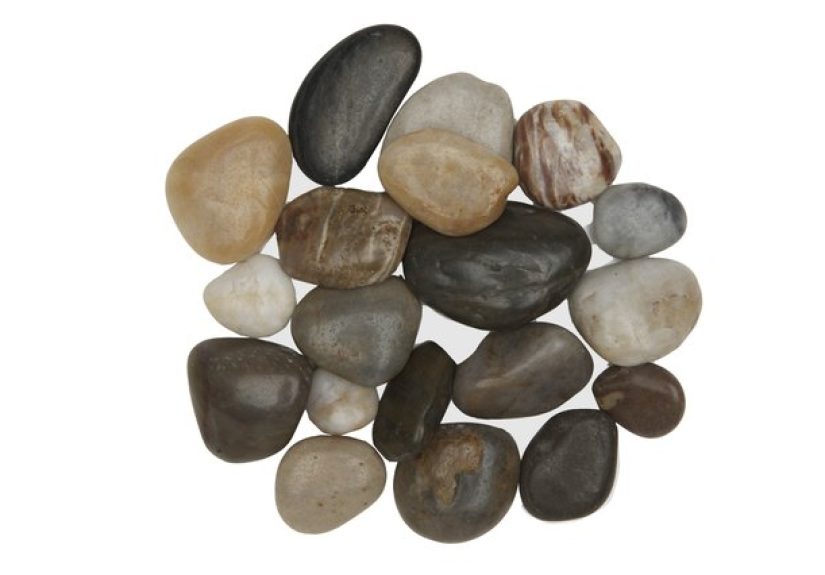
The stones are the star of the show, so choose them carefully. For placemats, flatter stones are better than round, chunky stones. A placemat should support a plate evenly, not create a tiny mountain range under your salad bowl.
Look for These Stone Qualities
- Flat shape: Stones should sit securely on the backing and create a stable surface.
- Smooth edges: Avoid sharp or jagged rocks that could scratch plates or hands.
- Similar thickness: Uniform height keeps dishes from wobbling.
- Small to medium size: Stones around 0.5 to 1.5 inches are usually easier to arrange.
- Natural texture: Slightly matte stones often grip better than highly polished stones.
You can buy river rocks from craft stores, garden centers, home improvement stores, or online retailers. Purchased craft stones are usually cleaned, sorted, and convenient. If you collect stones yourself, check local rules first. Many parks, protected beaches, and public lands limit or prohibit removing rocks, shells, plants, or other natural materials. When in doubt, buy stones instead. Nature gets to keep its decor, and your conscience gets to relax.
Best Backing Materials for River Rock Placemats
The backing is what holds the placemat together and protects the table. It should be flexible enough to handle slight movement but strong enough to support the weight of the stones.
Felt Backing
Felt is easy to cut, gentle on tables, inexpensive, and widely used in DIY rock trivets and coasters. Thick craft felt works better than thin felt because it provides more structure. Felt is best for decorative placemats used under plates, centerpieces, or cool serving dishes.
Cork Backing
Cork is another excellent option because it is firmer than felt and naturally table-friendly. Cork sheets are easy to cut and offer a clean underside. Choose a medium-thick cork sheet so the placemat does not curl under the weight of the stones.
Rubber or Shelf Liner Backing
Rubber backing is useful if you want a more flexible, non-slip mat. It is commonly used in pebble bath mat projects because it grips well and can handle moisture better than felt. For placemats, choose a thin rubber sheet or non-slip liner without large holes unless you want a very open, mosaic-style design.
Choosing the Right Adhesive
Adhesive choice matters. River rocks are heavy for their size, and weak glue will eventually fail. Hot glue may work for light decorative placemats, small coasters, or quick projects, but stronger adhesives usually provide better long-term hold.
Good Adhesive Options
- Industrial craft adhesive: Strong, flexible, and suitable for mixed materials such as stone, felt, cork, and rubber.
- Two-part epoxy: Very strong and useful when bonding stone to rigid or semi-rigid backing.
- Clear silicone adhesive: Flexible and helpful if the placemat may be used in damp environments or outdoors.
- High-temperature hot glue: Fast and easy, but better for decorative use than heavy-duty or heat-exposed use.
Always read the product label before using any adhesive. Work in a well-ventilated area, protect your work surface, and allow the glue to cure fully. Many strong adhesives need 24 to 72 hours to reach maximum strength. This is not the moment to test your placemat five minutes after gluing it together. The glue is still emotionally unavailable.
What Size Should River Rock Placemats Be?
A standard rectangular placemat is often around 12 by 18 inches, which gives enough room for a dinner plate and some visual breathing space. However, river rock placemats can become heavy, so you may prefer a slightly smaller size.
Recommended DIY Sizes
- Small accent mat: 8 by 10 inches
- Plate placemat: 10 by 14 inches
- Standard placemat: 12 by 18 inches
- Round placemat: 12 to 14 inches in diameter
- Centerpiece mat: 8 to 12 inches wide, any length you prefer
If you are making a full set of dining placemats, create one sample first. Test the weight, plate stability, and table fit before making six of them. A set of river rock placemats can get heavy quickly, and your dining table should look stylish, not like it is preparing for geological warfare.
How to Make River Rock Placemats Step by Step
Now for the fun part: building your placemat. Set aside a clean workspace and give yourself enough time to arrange the stones without rushing. This is a puzzle, a craft project, and a tiny patience exam all in one.
Step 1: Wash and Dry the Stones
Even packaged stones may have dust or residue. Wash the river rocks in warm water with mild dish soap. Use a small brush to remove dirt from crevices. Rinse well and let them dry completely.
This step is important because adhesive bonds best to clean, dry surfaces. Moisture and dust can weaken the bond, and nobody wants a placemat that sheds pebbles during dinner like a nervous gravel driveway.
Step 2: Sort the Stones
Sort your stones by size, thickness, shape, and color. Put the flattest stones in one pile, smaller filler stones in another, and thicker or uneven stones aside.
For the most stable placemat, use stones of similar height. Save extra-thick stones for decorative edges, coasters, garden markers, or a future project that has not yet introduced itself.
Step 3: Create a Template
Cut a piece of cardboard to your desired placemat size. A 10-by-14-inch rectangle is a practical beginner size because it is roomy enough for a plate but not too heavy.
Use the template to trace the shape onto your backing material. Cut the backing carefully with scissors or a utility knife. If you are making multiple placemats, use the same template for each one so the set looks consistent.
Step 4: Arrange the Stones Before Gluing
Place the backing on your protected work surface. Arrange stones across the backing without glue first. Start with the outer edge, then fill in the middle. This method helps create a clean border and reduces awkward gaps.
Fit the stones close together like a mosaic. Avoid stacking stones or leaving large spaces. Small gaps are fine and add to the natural look, but large gaps can expose the backing and make the surface less stable.
Step 5: Take a Quick Photo
Once you like the layout, take a photo with your phone. This simple trick saves the design if you bump the table, sneeze dramatically, or discover that your cat has strong opinions about pebble placement.
Step 6: Glue the Stones in Sections
Lift a few stones at a time, apply adhesive to the underside, and press each stone firmly onto the backing. Work in small sections so the layout stays organized.
Use enough adhesive to create a strong bond, but not so much that glue oozes between every stone. If excess glue appears, wipe it carefully according to the adhesive instructions before it cures.
Step 7: Press and Level the Surface
As you work, gently press stones into place. Check the top surface with your hand to make sure no stone sticks up too far. A slightly uneven handmade look is charming; a plate that tilts like a carnival ride is less charming.
If one stone is too tall, remove it and replace it with a flatter one. This is easier before the adhesive sets.
Step 8: Let the Placemat Cure Completely
Allow the placemat to cure on a flat surface according to the adhesive label. Depending on the product, this may take a full day or longer. Do not bend, lift, wash, or use the mat before the glue reaches proper strength.
For best results, leave the placemat undisturbed for 24 to 72 hours. It is not the most exciting part of the project, but it is the part that keeps your stones from making a dramatic escape later.
Step 9: Trim the Edges
After the adhesive cures, flip the placemat over and trim any visible backing from around the edges. Work slowly so you do not cut too close to the stones.
If using felt, trimming creates a cleaner, more natural stone edge. If using cork or rubber, you may prefer to leave a tiny border for structure.
Step 10: Add Non-Slip Pads
Optional but helpful: add small felt or rubber pads to the underside. This protects the table and prevents sliding. Even if the backing itself is soft, extra pads can make the placemat feel more finished and stable.
Design Ideas for River Rock Placemats
River rock placemats can look minimalist, rustic, beachy, elegant, or playful depending on your stone choice and layout.
Natural Mixed Pebble Look
Use stones in different shades of gray, tan, cream, charcoal, and brown. This creates a relaxed, organic look that pairs beautifully with linen napkins, ceramic plates, wood tables, and greenery.
Modern Monochrome Look
Choose black, white, or gray stones for a sleek modern design. Black stones look dramatic with white plates. White stones feel bright and coastal. Gray stones are calm and versatile.
Bordered Design
Use larger stones around the edge and smaller stones in the center. This creates a framed look and makes the placemat feel intentional rather than random.
Ombre Stone Pattern
Arrange stones from light to dark across the placemat. This subtle gradient looks artistic without being too busy.
Round Spa-Inspired Design
Cut a round cork or felt base and arrange stones in circular rings. This style works well under bowls, candles, small plants, or table centerpieces.
How to Use River Rock Placemats
River rock placemats are best used as decorative and protective tabletop accents. They are ideal under dinner plates, soup bowls, bread baskets, vases, candleholders, and cool or warm serving dishes.
For hot cookware, be careful. Some adhesives and backings are not designed for high heat. If you want a heat-resistant river rock trivet, choose materials specifically rated for heat and test carefully. For daily dining, river rock placemats are more about texture, presentation, and table protection than extreme heat performance.
Cleaning and Maintenance Tips
River rock placemats are easy to care for if you clean them gently. Because they have many small spaces between stones, avoid soaking them unless your adhesive and backing are waterproof.
How to Clean Them
- Wipe with a damp cloth after meals.
- Use a soft brush to remove crumbs from gaps.
- Clean sticky spots with mild soap and water on a cloth.
- Dry immediately with a towel.
- Avoid the dishwasher, soaking, or harsh chemical cleaners.
If you use the placemats outdoors, bring them inside after meals. Sun, rain, humidity, and temperature swings can shorten the life of the adhesive and backing.
Common Mistakes to Avoid
DIY river rock placemats are simple, but a few mistakes can make the finished project less durable or less useful.
Using Stones That Are Too Round
Round stones may look pretty, but they create an uneven surface. Choose flatter stones so plates and bowls sit securely.
Skipping the Dry Layout
Do not glue as you go without planning. A dry layout helps you avoid large gaps, awkward edges, and design regret.
Using Weak Glue
School glue and basic craft glue are not strong enough for heavy stones. Use an adhesive that bonds stone to your chosen backing material.
Rushing the Cure Time
Let the glue cure fully. A placemat may feel dry on the surface before the adhesive has reached full strength.
Making the Mat Too Large
A full-size stone placemat can become heavy. Start with a smaller version and scale up only if the weight feels manageable.
Safety Notes for Food Areas
River rock placemats do not usually touch food directly, but they sit close to plates and utensils. Keep them clean, dry, and sealed if needed. Avoid using crumbly stones, flaking coatings, or unknown materials that may shed dust onto the table.
If you apply a clear sealant, make sure it is fully cured before placing the mat near dishes. Do not use strong-smelling adhesives or sealants indoors without ventilation. Also, keep small loose stones away from young children and pets.
How Much Does It Cost to Make River Rock Placemats?
The cost depends on the size of the placemats and the stones you choose. A small set can be very affordable if you use craft store river rocks, felt or cork sheets, and one tube of adhesive.
For one medium placemat, expect to use roughly one to two pounds of stones, depending on thickness and spacing. A set of four will require more stones and more adhesive, so buying in bulk may save money.
Real-Life Experience: What I Learned Making River Rock Placemats
The first thing you learn when making river rock placemats is that stones have personalities. Some are cooperative little pancakes that sit exactly where you place them. Others are lumpy divas that look perfect from above but wobble the second a plate gets involved. Sorting the stones before gluing is not optional; it is the difference between a polished handmade placemat and a tabletop obstacle course.
One of the best experiences with this project is the slow, almost meditative process of arranging the rocks. At first, you may try to create perfect rows. Then you realize river rocks do not care about your grid system. They prefer puzzle logic. A narrow stone fits beside a round one, a pale gray pebble balances a dark charcoal piece, and suddenly the design begins to look natural instead of forced. That is when the project becomes fun.
Another helpful lesson is to make one test placemat before committing to a full set. A single sample tells you everything: whether the stones are too thick, whether the backing feels sturdy, whether the adhesive holds well, and whether the finished mat is too heavy for everyday use. It also helps you decide if you want a tight mosaic look or a looser organic pattern. The test piece may become your favorite, even if it started as the “practice pancake.”
Weight is worth considering. A river rock placemat feels substantial, which is part of its charm, but a large 12-by-18-inch version can become surprisingly heavy. For daily dining, a slightly smaller size often works better. A 10-by-14-inch mat gives enough space for a plate while staying easier to move, clean, and store. For a centerpiece, a long narrow runner-style stone mat can look gorgeous without requiring you to lift a small landslide every time you clear the table.
Glue technique also makes a big difference. Applying adhesive to each stone individually gives better control than spreading glue over the whole backing at once. It takes longer, but the stones stay cleaner and the bond is more precise. Press each stone gently and check the surface often. If one pebble sits too high, replace it immediately. Once strong adhesive cures, that stone is basically signing a long-term lease.
Color selection can completely change the mood. Mixed tan and gray stones feel casual and earthy. Black stones look modern and dramatic. Cream and white stones create a coastal look that pairs beautifully with blue napkins, glassware, and light wood. For a farmhouse table, mixed natural stones with linen napkins and simple white plates create a warm, relaxed setting that looks styled but not fussy.
Cleaning is easiest when the stones are placed close together without deep gaps. Wide spaces catch crumbs, and crumbs are very committed tenants. A soft brush is useful after meals, especially if bread, rice, herbs, or flaky pastry has been involved. A damp cloth handles most spills, but soaking the mat is not a good idea unless every material you used is waterproof.
The biggest practical insight is that river rock placemats are best treated as decorative dining mats, not heavy-duty kitchen tools. They are wonderful under plates, bowls, candles, small planters, and serving boards. For very hot cookware, use a heat-rated trivet. This keeps the placemats beautiful and prevents adhesive problems.
Overall, making river rock placemats is a satisfying project because the finished piece looks more complicated than it is. Guests notice them. Plates look prettier on them. Even a simple dinner feels a little more intentional. And yes, there is a special joy in saying, “I made those,” while pretending it was no big deal.
Conclusion
River rock placemats are a creative way to bring natural texture, handmade character, and a calm organic style to your table. With the right stones, a sturdy backing, strong adhesive, and a little patience, you can create placemats that look elegant, earthy, and completely custom.
The key is to choose flat stones, arrange them before gluing, allow proper cure time, and use the finished mats thoughtfully. They are ideal for plates, bowls, candles, centerpieces, and decorative table settings. They also make memorable handmade gifts because each one is unique. No two stones are exactly alike, which means no two placemats are exactly alike either.
Whether your style leans farmhouse, coastal, rustic, spa-inspired, or modern organic, river rock placemats offer a beautiful blend of function and personality. Plus, they let you bring a little bit of nature indoors without tracking mud through the kitchen. That alone deserves applause.
Note: River rock placemats are best used as decorative table mats for plates, bowls, centerpieces, and warm serving pieces. For very hot pans or cookware, use a dedicated heat-safe trivet made with heat-rated materials.