Table of Contents >> Show >> Hide
- Why This Tiny Car Window Moment Feels So Awesome
- The Nostalgia Factor: Why It Feels Like Childhood
- The Wind Makes the World Feel Real Again
- Safety First: When the Awesome Thing Needs Boundaries
- Why Open Windows Still Beat Perfect Climate Control Sometimes
- The Perfect Conditions for Hanging Your Hand Out the Window
- How This Moment Fits the “1000 Awesome Things” Philosophy
- Specific Examples of the Hand-in-the-Wind Experience
- Extra Experience Section: The Little Flight Outside the Passenger Window
- Conclusion
There are grand pleasures in life, and then there are the tiny, ridiculous, surprisingly powerful ones: peeling a sticker in one perfect piece, hearing your favorite song start at exactly the right moment, or hanging your hand out the window of a car and suddenly becoming a one-person airplane wing. That last one is the magic behind #912 Hanging your hand out the window of a car – 1000 Awesome Things, a simple joy that feels like childhood, summer, science class, and a mini roller coaster all at once.
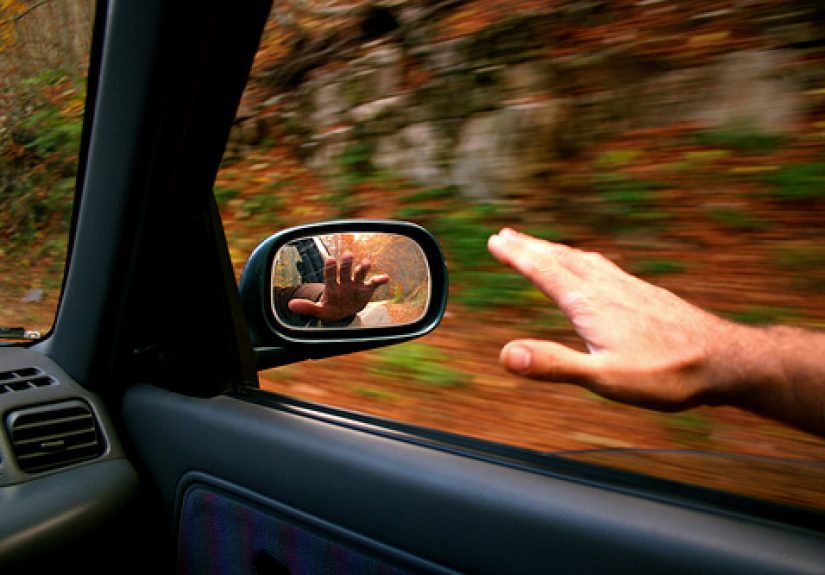
It is not complicated. The window is down. The car is moving. Warm air rushes in. Your fingers slip into the wind, and your palm starts rising and dipping like it has discovered a secret talent. Tilt your hand up and it lifts. Tilt it down and it dives. Flatten it and the wind presses against it like an invisible wall. Congratulations: you are now doing budget aerodynamics with zero tuition and maximum grin.
Of course, this joy comes with a grown-up footnote: passengers can enjoy the breeze carefully, but drivers should keep both hands on the wheel and remain fully in control. Safety first, fun second, dramatic hand-waves third. Still, when the moment is right, hanging your hand out a car window captures exactly what the “1000 Awesome Things” spirit celebrates: small, ordinary moments that feel weirdly cinematic.
Why This Tiny Car Window Moment Feels So Awesome
Part of the charm is that it turns a regular drive into an event. You may be heading to the grocery store, crawling through a suburban road, or riding shotgun on a family road trip, but the instant your hand meets the moving air, the scene changes. Suddenly, the world has texture. The wind has weight. The road has rhythm. Even a boring errand gets upgraded to “coming-of-age movie montage,” minus the licensing fee for the emotional indie soundtrack.
The appeal is also physical. We spend so much of modern life indoors, touching screens, steering wheels, desks, and door handles. Then the car window goes down, and the outside world taps you directly on the knuckles. You feel temperature, speed, pressure, sunlight, dust, humidity, and maybe a suspicious smell from the fast-food bag in the back seat. It is sensory overload in the best possible way.
A Simple Joy With a Built-In Science Lesson
The “hand out the window” feeling is a miniature lesson in aerodynamics. When a vehicle moves, air flows past it. When your hand sticks into that flow, your palm changes how the air moves around it. Tilt your hand slightly upward, and the air pushes it up. Tilt it downward, and the hand drops. Hold it flat against the wind, and you feel drag pulling it backward.
This is closely related to the basic forces that help explain airplane wings: lift and drag. Your hand is not a perfect wing, obviously. It is attached to a human who may also be holding a gas station slushie. But the principle is easy to feel. A small change in angle creates a big change in force. The faster the car moves, the stronger the effect becomes. That is why the same hand motion feels gentle on a quiet neighborhood street and wildly powerful on a highway.
That little rise-and-fall motion is what makes the experience addictive. You are not just feeling wind. You are controlling it. With a tiny tilt of the wrist, you create a swoop, a dive, a climb, a stall, and a comeback. It is like flying, except your aircraft is five fingers and a questionable sense of confidence.
The Nostalgia Factor: Why It Feels Like Childhood
For many people, hanging a hand out the window of a car is tied to memory. It brings back summer vacations, long drives to grandparents’ houses, beach trips, after-school rides, or sitting in the back seat while adults discussed directions with the emotional intensity of a courtroom drama. Before phones filled every quiet moment, car windows were entertainment. The wind was the app. The subscription was free.
That is why this tiny habit can feel bigger than it is. It is not only about air pressure. It is about the feeling of being between places. Not home, not there yet, just moving. The road has always been a powerful American symbol because it suggests possibility: diners, motels, highways, roadside signs, desert views, small towns, and the promise that the next exit might have better snacks.
Think of classic American road-trip culture, from Route 66 to family station wagons to modern weekend getaways. The open window belongs to that tradition. It is not the most efficient way to travel, and it is certainly not the quietest, but it feels alive. A sealed car can feel like a bubble. A cracked window lets the world back in.
The Wind Makes the World Feel Real Again
There is something deeply satisfying about feeling wind on your skin while riding in a car. Moving air cools the body by carrying heat away from exposed skin, which is why a breeze can feel refreshing even when the actual temperature has not changed much. In a car, that breeze becomes a personal weather system. Your fingers become the forecast. Today: gusty with a chance of giggling.
The sound matters too. Windows down means the cabin fills with rushing air, muffled tire hum, passing trucks, birds near stoplights, and the occasional dramatic flap of a loose receipt. It is messy, but it is real. It replaces the polished silence of climate control with something wilder and more memorable.
Smell plays a role as well. Fresh-cut grass, rain on pavement, salty beach air, pine trees, barbecue smoke, or even hot asphalt can trigger vivid memories. A car ride with the window open becomes a moving collection of scents, each one tied to a place. You may not remember the exact mile marker, but you remember the smell of summer fields blowing through the window.
Safety First: When the Awesome Thing Needs Boundaries
Now for the responsible paragraph, wearing sensible shoes and holding a clipboard. Hanging your hand out of a car window should be done carefully, if at all, and it is best left to passengers. Drivers need both hands available for steering, especially in traffic, bad weather, construction zones, or any situation that requires quick reaction. Modern driving guidance commonly emphasizes firm control, proper steering position, and keeping attention on the road.
Passengers should also be smart. Do not stretch far outside the vehicle. Do not do it near parked cars, traffic signs, trees, poles, cyclists, or narrow roads. Keep your arm relaxed and close. Avoid doing it at high speeds, in heavy traffic, or anywhere the environment is unpredictable. The awesome part is the breeze, not a dramatic encounter with a mailbox.
Parents can turn this into a good teaching moment. Kids are naturally fascinated by the wind, and that curiosity can lead to a simple explanation: “The air is pushing on your hand because the car is moving through it.” Then comes the safety lesson: “Keep most of your arm inside.” Boom. Physics and parenting in one sentence.
Why Open Windows Still Beat Perfect Climate Control Sometimes
Modern cars are extremely comfortable. Air conditioning, heated seats, filtered cabin air, quiet glass, and smart vents have made driving smoother than ever. But comfort is not always the same as joy. Sometimes the best car setting is not “Auto Climate 72°F.” Sometimes it is “roll the window down and let chaos enter politely.”
Open windows do increase aerodynamic drag, especially at highway speeds, which can affect energy use. That is the practical side. But at low speeds on a pleasant day, cracking the window can make a drive feel instantly fresher. It wakes up the cabin. It keeps passengers from becoming sleepy little dashboard plants. It gives the trip texture.
The trick is balance. On a slow scenic road, windows down can be perfect. On a hot freeway drive, air conditioning may be more comfortable and efficient. On a cool evening, one cracked window might be enough. The joy is not about proving a point. It is about choosing the moment when the outside air makes the ride better.
The Perfect Conditions for Hanging Your Hand Out the Window
Warm Weather, Soft Light, and a Good Road
The classic version happens on a warm day, preferably late afternoon, when the sun is golden and everyone in the car has accepted that their hair is now a community project. The road should be open enough that the breeze feels smooth, not terrifying. A quiet country road, a coastal drive, or a slow neighborhood cruise after dinner all work beautifully.
The Right Soundtrack
Music makes the moment better. A nostalgic song can transform a simple hand-in-the-wind motion into emotional cinema. The best soundtrack is usually something everyone knows, or something nobody knows but pretends to understand because the vibe is excellent. Bonus points if the song ends exactly when the car reaches the destination.
A Passenger Seat State of Mind
This is important: the best hand-out-window experience belongs to the passenger. The passenger has the freedom to look at clouds, test wind angles, laugh at their own hand turbulence, and do absolutely nothing useful. That is the point. The driver gets the noble responsibility of keeping everyone alive and choosing whether the next stop includes fries.
How This Moment Fits the “1000 Awesome Things” Philosophy
The beauty of #912 Hanging your hand out the window of a car – 1000 Awesome Things is that it does not require wealth, planning, or a perfect life. It is a small pleasure hiding inside an ordinary day. That is exactly why it works as an “awesome thing.” It reminds us that joy does not always arrive wearing a tuxedo and carrying fireworks. Sometimes it arrives as moving air against your palm.
Small joys matter because they interrupt autopilot. They make us notice what is already happening. A car ride can become “just transportation,” or it can become a brief sensory adventure. The difference is attention. When you pay attention to the wind, the sunlight, the road noise, and the strange little lift under your palm, the moment becomes memorable.
That is also why the idea has such broad appeal. Almost everyone understands it immediately. You do not need to explain the luxury of it. You say, “You know when you put your hand out the car window?” and people nod. They know. They have flown the hand-plane. They have performed the wrist tilt. They have felt the invisible wave.
Specific Examples of the Hand-in-the-Wind Experience
There is the beach-trip version: sandy feet, towels in the trunk, sunscreen in the air, and your hand floating through warm coastal wind while someone complains that the chips are “for later.”
There is the childhood back-seat version: your parents in front, your sibling taking up too much space, and your hand making little waves while the grown-ups argue about whether the exit was “back there.” It was absolutely back there.
There is the evening-drive version: the sky turning pink, the air cooling down, and your fingers slicing through the breeze after a long day. Nothing dramatic happens, but somehow you feel lighter.
There is also the post-rain version: the road smells clean, trees drip quietly, and the air feels soft and cool. You put your hand out for two seconds and immediately understand why poets keep getting distracted by weather.
Extra Experience Section: The Little Flight Outside the Passenger Window
The best time I remember hanging my hand out of a car window was not during some grand vacation or dramatic cross-country adventure. It was an ordinary ride, the kind nobody plans to remember. The car was moving along a quiet road after a hot day, and the air had finally cooled enough to feel friendly instead of sticky. Someone rolled the window down, and the whole cabin changed. The stale car smell disappeared. The outside rushed in. Suddenly the ride had edges.
I was sitting in the passenger seat, doing nothing important, which is sometimes the exact condition required for happiness to sneak in. I let my hand drift near the window first, feeling the air tug at my fingertips. Then I moved it out just a little. The wind caught my palm immediately. It pushed back with more force than expected, as if the invisible world had been waiting to shake hands.
I tilted my wrist upward and my hand lifted. I tilted it downward and it dropped. I flattened it and felt the resistance press hard against my fingers. In less than a minute, I had become deeply committed to this extremely low-stakes experiment. Up, down, up, down. A tiny aircraft. A five-finger kite. A passenger-seat pilot with no destination except “make hand swoop again.”
What made it memorable was how quickly the feeling changed my mood. Before that, the ride was just a ride. Afterward, it felt like a scene. The road seemed smoother. The light looked warmer. Even the sound of the tires became part of the rhythm. It reminded me that joy often does not need an announcement. It does not always arrive as a vacation, a promotion, a party, or a perfectly staged photo. Sometimes it is just wind meeting skin at the right angle.
There is also a funny humility in the experience. Adults spend so much time trying to be efficient, impressive, organized, and “on top of things.” Then a car window opens, and suddenly we are entertained by air. Not expensive air. Not artisanal air. Just regular outside air doing regular physics. It is hard to take yourself too seriously when your main activity is pretending your hand is a dolphin.
That is the real gift of this awesome thing. It returns you, briefly, to a simpler way of paying attention. You notice speed without looking at the speedometer. You notice temperature without checking an app. You notice the road not as a route but as a feeling. And if a song is playing, especially an old one, the moment becomes even stronger. Music, wind, motion, and memory mix together until the present feels connected to every good ride you have ever taken.
Of course, the moment ends. The car slows. The window goes up. Someone needs directions, gas, coffee, or a bathroom. Normal life resumes its normal volume. But for a few minutes, your hand has flown. Your mood has lifted. The world has reminded you that it is still full of small, free, slightly silly pleasures. And that is exactly why hanging your hand out the window of a car deserves its place among the truly awesome things.
Conclusion
#912 Hanging your hand out the window of a car – 1000 Awesome Things is a celebration of a small, universal joy: the moment when moving air turns your hand into a playful wing and an ordinary ride into a tiny adventure. It blends science, nostalgia, road-trip culture, sensory memory, and pure silliness. It reminds us that not every meaningful experience needs to be expensive, planned, filtered, or posted. Some of the best ones happen when the window is down, the road is open, and your palm catches the wind just right.
So, enjoy it safely. Let passengers have their breezy little flight. Keep drivers focused and hands on the wheel. Choose the right road, the right speed, the right weather, and maybe the right song. Then let the wind do what it does best: turn a normal day into something awesome.
Note: This article is fully rewritten in original American English for web publishing and contains no citation placeholders or unnecessary source-code elements.