Table of Contents >> Show >> Hide
- Why Wood Shims Make Such Great DIY Wall Art
- What You Need to Make Wood Shim DIY Wall Art
- Best Design Ideas for Wood Shim Wall Art
- How to Make Wood Shim DIY Wall Art Step by Step
- Common Mistakes to Avoid
- Best Finishes and Color Palettes for Wood Shim Wall Art
- Where to Display Wood Shim DIY Wall Art
- Real-World DIY Experiences With Wood Shim DIY Wall Art
- Conclusion
Some DIY projects whisper, “I am tasteful.” Others kick down the door and yell, “Look what I made from the hardware aisle for less than the cost of takeout.” Wood shim DIY wall art proudly belongs in the second group. It is affordable, beginner-friendly, full of texture, and weirdly satisfying to build. Better yet, it turns one of the most ordinary materials in home improvement into something that looks custom, layered, and intentionally designer-ish.
If you have never paid attention to wood shims before, they are those slim, tapered wedges usually tossed into carts for leveling doors, cabinets, windows, and all the crooked little dramas that happen in real houses. But that same tapered shape is exactly what makes them so good for wall art. Arrange enough of them together and you get movement, shadow, dimension, and a pattern that looks far more expensive than it has any right to.
This guide covers what wood shim wall art is, why it works, how to build it, which finishes look best, what mistakes to avoid, and how to make the final piece look polished instead of “craft night got out of hand.” Whether you want a rustic statement piece, a modern geometric panel, or a sunburst-style design with serious personality, wood shims are ready for duty.
Why Wood Shims Make Such Great DIY Wall Art
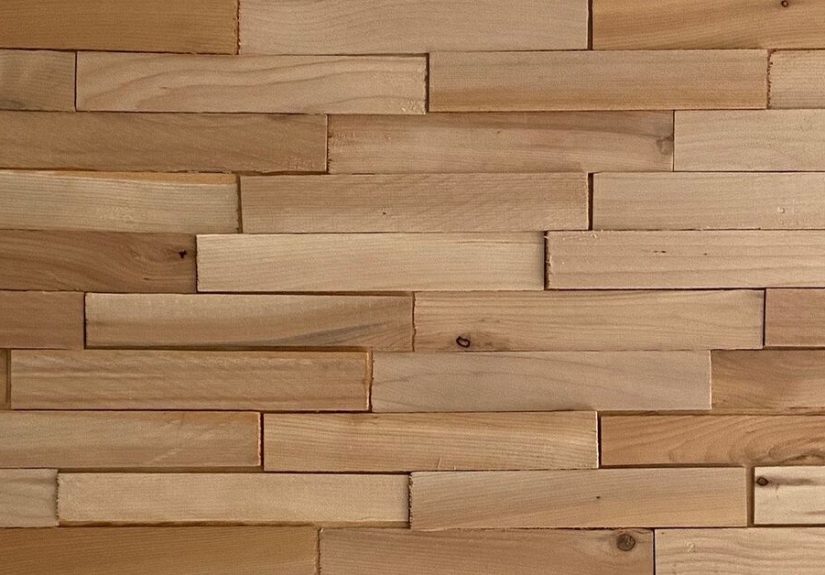
The magic starts with shape. A wood shim is narrow at one end and wider at the other, which means every piece already has built-in direction and rhythm. That taper helps create visual movement even when the design itself is simple. Lay them in rows and you get a clean geometric effect. Fan them out and suddenly your wall has drama. Overlap them and the shadows do half the decorating for you.
They are also incredibly approachable for beginners. You do not need a full woodworking shop, a giant budget, or the ability to speak fluently in table-saw terms. In many cases, a backer board, wood glue, sandpaper, stain or paint, and a little patience are enough to make something impressive. That is the sweet spot of a good DIY: low intimidation, high reward, minimal chance of crying in the garage.
Another reason wood shim wall art works so well is texture. Flat canvas art has its place, but shim art catches light differently throughout the day. Morning sun makes it look crisp. Evening lamp light brings out the layers. It is basically décor with mood swings, but in a charming way.
What You Need to Make Wood Shim DIY Wall Art
Core Materials
- Bundles of wood shims
- Plywood, MDF, or another sturdy backer board
- Wood glue
- Sandpaper in medium and fine grits
- Paint, stain, or both
- Primer if you plan to paint
- Clear topcoat for durability
- Sawtooth hanger, D-rings, or picture hanging strips
Helpful Extras
- Painter’s tape for mapping geometric layouts
- Ruler, straightedge, and pencil
- Utility knife or fine saw for trimming
- Clamps or heavy books for light pressure while glue sets
- Drop cloth and tack cloth
- Dust mask and eye protection
When shopping, think of wood shims as the potato chips of the lumber section: one bundle rarely feels like enough once you start laying out a design. Buy extra. You will use some for testing stain colors, trimming edges, and fixing the inevitable “that gap looked smaller five minutes ago” problem.
Best Design Ideas for Wood Shim Wall Art
1. Sunburst Wall Art
This is the classic crowd-pleaser. Start from a center point and fan the shims outward like rays. You can create a full round burst, a half-sun shape, or a star-inspired layout. It looks great in entryways, above consoles, or anywhere a blank wall needs a little swagger.
2. Geometric Panel Art
If your taste leans modern, use wood shims to create triangles, diagonal stripes, chevrons, or a mosaic-style pattern. Because the pieces already taper, even simple repeated shapes feel dynamic. This style pairs beautifully with black, white, warm oak, walnut, and muted earth tones.
3. Ombre Stained Art
Use three to five stain shades from light to dark and arrange the shims so the colors shift gradually across the panel. The taper of the pieces makes the gradient look layered and custom rather than flat. It is subtle, sophisticated, and suspiciously good-looking for something born in Aisle 12.
4. Rustic Farmhouse Texture Art
Love natural wood, whitewashed finishes, and that “I own throw pillows seasonally” energy? Keep the design simple and let the texture do the work. A rectangular panel filled with angled shims in mixed stain tones can look warm, casual, and intentionally imperfect.
5. Minimalist Monochrome Wall Art
Paint the whole piece one color after assembly for a sculptural effect. Matte white, charcoal, soft beige, or deep green can make the pattern stand out through shape and shadow alone. This works especially well in modern bedrooms and home offices.
How to Make Wood Shim DIY Wall Art Step by Step
Step 1: Choose Your Size and Pattern
Before opening the glue, decide what you are actually making. A small 16-by-20-inch piece is great for a first project. Larger panels create more drama, but they also require more planning, more shims, and more opportunities to discover that symmetry is a demanding little tyrant.
Sketch your pattern on paper first. If you are making geometric art, lightly mark guide lines on the backer board. Painter’s tape can help you visualize diagonals and clean sections before you commit.
Step 2: Prep the Backer Board
Cut your plywood or MDF to size, then sand the surface lightly. Wipe away dust. If the board edges will be visible, consider painting or staining them first so the finished piece looks intentional from every angle. Tiny details are often what separate “weekend project” from “wow, where did you buy that?”
Step 3: Dry-Fit the Shims
This step matters more than people think. Lay out the whole design before gluing anything. Sort the shims by length, width, color tone, or taper if needed. Some will be straighter; some will have a little personality. Use the better-looking pieces in the most visible spots.
Dry-fitting helps you balance spacing, direction, and overall flow. It also prevents that tragic DIY moment where you realize your design worked beautifully in theory but somehow drifted into chaos by row four.
Step 4: Glue in Sections
Apply wood glue to the back of each shim and press it into place. Work in manageable sections instead of trying to cover the entire board in one go. That keeps the adhesive from drying before the pieces are aligned. If your design is tightly packed, wipe off excess glue as you go so it does not interfere with stain or paint later.
For flat designs, a little pressure helps. Lay parchment paper over the section and place books or a flat weighted item on top while the glue grabs. Do not overdo it; this is wall art, not structural engineering.
Step 5: Trim and Refine
Once the glue has cured, trim any edges that overhang the panel. Sand rough corners, splinters, and uneven transitions. This is the step where the project stops looking like a pile of wood stuck to a board and starts looking like art. Glorious, glorious art.
Step 6: Finish the Surface
If you are staining the piece, test your colors on spare shims first. Because wood can absorb stain unevenly, especially softer pieces, it is smart to sample before committing. For painted designs, prime first for better adhesion and more even coverage. Use a brush for detail and a small foam roller for flatter areas if needed.
Once color is dry, add a clear coat if you want extra protection. A good finish helps the piece resist dust, scratches, and the mysterious scuffing that seems to happen whenever something nice finally gets hung on the wall.
Step 7: Add Hanging Hardware
For lightweight pieces, picture hanging strips can work well if you follow the product instructions carefully. For larger or heavier panels, use D-rings or a sawtooth hanger secured to the backer board. Always match your hanging method to the weight and placement of the piece. If it is hanging above a bed, sofa, or anywhere people sit, be extra cautious. Decorative confidence is great; surprise wall avalanches are not.
Common Mistakes to Avoid
Skipping the Dry Layout
Yes, it feels like an extra step. Yes, it saves you from an ugly surprise later. Dry-fitting is where design problems reveal themselves politely, before glue makes everything permanent.
Using Too Much Glue
More glue does not mean more strength. It usually means squeeze-out, mess, and finish problems. A thin, even layer is enough.
Ignoring Wood Tone Variation
Natural shims do not all look the same. Some are lighter, some warmer, some more textured. Use that variation on purpose. It can add depth rather than looking accidental.
Staining Without Testing
Wood likes to surprise people. Sometimes that surprise is lovely. Sometimes it looks like orange syrup met a fence post. Test first.
Forgetting Safety During Sanding
Wood dust is not just a nuisance. Sand in a well-ventilated area, wear eye protection, and use a dust mask or respirator when appropriate.
Best Finishes and Color Palettes for Wood Shim Wall Art
Natural wood tones are always a strong choice because they highlight the texture that makes shim art special in the first place. Walnut, provincial brown, honey oak, and weathered gray are all solid stain directions. If your room already has lots of warm wood, try a cooler stain or a painted design to keep the piece from blending into the furniture like a shy cousin at a family reunion.
Paint opens up another lane entirely. Crisp white creates a sculptural look. Matte black feels bold and modern. Muted greens, clay, greige, and dusty blue work beautifully for softer interiors. You can also combine natural wood with painted sections for a mixed-media effect that feels custom and current.
If you want sharp geometric paint lines, painter’s tape is your best friend. Press the edges down well, keep the sections organized, and remove the tape carefully for clean lines. It is one of those rare DIY habits that makes you feel wildly competent.
Where to Display Wood Shim DIY Wall Art
One of the best things about this project is its flexibility. A small piece can warm up a bookshelf wall or reading nook. A medium panel works above a dresser or console table. A large statement version can anchor a dining room, bedroom, hallway, or home office.
Wood shim wall art also plays nicely with a range of styles. In rustic spaces, it adds warmth and texture. In modern spaces, it adds dimension and pattern. In eclectic rooms, it looks intentional next to woven décor, metal accents, framed prints, or vintage finds. Basically, it is the social butterfly of wall décor.
Real-World DIY Experiences With Wood Shim DIY Wall Art
One of the most relatable things about making wood shim wall art is how it changes your opinion of the material in real time. At first, a bundle of shims does not look like art. It looks like a pile of tiny wedges waiting to help a door behave. Then you spread them out on a table, start rotating them, grouping them, overlapping them, and suddenly your brain switches modes. You stop seeing construction scraps and start seeing pattern, repetition, texture, and possibility.
That shift is part of what makes the project so satisfying. Many first-time makers discover that the design stage becomes unexpectedly calming. You adjust a row, step back, rotate a few pieces, and realize the visual rhythm keeps getting better. It is a little like building a puzzle, except you are allowed to boss the pieces around until they become stylish.
Another common experience is learning that no two shims are exactly alike. Some are straighter, some are slightly rougher, and some have better grain than others. Instead of treating that as a problem, experienced DIYers tend to use it as an advantage. The prettier grain goes front and center. The slightly imperfect pieces get trimmed, painted, or tucked into less obvious areas. That small act of sorting gives the finished piece a much more deliberate look.
Finishing is where the project usually becomes emotional in the best way. Before stain or paint, the piece can feel like an unfinished experiment. After finish, the depth suddenly appears. The grain wakes up. The angles pop. The shadows get richer. Even a single-color paint treatment can transform the panel from “interesting craft” into “legitimate wall décor.” It is the home-improvement equivalent of putting on real shoes and discovering the whole outfit works.
People also tend to remember the patience lessons. Wood shim art rewards slow decisions. If you rush the layout, the pattern can drift. If you rush the glue, the lines can get sloppy. If you rush the finish, blotches and drips may show up like uninvited guests. But if you let each stage breathe a little, the project becomes far more enjoyable. It feels less like a task list and more like making something with personality.
There is also a very practical satisfaction in using a humble, inexpensive material in a creative way. That experience matters. It reminds you that good design does not always begin in a boutique or a fancy showroom. Sometimes it begins in the lumber aisle, next to a cart wheel that squeaks louder than your ambition. That kind of project builds confidence. After making one wood shim panel, many DIYers start looking at other basic materials differently. Paint sticks become décor possibilities. Trim scraps become shelves. Leftover boards become signs. A small success tends to open a much bigger creative door.
And perhaps the most enjoyable experience of all comes after the piece is hung. People notice it. They ask where it came from. They lean in because the texture catches light in a way flat prints do not. Then comes the deeply satisfying moment when you get to say, “I made it.” That sentence never gets old. Especially when the project started with something most people associate with leveling cabinets.
Conclusion
Wood shim DIY wall art proves that a smart project does not need expensive materials to look custom. With a tapered bundle of wood, a solid layout, careful finishing, and a little creative nerve, you can build wall décor that feels textured, personal, and unexpectedly polished. It is affordable enough for beginners, flexible enough for different design styles, and satisfying enough to make you immediately consider a second version for another room.
So if you are staring at a blank wall and waiting for inspiration to arrive in a fancy frame, consider taking the hardware-store route instead. Wood shims may be humble, but in the right arrangement, they absolutely know how to put on a show.
Note: This body-only HTML is cleaned for web publishing and excludes citation artifacts, placeholder references, and unnecessary markup.