Table of Contents >> Show >> Hide
- Why Christmas Cookies and Wine Work So Well Together
- The Golden Rules of Christmas Cookie Wine Pairings
- Best Wine Pairings for Classic Christmas Cookies
- Sugar Cookies with Ice Wine or Moscato d’Asti
- Shortbread with Moscato d’Asti, Champagne Demi-Sec, or Cream Sherry
- Gingerbread with Marsala, Moscatel, or Off-Dry Riesling
- Linzer Cookies and Thumbprints with Sparkling Rosé
- Chocolate Chip Cookies with Cabernet Sauvignon, Banyuls, or Lambrusco
- Chocolate Crinkles, Fudge Cookies, and Brownie-Like Cookies with Port
- Peanut Butter Blossoms with Merlot or Tawny Port
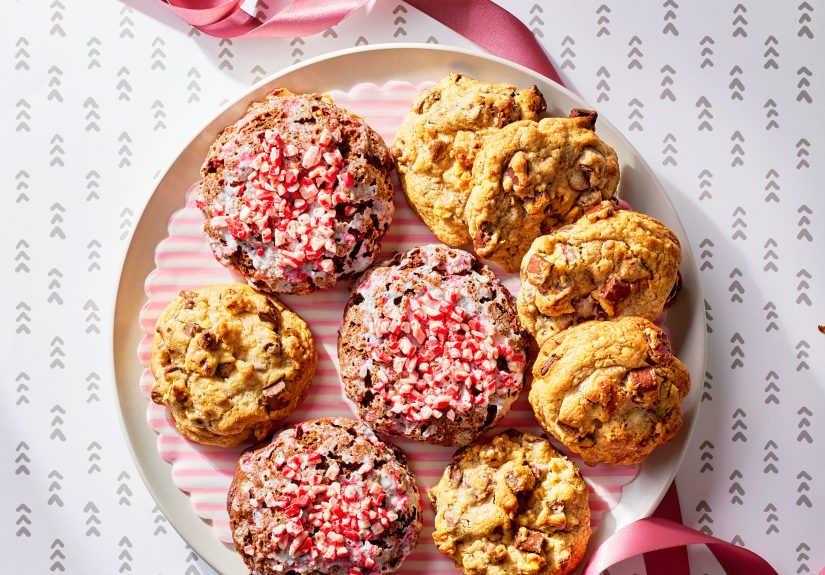
- Peppermint Cookies or Peppermint Bark with Shiraz, Ruby Port, or Sparkling Red
- Coconut Macaroons with Sauternes
- Biscotti with Vin Santo, Marsala, or Madeira
- How to Build a Christmas Cookie and Wine Board
- Mistakes to Avoid
- A Simple Pairing Cheat Sheet
- Conclusion
- Holiday Experience: What Christmas Cookie Wine Pairings Feel Like in Real Life
Christmas cookies already know how to work a room. They show up sparkling with sugar, dressed in chocolate, perfumed with cinnamon, and somehow manage to make every kitchen smell like a holiday movie set. Add the right wine, and suddenly that cookie platter goes from charming to downright sophisticated. Not stuffy-sophisticated, either. More like “Wow, who knew shortbread could have this much main-character energy?”
The secret to great Christmas cookie wine pairings is not choosing the fanciest bottle or the trendiest label. It is understanding how sweetness, spice, butter, fruit, and chocolate play with acidity, bubbles, body, and tannin. Once you get that part right, the pairings become much easier. In fact, they become fun. Very fun. Holiday-party-host-with-a-secret-weapon fun.
This guide breaks down the best wines for classic Christmas cookies, explains why certain pairings work so well, and helps you build a cookie-and-wine spread that feels festive, delicious, and just a little bit smug in the best way. For adult holiday gatherings, of course.
Why Christmas Cookies and Wine Work So Well Together
At first glance, cookies and wine can seem like an odd couple. Cookies are sweet, rich, buttery, and often spiced. Wine can be crisp, dry, fruity, floral, or tannic. Put the wrong two together and the wine tastes harsh, the cookie tastes flatter, and the whole thing feels like a bad holiday blind date.
Put the right two together, though, and magic happens. A lightly sweet sparkling wine can brighten a buttery cookie. A luscious dessert wine can echo caramel, vanilla, and baked fruit notes. A fortified wine can stand up to chocolate without getting steamrolled. Even a chilled red with juicy fruit can make a jam-filled cookie feel extra festive.
The goal is balance. Christmas cookies tend to be sweeter than many table wines, which is why bone-dry bottles can taste sharper or thinner next to dessert. The best pairings usually rely on one of two moves: either mirror the cookie’s flavors or contrast the cookie’s richness with freshness and lift. That is the entire holiday playbook right there.
The Golden Rules of Christmas Cookie Wine Pairings
1. The wine should be at least as sweet as the cookie
This is the big one. When the wine is less sweet than the dessert, it can taste sour, bitter, or oddly severe. That is why dessert wines, semi-sparkling wines, and off-dry whites often work better with cookies than many dry reds or austere whites.
2. Acidity is your best friend
Rich cookies loaded with butter, frosting, chocolate, or nuts need a wine with enough acidity to keep everything lively. Acidity acts like a reset button between bites, which is exactly what you want when the cookie tray is making the rounds and nobody is pretending to stop at one.
3. Bubbles make almost everything more festive
Sparkling wines bring texture, lift, and palate-cleansing fizz. They are especially good with buttery cookies, fruit-filled cookies, and treats that might otherwise feel a little heavy after the third or fourth sample. Holiday hosting tip: bubbles also make guests think you have your life together.
4. Match intensity with intensity
A delicate sugar cookie can be flattened by a massive, oak-heavy red. A dark chocolate crinkle, on the other hand, may laugh in the face of a fragile white. Light cookies do best with lighter-bodied wines; deep, spicy, or chocolatey cookies need a bottle with more richness or sweetness.
5. Spice loves aroma
Gingerbread, molasses cookies, and spice cookies pair beautifully with wines that bring floral, honeyed, nutty, or oxidative notes. This is where styles like Marsala, Moscatel, late-harvest Riesling, and certain Madeiras really shine.
Best Wine Pairings for Classic Christmas Cookies
Sugar Cookies with Ice Wine or Moscato d’Asti
Sugar cookies seem simple, but that simplicity is exactly why they are tricky. Their buttery vanilla sweetness can make dry wine taste flat-out grumpy. A sweet but bright wine works better. Ice wine is a gorgeous option because it brings concentrated sweetness, honeyed fruit, and enough acidity to keep the pairing from feeling cloying.
If you want something lighter and less intense, go with Moscato d’Asti. Its gentle sparkle, low alcohol, and peachy-floral fruit make decorated sugar cookies feel playful rather than overly rich. This is an ideal pairing for cookie swaps, dessert buffets, or any gathering where guests want something festive that does not hit like a velvet hammer.
Shortbread with Moscato d’Asti, Champagne Demi-Sec, or Cream Sherry
Shortbread is all about butter. It is crumbly, rich, and simple in a way that begs for either bubbles or nutty sweetness. Moscato d’Asti is a classic match because its fruit and fizz lighten the butter. A demi-sec sparkling wine works for the same reason, especially if the shortbread has citrus zest, vanilla glaze, or holiday sprinkles.
Want something a little more grown-up? Try cream sherry. Its caramel, roasted nut, and dried fruit notes feel tailor-made for buttery cookies. Shortbread with a mature sweet sherry tastes like Christmas decided to wear a velvet blazer.
Gingerbread with Marsala, Moscatel, or Off-Dry Riesling
Gingerbread is a holiday icon for a reason. Molasses, ginger, cinnamon, and cloves create a cookie with warmth, depth, and plenty of personality. It needs a wine that can talk back. Marsala is a terrific choice because it brings nutty, caramelized depth that echoes the cookie’s browned-sugar character.
Moscatel also works beautifully, especially with softer gingerbread cookies or bars. It has aromatic sweetness and a sunny fruit profile that brightens spice. For a fresher take, pour an off-dry Riesling. Its acidity slices through the sweetness while its citrus and stone-fruit notes keep the spices from feeling too heavy.
Linzer Cookies and Thumbprints with Sparkling Rosé
Jam-filled cookies practically beg for a wine with red fruit. That is why sparkling rosé is such a smart move. Raspberry, strawberry, and cherry notes in the wine connect naturally with jam fillings, while the bubbles keep buttery cookie dough from feeling too dense.
Linzer cookies, in particular, are wonderfully balanced with rosé because they combine fruit, nuts, powdered sugar, and tender pastry. Thumbprints work too, especially raspberry or strawberry versions. This pairing looks as good as it tastes, which matters during the holidays when dessert is basically also décor.
Chocolate Chip Cookies with Cabernet Sauvignon, Banyuls, or Lambrusco
Chocolate chip cookies are casual, beloved, and slightly sneaky when it comes to wine. A full-bodied red can work if the cookie leans dark and chewy rather than sugary and pale. A fruit-forward Cabernet Sauvignon brings dark berry notes that play nicely with chocolate, especially when the cookie includes toasted nuts.
For a more seamless dessert pairing, reach for Banyuls, a French fortified wine with chocolate-friendly richness and balancing acidity. If you want something fizzy and fun, a lightly sweet Lambrusco can be excellent. Its dark fruit and chillable freshness make chocolate chip cookies feel more holiday-party and less lunchbox nostalgia, though the nostalgia is still welcome.
Chocolate Crinkles, Fudge Cookies, and Brownie-Like Cookies with Port
This is where Port earns its holiday paycheck. Deep chocolate cookies need a wine with enough sweetness and weight to stand up to cocoa without turning bitter. Ruby Port is bold, fruity, and rich enough for crinkles, sandwich cookies with ganache, and dense fudgy cookies.
Tawny Port works well too if the cookies bring caramel, nuts, or toffee into the mix. Think pecan-studded chocolate cookies or anything with browned butter. The pairing feels plush, cozy, and a little luxurious, which is exactly what the holidays should taste like after dinner.
Peanut Butter Blossoms with Merlot or Tawny Port
Peanut butter cookies have savory richness along with sweetness, which makes them more flexible than people expect. A soft, fruit-driven Merlot can work nicely, especially when the cookie includes a chocolate kiss. The plum and cocoa-adjacent notes in the wine echo the cookie’s comfort-food vibe.
If you want a safer dessert-style option, tawny Port is excellent. Its nutty depth makes peanut butter taste even toastier, and its sweetness keeps the pairing smooth rather than jarring.
Peppermint Cookies or Peppermint Bark with Shiraz, Ruby Port, or Sparkling Red
Peppermint can be tricky because mint tends to dominate. Add chocolate and you have a bold, cool, sweet, high-energy situation. One answer is to go equally bold with a ripe Shiraz or a fruit-packed Ruby Port. Both have enough body and dark fruit to handle chocolate and enough personality to keep mint from taking over the room.
If you want something more playful, try a lightly sweet sparkling red. The fizz and fruit can make peppermint bark or chocolate-mint cookies feel fresher and less heavy.
Coconut Macaroons with Sauternes
This pairing feels fancy, but it is surprisingly easy to love. Coconut macaroons are sweet, chewy, and often lightly toasted. Sauternes brings honey, tropical fruit, and luxurious texture that fits beautifully with coconut’s natural richness. If the macaroons are dipped in chocolate, the pairing still works, though a richer fortified wine may be even better.
Biscotti with Vin Santo, Marsala, or Madeira
Biscotti and sweet fortified or oxidative wines are old friends. Vin Santo is the classic move, especially with almond biscotti. Its nutty sweetness and dried-fruit notes feel almost tailor-made for crunchy Italian cookies. Marsala also works well, particularly with spice biscotti, while Madeira is a great option for biscotti featuring caramel, orange, or darker spice notes.
How to Build a Christmas Cookie and Wine Board
If you are serving a crowd, do not try to match every single cookie with a different bottle unless your goal is to turn dessert into a part-time job. Instead, build around three wine styles that cover the field:
- One sparkling wine: ideally demi-sec or sparkling rosé
- One aromatic sweet white: Moscato d’Asti, off-dry Riesling, or ice wine
- One rich dessert or fortified wine: Port, Marsala, Banyuls, or Madeira
That trio handles most cookie platters with ease. The sparkling bottle covers jammy and buttery cookies, the sweet white works with sugar cookies and spice cookies, and the fortified wine handles chocolate, nuts, and anything intense. Suddenly your dessert table looks thoughtful, intentional, and delightfully overqualified.
Mistakes to Avoid
Serving only dry red wine
This is the classic holiday misstep. Dry reds can work with certain chocolate cookies, but many Christmas cookies will make them taste harder, more alcoholic, and less fruity.
Ignoring the cookie topping
An iced sugar cookie is not the same as a plain sugar cookie. Jam, chocolate drizzle, peppermint, nuts, citrus glaze, and frosting all change the pairing. The topping often tells you more than the dough does.
Choosing wines that are too big
Oak-heavy, high-tannin wines can bully delicate cookies. Save the giant reds for dinner and give dessert something with sweetness, acidity, or sparkle.
Serving wine too warm
Sweet wines and sparkling wines usually taste fresher and more balanced when properly chilled. A warm dessert wine can feel heavy fast, especially in a crowded room full of holiday appetizers and opinions.
A Simple Pairing Cheat Sheet
- Sugar cookies: Ice wine, Moscato d’Asti
- Shortbread: Moscato d’Asti, demi-sec sparkling wine, cream sherry
- Gingerbread: Marsala, Moscatel, off-dry Riesling
- Linzer and thumbprint cookies: Sparkling rosé
- Chocolate chip cookies: Cabernet Sauvignon, Banyuls, Lambrusco
- Chocolate crinkles or fudge cookies: Ruby Port, tawny Port
- Peanut butter blossoms: Merlot, tawny Port
- Peppermint cookies: Shiraz, Ruby Port, sparkling red
- Coconut macaroons: Sauternes
- Biscotti: Vin Santo, Marsala, Madeira
Conclusion
The best Christmas cookie wine pairings are not about showing off wine knowledge. They are about making holiday desserts taste even more joyful. Start with the cookie, pay attention to sweetness and texture, and let the wine either complement the flavors or refresh the palate. That simple approach turns a basic cookie plate into an actual experience.
And really, that is what makes this topic so charming. Christmas cookies are nostalgic. Wine is celebratory. Put them together thoughtfully and you get something both cozy and a little glamorous, like wearing fuzzy socks with a very expensive lipstick. Whether you are pouring sparkling rosé with thumbprints or serving Port with dark chocolate crinkles, the pairing should feel delicious first and impressive second. If it does both, congratulations: your dessert table just won Christmas.
Holiday Experience: What Christmas Cookie Wine Pairings Feel Like in Real Life
There is a particular kind of happiness that happens when people stop hovering politely around the dessert table and start genuinely comparing notes. That is the real charm of Christmas cookie wine pairings. It is not just about flavor theory or finding the technically correct bottle. It is about the moment someone bites into a raspberry thumbprint, takes a sip of sparkling rosé, pauses, and then gives you that wide-eyed look that says, “Well, now I understand why we are doing this.”
A holiday cookie-and-wine setup changes the mood of the room. Cookies by themselves feel nostalgic and playful. Wine by itself feels celebratory and grown-up. Together, they create an experience that lands somewhere in the middle: festive, warm, a little elegant, and very easy to enjoy. Guests who swear they are “not dessert people” suddenly become deeply invested in whether gingerbread is better with Marsala or Riesling. Someone who came over for one glass somehow ends up discussing buttery textures and jam fillings like a dessert sommelier who just discovered glitter.
The best part is how interactive it feels. A roast dinner is delicious, but it is usually a fixed event. Cookie pairings invite curiosity. People mix, match, compare, and go back for second pours in the name of “research.” The sugar cookie that seemed a little plain on its own suddenly tastes bright and charming with Moscato d’Asti. A dense chocolate crinkle that already felt rich becomes smoother and more dramatic with Port. Even the humble shortbread cookie gets a glow-up when paired with something lightly sweet and sparkling.
There is also something wonderfully unpretentious about the whole thing. Yes, wine pairings can sound formal, but cookies refuse to let the evening become too serious. You can serve them on heirloom china or a holiday platter shaped like a reindeer, and both somehow feel correct. That is part of the experience. It is polished enough to feel special, but relaxed enough that nobody worries about using the wrong fork because there is no fork. There is just a cookie, a glass, and a room that smells faintly like vanilla, citrus zest, and cinnamon.
If you are hosting, cookie pairings also give guests a built-in conversation starter. Instead of the usual holiday small talk loop, people can talk about what they are tasting, what surprised them, and which cookie won the night. Some will love the fruit-forward sparkle with jam cookies. Others will become instant converts to fortified wine with chocolate. Someone will absolutely insist that peppermint bark deserves its own category, and honestly, they are not wrong.
That is why Christmas cookie wine pairings are more than a clever hosting idea. They create memory. Not dramatic, movie-score memory. Smaller, better memory. The kind tied to a specific bite, a specific laugh, a specific glass catching the tree lights just right. Long after the plates are empty, people tend to remember the feeling of the table: the sparkle, the spice, the surprise of a cookie tasting even better than expected. And for a holiday tradition, that is pretty much perfect.