Table of Contents >> Show >> Hide
- The Short Answer: Dolly Wrote It for Porter Wagoner
- The Porter Wagoner Years: A Partnership That Changed Dolly’s Life
- Why Leaving Was So Hard
- The Moment Dolly Played the Song for Porter
- Released in 1974: The Original Dolly Parton Version
- Not a Romance Song, But Absolutely a Love Song
- The Elvis Presley Story: Dolly’s Business Instinct Saves the Song
- Whitney Houston Turns the Song Into a Global Phenomenon
- Why the Song Still Feels Fresh Decades Later
- The Songwriting Lesson: Make It Personal, Then Make It Universal
- Dolly Parton’s Courage to Leave
- How “I Will Always Love You” Changed Dolly’s Legacy
- Experiences and Reflections Related to Why Dolly Parton Wrote the Song
- Conclusion: A Goodbye That Became Immortal
Some songs walk into the room wearing rhinestones, kick open the emotional door, and announce, “Yes, you will be crying today.” Dolly Parton’s “I Will Always Love You” is one of those rare songs. It is delicate enough to sound like a whisper, strong enough to survive decades of reinterpretation, and famous enough that many people still assume Whitney Houston sang the original version. That misunderstanding is not an insult to Dolly. It is proof that the song became bigger than any single recording, which is exactly what timeless songwriting tends to do.
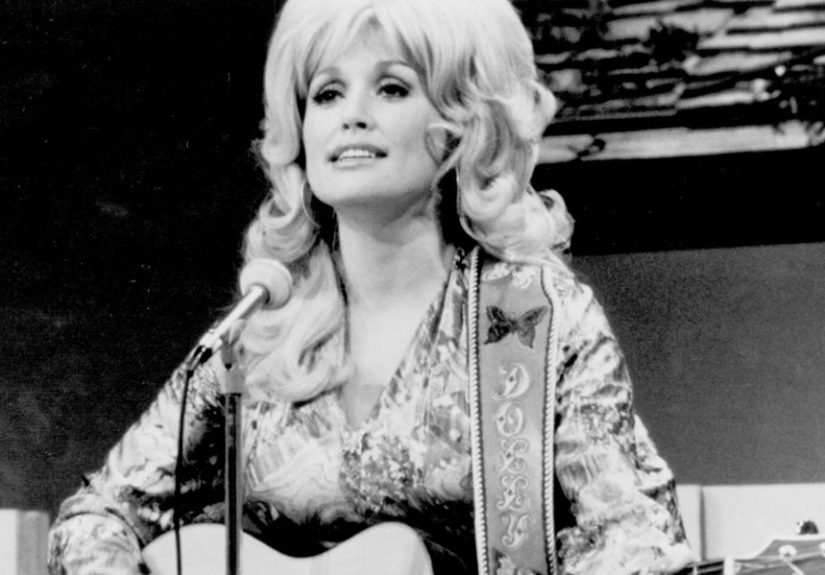
But here is the twist: “I Will Always Love You” was not written as a traditional romantic breakup song. Dolly Parton wrote it as a professional farewell to Porter Wagoner, the country music star, television host, mentor, duet partner, and complicated collaborator who helped launch her into American living rooms. It was her graceful way of saying goodbye without slamming the door, burning the bridge, or leaving behind a Nashville-sized pile of emotional glitter.
The story behind why Dolly Parton wrote “I Will Always Love You” is a story about gratitude, ambition, boundaries, business sense, and the painful beauty of leaving something before it leaves you. It is also a master class in how to end a chapter without pretending the chapter did not matter.
The Short Answer: Dolly Wrote It for Porter Wagoner
Dolly Parton wrote “I Will Always Love You” in 1973 as a goodbye to Porter Wagoner after deciding to leave The Porter Wagoner Show and focus on her solo career. By that point, she had spent roughly seven years working with Wagoner. Their partnership had brought her national exposure, hit duets, stage experience, and a powerful introduction to the machinery of country music. But Dolly was not built to remain anyone’s “girl singer” forever. She had songs to write, records to make, businesses to build, and probably a few thousand sparkly outfits waiting patiently for their moment.
Porter Wagoner mattered deeply to Dolly’s career. He gave her a platform when many industry insiders did not quite know what to do with her high voice, mountain-girl image, big personality, and fearless songwriting. Still, as Dolly’s star grew, so did her need for independence. She wanted to become a solo artist on her own terms, not simply the female half of a beloved television duo.
That decision was not easy. Wagoner reportedly resisted her leaving, and their professional split carried emotional tension. Rather than fight with legal language or icy silence, Dolly used the language she knew best: a song. The result was not a revenge anthem. It was not a “you’ll regret this” anthem. It was a tender farewell, written from a place of respect, gratitude, and firm self-direction.
The Porter Wagoner Years: A Partnership That Changed Dolly’s Life
To understand why “I Will Always Love You” carries so much weight, you have to understand the Porter Wagoner era. When Dolly joined The Porter Wagoner Show in the late 1960s, Wagoner was already a major name in country music. His syndicated television program reached audiences across the United States, and appearing on it could transform a promising singer into a familiar household presence.
Dolly replaced Norma Jean on the show, and not every fan welcomed her immediately. That is almost funny now, because imagining a crowd needing time to warm up to Dolly Parton feels like imagining someone saying, “I’m not sure about sunshine; give me a few weeks.” But at the time, she was a new face in a role audiences already associated with someone else. She had to win people over.
She did. Dolly and Porter developed a popular musical partnership, recording duets and touring together. They won industry attention and became one of country music’s memorable pairings. Yet underneath the success was a creative tension. Dolly was a songwriter with enormous ambition. She wanted the freedom to record her own material, shape her own image, and follow the artistic instincts that would eventually turn her into one of the most successful singer-songwriters in American music history.
Why Leaving Was So Hard
Professional breakups can be awkward even when everyone behaves beautifully. Add fame, money, contracts, television, public expectations, and two strong creative personalities, and suddenly you are not just leaving a job. You are leaving an identity. Dolly was known to millions as part of Porter’s world. Walking away meant risking security for possibility.
That is one reason “I Will Always Love You” feels so emotionally mature. It does not deny the value of the relationship. It does not pretend the past was meaningless. It simply says, in spirit, that love and leaving can exist in the same sentence. That idea is why the song has lasted. Many people know what it feels like to outgrow a situation they still appreciate. A school, a job, a hometown, a friendship, a creative partnership, even a version of themselvessometimes the next step requires a goodbye that hurts.
Dolly managed to turn that private career crossroads into a universal emotional message. That is the difference between a good song and a great one. A good song tells you what happened. A great song lets you find your own life inside it.
The Moment Dolly Played the Song for Porter
According to Dolly’s own official accounts, she played the song for Porter Wagoner as a way of explaining her decision. He was moved by it. The story often repeated is that Porter cried and told her it was one of the prettiest songs he had ever heard, then agreed she could go as long as he got to produce the record.
That detail matters because it captures the emotional complexity between them. This was not a clean, simple villain-and-hero story. Porter had helped her. Porter also struggled with letting her go. Dolly loved and respected him. Dolly also knew she had to leave. The song became a bridge between those truths. It allowed them to honor the partnership while admitting it could not remain the same.
In other words, “I Will Always Love You” was Dolly Parton’s resignation letter, thank-you note, farewell hug, and career declaration all rolled into one. Most people leave a job with an email and maybe a sad cupcake in the break room. Dolly left with a country classic.
Released in 1974: The Original Dolly Parton Version
Dolly recorded and released “I Will Always Love You” as part of her 1974 album Jolene. The timing is important because the album itself represented a powerful moment in her rise as a solo artist. The title track “Jolene” had already shown her ability to write dramatic, memorable songs with vivid emotional stakes. Then “I Will Always Love You” proved she could write with extraordinary restraint.
The original version is not a vocal fireworks display. It is controlled, intimate, and almost conversational. Dolly does not try to overpower the listener. She invites the listener closer. That quietness gives the song its strength. It sounds like someone choosing dignity while her heart is busy doing cartwheels in the background.
The song became a No. 1 country hit in 1974. Years later, Dolly rerecorded it for the 1982 film The Best Little Whorehouse in Texas, and it reached No. 1 on the country chart again. That rare second success showed that the song was not simply a product of one moment. It had staying power before Whitney Houston ever stepped into the recording booth.
Not a Romance Song, But Absolutely a Love Song
One reason people often mistake the song for a romantic breakup ballad is simple: it works perfectly as one. The words are open enough to fit many kinds of goodbye. A romantic partner can hear it one way. A friend can hear it another. An artist leaving a mentor can hear it exactly as Dolly intended. That flexibility is part of the song’s genius.
Dolly did not overload the song with specific details about television contracts, career strategy, or backstage tension. Smart move. “I appreciate the syndicated exposure, Porter, but I require creative autonomy” is honest, but it is not exactly a chorus people want to sing at weddings, funerals, talent shows, and emotionally intense karaoke nights.
Instead, she focused on the feeling beneath the situation: loving someone, appreciating what they gave you, and still knowing you must move forward. That is why the song can belong to so many people. It is specific in origin but universal in emotion.
The Elvis Presley Story: Dolly’s Business Instinct Saves the Song
One of the most famous chapters in the history of “I Will Always Love You” involves Elvis Presley. After Dolly’s version became successful, Elvis wanted to record the song. For almost any songwriter, that would sound like a dream wrapped in a jumpsuit. Dolly admired Elvis and was excited by the idea.
Then came the business condition. Elvis’s manager, Colonel Tom Parker, reportedly wanted a share of the publishing rights. Dolly refused. She later explained that saying no broke her heart, but she knew she had to keep control of her copyright.
That decision is one of the clearest examples of Dolly Parton’s long-term intelligence as a songwriter and businesswoman. She did not just write songs; she protected them. She understood that publishing rights are not tiny footnotes in a music contract. They are the foundation of creative ownership and long-term income. Turning down Elvis must have been painful, but keeping the song allowed Dolly to benefit from its future life in ways that changed her legacy.
This is where the rhinestones meet the spreadsheet. Dolly may be warm, funny, and charming, but she has also been one of the sharpest business minds in entertainment. The Elvis story proves that sentiment and strategy can sit at the same table. Preferably with biscuits.
Whitney Houston Turns the Song Into a Global Phenomenon
In 1992, Whitney Houston recorded “I Will Always Love You” for The Bodyguard, her film debut with Kevin Costner. Produced with David Foster, Houston’s version transformed the song from a country classic into a global pop landmark. Where Dolly’s version was intimate and restrained, Whitney’s was expansive, dramatic, and vocally towering.
Houston’s recording reached No. 1 on the Billboard Hot 100 and remained there for 14 weeks. It became one of the defining songs of the 1990s and won major Grammy honors, including Record of the Year. In 2020, the recording was selected for preservation in the National Recording Registry, and in 2022 it was certified Diamond by the RIAA.
Yet even in Whitney’s monumental version, Dolly’s writing remains the skeleton key. The famous vocal performance dazzles, but the reason it works is that the song itself is emotionally solid. A singer can decorate a house beautifully, but the house still needs a foundation. Dolly built that foundation in 1973 with a guitar, a goodbye, and the courage to leave.
Why the Song Still Feels Fresh Decades Later
The continued power of “I Will Always Love You” comes from its emotional balance. It is sad but not bitter. Loving but not needy. Final but not cruel. That balance is incredibly hard to write. Many breakup songs choose one lane: anger, sorrow, nostalgia, regret, revenge, or dramatic window-staring during a thunderstorm. Dolly chose grace.
The song also benefits from simplicity. It does not need a complicated plot. It does not name names. It does not force listeners into one interpretation. Instead, it gives them emotional space. That space is why the song has been used at weddings, memorials, talent competitions, graduations, farewells, and private moments when someone needs a soundtrack for letting go.
Another reason the song lasts is that it expresses a feeling people often struggle to say: “I am leaving, but I am not erasing you.” That message is powerful because many endings become messy when people think leaving must equal rejection. Dolly’s song offers a more generous idea. Sometimes leaving is not a denial of love. Sometimes it is an act of honesty.
The Songwriting Lesson: Make It Personal, Then Make It Universal
Dolly Parton’s songwriting genius lies in her ability to start with a personal experience and remove just enough detail for everyone else to enter the room. The song began with Porter Wagoner, but it does not require listeners to know his name. It began with a professional split, but it does not require listeners to know country music history. It began in Nashville, but it belongs anywhere someone has ever had to say goodbye with love still in their heart.
That is a valuable lesson for writers, musicians, creators, and anyone trying to communicate something difficult. Specific feelings are often more powerful than specific facts. Dolly did not write a report about her career transition. She wrote the emotional truth of it. That is why the song traveled farther than any memo ever could.
Dolly Parton’s Courage to Leave
The heart of the song is not just affection. It is courage. Dolly had to believe that leaving Porter Wagoner was the right move even though it came with risk. She had to believe her solo career could grow. She had to trust her songwriting, her instincts, and her ability to survive outside a powerful partnership.
Looking back, the decision seems obvious because we know what Dolly became: a global icon, award-winning songwriter, actor, business owner, philanthropist, and cultural treasure. But in the moment, the future was not guaranteed. That is what makes the song so moving. It captures the bravery of stepping into uncertainty while still honoring the person who helped you reach the doorway.
How “I Will Always Love You” Changed Dolly’s Legacy
“I Will Always Love You” strengthened Dolly Parton’s reputation as more than a performer. It showed her as a songwriter of rare emotional intelligence. The song also became one of the most valuable copyrights in popular music, especially after Whitney Houston’s version introduced it to a massive worldwide audience.
The song’s journey also helped define Dolly’s public image. She is often funny, playful, and self-deprecating, but the song reminds listeners that beneath the glitter is a serious artist with a deep understanding of human feeling. Dolly has always known how to make people laugh, but she also knows exactly where the emotional floorboards creak.
In a career filled with classics like “Jolene”, “Coat of Many Colors”, and “9 to 5”, “I Will Always Love You” stands apart because it carries both personal history and global reach. It is a farewell that became a phenomenon.
Experiences and Reflections Related to Why Dolly Parton Wrote the Song
The story behind “I Will Always Love You” feels especially meaningful because almost everyone eventually faces a version of Dolly’s decision. Not everyone leaves a famous television partnership in Nashville, of course. Most people do not have Porter Wagoner waiting in the office or Elvis Presley trying to cover their resignation letter. But many people know what it feels like to leave a situation that once helped them grow.
Think about a student graduating from a school that shaped them, but no longer fits the person they are becoming. Think about an employee leaving a first job where they learned discipline, confidence, and how to survive meetings that should have been emails. Think about a creative partner moving on from a team, a friend relocating to a new city, or a young adult stepping out from under a mentor’s influence. These moments can be full of gratitude and guilt at the same time. Dolly’s song gives that mixed feeling a language.
One experience many listeners connect with is the challenge of setting boundaries without becoming cold. Dolly did not write the song to attack Porter. She wrote it to explain that she needed to go. That distinction matters. In real life, boundaries are often misunderstood as disrespect, especially when one person benefits from the old arrangement more than the other. Dolly’s story shows that you can be thankful for someone and still choose a different path. Appreciation does not require permanent availability.
Another experience tied to the song is the fear of disappointing someone who helped you. This can be emotionally heavy. When a mentor, parent, teacher, boss, or collaborator invests in you, leaving can feel like betrayal even when it is necessary. Dolly’s farewell suggests a healthier approach: honor the role they played, speak with honesty, and do not shrink your future to protect someone else’s comfort.
The song also teaches a lesson about timing. Dolly left when she knew she had to grow. If she had stayed too long, resentment might have replaced gratitude. Many people wait until a situation becomes unbearable before leaving. By then, the goodbye can turn sharp. Dolly’s song shows another possibility: leave before love turns into bitterness.
There is also a creative experience hidden in the song’s origin. Painful transitions can become art, but only when handled honestly. Dolly did not exaggerate the situation into melodrama. She found the clean emotional center and trusted it. Writers, artists, and storytellers can learn from that. The strongest work often comes not from making feelings bigger, but from making them clearer.
Finally, the story encourages people to protect what they create. Dolly’s refusal to give up publishing rights for the chance to have Elvis record the song is more than music-business trivia. It is a reminder that creative people should value their work before the world proves its value. She believed the song mattered, and she protected it. That decision allowed the song to keep giving back to her for decades.
In the end, “I Will Always Love You” is not only about goodbye. It is about growing up, moving forward, and refusing to confuse gratitude with staying stuck. Dolly Parton wrote it for Porter Wagoner, but millions of people have used it to understand their own endings. That is the magic trick. She wrote one goodbye and somehow gave everyone a way to say theirs.
Conclusion: A Goodbye That Became Immortal
Dolly Parton wrote “I Will Always Love You” because she needed to leave Porter Wagoner’s professional orbit and become the artist she knew she could be. The song was her elegant farewell: grateful, firm, loving, and brave. It began as a deeply personal message from one artist to another, but its emotional honesty helped it become one of the most iconic songs in American music history.
Its later success through Whitney Houston’s unforgettable version did not replace Dolly’s story; it expanded it. The song’s journey from Nashville country ballad to global pop anthem proves that a well-written goodbye can cross genres, generations, and cultures. Dolly did not just write a hit. She wrote a human truth: sometimes the most loving thing you can do is leave with grace.
Note: This article is prepared for web publishing, written in original language, and avoids reproducing copyrighted song lyrics.