Table of Contents >> Show >> Hide
- What does “nutrient-dense” actually mean?
- How do scientists measure nutrient density?
- The most nutrient-dense foods in the world: a practical all-star roster
- 1) Leafy greens (the “multivitamin aisle” of the produce section)
- 2) Cruciferous vegetables (broccoli’s overachieving family)
- 3) Bivalves and shellfish (tiny seafood, massive micronutrients)
- 4) Small, oily fish (omega-3 superstars)
- 5) Organ meats (small portions, big nutrientshandle with care)
- 6) Eggs (compact nutrition, ridiculously useful)
- 7) Beans, peas, and lentils (fiber + minerals + protein, on a budget)
- 8) Fermented dairy (protein + minerals, sometimes with beneficial cultures)
- 9) Nuts and seeds (tiny foods, big nutrient payoff)
- 10) Berries and deeply colored fruits (nutrients with a side of joy)
- 11) Mushrooms (a plant-friendly way to add unique nutrients)
- How to build meals around nutrient density (without becoming “that person” at brunch)
- Common mistakes when chasing “the most nutrient-dense foods”
- Conclusion: the “best” nutrient-dense foods are the ones you’ll rotate all year
- Real-life experiences: what nutrient-dense eating feels like (about )
If calories are money, nutrient density is getting the deluxe “everything included” vacation package for the price of a bus ticket. Nutrient-dense foods give you lots of vitamins, minerals, protein, fiber, and beneficial fats for relatively few calorieswithout piling on tons of added sugar, sodium, or saturated fat. And while the internet loves to crown one food the “king of health,” the real world is messier (and tastier): the most nutrient-dense foods tend to be everyday staples you can mix and match.
In this guide, we’ll define nutrient density in plain English, explain how researchers score it, and then walk through the foods that consistently land in the “nutrient jackpot” categoryleafy greens, bivalves, oily fish, beans, yogurt, eggs, nuts, berries, and more. No gimmicks. No “detox” nonsense. Just food that pulls its nutritional weight.
What does “nutrient-dense” actually mean?
Nutrient-dense foods are rich in nutrients that mattervitamins, minerals, fiber, and other compoundsrelative to their calorie content. Many public-health organizations also note that nutrient-dense choices generally keep added sugars, sodium, and saturated fat in check. In other words: you’re not just eating “low-calorie,” you’re eating “high-value.”
One reason this concept is so useful: it helps you build meals that feel satisfying and nourishing without needing a spreadsheet or a food scale (unless you love spreadsheets, in which case… respect).
How do scientists measure nutrient density?
There isn’t one universal scoreboard for nutrient density. Different systems use different nutrients, serving sizes, and math. But most approaches share one big idea: nutrients per calorie. Some methods look at nutrients per 100 calories; others use per 100 grams; some compare foods against Daily Values on the Nutrition Facts label.
Two common ways nutrient density gets “ranked”
- Nutrient profiling models: Researchers select a set of beneficial nutrients (and sometimes nutrients to limit) and calculate a score. These models are often used in nutrition research and policy discussions.
- “Powerhouse fruits and vegetables” scoring: A CDC-published study evaluated nutrient density among a set of fruits and vegetables and produced a ranked list. (This is why you’ll often see watercress pop up like the valedictorian of leafy greens.)
Bottom line: “Most nutrient-dense foods in the world” depends on the scoring methodbut a consistent set of foods keeps showing up near the top across expert guidance and nutrient-density research.
The most nutrient-dense foods in the world: a practical all-star roster
Rather than pretending there’s one perfect list, here are the foods that repeatedly earn “nutrient-dense” status and make it easy to cover common nutrient gaps. Think of these as your nutritional MVPs. You don’t need them all in one dayjust rotate them over time.
1) Leafy greens (the “multivitamin aisle” of the produce section)
Leafy greens tend to deliver a lot of vitamin K, folate, carotenoids, and minerals for very few calories. They’re also easy to “sneak” into meals: omelets, soups, pasta, smoothies, sandwichesleafy greens are basically nutritional confetti.
- Watercress (often ranked extremely high in nutrient-density research)
- Spinach (versatile raw or cooked)
- Kale (sturdy, great sautéed or in soups)
- Swiss chard and beet greens (underrated powerhouses)
- Collard greens (hearty, especially cooked)
Pro move: Pair greens with a source of healthy fat (olive oil, avocado, nuts, egg yolk) to help your body absorb fat-soluble nutrients.
2) Cruciferous vegetables (broccoli’s overachieving family)
Cruciferous veggies are nutrient-dense, fiber-rich, and show up in many “eat more of this” recommendations. They’re also great roasted, which is important because “nutrient-dense” only helps if you actually want to eat it.
- Broccoli
- Brussels sprouts
- Cabbage (including Chinese cabbage)
- Cauliflower
- Arugula (peppery, salad-friendly)
3) Bivalves and shellfish (tiny seafood, massive micronutrients)
If nutrient density had a secret weapon category, it would be bivalvesespecially clams and oysters. They’re famously rich in vitamin B12 and other key nutrients, while being relatively lean.
- Clams
- Oysters
- Mussels
- Crab and shrimp (also nutrient-rich, though scores vary)
Reality tip: Canned clams or smoked oysters can be budget-friendly ways to get these nutrients without needing a beach vacation.
4) Small, oily fish (omega-3 superstars)
Oily fish are nutrient-dense because they combine high-quality protein with omega-3 fats, and certain varieties also contribute vitamin D. Many heart-health recommendations emphasize eating fish (especially fatty fish) regularly.
- Sardines (often with bonus calcium if you eat the bones)
- Salmon
- Herring
- Mackerel
- Trout
Pro move: If fish feels intimidating, start with salmon burgers, sardines mashed into lemony toast, or canned salmon in a simple bowl with rice, cucumber, and sesame.
5) Organ meats (small portions, big nutrientshandle with care)
Organ meatsespecially liverare famously nutrient-dense. They can be extremely high in vitamin A and also provide vitamin B12. But “more” isn’t always “better,” and some people should be cautious (for example, vitamin A excess is a real concern in certain situations).
- Beef liver (very nutrient-dense; consider modest portions)
- Chicken liver
Practical approach: Think “occasionally and intentionally,” not “daily dare.”
6) Eggs (compact nutrition, ridiculously useful)
Eggs offer high-quality protein and contain choline, a nutrient involved in many essential body functions. They’re also one of the easiest ways to make a meal feel completebreakfast, lunch, dinner, midnight “I forgot to plan” snack… eggs never judge.
- Whole eggs (yolk includedmany nutrients live there)
7) Beans, peas, and lentils (fiber + minerals + protein, on a budget)
Legumes are nutrient-dense because they bring fiber, plant protein, and a range of micronutrients into one cheap, shelf-stable package. They also support balanced meals: pair them with whole grains and veggies, and you’re basically building a nutrition “starter home” that can expand forever.
- Lentils (fast-cooking, great for soups and bowls)
- Chickpeas (salads, hummus, sheet-pan dinners)
- Black beans and kidney beans
- Edamame (soybeans; snackable and bowl-friendly)
8) Fermented dairy (protein + minerals, sometimes with beneficial cultures)
Many nutrient-dense eating patterns include dairyespecially options like yogurt and kefirbecause they can provide protein and key nutrients. Fermented choices may also offer live cultures, though benefits vary by product and person.
- Plain Greek yogurt (high protein; choose lower added sugar)
- Kefir (drinkable cultured dairy; check labels for added sugar)
- Cottage cheese (protein-dense and versatile)
9) Nuts and seeds (tiny foods, big nutrient payoff)
Nuts and seeds are calorie-dense, but they’re also nutrient-dense: you get fiber, minerals, and healthy fats in a small serving. The key is portion awarenessbecause “a handful” can quietly become “half a bag” during a Netflix finale.
- Walnuts (noted for omega-3 ALA)
- Chia and flax (fiber + healthy fats; great in oats or smoothies)
- Pumpkin seeds (mineral-rich and snackable)
- Hemp seeds (easy sprinkle-on protein/fat combo)
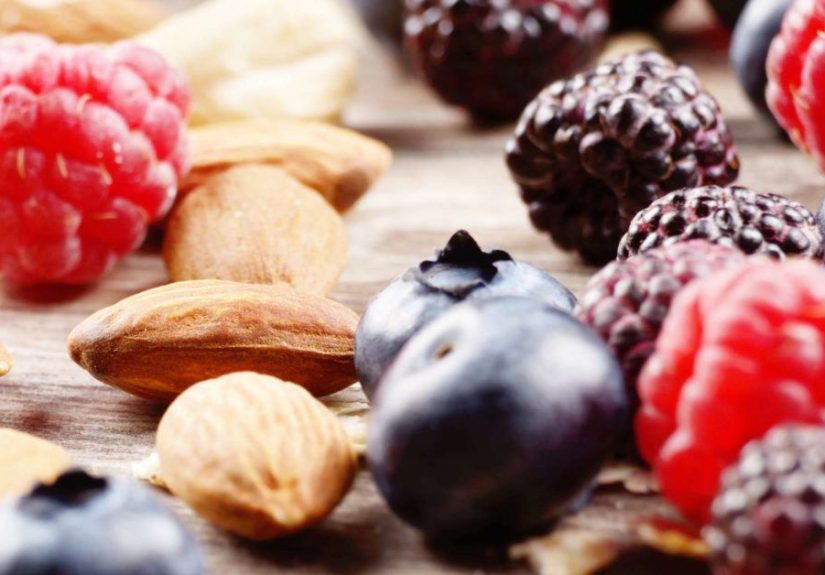
10) Berries and deeply colored fruits (nutrients with a side of joy)
Fruits generally contain more natural sugars than vegetables, but many are still nutrient-denseespecially berries. They add fiber and protective compounds and can make healthy eating feel less like a chore and more like… dessert’s responsible cousin.
- Blueberries
- Strawberries
- Raspberries and blackberries (often high fiber)
- Oranges and kiwi (vitamin C standouts)
11) Mushrooms (a plant-friendly way to add unique nutrients)
Mushrooms bring a different nutrient profile than most vegetables, and some can contribute vitamin D if they’ve been exposed to UV light. They also add a savory, meaty texture that helps plant-forward meals feel more satisfying.
- UV-exposed mushrooms (check packaging for vitamin D)
- Shiitake, cremini, portobello (culinary workhorses)
How to build meals around nutrient density (without becoming “that person” at brunch)
You don’t need a perfect dietjust a repeatable structure. Here’s a simple formula that keeps nutrient density high:
- Start with plants: leafy greens + another colorful vegetable.
- Add protein: beans, eggs, seafood, yogurt, poultry, tofuchoose what fits you.
- Add smart carbs: whole grains or starchy veggies (like sweet potato) if you need energy and staying power.
- Finish with healthy fats: olive oil, avocado, nuts/seeds (helps flavor and nutrient absorption).
Three nutrient-dense meal ideas you can actually repeat
- “Green & easy” bowl: spinach + lentils + roasted broccoli + olive oil + lemon + pumpkin seeds.
- “Seafood pantry” lunch: canned sardines or salmon + whole-grain toast + cucumber + yogurt-dill sauce.
- “Breakfast that isn’t dessert”: plain Greek yogurt + berries + chia + walnuts + cinnamon.
Common mistakes when chasing “the most nutrient-dense foods”
Mistake #1: Treating one food like a magic spell
Even the most nutrient-dense food can’t compensate for a pattern of eating that’s mostly ultra-processed snacks and sugar-sweetened beverages. Nutrient density works best as a pattern, not a mascot.
Mistake #2: Ignoring what you’ll realistically eat
Watercress is greatunless it turns into compost in your crisper drawer every week. Pick nutrient-dense foods that match your cooking style. Frozen spinach, canned beans, and canned salmon are not “less than.” They’re often the reason healthy eating actually happens.
Mistake #3: Forgetting that needs vary
Iron needs differ by age and life stage. Some people need more protein. Some need to watch sodium. If you’re pregnant, managing a medical condition, or on medications, get personalized guidance from a registered dietitian or clinician.
Conclusion: the “best” nutrient-dense foods are the ones you’ll rotate all year
The most nutrient-dense foods in the world aren’t mythical. They’re mostly recognizable, minimally processed staples: leafy greens, cruciferous vegetables, beans and lentils, berries, eggs, yogurt, nuts and seeds, and seafood (especially bivalves and oily fish). You don’t need to eat them perfectlyyou just need to keep them in the rotation.
Start small: pick two nutrient-dense upgrades you can repeat this week (like adding spinach to one meal per day and swapping one snack for yogurt + berries). Nutrient density isn’t about restrictionit’s about making your plate do more for you with the same number of bites.
Real-life experiences: what nutrient-dense eating feels like (about )
Nutrient-dense eating isn’t usually a dramatic movie montage where you suddenly sprint up a mountain in matching athleisure. It’s more like a slow, quietly satisfying “quality upgrade” to your everyday lifelike replacing a wobbly chair with one that doesn’t squeak every time you blink. The first change many people notice is simply that meals feel more complete. When you add protein + fiber + healthy fatssay, lentils with roasted broccoli and olive oil you tend to stay full longer than you would with a refined-carb-only lunch. That “I need a snack immediately or I will become a snack” feeling happens less often.
Grocery shopping changes, too. Instead of hunting for a single “superfood,” you start building a short list of reliable staples: a leafy green (fresh or frozen), a couple of vegetables that roast well, one or two proteins you actually like, and a “flavor helper” (olive oil, citrus, herbs, yogurt). This is where nutrient density becomes practical. Frozen spinach and canned beans are not glamorous, but they’re the reason a nutritious dinner can exist on a tired Tuesday. And once you get used to having them around, it feels oddly empoweringlike you’ve unlocked the adult version of “I packed my own lunch.”
There’s also a taste-learning curve. If you’re used to heavily sweet or salty processed foods, whole foods can taste “quiet” at first. But quiet doesn’t mean boringit means you get to turn up flavor deliberately. Roasting cruciferous vegetables until they’re caramelized, adding lemon and garlic, tossing in crunchy seeds, or using a tangy yogurt sauce can make nutrient-dense meals feel craveable. Many people discover they don’t hate vegetables; they just hate vegetables that taste like warm water and regret.
Socially, nutrient-dense eating can be surprisingly flexible. It’s not an all-or-nothing rulebook. You can order a restaurant meal and still make a nutrient-dense choice by looking for vegetables, a solid protein, and a reasonable portion of starch. Even brunch can behave: eggs plus a side of greens, or yogurt with fruit and nuts, is a nutrient-dense winno speech required. And when you do want dessert or comfort food, you can have it without feeling like you “ruined everything,” because your overall pattern is supportive.
The most realistic “experience” of nutrient-dense eating is this: you spend less time negotiating with hunger, more time feeling steady between meals, and you gradually build a default set of foods that make your body feel taken care of. Not perfect. Not magical. Just consistently better.