Table of Contents >> Show >> Hide
- Why Ingredient Substitutions Work Sometimes and Fail Spectacularly Other Times
- The Best Ingredient Substitutions for Everyday Cooking
- Smart Baking Substitutions That Actually Work
- Sugar, Sweeteners, and Why “Just Use Honey” Is Not Always a Great Plan
- Flour Substitutions: The Trickiest Game in the Pantry
- When You Should Not Substitute at All
- How to Make Better Ingredient Substitutions Every Time
- The Real-Life Experience of Ingredient Substitutions
- Conclusion
Every home cook knows the moment: the butter is soft, the oven is hot, the mixing bowl is ready for glory, and then you realize you’re out of buttermilk, eggs, or brown sugar. That is usually when the kitchen turns into a courtroom drama and the pantry becomes the chief suspect. The good news is that ingredient substitutions can absolutely save dinner, dessert, and your dignity. The less-good news is that not every swap is a happy one. Some substitutions are brilliant. Others are how you accidentally invent a pancake that bounces.
This guide breaks down the difference between smart swaps and risky guesses. You’ll learn when ingredient substitutions work, why they work, and which ones deserve a cautious side-eye. Whether you cook often or just wander into the kitchen with confidence and a spatula, this article will help you make better decisions when an ingredient goes missing.
Why Ingredient Substitutions Work Sometimes and Fail Spectacularly Other Times
The secret is simple: ingredients do jobs. In savory cooking, those jobs are usually flexible. If you swap one onion for shallots or Greek yogurt for sour cream in a dip, the result may taste a little different, but dinner will still be dinner. In baking, however, ingredients are more like coworkers on a tight deadline. Flour provides structure. Eggs bind, lift, and add moisture. Sugar sweetens, yes, but also affects browning, tenderness, spread, and shelf life. Butter contributes flavor and texture. Leaveners create lift. Change one thing, and the whole office can get weird.
That is why the best rule for ingredient substitutions in baking is this: match the function, not just the flavor. If you’re replacing buttermilk, you need acidity and moisture. If you’re replacing eggs, you need to decide whether the egg was there for binding, richness, or lift. If you’re replacing sugar with a liquid sweetener, you may also need to adjust the liquid in the recipe. A swap is not just a trade. It is a tiny chemistry negotiation.
The Best Ingredient Substitutions for Everyday Cooking
Let’s start with the easy wins. In everyday cooking, substitutions are often forgiving, especially in soups, sauces, casseroles, marinades, and skillet meals.
Dairy Swaps
Plain yogurt can often stand in for sour cream in dips, dressings, baked potatoes, and sauces. It brings tang and creaminess without causing a kitchen identity crisis. If you need buttermilk substitutes, one classic fix is milk mixed with a little lemon juice or white vinegar and left to sit for a few minutes. Plain yogurt also works well in many baking and cooking situations when buttermilk is missing.
Need heavy cream for a savory sauce? Half-and-half may work in lighter applications, though the result will be less rich. For cream cheese in spreads or dips, mascarpone or thick Greek yogurt can sometimes help, depending on the recipe’s purpose.
Broth, Wine, and Acidic Ingredients
Chicken broth can usually be swapped with vegetable broth, and vice versa. White wine in cooking can often be replaced with broth plus a squeeze of lemon juice or a splash of vinegar to mimic acidity. Red wine substitutions are trickier, but broth, grape juice, or cranberry juice with a little vinegar can sometimes help in braises and sauces.
Herbs and Aromatics
Fresh herbs and dried herbs are not twins, but they are cousins who can cover for each other in an emergency. A common rule is 3 parts fresh herbs to 1 part dry. So if a recipe calls for 1 tablespoon of fresh oregano, about 1 teaspoon dried is often a reasonable move. Garlic powder can sub in for fresh garlic when needed, and onion powder or dried minced onion can do the same for fresh onion in some recipes.
Thickeners
If you are out of cornstarch, flour can thicken sauces, though it usually creates a cloudier and heavier result. Arrowroot can also work in many cases. Tapioca starch, potato starch, and other starches may stand in too, but they each behave a little differently, especially under heat or in freezing conditions.
Smart Baking Substitutions That Actually Work
Baking is where people either become legends or send apology texts. Here are the most dependable swaps.
Buttermilk
If a recipe calls for buttermilk, you can often use 1 cup of milk mixed with 1 tablespoon of lemon juice or white vinegar. Let it stand briefly so it curdles slightly. Plain yogurt is also a reliable alternative in many recipes. This matters because buttermilk contributes acidity, which can react with baking soda and help tenderize baked goods.
Baking Powder and Baking Soda
These are not interchangeable in a casual, “close enough” kind of way. Baking soda needs acid to activate. Baking powder already contains baking soda plus acid. If you replace baking soda with baking powder, you generally need much more of it. If you replace baking powder, a common emergency workaround is baking soda plus cream of tartar. Useful? Yes. Identical? Not quite. This is why muffins sometimes rise like champs and other times resemble emotional support hockey pucks.
Cake Flour and Self-Rising Flour
No cake flour? You can make a homemade version by replacing a small amount of all-purpose flour with cornstarch. Need self-rising flour? You can build it from all-purpose flour plus baking powder and salt. These are some of the most dependable pantry substitutions because they preserve the intended structure more effectively than random flour swaps.
Eggs
Egg substitutions depend on the job. For many muffins, quick breads, brownies, and cookies, a flax egg can work well. That usually means ground flaxseed mixed with water and allowed to gel. Mayonnaise can also work surprisingly well in some baked goods because it contributes fat and egg. Applesauce, mashed banana, pumpkin puree, and yogurt may help with moisture and binding, especially in denser bakes.
But here is the catch: if the recipe relies on whipped egg whites, dramatic lift, or a delicate structure, substitutions get risky fast. That angel food cake is not the place to test your bravery.
Butter, Oil, and Shortening
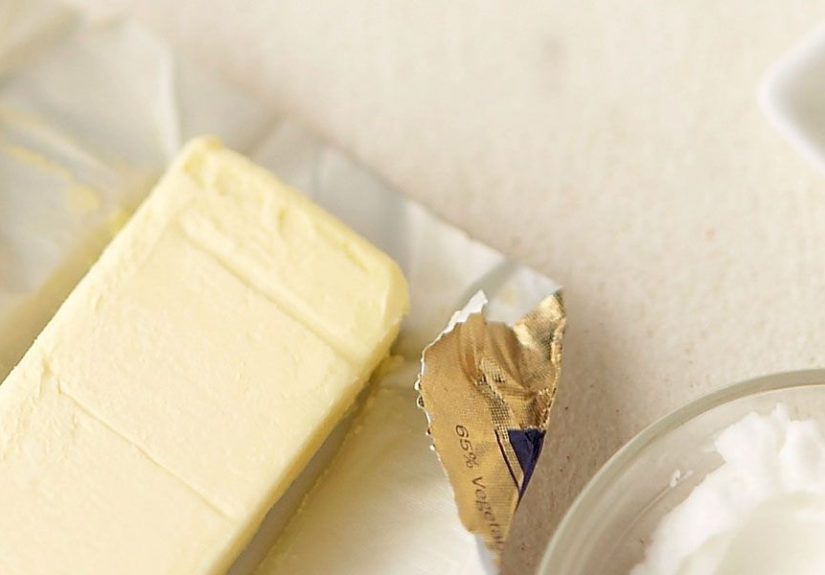
Oil can often replace melted butter in cakes, muffins, and quick breads, though you may lose some buttery flavor. Butter and shortening can sometimes be swapped in cookies and pie crusts, but texture changes are likely. Butter contains water; shortening does not. That means the final spread, flakiness, and tenderness can shift.
Sugar, Sweeteners, and Why “Just Use Honey” Is Not Always a Great Plan
When people think of sugar, they think sweetness. Bakers think sweetness, moisture, spread, browning, tenderness, and shelf life. Sugar is busy.
Granulated sugar and brown sugar are close relatives, but not identical. Brown sugar contains molasses, so it adds moisture and deeper flavor. You can often make a quick brown sugar substitute by combining granulated sugar with molasses. If you use honey or maple syrup instead of sugar, you are adding liquid and changing browning behavior. Honey is sweeter than sugar and tends to create a moister, denser bake. Maple syrup is less sweet than sugar and contributes flavor as well as extra liquid.
Molasses is even more dramatic. It is not as sweet as white sugar, but it adds strong flavor, darkness, and acidity. In other words, it shows up loudly. Sugar substitutes made for baking can also work, but results vary by brand. Some are designed for cup-for-cup use; others need recipe changes. Always assume sweetness is only part of the equation.
Flour Substitutions: The Trickiest Game in the Pantry
If ingredient substitutions had a final boss, it would be flour. Different flours contain different amounts of protein, starch, fiber, and fat, which affects structure and absorption. That is why swapping all-purpose flour for almond flour, coconut flour, cassava flour, or a gluten-free blend is not usually a simple 1:1 move.
Whole wheat flour can often replace part of the all-purpose flour in a recipe, but using all whole wheat may make the result denser. Gluten-free blends work best when they are designed specifically for baking. Some alternative flours need binders like xanthan gum or guar gum to mimic gluten’s elasticity. Almond flour adds tenderness and richness but less structure. Coconut flour absorbs a huge amount of liquid and can quickly turn batter into something resembling edible drywall if used carelessly.
For home bakers, the best strategy is not to improvise wildly with flour. Use tested substitution guidance whenever possible, especially for breads, cakes, and pastries. Flour is the skeleton of the recipe. You do not want to replace a skeleton with vibes.
When You Should Not Substitute at All
Some recipes are naturally flexible. Others are fussy little masterpieces that resent change. Avoid freestyle substitutions in these situations:
- Meringues and soufflés: Egg structure is everything.
- Laminate-heavy pastries: Butter behavior matters enormously.
- Candy and caramel: Sugar chemistry is precise.
- Yeasted breads: Flour protein, hydration, and fat levels affect rise and crumb.
- Gluten-free or allergy-friendly recipes: One change may require several balancing adjustments.
If a recipe is delicate, celebratory, or expensive, it is usually smarter to wait until you have the right ingredient than to launch a bold experiment five minutes before guests arrive.
How to Make Better Ingredient Substitutions Every Time
1. Ask what the ingredient does
Is it adding moisture, acid, fat, structure, sweetness, or lift? Once you know the job, finding a replacement becomes much easier.
2. Keep the recipe category in mind
Soups and stews are flexible. Frosting, macarons, and sponge cake are not.
3. Watch moisture levels
Liquid sweeteners, fruit purees, and yogurt all change hydration. That means you may need to reduce or increase another liquid ingredient.
4. Expect texture changes
A successful substitution does not always produce an identical result. It may still be tasty, just slightly softer, denser, tangier, or less crisp.
5. Check labels for allergens and formulas
If you are making substitutions for dietary reasons, read product labels carefully. Packaged foods and blends can change over time, and “free-from” assumptions are not a reliable cooking method.
The Real-Life Experience of Ingredient Substitutions
Here is the part no quick substitution chart can fully explain: ingredient substitutions are as much about experience as they are about math. Ask any regular home cook and they will tell you that the first time they swapped yogurt for sour cream, it felt suspicious. The first time they replaced buttermilk with milk and lemon juice, it felt like a kitchen magic trick. The first time they tried to replace eggs in a cake with a random internet suggestion, it felt like a bold act of optimism followed by a quiet lesson in humility.
In real kitchens, substitutions often happen when people are tired, busy, hungry, or absolutely unwilling to put on real pants and go back to the store. That is why this topic matters so much. Ingredient substitutions are not just technical knowledge; they are practical survival skills. They help people finish dinner on a weeknight, rescue birthday cupcakes, and keep holiday baking from turning into a dramatic monologue.
There is also a confidence curve that comes with substitution experience. At first, every change feels risky. Then you start noticing patterns. Yogurt usually brings tang and moisture. Applesauce softens texture. Honey browns faster. Extra flour is not always the answer, even when batter looks alarmingly loose. Over time, you stop seeing substitutions as desperate last-minute fixes and start seeing them as informed choices.
That said, experience also teaches restraint. Most cooks eventually collect at least one story about the substitution that went too far. Maybe it was using a strong olive oil where neutral oil was needed, resulting in a cake that tasted oddly like salad. Maybe it was replacing all-purpose flour with coconut flour as if those two ingredients had anything in common besides being powders in bags. Maybe it was assuming baking soda and baking powder were basically the same because both live in tiny boxes and look innocent. They are not. The oven remembers everything.
The best experience-based advice is to treat substitutions like small experiments instead of acts of chaos. Make one major change, not five. Taste as you go in savory dishes. In baking, read the recipe twice before touching anything. Write down what worked. That tiny note on the back of a recipe card saying “yogurt worked great” is future-you’s love language.
Ingredient substitutions can even make someone a better cook. They force you to understand ingredients more deeply. You begin to notice why one cookie is chewy and another is crisp, why one muffin domes beautifully and another sinks in the middle, why some soups feel flat until they get a splash of acid. In that way, substitutions are not just backup plans. They are education with measuring spoons.
And perhaps that is the best part. A missing ingredient does not always ruin the meal. Sometimes it teaches you something useful, saves you a trip, and gives you a better grasp of how cooking actually works. Sometimes it even improves the final dish. So yes, ingredient substitutions can be practical, strategic, and occasionally heroic. Just remember: confidence is great, but chemistry still runs the kitchen.
Conclusion
Ingredient substitutions are one of the most useful skills a home cook can learn. The smartest swaps happen when you understand what the ingredient is doing in the recipe, especially in baking, where structure and chemistry matter. Savory dishes usually give you more room to improvise, while baked goods demand more care with moisture, acid, sweetness, and leavening.
If you remember only one thing, make it this: substitute with purpose. Match function, expect some differences, and avoid changing delicate recipes just for the thrill of it. That way, your next missing ingredient becomes a manageable detour instead of a culinary plot twist.