Table of Contents >> Show >> Hide
- What Is the Maison Collection at Filmore Clark?
- Why This Tile Style Works So Well
- How to Pair Maison Tile With the Right Countertop
- Best Places to Use the Maison Look
- Design Tips That Make the Pairing Look Expensive
- Installation and Maintenance: The Real-Life Part Nobody Should Skip
- What Kind of Homeowner Loves This Look Most?
- Experiences Related to “TIle & Countertop: Maison Collection at Filmore Clark”
- Final Thoughts
- SEO Tags
Some surfaces do their job quietly. Others walk into a room like they own the place, pour themselves an espresso, and start a conversation. The Maison Collection at Filmore Clark belongs firmly in the second category. It is the kind of tile story that reminds you a kitchen or bath does not have to look like it was assembled by a committee of beige paint chips. It can feel personal, layered, and just a little dramatic in the best possible way.
What makes this look so memorable is the tension between artistry and utility. The Maison Collection, as featured at Filmore Clark, is associated with hand-painted terra-cotta tiles that feel intentionally imperfect, richly textured, and unmistakably human. In a world full of ultra-sleek slabs and factory-perfect surfaces, that kind of character stands out fast. But this is not only a style story. It is also a smart design lesson in how to pair expressive tile with the right countertop, the right cabinet color, and the right expectations for maintenance.
If you are planning a kitchen remodel, updating a bath, or simply trying to understand why some rooms feel flat while others feel unforgettable, this pairing is worth studying. The Maison look proves that tile and countertop choices should not compete like reality-show contestants. They should work like a strong duet: one leads, one supports, and nobody ends up shouting.
What Is the Maison Collection at Filmore Clark?
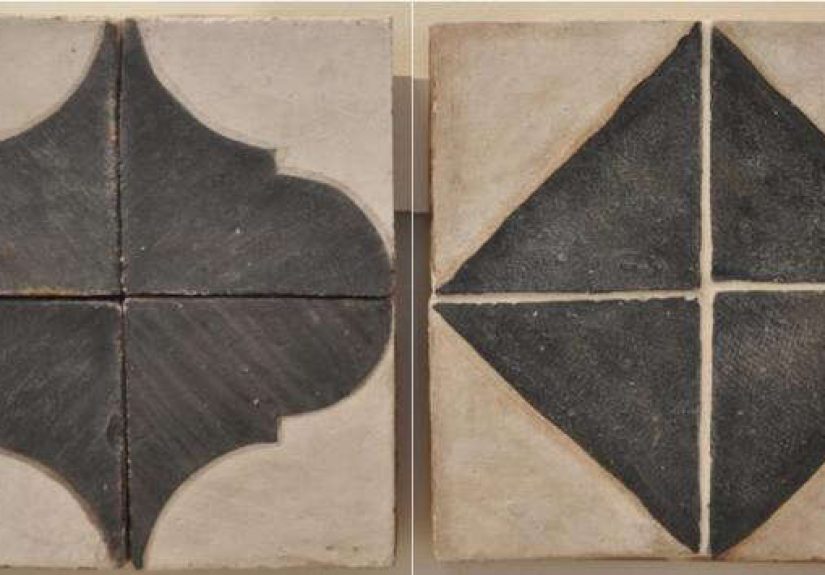
The design buzz around this topic comes from Filmore Clark’s presentation of Maison Artistry tile, a line admired for hand-painted terra-cotta surfaces and decorative patterns such as Arabesco, Toulouse, and Daisy. That matters because these are not anonymous background tiles. They carry visible brushwork, tonal movement, and the kind of handmade variation that designers spend years trying to fake with mass-market products.
Filmore Clark itself has long been associated with artisan-driven tile and a love for American-made surfaces, which helps explain why the Maison Collection resonated with design-minded homeowners in the first place. The overall look is warm, slightly old-world, artistic, and tactile. You do not just see it. You feel it. Even in photos, the surface gives off that “come closer and look at me” energy.
That handmade quality is the entire point. A Maison-style installation is not supposed to read as machine-perfect. Slight variation in color, edge, glaze, and pattern is part of the charm. For homeowners who want a room to feel collected rather than cookie-cutter, that is excellent news. For perfectionists who want every tile to look like it came out of a laboratory, this may require a little emotional growth.
Why This Tile Style Works So Well
It adds warmth to hard surfaces
Kitchens and bathrooms are full of practical materials: stone, quartz, glass, metal, and painted millwork. Those surfaces are durable, but they can also feel a little chilly. Maison-style tile softens that effect. Terra-cotta undertones, hand-painted detail, and subtle glaze variation bring warmth that balances sleek appliances, polished fixtures, and sharp cabinet lines.
It makes a space feel custom
A big reason people fall for artisan tile is that it instantly makes a room feel less generic. Even if the cabinetry is simple and the layout is fairly standard, a backsplash or wall treatment with painterly detail can make the whole project feel custom. You do not necessarily need a giant island or imported range to create a high-end impression. Sometimes the tile does the heavy lifting.
It bridges classic and current design
Maison-inspired surfaces sit in that sweet spot between old-world charm and modern restraint. They can work beautifully in Spanish revival interiors, European farmhouse kitchens, relaxed California spaces, traditional powder rooms, or even minimalist homes that need one grounded, soulful material. That flexibility is gold for homeowners who want something timeless but not boring.
How to Pair Maison Tile With the Right Countertop
This is where the design decisions get real. When you use a decorative, handmade tile, your countertop choice matters even more. The tile already brings movement, pattern, and visual texture. The countertop should usually either calm the room down or echo it very carefully.
Quartz for balance and low drama
If your Maison-style tile is the star, quartz is often the sensible co-star. A soft white, cream, sand, or light greige quartz countertop gives you a durable, low-maintenance surface that does not fight the tile for attention. It also suits busy households that want beauty without signing up for a long-term relationship with sealing schedules and panic over spaghetti sauce.
Quartz works especially well when the tile has strong patterning or color shifts. The more expressive the backsplash, the more helpful it is to keep the countertop clean, quiet, and consistent. Think of it as letting the tile wear the sequins while the countertop shows up in a tailored suit.
Natural stone for a layered, collected look
Granite, marble, quartzite, and soapstone can also pair beautifully with Maison-style tile, but they need a little more caution. Natural stone brings its own veining, movement, and personality. That can create a richly layered room, or it can create a visual traffic jam. The safest move is to choose stone with gentler movement when the tile is ornate, or use a simpler tile pattern if the stone is dramatic.
Marble can look especially gorgeous with hand-painted tile because both materials feel historic and luxurious. The catch, of course, is maintenance. Marble is porous and can etch from acidic spills. Granite and quartzite tend to be more forgiving, though they still require the right care. Soapstone offers a moody, grounded look that can be stunning beside warm tile, particularly in kitchens that lean rustic or European.
Tile countertops for decorative zones
Yes, tile countertops are still a thing, and yes, they can look fantastic when done well. But handmade or highly decorative tile is often better suited to lower-stress surfaces such as a bar top, laundry counter, powder room vanity, or accent ledge than the hardest-working prep area in a family kitchen. Why? Because grout lines, edge details, and variation all demand a little more patience in everyday use.
If you love the Maison look and want maximum impact with minimum maintenance stress, a backsplash or decorative wall is usually the smarter place to go all in.
Best Places to Use the Maison Look
Kitchen backsplash
This is the most obvious application, and for good reason. A backsplash lets you showcase pattern, glaze, and color without asking the material to survive direct knife work, sliding appliances, and every hot pan in the house. It is also one of the easiest ways to make an everyday kitchen feel editorial.
Bathroom walls and vanity surrounds
A powder room is practically begging for personality, and a Maison-inspired tile is an excellent way to give it some. Around a vanity, in a shower feature wall, or behind a freestanding tub, the effect can be elegant, slightly romantic, and deeply memorable. Bathrooms also benefit from the warmth and softness that handmade tile brings to all the hard finishes.
Butler’s pantries, coffee bars, and niche moments
Not every surface has to scream for attention in the main kitchen. Sometimes the best use of a special tile is in a smaller, jewel-box zone: a coffee station, butler’s pantry, wet bar, mudroom sink wall, or recessed shelf. These spaces are perfect for a little surface bravado.
Design Tips That Make the Pairing Look Expensive
Let one surface lead
If your tile has visible pattern or hand-painted detail, keep the countertop quieter. If your countertop has bold veining, simplify the tile. This one rule alone can save a project from looking overdesigned.
Use grout intentionally
Grout is not a minor detail. With artisan tile, grout color can shift the whole mood. A closely matched grout makes the field feel softer and more continuous. A contrasting grout outlines each tile and creates a stronger graphic effect. Neither is wrong; they simply tell different stories.
Bring cabinet samples to the decision
Tile, countertop, and cabinetry should never be chosen in isolation. Warm white cabinets can pull the cream tones from terra-cotta-based tile, while cooler whites can make those same tiles look richer and more grounded. Natural wood cabinets are often especially successful here because they echo the warmth of the handmade surface.
Do not ignore lighting
Handmade tile changes character depending on light. Morning light may emphasize texture. Evening light may deepen color and shadow. Under-cabinet lighting can make glaze variation shimmer beautifully. If you skip the lighting plan, you are leaving half the magic on the table.
Installation and Maintenance: The Real-Life Part Nobody Should Skip
Handmade tile is gorgeous, but it rewards realism. Variation in size and color is normal, and that means installation matters a lot. An experienced installer is not a luxury here; it is part of the material itself. Layout, spacing, cut placement, and edge treatment all affect whether the finished room looks collected and artisanal or simply uneven.
Maintenance also deserves honesty. Natural stone counters often need periodic sealing depending on the material. Quartz is easier to live with because it does not require sealing and generally cleans up with mild products. Stone surfaces do better with pH-neutral cleaners and a soft cloth, and harsh chemicals are a bad idea. The same goes for handmade tile and grout: gentle cleaning wins. Abrasive pads and acidic cleaners are a fast route to regret.
Terracotta and other handcrafted surfaces can also develop patina over time, which many homeowners love. That aging is not necessarily damage; often it is part of the appeal. The room begins to feel lived in rather than merely installed. If you want a finish that never changes, a highly controlled engineered surface may be the better fit. If you appreciate a home that gathers character, Maison-style tile has real appeal.
What Kind of Homeowner Loves This Look Most?
The Maison Collection at Filmore Clark is ideal for someone who values texture, craftsmanship, and personality over sterile perfection. It is for the homeowner who likes materials with a backstory, enjoys rooms that feel layered, and does not mind that true beauty sometimes comes with a bit of nuance. This is not the look for someone who wants every surface to disappear. It is the look for someone who wants the room to remember it has a soul.
It also works well for remodelers who are tired of the all-white, all-slab, all-identical formula. There is nothing wrong with a clean modern kitchen, but a handmade tile element can keep it from feeling anonymous. And in older homes, Maison-style surfaces can feel especially right because they respect the idea that architecture should have texture, history, and a little romance.
Experiences Related to “TIle & Countertop: Maison Collection at Filmore Clark”
One of the most interesting things about living with a Maison-style tile and countertop pairing is that the experience tends to get better after installation, not worse. That may sound suspiciously like something a tile enthusiast would say while standing too close to a backsplash sample board, but it is true. Many showroom materials look stunning for five minutes and then become visually invisible once real life starts. Handmade tile often does the opposite. You notice it more over time.
In a kitchen, the experience is usually less about “wow, that is expensive” and more about “wow, this room feels alive.” Morning light catches the glaze differently than afternoon light. The little shifts in tone stop a wall from looking flat. A simple white quartz countertop suddenly feels more intentional because it has something warm and textured to play against. Even coffee-making feels a bit more cinematic, which is a ridiculous design standard and yet somehow still a valid one.
Homeowners who choose this kind of surface often say it changes how the room feels emotionally. That sounds dramatic, but kitchens and baths are daily-use spaces. When those rooms feel layered and personal, the house feels more personal too. A Maison-inspired backsplash behind a range can make a straightforward kitchen feel collected instead of builder-basic. A vanity wall in hand-painted tile can turn a small powder room into the space guests remember most. There is something deeply satisfying about using an artistic material in a room that still has to survive toothpaste, tomato sauce, and Tuesday.
There is also a tactile pleasure to these surfaces that photos do not fully capture. Smooth quartz has its own appeal, but pairing it with a handmade tile gives the room contrast. Your eye reads the clean countertop as calm and practical, then lands on the tile and gets texture, movement, and craft. That contrast is what makes the whole room feel richer. Without it, an expensive kitchen can still feel oddly flat. With it, even a modest renovation can feel curated.
Of course, the experience is not just poetic sunlight and admiring glances from visitors. There are practical realities. Handmade tile asks you to appreciate variation. Grout asks you to care at least a little. Natural stone, if you choose it, may ask you not to treat red wine like a harmless decorative object. But for many homeowners, those trade-offs feel reasonable because the room gives something back every single day. It has character. It has depth. It does not feel like it was copied and pasted from a trend board that will expire by next spring.
Another thing people notice is how flexible the look can be. The same Maison-style tile can feel old-world with brass hardware, fresh with matte black fixtures, rustic with oak cabinetry, or quietly elegant beside pale painted millwork. That adaptability improves the long-term experience because the room does not trap you in one narrow style lane. You can update lighting, paint, stools, or accessories later without making the tile feel irrelevant.
In many ways, that is the real magic of the Maison Collection story at Filmore Clark. It is not only about a beautiful surface. It is about the experience of choosing materials that do more than function. They create atmosphere. They reward attention. They age with the home. And they prove that a countertop and a tile wall, when paired thoughtfully, can do much more than finish a room. They can give it an identity.
Final Thoughts
The appeal of “TIle & Countertop: Maison Collection at Filmore Clark” comes down to one big design truth: the best rooms are not built from expensive materials alone. They are built from the right relationships between materials. Maison-style tile brings art, warmth, and human variation. The right countertop brings balance, function, and visual breathing room. When those two surfaces are chosen with intention, the result feels elevated without becoming stiff, expressive without becoming chaotic, and timeless without feeling sleepy.
If you want a room with personality, this pairing offers a smart blueprint. Let the tile tell the story. Let the countertop support it. Keep the palette cohesive, the maintenance plan realistic, and the craftsmanship high. Do that, and you will not just have a pretty kitchen or bath. You will have a room people remember.