Table of Contents >> Show >> Hide
- Why Sage Needs Special Storage
- How to Store Fresh Sage in the Refrigerator
- Should You Store Sage on the Counter?
- How to Freeze Sage for Long-Term Storage
- How to Dry Sage for Long-Term Pantry Storage
- How to Store Dried Sage Properly
- How to Tell When Sage Has Gone Bad
- Best Storage Method by How You Use Sage
- The Bottom Line on Sage Storage
- Kitchen Experience: What Really Happens When You Store Sage at Home
- SEO Tags
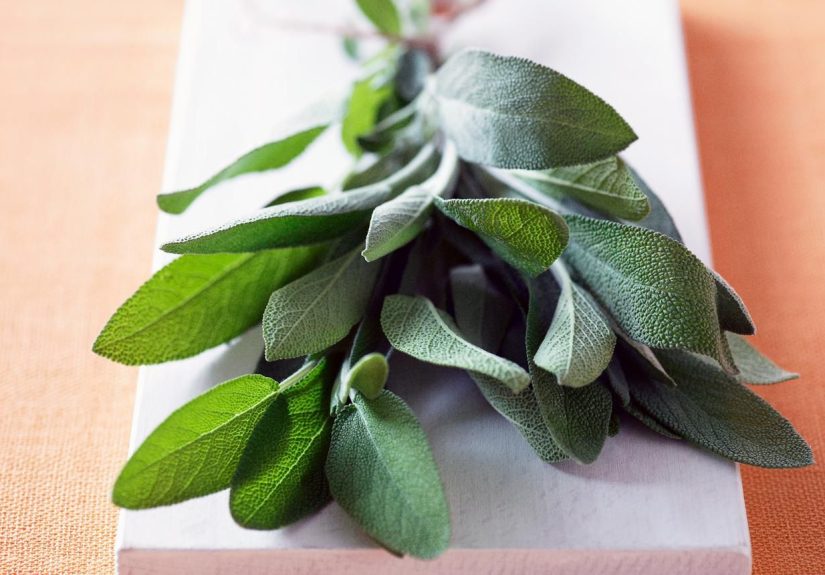
Sage is one of those herbs that shows up looking rugged, confident, and ready to season everything from brown butter pasta to Thanksgiving stuffing. Then, somehow, two days later it is slumped in the refrigerator like it just paid taxes. The good news is that sage is sturdier than delicate herbs such as cilantro or parsley. The even better news is that proper sage storage is not complicated. You do not need a gadget that looks like it belongs on a spaceship. You just need the right method for how soon you plan to use it.
If you store sage the right way, it stays aromatic, flavorful, and usable for much longer. If you store it the wrong way, you get limp leaves, mold, freezer burn, or dried sage that tastes like vaguely seasoned dust. This guide breaks down how to store fresh sage in the refrigerator, when to freeze it, how to dry it for long-term use, and the small mistakes that quietly ruin its flavor. Whether you grow sage in the garden or grab a bunch at the store, this is how to keep it tasting like sage instead of regret.
Why Sage Needs Special Storage
Sage is often described as a hardy herb, and that is true. Its leaves are thicker and less fragile than herbs with tender stems and soft leaves. But “hardy” does not mean “indestructible.” Sage still loses moisture after harvest, and its flavor compounds fade when the herb sits too long in heat, light, or excess humidity. That is why a bunch of beautiful fresh sage can go from woodsy and peppery to tired and musty faster than you expect.
Three things matter most in sage storage: temperature, moisture balance, and airflow. Fresh sage does best when it is kept cold, protected from drying out, but not trapped in a wet environment. Dried sage does best when it is kept away from light, air, heat, and moisture. Frozen sage keeps well for cooking, but it will not come out of the freezer looking glamorous. In other words, every storage method has a purpose, and choosing the right one depends on how you plan to use the herb.
How to Store Fresh Sage in the Refrigerator
If you want to use sage within the next several days, the refrigerator is your best friend. The goal is simple: keep the leaves cool and lightly humid without letting them sit wet. Too dry, and the leaves shrivel. Too damp, and mold starts auditioning for a starring role.
The best short-term method
Start by checking the sage bunch and removing any bruised, slimy, or yellowing leaves. Do not trap damaged leaves with healthy ones, because the sad leaves will bring the whole bunch down with them. If the sage looks visibly dirty, rinse it quickly and dry it very thoroughly. If it looks clean, many cooks prefer to wait and wash just before using it so extra moisture does not shorten storage life.
Next, wrap the sage loosely in a slightly damp paper towel. Not soaking. Not dripping. Just barely damp, like a paper towel that has a healthy respect for boundaries. Slide the wrapped sage into a loosely closed plastic bag or a zip-top bag left partly open. Then place it in the refrigerator, ideally in a crisper drawer or another cool area where it will not get crushed by a watermelon or yesterday’s pizza box.
This method helps the leaves stay supple while allowing enough airflow to reduce condensation. In most home kitchens, fresh sage stored this way will stay in good shape for several days, and sometimes close to a week if the bunch was very fresh to begin with and your refrigerator runs cold.
The jar method
Some people like storing herbs upright in a jar with a little water. That can work well for certain herbs, and sage can handle it for very short periods. If you use this method, trim the stem ends, place the stems in a small amount of water, and loosely tent the tops with a plastic bag before refrigerating. It is handy when you want easy access, but it can create extra moisture around the leaves. For sage, the damp-paper-towel method is usually more reliable.
Fresh sage storage mistakes to avoid
- Do not seal soaking-wet leaves in a bag. That is basically sending mold a formal invitation.
- Do not leave sage at room temperature for days unless you plan to dry it.
- Do not pack the herb tightly. Crushed leaves bruise faster and lose quality.
- Do not forget to check the bunch every day or two. Remove any leaves that start to spoil.
Should You Store Sage on the Counter?
For everyday kitchen use, countertop storage is fine only for a very short window. If you bought sage in the morning and plan to use it that night, leaving it out for a few hours is not a disaster. But sage is still a perishable herb. Once it is home, refrigeration is the smarter move for both quality and food safety, especially in a warm kitchen.
If your house is hot, your herb bunch came from a farmers market, or you are running errands before getting it into the refrigerator, use an insulated bag or get it chilled as soon as possible. Sage holds up better than basil in the cold, so there is no prize for making it suffer on the counter.
How to Freeze Sage for Long-Term Storage
If you have more sage than you can reasonably use this week, freezing is a great option. Frozen sage will not stay pretty enough for garnish, but it keeps flavor well for cooked dishes. That makes it perfect for soups, stuffing, roasted vegetables, beans, sausage dishes, savory breads, and compound butter.
Method 1: Tray-freeze whole leaves or sprigs
Wash the sage if needed, then dry it completely. Lay the leaves or small sprigs in a single layer on a tray or sheet pan. Freeze them until solid, then transfer them to a labeled freezer bag or airtight container. This keeps the leaves from freezing into one giant herb brick. You can grab a few at a time as needed, which is excellent for cooks who enjoy convenience and dislike wrestling with icy green clumps.
Method 2: Freeze chopped sage in oil or water
For ready-to-cook portions, chop the sage and place it in ice cube trays. Cover with a small amount of water or oil, then freeze. Once the cubes are solid, pop them out and store them in a freezer bag. Oil-based cubes are especially useful for sautéing and roasting. Water-based cubes are handy for soups and braises.
One important note: herbs mixed with oil should be frozen right away, not stored at room temperature. The freezer is where that mixture belongs.
Method 3: Freeze sturdy sage sprigs whole
Sage is one of the sturdier herbs that can sometimes be frozen right on the stalk. This method is as simple as washing, drying, packing, labeling, and freezing. It is low-effort and practical, especially if you harvested a lot from the garden and do not feel like chopping your way through an entire colander of leaves.
The trade-off with freezing is texture. Once thawed, sage becomes softer and darker. That is completely normal. Flavor remains useful, appearance just becomes less “food magazine” and more “home cook who actually knows what they are doing.”
How to Dry Sage for Long-Term Pantry Storage
Drying is one of the best ways to preserve sage because sage is a naturally sturdy herb. In fact, it is one of the easier herbs to air-dry successfully. If you love keeping a jar of home-dried sage for fall cooking, this is your moment.
When to dry sage
For the best flavor, harvest sage before or just as flower buds open, ideally in the morning after the dew has dried. That is when many herbs have strong essential oil concentration. Translation: better aroma, better flavor, and a much more satisfying jar of dried sage later.
Air-drying sage
Gather a few clean stems into small bundles and tie them together. Hang them upside down in a warm, dark, dry, well-ventilated place. Keep the bundles small enough for air to move through them. A giant bunch may look dramatic, but it also takes longer to dry and can trap moisture in the middle.
You can also lay leaves or small stems on a screen or rack in a single layer. Either way, the herb should dry fully before storage. Depending on humidity, that can take anywhere from several days to a couple of weeks. Sage is dry enough when the leaves feel crisp and crumble easily.
Other drying methods
You can also use a dehydrator or, in some cases, a microwave for very small batches. The key is gentle drying. Too much heat can reduce flavor. Slow and steady wins the herb race.
How to Store Dried Sage Properly
Drying sage is only half the job. Storage is what protects the flavor you worked to preserve. Once the leaves are completely dry, strip them from the stems and place them in an airtight container. Glass jars work especially well. Keep the jar in a cool, dark, dry place away from the stove, dishwasher steam, sunny windows, and the general chaos of kitchen heat.
For the best flavor, store dried sage as whole leaves rather than crushing it all at once. Crushing releases aromatic oils, which is great when you are cooking and less great when the herb is supposed to sit on a shelf for months. Crush just before using when possible.
Label the container with the name and date. Dried sage may remain usable for many months, often up to about six months to one year depending on conditions, but flavor is strongest when the herb is fresh-dried and stored well. If the jar smells weak when opened, your stuffing will probably agree.
How to Tell When Sage Has Gone Bad
Fresh sage should smell fragrant and herbal, not sour, swampy, or funky. Toss it if you see visible mold, slimy leaves, extensive blackening, or an off odor. A few dry edges are not necessarily a crisis, but mushiness definitely is.
Dried sage should smell strong when rubbed between your fingers. If it has little aroma, faded color, or signs of moisture in the jar, it is past its prime. If condensation appears in the container, the herb was not dry enough before storage. At that point, quality is compromised and mold risk increases.
Frozen sage can last a long time, but freezer burn and flavor loss eventually show up. If the leaves are heavily frosted, grayish, or almost scentless, it is time to retire them with dignity.
Best Storage Method by How You Use Sage
For weeknight cooking
Keep fresh sage in the refrigerator, wrapped in a slightly damp paper towel inside a loose bag. This is the best choice for pasta, roasted chicken, beans, or quick pan sauces over the next few days.
For holiday prep
Freeze sage in measured portions so it is ready for stuffing, casseroles, and gravy. Future you will feel annoyingly proud of this decision.
For pantry convenience
Dry sage and store it whole in airtight jars. This works especially well if you grow sage at home and want a shelf-stable supply for months.
For finishing dishes
Use fresh refrigerated sage whenever possible. Crisp fried sage leaves, for example, are dramatically better from fresh leaves than frozen ones.
The Bottom Line on Sage Storage
The best way to keep sage fresh and flavorful is to match the storage method to your timeline. For short-term use, refrigerate it with light moisture protection and airflow. For longer storage, freeze it in leaves, sprigs, or cubes. For pantry-ready convenience, dry it thoroughly and protect it from heat, light, air, and moisture.
Sage may be a humble herb, but it pulls serious weight in the kitchen. Treat it well, and it rewards you with earthy, savory flavor that can transform simple food into something that tastes intentional. Ignore it, and it becomes refrigerator confetti. The choice, thankfully, is easy.
Kitchen Experience: What Really Happens When You Store Sage at Home
In real kitchens, sage storage is not just about textbook rules. It is about what happens on a Wednesday when you buy a bunch for one recipe, use six leaves, and then forget about the rest behind a carton of eggs. I have seen sage survive surprisingly well when wrapped gently in a barely damp paper towel and tucked into a loose bag. I have also seen it collapse spectacularly when it was rinsed, left too wet, and sealed up like it was going on a submarine mission. The difference was not fancy technique. It was moisture control.
One of the most useful things I learned from storing sage repeatedly is that this herb gives you warning signs before it completely fails. It does not usually go from perfect to disgusting in one dramatic moment. First, the leaves soften a little. Then the edges darken. The aroma gets quieter. If you catch it at that stage, you can still chop it into a sauce, stir it into browned butter, or freeze it for cooked dishes. If you wait another few days, the bunch turns into a damp, spotted bundle that looks like it lost a fight with the crisper drawer.
Freezing sage has also been a lifesaver, especially around the holidays. Fresh sage is wonderful, but the week before a big meal is not when most people want to make a last-minute herb run. Freezing whole leaves on a tray works well because you can take exactly what you need without defrosting the entire batch. The leaves are not beautiful after thawing, but they are excellent in stuffing, gravy, and roasted vegetables. In cooked dishes, flavor matters far more than appearance, and frozen sage still brings that warm, woodsy note people love.
Drying sage is probably the most satisfying method if you grow it yourself. There is something old-school and deeply practical about clipping stems, tying them into small bunches, and letting them dry in a dark, airy spot. The kitchen starts to smell faintly like a holiday table. Once dry, the leaves crumble easily and store beautifully. The trick is patience. If you jar them too early, even a little trapped moisture can ruin the batch. If you wait until they are fully crisp, the payoff is a jar of sage that actually smells like something when you open it months later.
What surprises many home cooks is that dried sage is not a backup plan. It is just a different tool. Fresh sage is brighter and more assertive for frying or finishing. Dried sage is deeper, softer, and often better in long-cooked dishes. That means smart storage is not only about keeping sage alive. It is about giving yourself options. A fresh bunch in the fridge, a bag in the freezer, and a small jar in the pantry can cover almost every recipe without waste.
So yes, sage storage matters. Not because herbs are precious in a dramatic way, but because good ingredients deserve a little respect. And because buying the same herb three times in one week due to preventable spoilage is a character-building experience that nobody asked for.