Table of Contents >> Show >> Hide
- Meet Randy Marsh, the Dad Who Accidentally Became the Main Event
- How the Randy Shrine Went Viral (and Why “Perfected” Matters)
- Inside the Shrine: What a “Complete” Randy Collection Looks Like
- Why Randy? A Love Letter to the Messiest Man in Colorado
- Fandom Shrines Aren’t NewThe Internet Just Finally Made Them Loud
- How to Build a Shrine Without Accidentally Becoming a South Park Plot
- What the Randy Shrine Says About South Park’s Staying Power
- Conclusion: Perfecting the Shrine, Perfecting the Bit
- Experiences: What It Feels Like to “Live With” a Randy Marsh Shrine (and Why Fans Keep Building Them)
Most of us have a “collection.” A couple of t-shirts. Maybe a poster you swear you’ll frame “someday.” A Funko Pop that stares into your soul from the top of the bookshelf like a tiny, judgmental landlord.
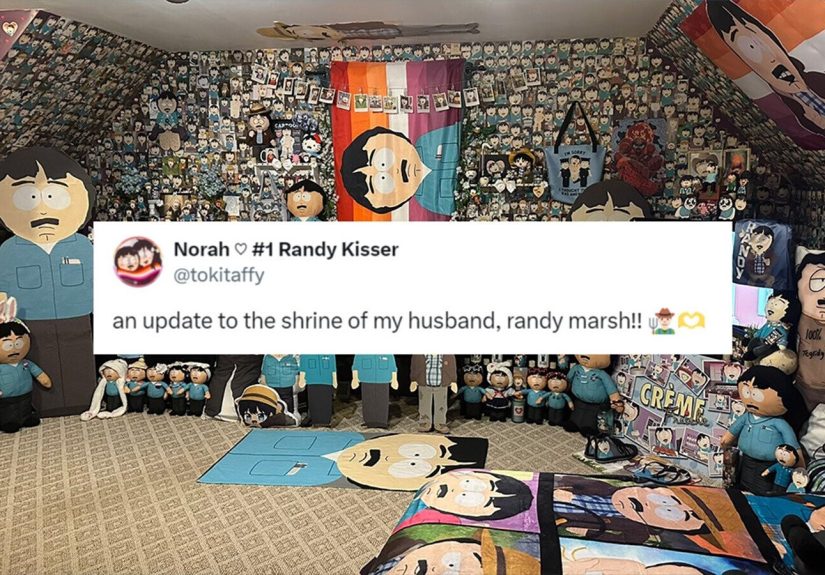
And then there’s Norahan artist from Michigan who decided that “some merch” wasn’t going to cut it. She built a full-on Randy Marsh room: a carefully curated, color-coordinated, wall-to-wall tribute to South Park’s most chaotic dad. Not a shelf. Not a corner. A shrine. A museum. A temple of tegridy. And in July 2024, she posted an update announcing she’d reorganized and “perfected” it.
If you’re thinking, “This is either iconic or concerning,” congratulations: you have the exact same thought process as the internet. The difference is that Norah has receipts. Plushies. Cutouts. Sheets. Flags. So many Randy images that if Randy Marsh ever needed an alibi, her bedroom could testify in court.
Meet Randy Marsh, the Dad Who Accidentally Became the Main Event
Randy Marsh didn’t start out as the Randy Marsh. Early South Park treated him like “generic adult male with a job,” the kind of character whose biggest emotional arc is “coffee got cold.” But over time, Randy evolved into a walking disaster generatorequal parts midlife crisis, moral panic, and “I have a new hobby that will ruin the family finances.”
The show has always had the kids as its core, but Randy became a kind of mirror for adulthood: the frantic fads, the overconfidence, the urge to make every problem worse by insisting you’re solving it. That’s why a Randy episode can swing from “sweet family moments” to “what are you doing with your life, sir?” in about twelve seconds.
Randy’s greatest hits (and greatest emotional property damage)
- “Lorde” Randy: The show’s commitment to a bit is legendary, and Randy secretly being pop star Lorde is one of those bits that’s so absurd it becomes art.
- Food Network Randy: When Randy discovers cooking shows, he behaves like a man who just learned fire exists. He’s all in. Too in.
- Tegridy Farms Randy: The move to the country and the marijuana business turns Randy into a brand-obsessed entrepreneur who says “tegridy” like it’s a moral philosophy.
- Sports Dad Randy: Randy at a little league game is a reminder that some adults should be issued a juice box and a nap instead of authority.
In other words: Randy is a character with range. He can be caring, delusional, inspired, selfish, hilariously wrong, and occasionally right for the worst reasons. That messy complexity is exactly why he attracts diehard fans. And why someone would want a shrine that captures every Randy: geologist Randy, Lorde Randy, Tegridy Randy, “I will fight Bat Dad” Randy, and “I’m definitely the hero of this story” Randy.
How the Randy Shrine Went Viral (and Why “Perfected” Matters)
Norah’s Randy room didn’t appear overnightthough it moved at an internet speed that makes your last Amazon order look like it was shipped by carrier pigeon. She reportedly started watching South Park in 2022, then binge-watched seasons with the determination of someone studying for the world’s strangest final exam: “Advanced Marsh-ology, 301.”
Her first viral moment came when people saw that this wasn’t casual fandom. This was devotion with a floor plan. She collected official items, hunted down unofficial goods, and made pieces herself. She also leaned into the bit with a level of comedic commitment Randy would respect: she refers to herself as Randy’s wife, and her social posts playfully frame the shrine as a home for her “husband.” That theatrical framing is part of what makes the whole thing feel less like “hoarding” and more like “performance art, but with pillows.”
By July 2024, Norah posted an update showing that the room had been reorganized and expandedless “prototype” and more “exhibit opening night.” She wasn’t just collecting; she was curating. And that’s the key difference between a pile of stuff and a shrine: a shrine tells a story.
Inside the Shrine: What a “Complete” Randy Collection Looks Like
The updated shrine is a sensory overload in the most intentional way. Photos and prints cover large swaths of wall space. Randy appears in different eras of the show, different outfits, different expressionsserene Randy, unhinged Randy, “I have a business plan that will ruin us” Randy. There are plushies (including large ones that collectors note can be pricey and hard to find), toys, cardboard cutouts, bed sheets, pillows, and a mix of fan art and official imagery.
What makes the shrine feel “perfected” is the organization. Instead of everything competing for attention, the updated room feels like it has zones: places where your eyes land, then travel, then land againlike a gallery that just happens to be dedicated to a fictional man who once tried to solve his problems by screaming louder than everyone else.
Curating a character with a thousand versions
Randy’s been a geologist, a musician, a farmer, and a full-time cautionary tale. A “perfected” shrine has to handle that shape-shifting identity. The collection becomes a visual timeline: early seasons Randy (more grounded), middle-era Randy (becoming the comedic engine), and modern Randy (Tegridy-branded chaos with a side of family drama).
In a weird way, it’s a character studyjust done with textiles and wall art instead of an English class essay. Which, honestly, is how more essays should be written.
Why Randy? A Love Letter to the Messiest Man in Colorado
If you asked ten South Park fans to explain Randy’s appeal, you’d get twelve answers and at least one person yelling “I THOUGHT THIS WAS AMERICA!” (And they’d be right to do so.)
Randy’s funny because he’s recognizablenot because we’re all exactly like him, but because we’ve all met a Randy. The adult who gets obsessed with a new thing and insists it’s the future. The person who thinks their personal desire is a public mission. The guy who mistakes confidence for competence and then doubles down when reality disagrees.
But Randy is also weirdly human. He loves his family, even when he’s driving them nuts. He tries, even when his trying looks suspiciously like making everything worse. He’s a satire vehicle, yesbut he’s also a character whose decisions are rooted in very real adult impulses: anxiety, ego, shame, boredom, ambition, and the deep American urge to turn a hobby into a brand.
Randy as a symbol of modern fandom
Randy isn’t the “cool” choice the way Cartman’s villainy or Kenny’s immortality can be. Loving Randy is loving the show’s long-term evolution. It’s appreciating that South Park didn’t stay frozen in its early formula; it let its adults become just as ridiculous (and occasionally more central) than the kids. A Randy shrine is, in its own strange way, a celebration of longevityof a character who grew with the show and, for many fans, grew with them.
Fandom Shrines Aren’t NewThe Internet Just Finally Made Them Loud
Shrines have existed as long as humans have had shelves. People used to keep scrapbook collages of celebrities; now they build full rooms for fictional dads with questionable decision-making skills. The difference is visibility. Social platforms turned personal collections into public galleries, where strangers can applaud, roast, or ask, “Where did you even find that?”
And collecting itself has psychology behind it. Many collectors describe the satisfaction of identifying, arranging, and completing setsthe sense that your interests become something tangible you can build, refine, and share. Add nostalgia to the mix, plus the comfort of returning to a familiar show, and you’ve got a recipe for devotion that can be surprisingly joyful.
Norah’s shrine landed in that sweet spot where fandom becomes a creative project. It’s not just “I like this character.” It’s “I made an environment that reflects how I like this character,” which is a totally different level of artistry.
How to Build a Shrine Without Accidentally Becoming a South Park Plot
Let’s say Norah’s Randy room inspires you. Maybe not to wallpaper your entire home (your landlord is breathing into a paper bag right now), but to make a fun, intentional collection space. Here’s how to do it like a curator, not like a tornado with a credit card.
1) Pick a theme inside the theme
“Randy Marsh” is a theme. “Tegridy Farms Randy” is a sharper theme. “Lorde Randy” is a theme that will make your guests ask questions you can’t answer without playing a clip. Smaller themes make the collection feel designed instead of accidental.
2) Mix official merch with fan-made pieces
Official items give a collection credibility; fan-made pieces give it personality. Prints, handmade crafts, and custom art make the shrine feel like you, not just a store display.
3) Organize by visual rhythm, not just “where it fits”
The jump from “collection” to “shrine” is layout. Think in clusters. Leave breathing room. Create focal points. The goal is to guide the eye, not overwhelm it (unless “overwhelm” is the pointRandy would respect that too).
4) Set boundaries you actually like
A shrine should add joy, not stress. Budget boundaries matter. Space boundaries matter. Social boundaries matter tooif you share it online, the comment section will do what it does. Curate your experience the way you curate your room.
What the Randy Shrine Says About South Park’s Staying Power
South Park has been on the air since the late 1990s, which means it’s outlived countless trends, platforms, and at least three different ways of watching TV that felt “permanent” at the time. The show’s ability to keep evolvingstructurally, culturally, and through characters like Randyis part of why a young fan can discover it decades later and still feel like it’s speaking their language.
Randy’s evolution also reflects something bigger: as audiences age, they often latch onto different characters. The kids are still the kids, but Randy captures adult chaos in a way that’s endlessly remixable. Whether he’s chasing a new identity, building a brand, or pretending he’s the voice of reason while being the loudest person in the room, he’s a character built for rewatchingand for collecting.
Conclusion: Perfecting the Shrine, Perfecting the Bit
Norah’s “perfected” Randy Marsh shrine is funny, impressive, and oddly sweet. It’s a love letter to a character who embodies the show’s long-running ability to turn modern life into absurd comedy. It’s also a reminder that fandom doesn’t have to be quiet to be meaningful. Sometimes it can be a room, a project, and a punchlineall at once.
And if you’re tempted to judge it, remember: South Park has been daring people to take jokes seriously for decades. Norah just flipped the script. She took her joy seriouslyand made it hilarious.
Experiences: What It Feels Like to “Live With” a Randy Marsh Shrine (and Why Fans Keep Building Them)
The funny thing about a shrine is that it changes the way you experience a character. Randy Marsh isn’t just someone you see on-screen for 22 minutes; he becomes a presence in the background of your everyday lifelike a roommate who never pays rent but always shows up in your peripheral vision with a dramatic expression that says, “I have an idea,” which is rarely comforting when the person is Randy.
For many fans, the first “shrine moment” starts small: you buy one item because it makes you laugh. A sticker. A print. A plush. Then you catch yourself thinking in categories. Oh, this is Tegridy Randy. This is ‘Lorde’ Randy. This is ‘dad at a sporting event who should not be in public’ Randy. Suddenly, you’re not just collecting objectsyou’re collecting versions of a character, like you’re building a visual anthology of his worst decisions.
The hunt becomes its own experience. You learn which items are easy to find and which ones require patience, luck, or a willingness to scroll through listings that look like they were photographed inside a toaster. You start recognizing bootlegs, fan prints, and “official-looking” products that are clearly not official unless Comedy Central has quietly partnered with someone’s basement printer. You discover that handmade items can feel more special than store-bought ones because they’re proof that other humans also looked at Randy Marsh and thought, Yes. This. This is worth making art about.
Then comes the most satisfying part: reorganizing. Anyone can accumulate. Curating is different. Reorganizing a shrine feels like editing a story. You move one piece and suddenly the room reads differently. A wall of prints stops being “a lot” and becomes “a timeline.” A cluster of plushies becomes a display instead of a pile. You add a focal pointmaybe a large cutout or a favorite imageand the whole space starts to feel intentional. It’s the same dopamine hit people get from finishing a puzzle, except the puzzle is “Randy Marsh’s face in 47 different moods.”
There’s also a social experience to it, even if the room is private. If you share it online, you get instant feedbacksome of it enthusiastic, some of it baffled, and some of it from people who act like liking anything too much is a crime. But the best reactions are from other fans who recognize what the shrine really is: a personal project made visible. People swap episode references, suggest missing items (“You need this version of Randy”), and turn the comment section into a mini fan convention with fewer line waits and more unhinged jokes.
And even if you never post a photo, the shrine still functions as a comfort object. It’s a physical reminder of a story you love, a joke you return to, a character you understand. On a stressful day, the room can feel like a private laugh track. On a boring day, it’s a creative spark: you can add, edit, rearrange, improve. The shrine is never truly “done,” which is part of the appealbecause fandom isn’t static either.
The most telling experience, though, is the moment you realize the shrine isn’t really about Randy Marsh as a fictional man. It’s about what Randy represents to the fan: the humor that got them through a rough patch, the show they discovered at the perfect time, the joy of committing to a bit, the pleasure of building something purely because it makes them happy. That’s why the best shrineslike Norah’sdon’t feel empty. They feel personal. They feel alive. They feel, dare we say it, full of tegridy.