Table of Contents >> Show >> Hide
- Introduction: Where the Story Begins
- The River as America’s Original Highway
- Wood: Tool, Shelter, Craft, and Character
- When Wood Belongs in the River
- Logging History: Progress With a Price Tag
- The Watershed View: Everything Is Connected
- Modern Restoration: Giving the River Its Tools Back
- The Man in the Story: From User to Steward
- Specific Examples That Bring the Theme to Life
- Woodworking Wisdom for River Thinking
- Why This Topic Still Matters
- Experiences Related to The Man, the Wood, and the River
- Conclusion: A Better Way to Stand Beside the Water
Note: This article is a fresh, original synthesis based on real U.S. information about river ecology, logging history, watershed health, large wood restoration, and sustainable craftsmanship.
Introduction: Where the Story Begins
Put a man beside a river, hand him a piece of wood, and you have the beginning of civilizationor at least the beginning of a very serious afternoon. Long before people measured productivity in spreadsheets and coffee refills, they measured survival in timber, current, shelter, boats, bridges, tools, and firewood. The river carried water, food, trade, stories, and occasionally someone’s poorly tied log raft. The wood became a canoe, a cabin beam, a table, a fence post, or a memory polished smooth by years of use.
The Man, the Wood, and the River is more than a poetic title. It is a way to understand how humans have worked with nature, against nature, andwhen wisdom finally shows up wearing muddy bootsalongside nature. In American history, rivers powered towns, moved timber, supported fisheries, and shaped the growth of communities. Wood built homes, barns, boats, mills, and dreams. Together, wood and rivers formed a practical partnership that could be beautiful, destructive, restorative, and sometimes hilariously stubborn.
Today, that relationship is being reexamined. Scientists, restoration crews, Indigenous communities, foresters, conservationists, and craftspeople are asking a better question: not simply “What can we take from the river and forest?” but “How do we live well with them?” That is where the story gets interesting.
The River as America’s Original Highway
Before interstates stitched the country together, rivers did the heavy lifting. The Mississippi, Hudson, Columbia, St. Croix, Penobscot, Klamath, and countless smaller waterways carried people, goods, timber, fish, and ideas. Rivers were roads that moved, which is convenient until you drop your hat in one and discover it has travel plans.
In the 19th and early 20th centuries, timber companies relied heavily on rivers to move logs from forests to sawmills. In places like the St. Croix River watershed, logging was not just an industry; it was the operating system of settlement. Trees were cut in winter, stacked along frozen banks, and released during spring melts. The current became a conveyor belt, pushing white pine and other timber downstream toward mills and markets.
This was efficient, dramatic, and occasionally chaotic. Log drives required skill, nerve, and a healthy respect for cold water. River drivers worked with poles, boots, balance, and the kind of courage that makes modern workplace safety posters quietly faint. A single jam could block a river, creating dangerous pressure and forcing workers to break it apart. The work helped build America, but it also changed river systems in ways that would echo for generations.
Wood: Tool, Shelter, Craft, and Character
Wood is one of humanity’s oldest companions. It is strong but workable, practical but beautiful, common but never boring. Oak behaves differently from cedar. Pine has a different personality than walnut. Driftwood carries scars like an old storyteller. A plank cut from a tree is not just material; it is a record of seasons, droughts, storms, soil, sunlight, and time.
For the craftsman, wood demands patience. Rush it, and it splits. Ignore the grain, and it argues back. Sand it carefully, and it rewards you with warmth no plastic can imitate. This is why woodworking remains popular even in a world full of synthetic materials. A handmade table, canoe paddle, chair, or carved bowl feels human because it preserves the touch of the maker.
The best woodworkers understand something river ecologists also know: structure matters. A river needs bends, pools, riffles, floodplains, trees, roots, and woody debris. A piece of furniture needs joinery, balance, tension, proportion, and finish. Both systems fail when forced into lifeless straight lines. Nature is rarely impressed by our obsession with perfect rectangles.
When Wood Belongs in the River
For many years, people treated fallen trees in rivers as messy obstacles. Crews removed logs to improve navigation, reduce perceived flood risk, or make streams look “clean.” The problem is that a spotless stream is often not a healthy stream. Nature does not decorate like a hotel lobby. A healthy river corridor may look tangled, woody, shaded, and alive.
Large wood in rivers plays a major ecological role. Fallen trunks and root wads slow water, create pools, trap sediment, provide cover for fish, protect streambanks, and help reconnect rivers with floodplains. In salmon streams, large wood can create the sheltered habitat young fish need to rest, feed, and survive high flows. In mountain streams, wood can help rebuild complexity where past logging, road building, channel straightening, or development simplified the river.
Modern river restoration often uses engineered log jams and carefully placed woody structures to imitate natural processes. These projects are not random “throw a tree in and hope for the best” experiments. They require hydrology, engineering, biology, permitting, local knowledge, and enough humility to admit that rivers have been doing river design longer than humans have been arguing about zoning.
Logging History: Progress With a Price Tag
America’s logging history is complicated. Timber helped build towns, railroads, ships, homes, furniture, mines, farms, and industries. It created jobs and shaped regional identities from Maine to Michigan to Minnesota to the Pacific Northwest. But large-scale logging also stripped hillsides, altered stream temperatures, increased erosion, damaged fish habitat, and left some watersheds struggling for decades.
In places such as Pictured Rocks in Michigan and the St. Croix watershed in Wisconsin and Minnesota, National Park Service histories show how logging transformed forests and rivers. The work brought economic growth, but the ecological costs were real. Forest removal changed runoff patterns. Stream channels lost shade and structure. Sediment washed into waterways. Fish and wildlife habitat suffered.
This does not mean the story is simply “logging bad, trees good.” That is too flat, like a pancake with no butter and no ambition. The better lesson is that extraction without restoration creates debt. When forests are treated only as inventory and rivers only as transport lanes, both eventually send the bill. Sustainable forestry, riparian buffers, careful road placement, habitat restoration, and long-term watershed planning are ways of paying attention before the invoice becomes painful.
The Watershed View: Everything Is Connected
A river is not just the water you see. It is the entire watershed: forests, hillsides, wetlands, farms, towns, roads, soils, floodplains, springs, tributaries, and storm drains. Rainfall does not politely ask where the property line is. It moves downhill, carrying soil, nutrients, pollutants, leaves, branches, and whatever else humans forgot to secure.
Healthy watersheds protect water quality, support wildlife, reduce flood damage, recharge groundwater, and provide recreation. Riparian foreststhe green ribbons of trees and plants along streamsare especially important. They shade water, stabilize banks, filter runoff, drop leaves and insects into the food web, and eventually contribute wood back to the channel. In other words, the forest feeds the river, and the river feeds the life around it.
This is why restoration work often focuses not only on the stream channel but also on floodplains and surrounding land. Reconnecting a river to its floodplain can slow floodwaters, store sediment, improve habitat, and create more resilient landscapes. A river trapped between hard banks may move water quickly, but speed is not always success. Sometimes the healthiest river is the one allowed to breathe sideways.
Modern Restoration: Giving the River Its Tools Back
Across the United States, restoration projects are bringing wood, floodplains, wetlands, and natural complexity back into damaged waterways. NOAA-supported projects have used habitat restoration to improve conditions for salmon and other fish. U.S. Fish & Wildlife Service projects have installed woody structures to slow water, reconnect floodplains, and reduce sediment pollution. Tribal-led restoration efforts in the Pacific Northwest have used engineered log jams to rebuild salmon habitat and revive river processes.
The Klamath River has become one of the most visible examples of large-scale river restoration. After decades of advocacy, dam removal opened the door for ecological recovery, salmon migration, and renewed cultural connection for Indigenous communities. Restoration is not instant magic. Rivers do not heal like someone clicked “undo.” But when barriers are removed, habitat is rebuilt, and native plants return, rivers often show a remarkable ability to respond.
In the Hudson River, long-term cleanup and conservation work show another side of restoration: repairing industrial damage while reconnecting people to a waterway central to American history. The river that once carried commerce and pollution is also a place of wildlife recovery, recreation, and cultural memory. The lesson is clear: rivers can recover, but they require attention, science, investment, and public will.
The Man in the Story: From User to Steward
The “man” in The Man, the Wood, and the River does not have to be one person. He can be a logger, a carpenter, a boatbuilder, a fisherman, a conservation worker, a tribal elder, a scientist, a farmer, a weekend paddler, or a kid skipping stones with Olympic-level confidence. He represents humanity standing at the edge of the water, deciding what kind of relationship comes next.
In the old model, people often saw nature as a warehouse. Forests held lumber. Rivers moved products. Wetlands were land waiting to be “improved.” The new model is more mature. It sees nature as infrastructure, teacher, partner, and inheritance. A standing forest is not unused land. A messy riverbank is not wasted space. A fallen tree in a stream is not always a problem to remove. Often, it is habitat under construction.
This shift matters because climate change, flooding, drought, wildfire, habitat loss, and development pressure are making watershed health more urgent. Restoring natural systems is not just about saving fish, though fish are excellent neighbors and rarely complain about property taxes. It is about protecting communities, drinking water, biodiversity, recreation, and the landscapes that give places their identity.
Specific Examples That Bring the Theme to Life
1. The St. Croix River and the Logging Era
The St. Croix watershed offers a classic example of how wood and river shaped regional growth. Logs were cut, banked, floated, sorted, and milled through a river-based timber economy. Today, the St. Croix is also protected and valued for scenery, recreation, and ecological importance. Its story shows how a river can be both an industrial corridor and a natural treasure, depending on how people treat it.
2. Salmon Streams and Engineered Log Jams
In Pacific Northwest salmon habitat projects, large wood is often used to rebuild complexity. Engineered log jams can create pools, slow currents, sort gravel, and provide shelter for juvenile fish. For salmon, a plain, fast, simplified channel is like a neighborhood with no trees, no porches, and no grocery store. Add structure, shade, and refuge, and life has a better chance.
3. Floodplain Reforestation in the Mississippi Delta
Floodplain reforestation efforts in the Mississippi Delta highlight the value of putting trees back where floods naturally happen. Restored floodplain forests can store water, improve habitat, capture carbon, reduce erosion, and help landowners manage flood-prone areas more wisely. It is not about defeating the river; it is about giving the river room to do river things without turning every storm into a neighborhood drama.
4. The Hudson River’s Recovery Story
The Hudson River shows how cleanup, science, public engagement, and long-term conservation can change a waterway’s future. It remains a working river, a historic river, and a recovering ecosystem. Its story reminds us that restoration is not nostalgia. It is practical repair.
Woodworking Wisdom for River Thinking
A good woodworker studies the grain before making a cut. A good river manager studies the watershed before making a plan. That shared wisdom may be the heart of this topic. You cannot force wood to become anything you imagine without respecting its nature. You cannot force a river into permanent obedience without consequences.
Wood teaches patience. Rivers teach movement. Together, they teach adaptation. The craftsperson who builds a canoe understands both. The boat must be shaped from wood, but it must answer to water. Too heavy, and it drags. Too weak, and it fails. Too careless, and you learn humility somewhere around the first bend.
Even furniture carries this lesson. A table made from reclaimed river wood or responsibly harvested timber connects domestic life to landscape. It brings the forest into the home, not as decoration alone, but as memory. Every knot and line says, “I was alive before I was useful.” That is a sentence worth keeping around.
Why This Topic Still Matters
The relationship between man, wood, and river matters because it sits at the intersection of culture, ecology, economy, and identity. People still need wood products. Communities still depend on rivers. Fish still need habitat. Forests still need responsible management. The challenge is not to stop using natural resources altogether; it is to use them with intelligence, restraint, and repair.
That means choosing sustainable wood when possible. It means protecting riparian buffers. It means supporting restoration projects that reconnect floodplains, improve fish passage, and restore large wood where appropriate. It means understanding that a river is not a drainage ditch with better scenery. It is a living system.
For homeowners, this can be as simple as planting native trees near streams, reducing chemical runoff, using rain gardens, keeping litter out of waterways, or buying wood from responsible sources. For communities, it means smarter land-use planning, better stormwater systems, conservation easements, and investment in green infrastructure. For policymakers, it means treating watershed protection as public safety, not a luxury hobby for people who own binoculars.
Experiences Related to The Man, the Wood, and the River
To understand this topic fully, imagine walking along a quiet river at sunrise. The air is cool, the bank is damp, and a fallen cottonwood leans into the current like it has been thinking about something for a hundred years. At first glance, the tree looks like debris. Step closer, and the scene changes. Small fish gather in the slow water behind the trunk. Insects cling to wet bark. Sediment settles in a protected pocket. Roots hold the bank in place. Birds move through the branches above. What looked like a mess is actually a neighborhood.
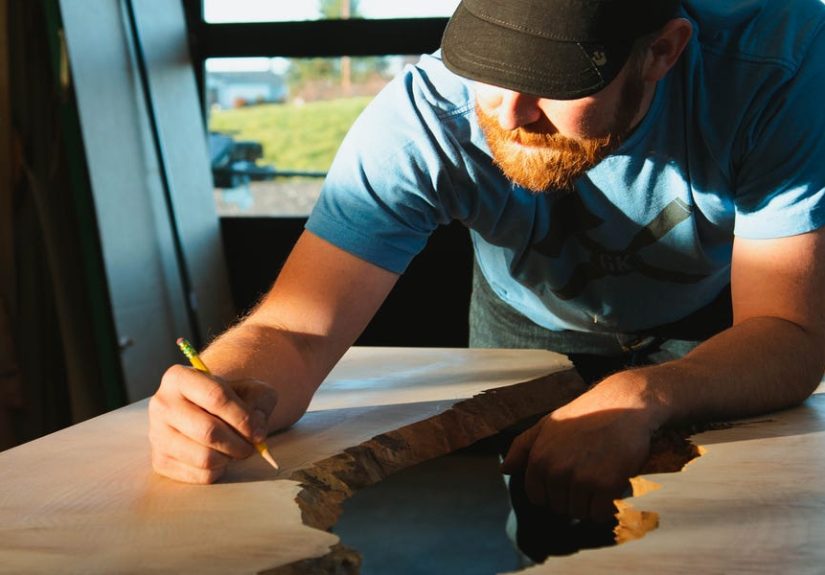
Now imagine a man in a small woodworking shop not far from that river. On his bench lies a slab of maple, oak, or walnut. He runs his hand across the grain before cutting. He notices where the wood wants to split, where it curves, where the knots interrupt the pattern. The amateur sees flaws. The craftsman sees instructions. He knows the finished piece will be stronger and more beautiful if he works with the wood rather than bullying it into submission.
The river teaches the same lesson, only louder and wetter. People who spend time near rivers quickly learn that control has limits. A river rises after rain. It shifts gravel. It undercuts banks. It drops branches. It floods low ground that, frankly, should not have been turned into a parking lot in the first place. The wise response is not panic or domination. The wise response is design that respects movement.
Many outdoor experiences make this clear. A canoe trip through a wooded river corridor shows how shade cools the water and how fallen trees create quiet pockets where fish hide. A hike after a storm reveals how intact floodplains absorb water while paved landscapes send runoff rushing downstream. A visit to a restored stream shows that habitat can return when people stop treating every natural feature as a maintenance problem.
Even the smell of cut wood can carry the story. Cedar smells sharp and clean. Pine smells bright and resinous. Oak smells earthy and serious, like it has opinions about mortgage rates. These scents connect us to forests, and forests connect us to rivers. The board in a workshop and the log in a stream are different chapters of the same book.
The most meaningful experience may be the moment a person realizes that stewardship is not abstract. It is physical. It is planting a tree, choosing better materials, cleaning a streambank, supporting restoration, building something that lasts, or teaching a child why a fallen log belongs where it is. The man, the wood, and the river are not separate characters after all. They are part of one relationship. When that relationship is careless, landscapes suffer. When it is respectful, both people and rivers gain a future worth inheriting.
Conclusion: A Better Way to Stand Beside the Water
The Man, the Wood, and the River is a story about use, damage, learning, and repair. It reminds us that wood is not merely material, rivers are not merely channels, and people are not merely consumers. The best future is not one where humans disappear from the landscape. It is one where we become better participants.
America’s rivers have carried logs, boats, trade, waste, songs, salmon, sorrow, and renewal. Its forests have given timber, shade, habitat, fuel, craft, and beauty. The next chapter depends on whether we can combine old skills with new science: the patience of the woodworker, the memory of the historian, the precision of the ecologist, and the humility of someone who has slipped on a muddy riverbank and learned that nature always gets the final punchline.
Stand beside a river long enough, and it will teach you. Pick up a piece of wood, and it will tell you where it came from. Put the two together with care, and you get more than a story. You get a way of living that builds, restores, and remembers.