Table of Contents >> Show >> Hide
- Why Turkey Became A Cosmetic Surgery Hotspot
- The Power Of Before-And-After Transformations
- Common Procedures Behind The “Turning Back Time” Look
- Why Some People Look “Completely Unrecognizable”
- The Safety Side Nobody Should Skip
- Social Media, Beauty Trends, And The “Turkey Transformation” Effect
- What A Smart Cosmetic Surgery Checklist Looks Like
- The Human Side Of Dramatic Cosmetic Surgery Results
- Experiences And Lessons From The “Turning Back Time” Trend
- Conclusion
Note: This article is written for informational and editorial purposes only. Cosmetic surgery is real surgery, not a vacation souvenir, and anyone considering it should consult qualified medical professionals, review risks carefully, and avoid making decisions based only on viral before-and-after photos.
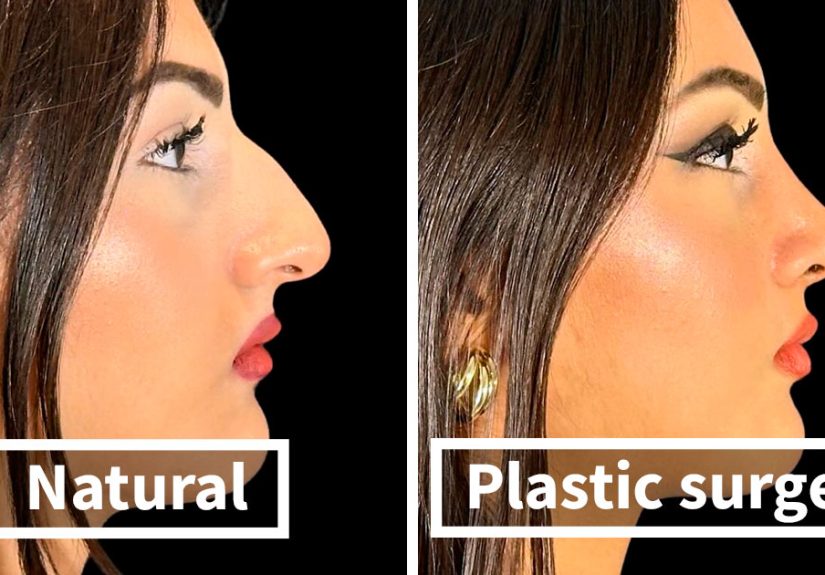
There is something strangely hypnotic about a dramatic before-and-after photo. One minute, someone looks like the tired main character in a Monday morning email thread. The next, they appear as if they found the hidden “refresh face” button on life’s dashboard. That is why galleries like “Turning Back Time”: 50 People Who Became Completely Unrecognizable After Getting Cosmetic Surgery In Turkey grab so much online attention. They sit right at the intersection of beauty, medicine, curiosity, social media, and the universal human desire to look a little more rested than we actually feel.
Turkey has become one of the world’s most talked-about destinations for cosmetic surgery and medical tourism. For many international patients, the appeal is easy to understand: experienced surgeons, modern private hospitals, package deals, lower prices than in the United States or Western Europe, and the chance to recover somewhere that sounds more glamorous than the couch next to your laundry pile. Istanbul, in particular, has become a global hub for procedures such as rhinoplasty, facelifts, eyelid surgery, liposuction, dental makeovers, hair transplants, and body contouring.
But the viral phrase “completely unrecognizable” deserves a careful pause. Cosmetic surgery can create meaningful, confidence-boosting changes for some adults. It can also involve pain, swelling, scars, complications, emotional adjustment, and results that may look different from what was promised in a filtered Instagram reel. In other words, the story is not simply “fly to Turkey, wake up younger, return home as your own mysterious celebrity cousin.” The real story is more interestingand much more important.
Why Turkey Became A Cosmetic Surgery Hotspot
Turkey’s rise in cosmetic surgery tourism did not happen overnight. The country has invested heavily in private healthcare infrastructure, international patient services, translation support, and medical travel packages. Many clinics market directly to patients from the United States, the United Kingdom, Europe, the Middle East, and beyond. Online, the pitch is often simple: high-end-looking results at a price that does not require selling your car, your furniture, and possibly your emotional support espresso machine.
Cost is one of the biggest reasons people consider cosmetic surgery in Turkey. Procedures that may be expensive in the United States can sometimes be offered abroad at lower prices because of differences in labor costs, currency exchange rates, facility expenses, and healthcare pricing structures. A nose job, facelift, dental veneer package, or hair transplant may be marketed as part of an all-inclusive deal covering hotel stays, airport transfers, consultations, and aftercare appointments.
Another major factor is specialization. Turkey is especially known online for rhinoplasty, hair transplantation, dental aesthetics, eyelid surgery, and facial rejuvenation. Some clinics show large galleries of patients who appear dramatically changed after surgery, often with smoother jawlines, lifted cheeks, slimmer noses, brighter smiles, or fuller hairlines. For people scrolling late at night, these transformations can feel less like medical marketing and more like a trailer for a personal reboot.
The Power Of Before-And-After Transformations
Before-and-after photos are powerful because they tell a story instantly. No long explanation required. No complicated chart. No one needs a medical degree to notice that a face looks more lifted, a nose appears more refined, or a hairline looks fuller. These images make cosmetic surgery feel visual, understandable, and emotionally satisfying.
However, before-and-after images can also be misleading. Lighting, camera angle, facial expression, makeup, swelling, filters, weight changes, professional photography, and even posture can change how dramatic the result appears. A “before” photo may be taken under harsh light with a tired expression, while the “after” photo may feature flattering lighting, a fresh haircut, better styling, and the facial confidence of someone who just discovered their best angle.
That does not mean every transformation is fake. Many are real and impressive. But viewers should remember that a photo is a snapshot, not a full medical record. It does not show the consultation, anesthesia, recovery, discomfort, swelling timeline, follow-up care, emotional adjustment, or any complications that may have happened behind the scenes. The camera loves the grand reveal. It is less excited about compression garments, bruising, airport neck pillows, and drainage instructions.
Common Procedures Behind The “Turning Back Time” Look
Facelift And Neck Lift
Facelifts and neck lifts are often behind the most dramatic “younger but still me” transformations. These procedures can address sagging skin, jowls, loose neck tissue, and deeper facial aging. A well-performed facelift does not simply pull the skin tighter like a bedsheet after guests arrive. Modern techniques often focus on repositioning deeper tissues for a more natural result.
Blepharoplasty, Or Eyelid Surgery
Eyelid surgery is another common procedure in facial rejuvenation. It can reduce excess upper eyelid skin or under-eye bags, making someone look more awake. This is one reason blepharoplasty often appears in transformation galleries: even a small change around the eyes can shift the whole face from “I have three deadlines” to “I drink water and understand boundaries.”
Rhinoplasty
Turkey is widely known for rhinoplasty, especially among international patients. Nose reshaping can change facial balance dramatically because the nose sits at the center of the face, minding everyone’s business. A refined bridge, lifted tip, or improved symmetry can make the entire face look different, even if no other procedure is done.
Hair Transplantation
Hair transplants are another major reason people travel to Turkey. For patients with hair loss, restoring the hairline can significantly change how youthful or familiar they appear. Unlike a new haircut, a transplant is a medical procedure requiring planning, donor-hair evaluation, and months of growth before the final result becomes clear.
Dental Makeovers
Cosmetic dentistry is often part of the “unrecognizable” effect. Veneers, crowns, whitening, and smile design can brighten the face quickly. Still, dental makeovers should not be treated as casual accessories. Over-preparing healthy teeth or choosing extreme shapes and shades can create long-term problems, so conservative planning matters.
Body Contouring
Liposuction, tummy tucks, breast procedures, and body lifts can produce major physical changes, especially after weight loss or pregnancy. These procedures also come with longer recovery periods and higher demands on aftercare. A body-contouring transformation may look effortless online, but the recovery is usually not a spa weekend with a cute robe and cucumber water.
Why Some People Look “Completely Unrecognizable”
When people say someone became “unrecognizable,” they usually mean several changes happened at once. A single procedure may be subtle. But combine rhinoplasty, eyelid surgery, facial fat transfer, dental veneers, hair restoration, skin treatments, and weight change, and the final look can feel like a different season of the same television show.
There is also a psychological effect. We recognize faces through familiar patterns: eye shape, nose contour, jawline, hairline, smile, and facial proportions. Change several of those at once, and even friends may need a few seconds to mentally reload the person. That does not mean the result is good or bad by default. It means the face has crossed a threshold where familiar cues have shifted.
For some patients, this is exactly what they want. They may have felt older than they were, disliked a long-standing feature, or wanted to restore changes caused by aging, weight loss, injury, or previous surgery. For others, a dramatic transformation can become emotionally complicated. Looking different may bring compliments, but it can also bring identity questions. Not everyone is prepared for the strange moment when the mirror says, “New face, who’s this?”
The Safety Side Nobody Should Skip
Cosmetic surgery abroad can be successful, but it requires serious research. The biggest mistake is treating it like online shopping. You cannot evaluate a surgical team the same way you choose sneakers. A cheap package, glossy hotel photo, and enthusiastic comment section are not enough.
Patients should verify the surgeon’s training, board certification or recognized credentials, hospital accreditation, anesthesia standards, emergency protocols, infection-control practices, and follow-up plan. They should also ask who will perform the actual surgery, who will provide anesthesia, what happens if complications occur, and whether medical records will be available in English.
Travel adds another layer of risk. Flying soon after surgery may increase the chance of blood clots, and long flights can be uncomfortable during early recovery. Patients may also face language barriers, unfamiliar healthcare systems, limited legal options, or difficulty getting help after returning home. A beautiful clinic website cannot replace a safe surgical plan.
Social Media, Beauty Trends, And The “Turkey Transformation” Effect
Social media has turned cosmetic surgery into a public performance. In the past, many people quietly recovered at home and appeared later with “new skincare.” Today, some patients document airport arrivals, clinic tours, consultation selfies, bandaged hotel-room updates, swelling diaries, and final reveals. The process has become content.
This can be helpful when patients share honest details about recovery, discomfort, costs, and decision-making. It can also be risky when surgery is presented as a quick glow-up challenge. A procedure that takes months to heal should not be marketed like a two-day makeover. The human body is not a phone app. You cannot uninstall swelling because the beta version annoyed you.
Another concern is trend-chasing. Faces and bodies go through fashion cycles online: tiny noses, lifted eyes, sharp jawlines, exaggerated curves, ultra-white teeth, and “snatched” everything. But surgery is long-lasting. A feature that looks trendy in 2026 may not feel right in 2036. The best cosmetic surgery decisions are usually based on personal anatomy, realistic goals, and long-term harmonynot whatever look is currently winning the algorithm’s talent show.
What A Smart Cosmetic Surgery Checklist Looks Like
Anyone considering cosmetic surgery in Turkeyor anywhere elseshould slow down and ask practical questions before booking. First, is the goal realistic? Wanting to look refreshed is different from expecting to become a completely different person. Second, is the surgeon qualified for the specific procedure? A clinic that is great at hair transplants is not automatically the right choice for a complex facelift.
Third, what is included in the quoted price? Patients should look for hidden fees related to medication, garments, revision surgery, extra hospital nights, tests, or follow-up appointments. Fourth, what is the recovery plan? Good aftercare is not optional. It is part of the surgery.
Finally, patients should consider getting an independent consultation at home before traveling. A local doctor may help explain risks, evaluate whether the procedure is appropriate, and provide a reality check. Sometimes the smartest beauty decision is not surgery at all. Sometimes it is sleep, therapy, dental care, skincare, better lighting, or refusing to compare your face to someone photographed by a ring light powerful enough to guide ships home.
The Human Side Of Dramatic Cosmetic Surgery Results
The most interesting part of these transformation stories is not just the new nose, jawline, smile, or hairline. It is the emotional journey. Many people who choose cosmetic surgery have thought about it for years. They may have saved money, researched surgeons, worried about judgment, and imagined what it would feel like to see a different version of themselves in the mirror.
For some, the result brings relief. They feel more comfortable in photos, less distracted by a feature they disliked, or more aligned with how they feel inside. For others, the experience is mixed. They may love one change but struggle with another. They may receive attention they did not expect. They may need time to adjust to family reactions, social media comments, or the quiet weirdness of looking at old photos.
That is why the phrase “turning back time” should be used with care. Cosmetic surgery cannot actually reverse time. It cannot solve every insecurity, repair every relationship, or guarantee happiness. What it can do, in the right circumstances, is change physical features in ways that some adults find meaningful. The best outcomes happen when the patient is healthy, informed, realistic, and supportednot pressured by a trend or tempted by a suspiciously cheap deal that sounds like it was assembled by a coupon wizard.
Experiences And Lessons From The “Turning Back Time” Trend
People who follow cosmetic surgery transformation stories often describe the same emotional arc: curiosity, amazement, temptation, and then a sudden need to Google “how long does swelling last after rhinoplasty?” The online gallery format makes everything look tidy. Fifty people go in, fifty transformations come out, and everyone appears ready for a red carpet, a passport update, and possibly a dramatic entrance at a high school reunion. Real experiences are rarely that simple.
One common lesson from patient stories is that research changes everything. People who report better experiences often say they spent months comparing surgeons, reading medical credentials, checking hospital standards, asking about anesthesia, and reviewing long-term results instead of only fresh post-op photos. They asked uncomfortable questions before paying deposits. They wanted to know what would happen if they developed an infection, needed a revision, disliked the outcome, or could not fly home on schedule. That kind of planning may not be glamorous, but neither is realizing your aftercare plan is “message us on WhatsApp and hope for the best.”
Another repeated experience is that recovery can be more intense than expected. A facial surgery patient may look polished online after three months, but the first two weeks can involve bruising, swelling, tightness, fatigue, and the thrilling hobby of sleeping upright like a suspicious museum statue. Body procedures may require compression garments, help walking, limited movement, and weeks away from normal routines. Dental work can involve sensitivity and bite adjustments. Hair transplants require patience because final growth takes time. The reveal is exciting, but healing is the actual main character.
Patients also talk about the social side. Some enjoy compliments and feel newly confident. Others feel awkward when people stare, ask blunt questions, or say things like, “You look totally different,” with the subtlety of a dropped frying pan. A dramatic transformation can change how others respond, but it can also change how the patient relates to old photos, family resemblance, and personal identity. The best clinics understand that cosmetic surgery is not only technical. It is emotional.
There is also the issue of expectations. The happiest patients usually seem to understand that surgery improves or changes specific features; it does not create a flawless life. A facelift may soften visible aging, but it will not answer your emails. Rhinoplasty may balance the face, but it will not make every selfie museum-quality. Hair restoration may bring back a fuller hairline, but it will not make your barber a mind reader. Realistic expectations protect patients from disappointment and help them appreciate improvement without chasing perfection.
The “Turkey transformation” trend also teaches viewers to become smarter media consumers. A viral after photo may be real, but it may not show the full timeline. Some results look best after swelling settles months later. Some photos are taken too early. Some are edited. Some use makeup, lighting, and angles that deserve their own agent. Viewers should admire good work without assuming every result is typical or guaranteed.
Ultimately, the strongest lesson is balance. Turkey has skilled surgeons and modern clinics, and many international patients report positive outcomes. At the same time, medical tourism requires caution, planning, and a willingness to walk away from any clinic that avoids questions, rushes decisions, minimizes risks, or sells surgery like a holiday upgrade. Turning back time may be a catchy headline, but protecting your health is the real glow-up.
Conclusion
“Turning Back Time”: 50 People Who Became Completely Unrecognizable After Getting Cosmetic Surgery In Turkey works as a headline because it captures the fascination of transformation. We love seeing change. We love a reveal. We love the possibility that someone can step into a clinic and step out looking refreshed, confident, and ready to confuse every face-recognition app they own.
Still, the most responsible way to view these stories is with both curiosity and caution. Cosmetic surgery in Turkey can offer impressive results for informed adult patients who choose qualified professionals and prioritize safety. But it should never be reduced to a bargain trip, a social media trend, or a quick fix for self-worth. The best transformation is not simply becoming unrecognizable. It is making a thoughtful, healthy decision that still feels right long after the swelling fades and the comments stop rolling in.