Table of Contents >> Show >> Hide
- What Is a Forum Thread?
- How to Post a Thread on a Forum: 13 Steps
- 1. Create or Log In to Your Forum Account
- 2. Read the Forum Rules Before Posting
- 3. Search the Forum for Existing Threads
- 4. Choose the Right Category or Subforum
- 5. Click the “New Thread,” “Create Topic,” or “Ask a Question” Button
- 6. Write a Clear, Specific Thread Title
- 7. Start With a Brief Summary
- 8. Add Relevant Details and Context
- 9. Format Your Post for Easy Reading
- 10. Use Tags, Prefixes, or Flair When Required
- 11. Be Respectful, Patient, and Honest
- 12. Review Your Thread Before Publishing
- 13. Post the Thread and Follow Up Properly
- Common Mistakes to Avoid When Posting a Forum Thread
- Example of a Good Forum Thread
- Why Good Forum Threads Matter
- Experience-Based Tips for Posting Better Forum Threads
- Conclusion
Note: This article is based on current best practices from major forum platforms, support communities, and community moderation guidelines, rewritten into original educational content for web publication.
Posting a thread on a forum sounds easy: type words, hit “Post,” wait for strangers on the internet to either help you, ignore you, or explain that you used the wrong category with the emotional intensity of a courtroom drama. But a good forum thread is more than a message tossed into the digital ocean. It is a clear, searchable, respectful conversation starter that makes other people want to reply.
Whether you are joining a tech support community, hobby forum, gaming board, student discussion group, product support forum, or old-school message board that still has the energy of 2007, knowing how to post a thread properly can save you time and embarrassment. A well-written forum post gets better answers, avoids moderator cleanup, and helps future readers who have the same question.
This guide walks you through how to post a thread on a forum in 13 steps, from choosing the right category to following up after people respond. Think of it as forum etiquette with training wheels, minus the boring lecture and plus a few practical examples.
What Is a Forum Thread?
A forum thread is a discussion page started by one user. The first post introduces a topic, question, problem, idea, tutorial, announcement, or request. Other users can then reply underneath it. In many forums, threads are organized inside categories, boards, subforums, tags, or topics so people can find related discussions more easily.
For example, if you are using a laptop support forum, you might post a thread in “Hardware Help” with the title “Laptop Fan Runs Loud After Windows Update.” If you post that same question in “General Chat,” you may still get answers, but you may also get silence, jokes, or a polite moderator moving your thread like a librarian correcting a misplaced cookbook.
How to Post a Thread on a Forum: 13 Steps
-
1. Create or Log In to Your Forum Account
Most forums require an account before you can create a new thread. Register with a username, email address, and password, then verify your account if the forum sends a confirmation email. Some communities may limit new members at first, especially to reduce spam. You might need to read a few posts, complete a profile, or wait before posting freely.
Choose a username that fits the community. “HelpfulMike” works almost anywhere. “KeyboardDestroyer9000” may be fine in a gaming forum but slightly alarming in a professional software support board.
-
2. Read the Forum Rules Before Posting
Before starting a new forum thread, read the community rules, posting guidelines, pinned posts, or FAQ section. Forums often have rules about duplicate posts, self-promotion, offensive language, homework help, product support, screenshots, links, formatting, and whether beginners should post in a specific section.
This step matters because every forum has its own culture. A title that works on a casual hobby board may be too vague for a technical support forum. A meme that gets laughs in one community may get removed in another. Reading the rules for two minutes can prevent your first thread from being locked before it learns to walk.
-
3. Search the Forum for Existing Threads
Before posting a new thread, use the forum search bar. Search your main keywords, error message, product name, or topic. You may find that someone already asked the same question and received a complete answer.
Searching first also shows respect for the community. Longtime members often get tired of answering the same question repeatedly, especially when the answer is already pinned at the top of the forum with a title like “READ THIS BEFORE POSTING.” If your issue is similar but not identical, mention that you searched and explain what is different about your situation.
-
4. Choose the Right Category or Subforum
Forums are usually divided into sections. Picking the correct category helps the right people see your thread. For example, a question about WordPress plugins belongs in a plugin support area, not a theme design section. A question about a gaming laptop overheating belongs in hardware support, not game recommendations.
If you are unsure where to post, choose the closest match and say so politely in your opening line. Something like, “I hope this is the right section; I’m asking about account setup,” is better than dumping your thread into the first category you see and hoping the moderators enjoy scavenger hunts.
-
5. Click the “New Thread,” “Create Topic,” or “Ask a Question” Button
The exact button name depends on the forum software. You may see labels like “New Thread,” “Start Discussion,” “Create Topic,” “Ask a Question,” “Post New Topic,” or simply a plus icon. Click it to open the posting editor.
Some platforms may ask you to select a post type, such as question, discussion, poll, tutorial, bug report, or feature request. Pick the format that best matches your goal. If you need help solving a problem, choose “Question” or “Support.” If you want opinions, choose “Discussion.” If you are sharing a guide, choose “Tutorial” if available.
-
6. Write a Clear, Specific Thread Title
Your thread title is the first thing people see, and it often determines whether they click. Avoid vague titles like “Help,” “Question,” “Problem,” or “Does anyone know?” These titles are about as useful as labeling every drawer in your kitchen “stuff.”
A strong forum thread title summarizes the issue or topic in one sentence. Use important keywords naturally. For example:
- Weak title: “Need help fast”
- Better title: “How do I recover a deleted forum draft?”
- Weak title: “Laptop problem”
- Better title: “Laptop shuts down during gaming after 10 minutes”
- Weak title: “New user here”
- Better title: “Best way for new members to introduce themselves?”
Clear titles help other users, search engines, and future readers. A descriptive title is basically a tiny billboard saying, “This thread contains something useful.”
-
7. Start With a Brief Summary
Begin your post with one or two sentences that explain the main point. People should understand your thread without reading a novel first. If you are asking for help, state the problem clearly. If you are starting a discussion, explain the question. If you are sharing advice, introduce the purpose.
Example: “I’m trying to post my first thread on a photography forum, but I’m not sure where to place gear questions. Should lens recommendations go in the beginner section or the equipment section?”
This opening is short, direct, and easy to answer. It does not begin with your entire life story, the weather, and a dramatic retelling of how your camera strap betrayed you.
-
8. Add Relevant Details and Context
After your summary, include the details people need to help you. The right information depends on the forum topic. In a tech forum, include device model, software version, browser, error messages, steps already tried, and screenshots if allowed. In a hobby forum, include your experience level, budget, goals, and any limitations. In a writing forum, include genre, word count, and the kind of feedback you want.
Good context prevents back-and-forth confusion. Instead of writing, “My website is broken,” write: “My WordPress contact form stopped sending emails after I updated two plugins. I’m using Gmail SMTP, and the test email works, but form submissions do not arrive.” That gives helpers a map instead of a fog machine.
-
9. Format Your Post for Easy Reading
Forum users are generous, but they are not archaeologists. Do not bury your question in one giant wall of text. Use short paragraphs, bullet points, numbered lists, bold text for key details, and code blocks when posting code. If the forum editor supports previews, use the preview button before submitting.
A clean format makes your thread easier to scan. This is especially important in support communities, where volunteers may answer dozens of posts. Help them help you. A tidy post says, “I respect your time.” A chaotic post says, “Welcome to my digital sock drawer.”
-
10. Use Tags, Prefixes, or Flair When Required
Many modern forums use tags, prefixes, labels, or flair to organize threads. A gaming forum might use tags like “Bug,” “Guide,” “Question,” or “Suggestion.” A software community might require a version number or product tag. A marketplace forum may use prefixes such as “Buying,” “Selling,” or “Solved.”
Choose the most accurate tag. Do not select popular tags just to get attention. Misleading tags may annoy users or moderators. If your thread is about account login trouble, tagging it as “Announcement” is not clever; it is just wearing a fake mustache in the wrong meeting.
-
11. Be Respectful, Patient, and Honest
A forum thread is an invitation to a conversation. Use a respectful tone, even if you are frustrated. Avoid insults, shouting in all caps, blaming volunteers, demanding instant answers, or acting like the community owes you a personal rescue helicopter.
Also be honest about what you have tried. If you did not search first, do not claim you searched for hours. If you made a mistake, say so. People are usually more willing to help when you are transparent. A simple “I’m new to this, so I may be missing something obvious” can make your post more approachable.
-
12. Review Your Thread Before Publishing
Before clicking submit, reread your title and post. Check spelling, category, tags, screenshots, links, and whether your question is actually clear. Remove private information such as passwords, email addresses, phone numbers, order numbers, personal documents, or hidden API keys. The internet has a long memory and terrible boundaries.
Ask yourself three questions: Can someone understand what I need? Did I include enough detail? Did I follow the rules? If the answer is yes, your thread is ready to enter the world with its little backpack and big dreams.
-
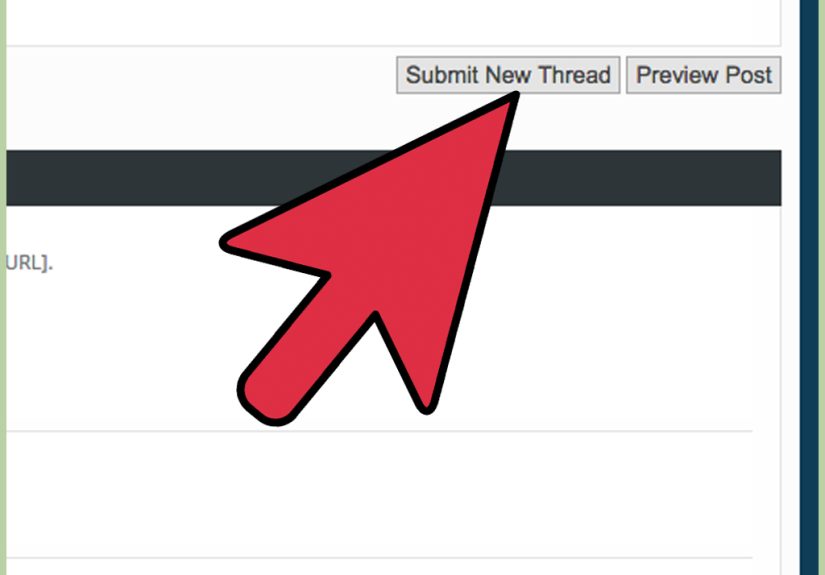
13. Post the Thread and Follow Up Properly
After publishing, stay involved. Reply to questions, thank people who help, test suggested solutions, and mark the thread as solved if the forum has that option. If you discover the answer yourself, post the solution so future readers benefit.
A good follow-up can turn your thread into a useful resource. For example, instead of writing “Never mind, fixed it,” explain what fixed it: “The issue was caused by an outdated plugin. Updating the plugin and clearing the cache solved the problem.” That one sentence may save someone else an hour of stress and three dramatic sighs.
Common Mistakes to Avoid When Posting a Forum Thread
Posting the Same Thread Multiple Times
Duplicate threads make forums messy and split helpful replies across different places. If your thread does not get answers immediately, do not repost it five minutes later with more panic. Instead, wait, add useful information, or politely bump the thread only if the forum allows it.
Using Clickbait or Overly Dramatic Titles
Titles like “You won’t believe this!” or “Worst problem ever!!!” may work on gossip blogs, but they usually fail in forums. Members want clarity, not mystery. A specific title beats a dramatic one almost every time.
Leaving Out Important Details
If you ask for help but leave out the product name, platform, error message, or steps you tried, people will have to ask basic follow-up questions. Include enough context from the beginning to make the thread useful.
Arguing With People Trying to Help
Not every answer will solve your problem, but rude replies discourage others from joining. If advice does not work, respond with what happened when you tried it. Keep the conversation focused on the issue, not personalities.
Example of a Good Forum Thread
Title: “How do I add images to a forum post without breaking the layout?”
Post: “I’m new to this photography forum and want to share three sample images for critique. I read the rules and saw that images should be under 2 MB, but I’m not sure whether I should upload them directly or use an image host. I’m posting from Chrome on Windows 11. What is the best method, and how can I make sure the images display correctly?”
This thread works because it is specific, polite, searchable, and includes useful details. The user explains what they want, what they already checked, and what device/browser they are using. Nobody has to guess the basics.
Why Good Forum Threads Matter
Forums are built on shared knowledge. A helpful thread does more than solve one person’s problem; it becomes a searchable answer for future visitors. That is why clear titles, detailed posts, and follow-ups are so important. Your question today might become someone else’s solution six months from now.
Good threads also make communities healthier. When people post respectfully and clearly, experts are more likely to participate. Moderators spend less time cleaning up confusion. New users feel welcome. The entire forum becomes easier to navigate. Basically, one good thread is a tiny act of public service with a submit button.
Experience-Based Tips for Posting Better Forum Threads
After spending time in different online communities, one lesson becomes obvious: the best forum users are not always the most experienced experts. Often, they are the people who communicate clearly. A beginner who explains the problem well can get better help than an expert who posts a rushed, confusing question.
One practical experience is that the first ten minutes before posting often matter more than the post itself. Reading the rules, searching old threads, and checking pinned posts can completely change the quality of your question. For example, a user might plan to ask, “Why is my account restricted?” After reading the guidelines, they may realize the forum requires new members to make a few approved replies before starting threads. Instead of posting frustration, they can ask a better question or avoid posting entirely.
Another useful habit is writing the thread title last. Many people start with the title, then discover while writing that the real issue is different. You might begin with “Forum upload problem,” but after explaining the details, you realize the better title is “Image upload fails when file name contains special characters.” That second title is much more useful. It gives helpers a clue and helps search engines understand the thread.
It also helps to imagine the person reading your post. They may be a volunteer, a busy professional, a fellow hobbyist, or a moderator checking posts during lunch. They do not know your setup. They cannot see your screen. They do not automatically know what “it doesn’t work” means. When you include screenshots, exact wording, version numbers, and steps you already tried, you reduce guesswork. The easier you make the problem to understand, the easier it is for someone to answer.
Patience is another underrated skill. Many new users expect instant replies because social media moves quickly. Forums are different. Some communities are active every minute, while others work more slowly. A thoughtful answer may come hours or days later. Instead of bumping too soon, use the waiting time to test possible solutions, gather more details, or improve your original post if editing is allowed.
Finally, the best forum habit is closing the loop. When your question is answered, say what worked. Mark the solution if the platform allows it. Thank the people who helped. This small action builds goodwill and makes the thread valuable for others. A forum is not just a place to take answers; it is a place to leave breadcrumbs for the next person wandering through the same confusing forest.
Conclusion
Learning how to post a thread on a forum is really learning how to ask better questions and start better conversations. The process is simple: choose the right category, write a clear title, explain your topic with useful details, follow the rules, and stay respectful after people reply. Do that consistently, and you will get better answers, avoid common beginner mistakes, and become the kind of forum member people are happy to help.
A great forum thread does not need fancy language or expert-level knowledge. It needs clarity, context, patience, and a little common sense. Add those ingredients, and your next thread has a much better chance of becoming helpful instead of disappearing into the internet’s dusty basement.