Table of Contents >> Show >> Hide
- The Rescue Story Behind the Viral Fame
- Why People Cannot Get Enough of Benson
- What Benson’s Story Says About Rescue Cats
- The Serious Side of Cute Outfits
- How Social Media Helps Stories Like This Spread
- Lessons Future Cat Adopters Can Take From Benson
- More Than a Cute Gallery
- Experiences Related to Rescue Cats, Cute Outfits, and Internet Fame
- Conclusion
Editor’s note: This is an original, web-ready feature article written in standard American English and designed for SEO-friendly publishing.
Every so often, the internet gifts us a story so wholesome that even the grumpiest person in the room has to soften a little. This is one of those stories. An abandoned cat, once left to fend for itself, lands in a loving home and somehow pulls off one of the greatest reinventions in modern history: street survivor to social media style icon. It is the kind of glow-up that makes people pause mid-scroll and think, “Well, that cat is officially better dressed than I am.”
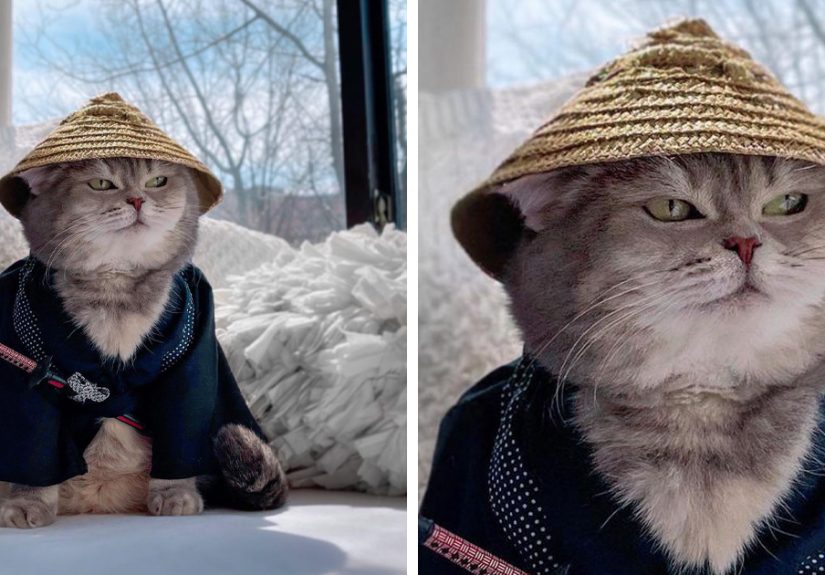
The feline at the center of this story is Benson, a rescue cat whose charming face, patient personality, and surprisingly committed relationship with tiny outfits helped turn him into an Instagram favorite. What makes Benson’s rise so appealing is not just the wardrobe. Sure, the glasses are funny. The themed outfits are absurdly cute. The overall vibe is somewhere between “retired English professor” and “tiny celebrity who has opinions about brunch.” But underneath the visual punchline is something more meaningful: a rescue story with heart.
Stories like Benson’s work because they combine two things people never seem to get tired of: second chances and cats behaving like they secretly pay rent. In a digital landscape full of noise, a rescued animal living its best life feels refreshing. Benson is not just internet-famous because he looks adorable in knitwear. He is popular because he represents a bigger idea: that abandoned pets can go from overlooked to adored when someone gives them safety, patience, and a place to belong.
The Rescue Story Behind the Viral Fame
Benson’s backstory is the emotional engine behind all those cheerful photos. He was reportedly found roaming the streets of Dubai after being left behind by a former family. That detail alone hits hard. Animal abandonment is one of those realities people wish did not exist, but rescue organizations across the United States have long emphasized that cats can and do recover when they are given consistent care, time to decompress, and a calm home environment. Benson’s life changed because someone decided that “left behind” was not going to be the end of his story.
After being adopted and brought to the United States, Benson settled into a home where his personality had room to bloom. And what a personality it turned out to be. According to reports shared about him, he stays surprisingly still when a camera is pointed his way, which is a very useful talent when your household starts experimenting with glasses, hats, and full-on themed ensembles. In other words, Benson did not merely accept the camera. He understood the assignment.
That is part of what makes this story different from a random “cute cat in a costume” post. Benson’s online presence feels like an extension of his adopted life, not a gimmick slapped onto a stressed pet. His humans noticed that he tolerated certain accessories, then gradually built an entire visual identity around that calm, slightly dramatic expression. The result is a feed full of photos that feel playful rather than forced.
Why People Cannot Get Enough of Benson
A Face Built for the Internet
Some cats are adorable in the usual way. Benson has something extra: a face that looks permanently ready for either a book signing or a very judgmental fashion panel. He has the kind of expression that makes every photo look caption-worthy. Put a pair of glasses on him, and suddenly he is not just a cat. He is a literature professor who definitely thinks your essay lacks structure. Add a jacket, and now he looks like a stylish uncle who says things like, “Back in my day, tuna had character.”
That expressive look matters online. Social media loves animals with recognizable personalities because followers do not just come back for the image; they come back for the character. Benson’s page works the same way a strong brand works. It has a visual identity, a tone, and a main character with enough charisma to carry the whole thing without saying a word.
The Outfits Are Cute, But the Attitude Sells Them
Plenty of pets have costumes. Very few wear them with the energy of someone who knows they are the moment. Benson’s charm comes from the gap between the ridiculousness of the outfits and the seriousness of his expression. That contrast is comedy gold. One photo gives cozy scholar. Another gives tiny traveler. Another gives “I run this household and allow these humans to live here out of kindness.”
And that is exactly why a 30-photo gallery works so well. The images are not repetitive if each outfit tells a slightly different story. A robe turns him into a spa critic. A raincoat makes him look prepared for a weather segment. A sporty look suggests he is one small step away from endorsing expensive athleisure. The clothes may change, but the central joke stays deliciously intact: this cat looks more composed than most adults during a Monday meeting.
What Benson’s Story Says About Rescue Cats
For all the laughs, Benson’s popularity shines a useful spotlight on cat adoption. Rescue cats are often introduced to the public through sadness: abandoned, surrendered, neglected, or overlooked. Those realities matter, but they are not the whole story. Once in a stable home, many rescued cats reveal playful, affectionate, and deeply quirky personalities that never had room to emerge before.
That is one reason adoption advocates emphasize preparation and patience. A cat coming from the street, a shelter, or an unstable background may need a quiet room, predictable routines, and a chance to observe before becoming fully comfortable. The transformation can be dramatic, but it rarely happens in one cinematic afternoon. It comes in little moments: the first confident nap, the first head bump, the first time the cat follows a person from room to room like a furry intern with no concept of personal space.
Benson’s story is encouraging because it shows what can happen when adopters look beyond the rough beginning. The abandoned cat became the beloved cat. The former street cat became the one with a wardrobe. The pet who could have been ignored became the pet people could not stop sharing.
The Serious Side of Cute Outfits
Not Every Cat Wants to Be a Fashion Icon
Now for the responsible grown-up section of the internet: not every cat should wear clothes, and some cats would absolutely like to file a complaint just hearing the idea. Animal welfare experts consistently recommend that pet clothing be approached carefully. A cat should never be forced into an outfit that restricts movement, causes overheating, covers the face, or creates a choking hazard. If an accessory stresses the animal out, the accessory needs to go. Immediately. No exceptions. The cat has spoken.
This is what makes Benson’s case so unusual and, honestly, a little funny. His humans reportedly discovered that he tolerated glasses and certain outfits with surprising calm. That does not make dress-up universally appropriate. It simply means Benson appears to be one of those rare cats who either enjoys the routine or at least treats it as a reasonable trade agreement in exchange for attention, snacks, and household authority.
How to Tell If a Cat Is Comfortable
If a cat is relaxed, you will usually see signs of ease: normal breathing, free movement, no frantic pawing at the outfit, no crouched body posture, and no desperate attempt to vanish into another dimension. If the cat freezes, hides, pants, vocalizes excessively, or tries to remove the clothing, that is a clear sign the whole fashion experiment has gone too far.
For pet parents who love festive photos, the gentlest approach is often the smartest one. A themed collar, soft bandana, or lightweight accessory may be more appropriate than a full costume. Short sessions, constant supervision, and an immediate escape route are key. The best pet photos come from comfort, not compliance.
How Social Media Helps Stories Like This Spread
Benson’s rise also says something interesting about social media and animal adoption culture. Shelters, fosters, and rescue advocates increasingly use Instagram, TikTok, and other platforms to showcase animals in ways that make them memorable. A plain listing can be easy to scroll past. A cat with a story, a look, and a personality? Much harder to ignore.
That does not mean every rescue pet needs a costume closet and a dramatic lighting setup. What it does mean is that storytelling matters. People connect with specifics. They remember the shy cat who learned to trust again. They remember the older tabby who acts like a grumpy landlord. They remember the kitten who likes to sleep in a salad bowl for reasons known only to science. Social media works best when it turns an animal from “one more pet in need” into “I know exactly why this cat is special.”
Benson’s feed succeeds because it does that beautifully. It gives followers a visual hook, but it also gives them a narrative arc: here is a cat who was abandoned, rescued, loved, and celebrated. That kind of storytelling does not just generate likes. It reminds people that adoption can lead to extraordinary outcomes, including outcomes involving tiny sweaters and suspiciously strong opinions.
Lessons Future Cat Adopters Can Take From Benson
1. Personality Often Appears After Safety
A frightened or abandoned cat may not show its full character right away. The goofy side, cuddly side, playful side, or confident side can emerge only after the cat feels secure. Benson did not become “Benson the Instagram cat” in the middle of survival mode. He became that version of himself after landing in a stable home.
2. Routine Builds Trust
Cats thrive on predictability. Regular feeding, a calm environment, safe places to hide, vertical space, and patient human interaction help create the confidence many rescue cats need. Trust is built in routines, not speeches. A cat does not care about your motivational monologue. A cat cares that dinner arrives on time.
3. Let the Cat Set the Tone
Whether it is affection, play, new rooms, or photo sessions, cats do best when their body language leads the way. Benson’s online fame works because the persona seems to fit him. Trying to force a shy or stressed cat into content creation would miss the entire point of rescue.
More Than a Cute Gallery
At first glance, “30 pics of a cat in outfits” sounds like classic internet fluff. And yes, it absolutely is delightful fluff. But there is also a reason these images resonate beyond the laugh. Benson represents the emotional payoff of adoption. He is visual proof that a discarded animal can become cherished, comfortable, and hilariously iconic. The wardrobe is fun. The real headline is that he got a second chance and made the most of it.
That is why people keep sharing stories like this. They are funny, but they are also reassuring. In a world that can feel pretty chaotic, a rescued cat becoming a tiny fashion legend is weirdly hopeful. It reminds people that kindness has ripple effects. One act of rescue can lead to joy for the animal, joy for the adopter, and joy for thousands of strangers online who suddenly care very deeply about whether a cat looks better in glasses or a rain jacket.
Experiences Related to Rescue Cats, Cute Outfits, and Internet Fame
Anyone who has ever adopted a rescue cat knows that the most memorable part is rarely the polished photo. It is the before-and-after feeling. At first, there is uncertainty. The cat hides under a bed. It watches everything. It seems to be quietly deciding whether the humans are trustworthy or just unusually large houseplants. Then, little by little, the mood changes. The cat starts showing up at the doorway. It chooses a favorite chair. It stretches out in the sunlight like it invented comfort. Eventually, that same cautious animal becomes the ruler of the house, and everyone else simply adjusts.
That emotional transformation is what makes stories like Benson’s hit so hard. People recognize the pattern. They have seen animals go from tense and guarded to playful and gloriously weird. One day a rescue cat will not let anyone near it. A few weeks later, it is sleeping belly-up in the middle of the living room as if it has personally paid the mortgage. That shift feels like trust made visible.
Then there is the outfit factor, which pet lovers understand better than they sometimes admit. Not every cat likes accessories, of course, but people are endlessly entertained by the rare pet that seems to tolerate a look with supernatural dignity. A soft scarf, a tiny sweater, a pair of harmless glasses for a quick photo, and suddenly the animal has a whole fictional career. The comments practically write themselves. “He is a professor.” “She runs a boutique hotel.” “This cat definitely drinks sparkling water and judges my life choices.” Half the fun is how quickly people build a personality around one photo.
Social media magnifies that experience. In earlier years, a person might show a funny cat picture to three neighbors and a cousin. Now a rescue pet can become a global mood in one afternoon. Followers do not just double-tap and move on; they invest emotionally. They wait for updates. They celebrate milestones. They learn the pet’s habits, favorite poses, and signature expressions. In the best cases, those accounts become soft little corners of the internet where people show up because the content feels comforting.
There is also something deeply human about seeing an abandoned animal become admired instead of pitied. That shift matters. Rescue stories can begin with loss, but they do not have to stay there. Once a cat is safe, healthy, and loved, the story becomes about identity rather than damage. Benson is not memorable because he was abandoned. He is memorable because he survived that beginning and stepped into a life full of care, attention, and absurdly photogenic style.
For many readers, that is the real experience behind a viral rescue cat story. It starts as entertainment and ends as a reminder. Animals are resilient. Love changes behavior. Patience reveals personality. And yes, sometimes the universe rewards that patience with a cat who looks like a retired detective in knitwear. Frankly, that is the kind of plot twist the internet should support more often.
Conclusion
Benson’s story works on every level: rescue narrative, visual comedy, social media success, and a gentle reminder that adoption can lead to extraordinary outcomes. The cute outfits may be what grab attention, but the deeper appeal is the transformation from abandoned pet to cherished companion. That is the real magic here. Behind every viral cat photo is a much simpler truth: when an animal is finally safe, loved, and understood, its personality has room to shine.
So yes, people came for the 30 pictures. They stayed for the little face, the hilarious fashion energy, and the undeniable charm. But the reason the story lingers is bigger than that. Benson is a rescue success story wrapped in internet-friendly packaging. A second chance never looked so stylish.