Table of Contents >> Show >> Hide
- Why the High/Low Ladder Bookshelf Works So Well
- What “High/Low” Means in Real Rooms
- How to Choose the Right Ladder Bookshelf
- Best Ways to Use a High/Low Ladder Bookshelf in Different Rooms
- How to Style It Without Creating Shelf Chaos
- Open Storage vs. Hidden Storage: Which Is Better?
- Mistakes to Avoid When Buying a Ladder Bookshelf
- What the Experience Is Actually Like
- Conclusion
If regular bookcases feel a little too square, too heavy, or too likely to turn your room into a cardboard box with decorative objects, the ladder bookshelf is the charming overachiever you have been looking for. It is slim, vertical, stylish, and surprisingly hardworking. Better yet, a high/low ladder bookshelf strategy lets you use the same design language in different heights, which means you can create storage that feels coordinated without making your room look like it signed up for boot camp.
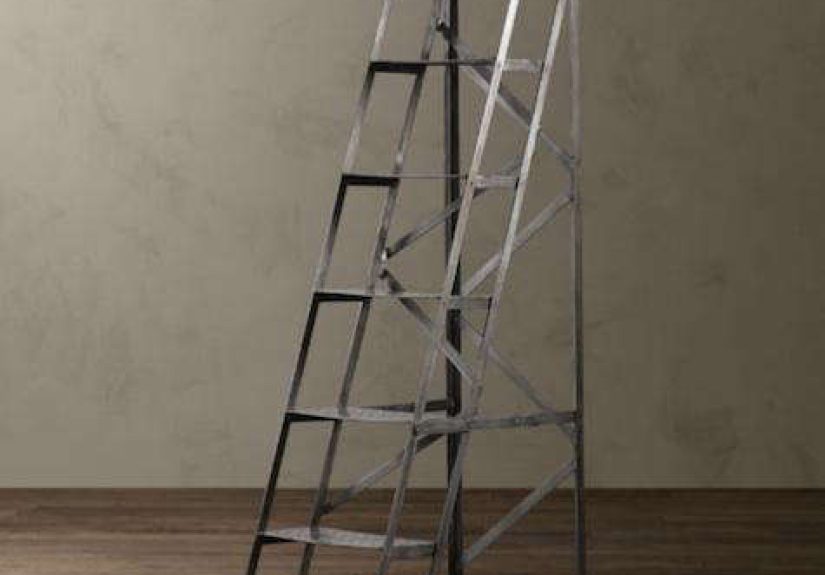
In plain English, a high/low ladder bookshelf approach means mixing taller ladder shelving with lower-profile ladder-style storage, depending on the room, the wall, and what you actually need to store. Tall versions pull the eye upward and make use of wall height. Lower versions keep a room feeling open while still giving you a place for books, baskets, framed photos, plants, and the random candle you bought because it smelled like “coastal fig library,” whatever that means.
The beauty of this storage style is that it works in homes that are short on square footage, short on patience, or short on both. Ladder bookshelves usually have a narrower footprint than traditional cases, and many designs taper from a shallower top shelf to a deeper bottom shelf. That small detail does a lot of visual heavy lifting. It keeps the unit from feeling bulky, makes styling easier, and gives you a practical way to store heavier or larger items lower down where they belong.
Why the High/Low Ladder Bookshelf Works So Well
The best storage pieces solve two problems at once: they hold your stuff and improve the room. Ladder shelves are unusually good at both. Their open backs and angled sides feel lighter than a boxy bookcase, so they tend to work especially well in small apartments, home offices, bedrooms, reading nooks, and awkward walls that need function without visual overload.
A tall ladder bookshelf is ideal when you want to maximize vertical storage. It turns underused wall space into display and organization real estate. A lower ladder bookshelf, on the other hand, is perfect when you want storage that does not dominate the room. It can sit under artwork, below a TV, beside a sofa, or along a hallway wall where a full-height piece might feel too imposing.
Used together, high and low bookshelf storage creates rhythm. The room feels considered, not cookie-cutter. You get a mix of display space, practical organization, and breathing room. That balance is the secret sauce. Not every shelf should be dramatic. Not every storage unit should shout. Sometimes the smartest furniture is the kind that quietly makes the whole room work better.
What “High/Low” Means in Real Rooms
High Ladder Bookshelves
Tall ladder bookshelves are the go-to choice when the wall is doing most of the work. Think living rooms with blank vertical space, home offices that need books and supplies within reach, or bedrooms where floor space is scarce but wall height is generous. A tall unit gives you layers: books on the middle shelves, display pieces on the top, and baskets or bins on the bottom.
They are also excellent for creating the look of built-in storage without the actual built-in commitment, budget, or emotional recovery period. Place two or three matching tall ladder shelves side by side, and suddenly your room looks intentional enough to make guests think you understand design software.
Low Ladder Bookshelves
Low ladder bookshelves are the underrated heroes of flexible storage. They work beautifully under windows, in kids’ rooms, in entryways, and in open-plan spaces where you want definition without visual blockage. Because they sit lower, they preserve sightlines and make a room feel less crowded.
They are especially useful for people who want open shelving storage but do not want every object on full public display. Add decorative boxes, woven baskets, or lidded bins, and the shelf instantly becomes more forgiving. Translation: you can store real life there, not just curated ceramics.
How to Choose the Right Ladder Bookshelf
Start With the Wall, Not the Product Photo
A ladder bookshelf can look airy online and still be wrong for your space. Measure the wall height, width, and depth you can comfortably spare. Then think about what is nearby: doors, windows, baseboards, outlets, light switches, and traffic paths. A narrow footprint is one reason ladder shelves are popular, but you still need enough clearance for the room to function like a room and not an obstacle course.
Think About Shelf Depth and Spacing
One of the biggest advantages of ladder shelves is that lower shelves are often deeper than upper ones. That makes them great for heavier hardcovers, storage baskets, file boxes, or larger décor. The shallower upper shelves are better for framed photos, small plants, candles, and lighter books. If you store the heavy stuff low and the lighter stuff high, both the shelf and the room will feel more balanced.
Match the Material to the Job
Wood ladder bookshelves feel warm and classic. Metal frames with wood shelves lean more industrial or modern. Painted finishes can brighten a small room, while darker stains add contrast and drama. If you want the unit to disappear into the room, match it closely to your wall or trim color. If you want it to act like an accent piece, choose a finish with more contrast.
Check Whether You Need Open or Mixed Storage
Some ladder bookshelves are all open shelving. Others combine open shelves with a lower cabinet or drawer. If you love the look of open display but know you have chargers, papers, remote controls, kids’ craft supplies, or mystery cables from unknown civilizations, mixed storage is your friend. It gives you both beauty and plausible deniability.
Do Not Ignore Safety
This part is not glamorous, but it matters. Tall bookshelves should be anchored to the wall, especially in homes with children or pets. Heavier items should stay on lower shelves, and anything tempting to climb toward should not be placed up high. A gorgeous shelf is not worth turning into a physics experiment.
Best Ways to Use a High/Low Ladder Bookshelf in Different Rooms
Living Room
In a living room, a tall ladder bookshelf can frame a sofa, fireplace, or media area. Use the upper shelves for art objects and plants, middle shelves for books, and lower shelves for baskets or board games. A low ladder bookshelf works well beneath artwork or along a short wall, where it can double as a display console.
Home Office
Ladder shelving is almost suspiciously good in home offices. Tall units maximize vertical storage for books, files, and supplies while keeping the room feeling less dense than a traditional office cabinet. A low unit can sit next to a desk and hold printers, paper trays, notebooks, or storage bins without making the workspace feel cramped.
Bedroom
A low ladder bookshelf in a bedroom can replace a bulky dresser in some situations, especially if you use baskets for folded items and accessories. A tall shelf can act as a mini library, a place for display, or even a stylish substitute for a nightstand zone if space is tight.
Entryway
An entryway benefits from lower shelving because it creates a landing zone without crowding the door area. Use baskets for shoes, a tray for keys, and one or two decorative pieces to keep the shelf from looking too utilitarian. If your entry wall is tall and narrow, a slim ladder shelf can turn dead space into actual storage without feeling heavy.
Kids’ Room or Teen Room
In younger spaces, low ladder bookshelves are easier to access and safer for everyday use. They work well for picture books, bins, trophies, and school supplies. In a teen room, a tall ladder shelf can hold books, speakers, plants, and display pieces while still keeping the room open and modern.
How to Style It Without Creating Shelf Chaos
The number one mistake people make with a ladder bookshelf is treating every shelf the same. That is how you end up with visual static. A better strategy is to vary height, shape, and density.
Start with books. Mix vertical rows with horizontal stacks. Then add one or two decorative objects per shelf: a vase, framed photo, bowl, sculpture, or small plant. Keep some open space. Empty space is not wasted space; it is what makes the shelf look intentional instead of frantic.
Baskets and boxes are particularly useful on lower shelves. They hide clutter, soften the geometry of the shelf, and make the whole setup easier to maintain. If you want a cleaner look, stick to one basket material or color family. If you want a more relaxed look, mix natural textures with ceramic, glass, and wood.
Another good rule is to think heavy to light. Place visually heavy items near the bottom and lighter objects toward the top. The same goes for color. Darker objects near the bottom help ground the unit. Lighter, smaller pieces higher up keep the shelf from feeling top-heavy.
Open Storage vs. Hidden Storage: Which Is Better?
The honest answer is both. Open storage is wonderful for items you use often or want to display. It keeps books, baskets, and décor visible and easy to access. It can also make a room feel more personal because the shelf becomes part storage, part storytelling.
But open shelving has one weakness: it shows everything. If your version of “styled shelf” eventually becomes “random receipts, sunglasses, and an unopened package of batteries,” adding hidden storage matters. That is why so many smart ladder bookshelf setups include bins, boxes, or a cabinet base. The shelf looks calm, even if your life is currently in fifteen browser tabs and two reusable grocery bags.
A high/low strategy is especially useful here. Let the tall shelf handle the display and daily-use items, and let the low shelf or cabinet-style unit deal with the messier categories. The room looks lighter, but the storage works harder.
Mistakes to Avoid When Buying a Ladder Bookshelf
Buying only for looks: yes, it should be beautiful. No, beauty alone will not help if the shelves are too shallow for your books or too tall for the wall.
Ignoring weight distribution: heavier books and storage bins belong on the lower shelves. It is better for stability and better for the look.
Overfilling every level: a bookshelf is not a storage confession booth. Leave breathing room.
Skipping wall anchoring: especially with tall units, this is a bad shortcut.
Using no concealed storage at all: unless you are living inside a magazine spread, you probably need at least a few baskets or boxes.
Choosing the wrong height for the room: tall is not always better. In some rooms, a low ladder bookshelf creates more usable storage because it preserves light, openness, and flexibility.
What the Experience Is Actually Like
Living with a high/low ladder bookshelf setup is one of those rare home upgrades that feels better after the novelty wears off. On day one, you notice the style. A week later, you notice how much easier the room is to use. That is the part people do not always talk about. Good storage changes behavior.
For example, a tall ladder bookshelf in a small home office tends to create natural zones without asking for much floor space. The top shelves become the “nice things” area: art, a small plant, maybe a framed print that makes you feel far more organized than you truly are. The middle shelves usually become the working shelves, where books, notebooks, and folders live. The bottom shelves quietly become the practical muscle of the setup, holding baskets filled with cables, paper, chargers, and all the unglamorous stuff that keeps life functioning.
Meanwhile, a low ladder bookshelf has a different personality. It is less formal and more adaptable. In a living room, it can become a soft alternative to a media console. In a bedroom, it holds books, candles, folded throws, and baskets without making the space feel crowded. In an entryway, it catches shoes, bags, and daily drop-zone clutter in a way that feels intentional instead of apologetic.
One of the best experiences people have with this type of storage is realizing that it helps them edit what they keep. A ladder shelf does not encourage mindless piling. Because it is open and visible, it nudges you toward keeping what you use, what you love, and what you actually want to look at every day. That sounds lofty, but it becomes very practical very fast. You stop stuffing. You start curating.
There is also a visual benefit that sneaks up on you. Traditional bulky storage can make a room feel closed in, especially if you live in an apartment or a smaller house. Ladder bookshelves tend to avoid that problem. They give you storage, but they do not sit in the room like a giant wooden dare. The angled frame and open shelving let the wall breathe, which makes the whole space feel lighter.
Another real-world perk is flexibility. When your needs change, the shelf changes with you. A tall ladder shelf that once held novels can switch to office storage, barware, or plants. A lower shelf that started in the entryway can move to a bedroom or nursery. It is the kind of furniture that survives multiple room reshuffles and still looks like it belongs.
Of course, the experience is best when the setup is honest. If you need hidden storage, add baskets. If you have kids, anchor the unit and keep heavy things low. If you collect giant art books, make sure the bottom shelves can handle them. The point is not perfection. The point is to create a bookshelf that supports real life while looking good doing it.
And that is really why the high/low ladder bookshelf idea lasts. It is not a trend that only works in styled photos. It works on Monday mornings, during rushed cleanups, in awkward corners, and in homes where storage has to earn its keep. It is attractive, yes, but it is also useful. In furniture terms, that is basically the dream.
Conclusion
A high/low ladder bookshelf is more than a stylish place to park books and decorative objects. It is a smart storage strategy for real homes. Tall ladder shelves maximize vertical space and bring structure to blank walls. Low ladder shelves keep rooms open, flexible, and easy to live in. Together, they create storage that feels lighter than traditional case goods but just as capable when chosen well.
If you want a room to feel organized without looking overfurnished, this is one of the best routes to take. Choose the right height, respect weight and safety, mix open display with concealed storage, and style the shelves with enough restraint to let the room breathe. Do that, and your ladder bookshelf will not just hold your stuff. It will improve how your space functions every single day.