Table of Contents >> Show >> Hide
- Why the dryer lint trap slot matters so much
- Signs your lint trap slot needs a deeper cleaning
- What you need before you start
- What not to do
- How to clean your dryer lint trap slot the right way
- 1. Turn the dryer off and unplug it
- 2. Remove the lint screen and clean the loose lint first
- 3. Inspect the screen for residue
- 4. Shine a flashlight into the slot
- 5. Vacuum the slot carefully
- 6. Use a soft lint brush for stubborn buildup
- 7. Clean around the opening
- 8. Reinstall the fully dry lint screen
- 9. Plug the dryer back in and monitor performance
- How often should you clean the lint trap slot?
- Do not forget the vent
- Common mistakes that make dryers less efficient
- When to call a professional
- The bottom line
- Real-life experiences and lessons from cleaning a dryer lint trap slot
- SEO Tags
Your dryer’s lint screen gets plenty of attention. The slot it slides into? Not so much. And that is a little like brushing your teeth while ignoring the sink drain. Technically, you handled part of the problem, but the messy part is still lurking just below the surface.
If your clothes are taking longer to dry, your laundry room feels warmer than usual, or your dryer seems to be working overtime for no good reason, the lint trap slot may be packed with hidden fuzz. Even households that clean the lint screen after every load can still end up with lint buildup deeper in the slot, farther into the housing, and eventually in the vent path. That hidden buildup matters for dryer safety, airflow, energy efficiency, and the long-term health of the appliance.
This guide walks you through how to clean your dryer lint trap slot the right way, including what tools to use, what mistakes to avoid, how often to do a deeper cleaning, and why this tiny maintenance habit can make a very noticeable difference. It is simple, low-cost, and oddly satisfying. Like peeling off a screen protector, but with less glamour and more lint.
Why the dryer lint trap slot matters so much
Most people know they should remove lint from the screen before or after each load. That is the basics-level good behavior your dryer appreciates. But the slot itself is where fine fibers, dust, pet hair, and stray fuzz can collect over time. Those bits do not always come out with the screen. Instead, they settle below it, cling to corners, and slowly restrict airflow.
When airflow drops, a few annoying things happen. Dry times can get longer. The dryer may run hotter. The machine may cycle less efficiently. And your utility bill may quietly become more ambitious than it needs to be. In short, a clogged lint trap slot can make a perfectly decent dryer act like it is having a very dramatic week.
There is also the safety angle. Lint is extremely flammable, which is why fire-safety experts and appliance makers keep repeating the same advice: clean the lint filter every load, clean the slot periodically, and do not ignore signs of restricted airflow. If your clothes are still damp at the end of a normal cycle, that is not your dryer being moody. It is usually a clue.
Signs your lint trap slot needs a deeper cleaning
You do not need to wait until the slot looks like a hamster nest. A deeper clean is a smart move when you notice any of these red flags:
- Clothes take longer than normal to dry
- Towels come out warm but still slightly damp
- The dryer feels unusually hot on the outside
- The laundry room gets warmer or more humid than usual
- You see lint packed below the screen when you shine in a flashlight
- You use dryer sheets or fabric softener regularly
- You have pets, which means lint buildup tends to level up faster
Even if none of these symptoms have shown up yet, a preventive cleaning is still worth it. Deep-cleaning the slot about twice a year is a smart baseline for many households. Homes with kids, pets, heavy towel loads, or daily laundry may need to do it more often.
What you need before you start
You do not need a toolbox worthy of a reality TV renovation show. A few simple items will do the job well:
- A vacuum with a hose or crevice attachment
- A long, soft dryer brush or flexible lint brush
- A flashlight
- A microfiber cloth or soft towel
- Warm water, dish soap, and a nylon brush for the lint screen
If your dryer is a combo unit, heat-pump model, or anything with a more specialized filter channel, check the owner’s manual first. Some modern machines have dual filters, heat exchanger fins, or internal parts that should not be poked aggressively. When in doubt, let the manual win the argument.
What not to do
Before you go full cleaning warrior, avoid these common mistakes:
- Do not use a metal coat hanger, knife, screwdriver, or anything sharp inside the slot.
- Do not spray cleaner, water, or foam directly into the opening.
- Do not shove the brush around forcefully, especially on newer dryers with sensitive internal components.
- Do not run the dryer without the lint screen in place.
- Do not assume the slot is the only problem if dry times are still long after cleaning.
The goal is to remove lint, not accidentally turn a maintenance project into a repair appointment.
How to clean your dryer lint trap slot the right way
1. Turn the dryer off and unplug it
This is the non-negotiable first step. A deep clean should always happen with the dryer powered off and unplugged. It is safer, smarter, and prevents the machine from starting while your hand, brush, or vacuum attachment is inside the lint trap opening.
2. Remove the lint screen and clean the loose lint first
Pull out the lint screen and remove the obvious lint by hand. That part is quick. Do not use water for the everyday lint removal step, because damp lint is clingy and unhelpful. Just peel it off and toss it.
3. Inspect the screen for residue
Here is the sneaky part many people miss: the screen itself may look clean but still have invisible residue on it from dryer sheets or liquid fabric softener. That film can reduce airflow, which means the dryer works harder even when the screen seems fine.
If you use laundry products that soften fabric or reduce static, wash the screen periodically with warm water, a small amount of liquid detergent, and a nylon brush. Scrub both sides gently, rinse well, and dry it completely before reinstalling it. No shortcuts here. A damp screen goes back into the dryer like a wet sock into a sneaker: technically possible, spiritually wrong.
4. Shine a flashlight into the slot
Take a look inside the lint trap slot with a flashlight. You may see loose lint along the bottom, around the edges, or tucked deeper in the channel. This is often the moment people say, “Wait, I clean this all the time.” Yes. And yet, the lint still found a way.
5. Vacuum the slot carefully
Use the crevice attachment or a narrow hose attachment to vacuum as much lint as possible from the opening. Move slowly. Work the nozzle around the edges, along the bottom, and as far down as your attachment comfortably reaches without forcing it. Let suction do the work.
If your vacuum has a long extension or flexible mini hose, even better. The deeper you can reach safely, the more hidden buildup you can remove.
6. Use a soft lint brush for stubborn buildup
After vacuuming, use a long, soft dryer brush to loosen whatever is still clinging inside. Gently move the brush in and out and rotate it slightly as you go. Then vacuum again. This two-step method works much better than brushing alone, because otherwise you are just rearranging lint and calling it progress.
Be especially gentle if your machine is a newer high-efficiency or combo model. Some units have internal parts near the filter channel that should not be bent, scraped, or hit with force.
7. Clean around the opening
Wipe the area around the lint filter opening, the top of the dryer, and the door area with a dry or slightly damp cloth. Loose lint likes to migrate. It is basically the glitter of the laundry room, except less festive and more flammable.
8. Reinstall the fully dry lint screen
Make sure the lint screen is completely dry and seated properly. If the frame is warped, cracked, or no longer fits snugly, replace it. A damaged screen lets lint bypass the filter and move farther into the dryer and vent system, which defeats the whole point.
9. Plug the dryer back in and monitor performance
Once everything is back in place, plug the dryer in and run a normal load. You may notice shorter dry times, better airflow, and a dryer that does not feel like it just finished a marathon. If drying performance is still poor, the problem may be farther down the line in the vent duct or exterior vent hood.
How often should you clean the lint trap slot?
For most households, this schedule works well:
- Every load: Clean the lint screen.
- Every 6 months: Deep-clean the lint trap slot and wash residue from the screen.
- At least yearly: Check and clean the dryer vent system, or have it cleaned professionally if needed.
If you do a lot of laundry, dry pet bedding, wash fleece, or regularly run bulky towel loads, move that deep cleaning schedule up. More laundry equals more lint. Physics is rude that way.
Do not forget the vent
Cleaning the lint trap slot is important, but it is only one part of proper dryer maintenance. If your dryer vent is clogged, kinked, crushed, or full of lint, you can still end up with long dry times and elevated fire risk even after the slot is spotless.
Watch for these vent-related warning signs:
- Clothes stay damp after a full cycle
- The outside vent flap barely opens
- You notice weak airflow outside while the dryer runs
- The flexible duct behind the dryer is crushed or twisted
- The dryer shuts off early or seems too hot
If the vent needs work, use proper metal venting and avoid shortcuts like screws protruding into the duct interior, because they can catch lint. If the setup is difficult to access, or if you suspect a deeper blockage, bring in a professional vent cleaning service. That is not giving up. That is good judgment wearing work gloves.
Common mistakes that make dryers less efficient
Many dryers do not struggle because they are old. They struggle because they are being asked to dry clothes through a filter coated in residue and a slot packed with fuzz. A few habits make things worse fast:
- Using too many dryer sheets
- Skipping deep cleaning because the top of the screen looks clean
- Overloading the dryer with dense fabrics
- Ignoring longer dry times
- Forgetting to inspect the outside vent flap
- Using a damaged lint screen
In other words, your dryer usually sends warnings before it sends a crisis. The trick is listening before laundry day becomes a three-cycle event.
When to call a professional
You can handle routine slot cleaning yourself, but professional help makes sense when:
- The dryer still runs hot or dries slowly after cleaning the screen and slot
- The vent path is long or difficult to access
- You suspect lint buildup inside the cabinet
- You smell something burning
- The dryer repeatedly shuts off, throws airflow warnings, or shows vent restriction codes
Some lint buildup occurs in places consumers do not usually see, including deeper cabinet areas. That is one reason professional inspection can be worthwhile, especially for older dryers or homes with years of heavy use.
The bottom line
Cleaning your lint screen every load is excellent. Cleaning the dryer lint trap slot regularly is what takes you from “I am doing the basics” to “my dryer is actually set up to succeed.” It improves airflow, supports better drying performance, reduces wasted energy, and helps lower the chance of dangerous lint buildup.
The process is simple: unplug the dryer, remove the screen, vacuum the slot, loosen stubborn lint with a soft brush, wash residue off the screen when needed, and put everything back only when it is fully dry and properly seated. That is the right way. No mystery. No gimmicks. Just smart maintenance for an appliance that works hard and collects a frankly unreasonable amount of fuzz.
And the next time your dryer finishes a load in one cycle instead of two, you can enjoy the rarest household reward of all: a problem solved before it turned into a bigger problem.
Real-life experiences and lessons from cleaning a dryer lint trap slot
One of the most common experiences people have after finally cleaning the lint trap slot properly is genuine surprise. They usually say some version of, “But I clean the lint screen every single time.” That reaction makes perfect sense. The screen is easy to reach, easy to clean, and visible. The slot is deeper, darker, and less obvious, so it quietly collects buildup without demanding attention. Until one day a load of jeans takes two cycles, the towels still feel damp, and the dryer suddenly seems to have lost its confidence.
Households with pets notice the biggest difference. Dog hair and cat fur do not politely stay on the screen. They mingle with fabric fibers and create dense clumps that settle into the slot and around the opening. After a deeper clean, many pet owners notice stronger airflow and a filter that stops filling up in oddly compact wads. The dryer does not necessarily become silent or magical, but it does stop acting like it needs a motivational speech before every load.
Families with kids often have a different experience: volume. When you are running sports uniforms, pajamas, socks, towels, and emergency school shirts on repeat, the dryer gets used constantly. In busy homes, the lint trap slot tends to need cleaning sooner simply because the machine is doing more work. People in that situation often say the biggest clue was not a dramatic malfunction. It was a slow decline. Drying time stretched from normal to annoying, then from annoying to suspicious.
Another surprisingly common lesson involves residue. Plenty of people discover that the lint screen is not actually “clean” just because the fuzz peeled off neatly. If dryer sheets or fabric softener are part of the routine, a thin film can build on the mesh and restrict airflow. Once the screen is washed with soap, brushed gently, rinsed, and dried, the difference can be immediate. Loads dry faster. The machine feels less hot. The laundry room stops feeling like a small tropical climate experiment.
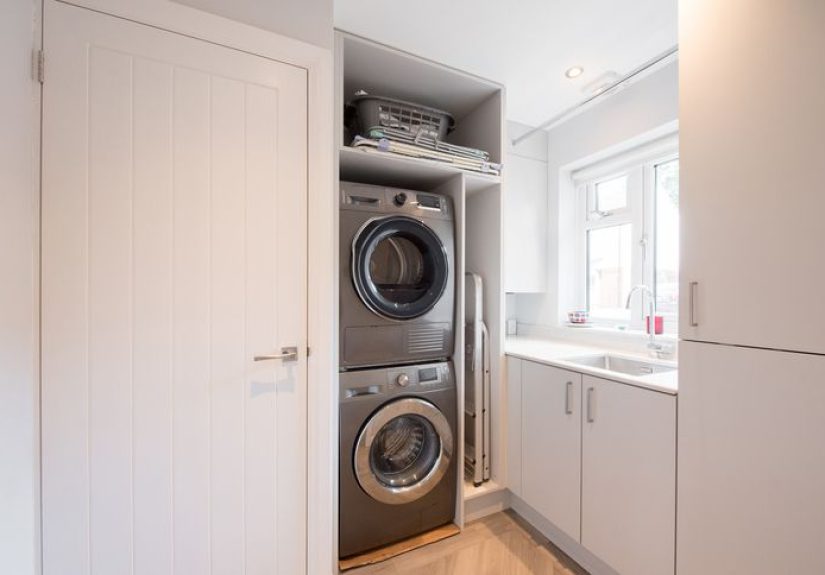
Apartment dwellers and owners of stacked or compact laundry units often report a different challenge: access. When the machine is tucked into a closet or narrow alcove, it is easy to clean only the obvious parts and ignore everything else. That makes a flashlight, a narrow vacuum attachment, and a flexible lint brush especially useful. In small spaces, simple maintenance matters more because airflow problems can go unnoticed longer.
Perhaps the biggest experience people share is relief. Once the slot is cleaned and the dryer starts performing normally again, the job feels far more worthwhile than glamorous. Nobody posts a framed photo of their freshly vacuumed lint trap channel. But they do appreciate shorter dry times, fewer repeat cycles, and the confidence that the machine is operating more safely. It is one of those home tasks that seems minor until you finally do it right and realize it should have been on the list all along.