Table of Contents >> Show >> Hide
- Why Pregnancy Can Make Your Skin So Dramatic
- Common Pregnancy Rashes and Related Conditions
- What Causes Pregnancy Rashes?
- How Doctors Diagnose a Pregnancy Rash
- Treatment: What Actually Helps
- When to Call Your Doctor Right Away
- Can Pregnancy Rashes Be Prevented?
- What Pregnancy Rashes Often Feel Like in Real Life
- Conclusion
- SEO Tags
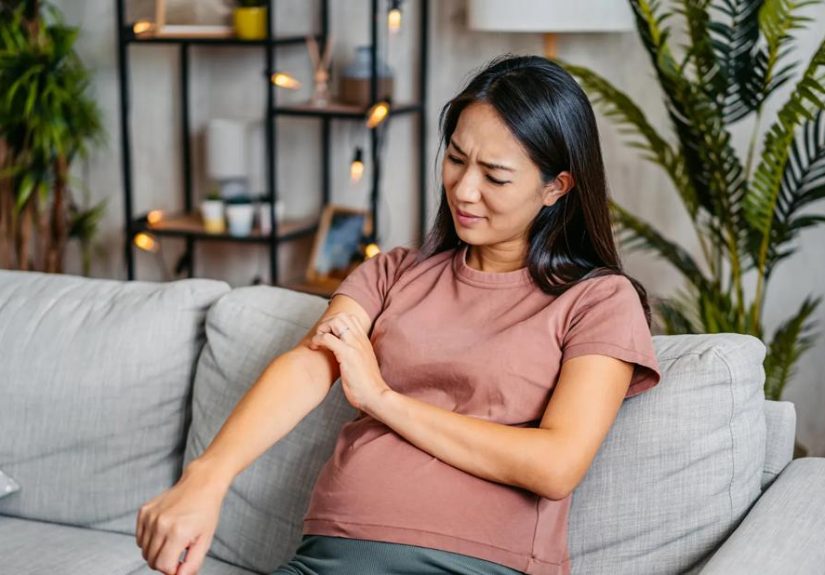
Pregnancy changes a lot of things: your sleep schedule, your snack priorities, your relationship with pickles, and sometimes your skin. One day your belly is glowing, and the next day it is itchy enough to make you consider scratching with a salad fork. The good news is that many pregnancy rashes are more annoying than dangerous. The less-fun news is that some skin symptoms can signal a condition that needs medical attention quickly.
If you are dealing with redness, bumps, hives, or relentless itching, you are not imagining it and you are definitely not alone. Pregnancy rashes can happen because of stretching skin, increased blood flow, sweat, friction, hormone shifts, immune-system changes, or pregnancy-specific skin conditions. Some are mild and temporary. Others need closer monitoring because they can affect you, your baby, or both.
This guide breaks down the most common types of pregnancy rashes, what may cause them, how doctors usually treat them, and when it is time to stop Googling and call your OB-GYN or midwife.
Why Pregnancy Can Make Your Skin So Dramatic
Pregnancy can make skin more reactive for several reasons. Hormones can change how much oil your skin makes and how well your skin barrier holds moisture. Blood volume increases, which can make skin feel warmer and more sensitive. As your abdomen grows, stretching can irritate the skin and the connective tissue underneath it. Add sweat, tight waistbands, bras that suddenly feel personally offensive, and the occasional scented lotion that your skin now treats like a sworn enemy, and a rash becomes much easier to understand.
Doctors usually think about pregnancy skin problems in three buckets: normal hormone-related changes, preexisting skin conditions that flare during pregnancy, and pregnancy-specific dermatoses. That last category includes the skin conditions people most often mean when they talk about a true “pregnancy rash.”
Common Pregnancy Rashes and Related Conditions
1. PUPPP or PEP
PUPPP stands for pruritic urticarial papules and plaques of pregnancy. Many experts now also call it polymorphic eruption of pregnancy, or PEP. Same miserable itch, slightly tidier name.
This is one of the most common pregnancy-specific rashes. It usually shows up in the third trimester, especially in a first pregnancy. It often begins in stretch marks on the abdomen and may spread to the thighs, buttocks, breasts, or arms. The bumps can look red, hive-like, or blotchy. One clue that helps separate it from some other conditions: the area right around the belly button is often spared.
PUPPP is miserable, but it is generally considered harmless for both parent and baby. It is more common with twins or triplets and in pregnancies where the belly stretches quickly. Experts do not know the exact cause, but skin stretching and inflammation seem to play a major role.
Typical treatment: cool baths, fragrance-free moisturizers, loose cotton clothing, topical corticosteroid creams, and pregnancy-safe antihistamines if your clinician approves them. In severe cases, a doctor may prescribe stronger medication. Most cases improve after delivery.
2. Atopic Eruption of Pregnancy
Atopic eruption of pregnancy, often shortened to AEP, is a broad umbrella. It includes eczema-like flares, prurigo of pregnancy, and sometimes pruritic folliculitis. In plain English: pregnancy can turn the “itch” setting way up, especially if you already have a history of eczema, allergies, or asthma.
AEP often starts earlier than PUPPP, sometimes in the first or second trimester. The rash may appear in classic eczema spots like the inside of the elbows, behind the knees, the neck, or the face. It can also show up as itchy small bumps on the arms, legs, trunk, or around hair follicles. The skin may look dry, rough, scaly, or inflamed. Scratching can make it worse, which is rude but very on brand for eczema.
The good news is that AEP is not usually linked to dangerous pregnancy complications. The bad news is that it can seriously mess with sleep and comfort.
Typical treatment: gentle skin care, thick fragrance-free creams or ointments, trigger avoidance, lukewarm showers, and topical corticosteroids recommended by your clinician. Some people also need antihistamines or a more tailored treatment plan from a dermatologist or OB-GYN.
3. Prurigo of Pregnancy
Prurigo of pregnancy is often grouped under atopic eruption of pregnancy, but it is worth calling out because it has a distinct look. It tends to cause small, itchy bumps that can resemble bug bites, pimples, or little crusty nodules. These bumps commonly appear on the arms, legs, shoulders, or belly and may cluster together.
Prurigo can begin in the second or third trimester, though timing varies. It does not usually cause harm to the baby, but it can linger for weeks after birth in some people. Because it can overlap with other itchy conditions, your clinician may order blood tests or other evaluation to rule out problems such as cholestasis.
Typical treatment: moisturizers, soothing lotions, topical steroids, and sometimes antihistamines, always with pregnancy-specific guidance from your provider.
4. Heat Rash, Contact Dermatitis, Hives, and Other Everyday Rashes
Not every rash during pregnancy is a pregnancy-specific rash. Sometimes it is ordinary skin drama wearing maternity clothes. Pregnancy can make you more prone to heat rash, sweat rash, chafing, allergic contact dermatitis, hives, yeast rashes in skin folds, or irritation from products you used just fine before pregnancy.
For example, a heavily scented body wash might suddenly sting. A stretchy belly panel might trap heat and sweat. A new laundry detergent might start an all-out rebellion on your skin. In these cases, the solution is often less mysterious: remove the trigger, cool the skin, moisturize well, and use provider-approved treatment if needed.
5. Pemphigoid Gestationis
This one is rare, but it matters. Pemphigoid gestationis is an autoimmune blistering rash that can appear during pregnancy or shortly after delivery. It often begins with intense itching and red bumps or plaques around the belly button, then may spread and develop into blisters.
Unlike PUPPP, which usually avoids the navel area, pemphigoid gestationis commonly starts there. That detail may sound tiny, but in dermatology tiny details have huge main-character energy.
This condition needs prompt medical evaluation because it can be associated with complications such as preterm birth or growth concerns in some pregnancies. Diagnosis may involve a skin biopsy. Treatment often requires prescription topical steroids, oral steroids, or specialist care.
6. Cholestasis of Pregnancy: Not a Rash, But Absolutely Worth Mentioning
Cholestasis of pregnancy is not technically a rash, but it can start with severe itching and get mistaken for one. It typically causes intense itchiness without a primary rash, often on the palms of the hands and soles of the feet, and it is often worse at night. The redness people notice may come from scratching, not from an actual skin eruption.
This is important because cholestasis is a liver condition, not a skin condition. It can raise risks for the baby and usually needs blood tests, close monitoring, and a treatment plan. In some cases, clinicians recommend delivery around 37 weeks.
If you are pregnant and have intense itching with little or no rash, especially on your hands or feet, call your pregnancy provider right away.
7. Pustular Psoriasis of Pregnancy
This is another rare but serious condition. Pustular psoriasis of pregnancy, sometimes called impetigo herpetiformis, can cause red skin with clusters of painful pustules, along with symptoms such as fever, nausea, or feeling unwell. This is not a “let me try a nicer moisturizer and see what happens” situation. It needs urgent medical care.
What Causes Pregnancy Rashes?
The cause depends on the type of rash, but the usual suspects include:
- Hormonal shifts: These can alter your skin barrier, inflammation levels, oil production, and immune responses.
- Skin stretching: Especially in the abdomen, stretching can irritate tissue and trigger inflammation.
- Immune-system changes: Pregnancy changes how the immune system behaves, which may worsen eczema or contribute to pregnancy-specific dermatoses.
- Sweat and friction: Heat, rubbing, and moisture in skin folds can lead to irritation or rash.
- Contact triggers: Fragrances, detergents, fabrics, skincare products, and adhesives may suddenly become irritating.
- Autoimmune processes: In pemphigoid gestationis, the body makes antibodies that affect the skin.
- Liver-related causes: In cholestasis, bile acids build up and cause intense itching without a classic rash.
How Doctors Diagnose a Pregnancy Rash
Diagnosis starts with the basics: when the itching began, what the rash looks like, where it started, whether it involves the belly button, whether there are blisters, and whether you have symptoms like fever or jaundice. Your clinician may also ask whether you have eczema, allergies, asthma, or a history of similar problems in a prior pregnancy.
Depending on the symptoms, testing may include blood work such as liver function tests or bile acids, especially if cholestasis is a concern. A skin biopsy may be used when pemphigoid gestationis or another uncommon rash is suspected. This matters because the treatment for a harmless late-pregnancy rash is very different from the treatment for a condition linked to fetal risk.
Treatment: What Actually Helps
Home Care That Often Helps
- Use fragrance-free creams or ointments instead of heavily scented lotions.
- Take lukewarm, not hot, showers.
- Try oatmeal baths or cool compresses.
- Wear loose, breathable clothing, especially cotton.
- Avoid overheating and stay well hydrated.
- Switch to gentle soaps and detergents if your skin has become more reactive.
- Keep nails short so scratching does less damage while you sleep.
Medications Doctors Commonly Consider
Treatment should always be personalized in pregnancy, but common options include topical corticosteroids, antihistamines approved by your clinician, and other prescription therapies depending on the diagnosis. Low- to mid-potency topical corticosteroids are generally considered safe in pregnancy when used appropriately, while more extensive use of high-potency steroids deserves closer medical supervision. For cholestasis, treatment is not about “rash cream” at all; it may include medication such as ursodiol and closer fetal monitoring.
The key takeaway is simple: do not self-prescribe your way through pregnancy because the internet once met a tube of cream and got overconfident. Ask your OB-GYN, midwife, dermatologist, or primary care clinician what is safe for your specific situation.
When to Call Your Doctor Right Away
Contact your pregnancy provider promptly if you have any of the following:
- Severe or constant itching, especially with little or no rash
- Itching that is worse on the palms or soles
- Blisters or rash that begins around the belly button
- Yellowing of the skin or eyes
- Fever, nausea, feeling very unwell, or pain with the rash
- Rapid spread of the rash
- Swelling of the lips or tongue, trouble breathing, or signs of an allergic reaction
- A rash that is not improving with gentle home care
Most pregnancy rashes are not dangerous, but this is one of those situations where “probably fine” is not a diagnosis.
Can Pregnancy Rashes Be Prevented?
You cannot prevent every pregnancy rash, especially the pregnancy-specific ones. But you can lower the odds of irritation and make flare-ups less dramatic by moisturizing regularly, avoiding fragranced products, wearing loose breathable fabrics, showering after heavy sweating, and talking early with your doctor if you have eczema or sensitive skin before pregnancy.
If you had cholestasis or pemphigoid gestationis in a prior pregnancy, mention that history at the very start of prenatal care. Those conditions can recur, and your care team will want that information early.
What Pregnancy Rashes Often Feel Like in Real Life
Medical descriptions are useful, but they can sound a little too tidy. “Pruritic papules” does not fully capture the lived experience of trying to sleep while your stomach feels like it has been dusted with invisible ants and mild betrayal. So here is the human version.
Many pregnant people describe the itch as the symptom that sneaks up on them. At first it feels like ordinary dry skin. Then it becomes the thing they think about in the shower, while getting dressed, during meetings, in the grocery line, and at 2:13 a.m. when they are already awake because the baby has decided the rib cage is a trampoline. The discomfort is not always dramatic enough to look alarming from across the room, but it can still be exhausting.
With PUPPP or PEP, the rash often starts where the skin is most stretched. Someone may notice a few itchy bumps in the stretch marks and assume it is just dry skin. A day later, the area looks angrier and the itch is stronger. Tight clothing becomes intolerable. Waistbands feel offensive. Even a soft maternity shirt can suddenly feel like sandpaper. A person may not be in danger, but they can feel worn down, cranky, and very ready to file a formal complaint with the third trimester.
People with eczema or atopic eruption of pregnancy often describe a different pattern. Instead of one obvious rash patch, they may have scattered flare-ups that come and go. Their skin feels dry, reactive, and impossible to please. One cream is too greasy, another stings, and hot water turns a quick shower into a regret spiral. They may also feel frustrated because the rash does not always look severe enough to match how distracting it feels.
Prurigo can be especially annoying because the bumps may look small while the itch feels huge. Some people worry others will think they have bug bites, an allergy, or poor hygiene. In reality, it is just another example of pregnancy turning the body into a science experiment with limited user documentation.
The emotional side matters too. Many pregnant people worry first about the baby, not the itch. That is why getting evaluated can be such a relief. If the diagnosis is a benign rash, they can focus on comfort instead of fear. If it turns out to be cholestasis or another condition that needs monitoring, they can start the right treatment and follow-up instead of guessing at home.
Another common experience is sleep loss. Itching tends to feel worse at night, and nighttime itching can make everything harder the next day: patience, concentration, work, meal prep, parenting older kids, and coping with the hundred other things pregnancy is already asking you to do. Even when a rash is medically mild, it can still have a real effect on quality of life.
The reassuring pattern many people report is that once the correct diagnosis is made and treatment starts, the situation feels more manageable. Maybe the rash does not vanish overnight, but there is a plan. There is a cream that helps, a soap that does not sting, a reason to ditch the scented body wash, and a clear understanding of what symptoms deserve a call back. In other words, knowledge may not stop the itch instantly, but it does stop the panic.
Conclusion
Pregnancy rashes range from irritating to urgent, and knowing the difference matters. PUPPP, prurigo, and eczema-type flares are common and usually not dangerous, though they can be extremely uncomfortable. Pemphigoid gestationis and pustular psoriasis of pregnancy are rare but more serious. Cholestasis is not really a rash, yet it is one of the most important causes of pregnancy itching to recognize quickly.
If your skin is itchy, blotchy, bumpy, or suddenly acting like it is auditioning for a medical textbook, do not panic. Start with gentle skin care, skip the fragranced products, and call your provider if symptoms are severe, unusual, or not improving. Pregnancy already asks a lot from your body. Your skin does not need to add unnecessary plot twists.