Table of Contents >> Show >> Hide
- What Is a Sigmoidoscopy?
- Why Is a Sigmoidoscopy Done?
- Sigmoidoscopy vs. Colonoscopy
- How to Prepare for a Sigmoidoscopy
- What Happens During the Procedure?
- Does a Sigmoidoscopy Hurt?
- What Happens After a Sigmoidoscopy?
- Understanding Sigmoidoscopy Results
- What Can a Sigmoidoscopy Diagnose?
- Risks and Limitations of Sigmoidoscopy
- Who Might Benefit Most From a Sigmoidoscopy?
- Real-World Experiences With Sigmoidoscopy
- Final Thoughts
Let’s be honest: nobody wakes up thinking, “You know what would really spice up my week? A look inside my lower colon.” And yet, a sigmoidoscopy is one of those surprisingly useful medical tests that can answer big questions with a relatively small amount of drama. When doctors need a closer look at the rectum and lower part of the colon, this procedure can help them spot inflammation, ulcers, polyps, bleeding, and other changes that deserve attention.
If you’ve been told you need a sigmoidoscopy, you may be wondering whether it hurts, how to prepare, what the doctor is looking for, and what the results actually mean. The good news is that this test is usually quicker and less involved than a full colonoscopy. The even better news is that understanding it ahead of time can make the whole experience feel a lot less mysterious.
This guide breaks down the purpose of a sigmoidoscopy, what happens before and during the procedure, what results may show, and what many people experience afterward. Think of it as the no-panic, no-jargon version of a topic that most people would rather not Google at 2 a.m.
What Is a Sigmoidoscopy?
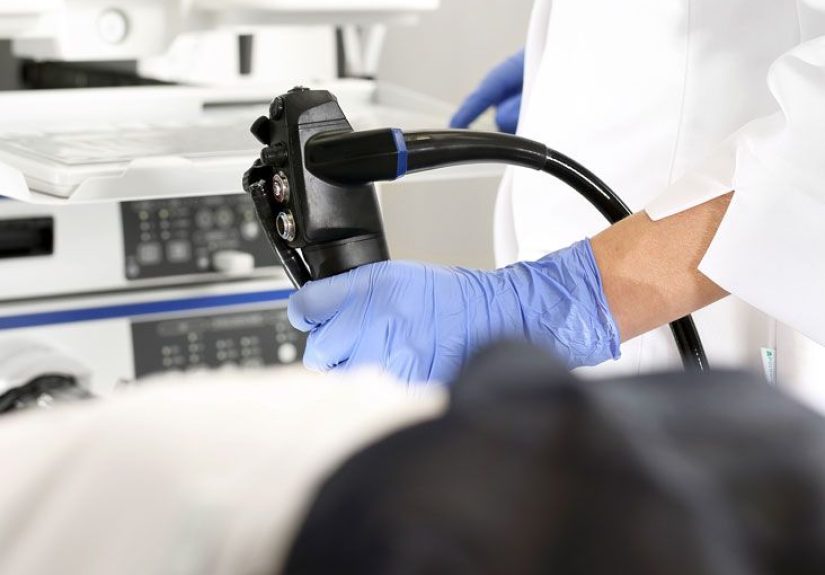
A sigmoidoscopy is a procedure that allows a healthcare provider to examine the inside of the rectum and the lower part of the large intestine. In modern practice, the term usually refers to a flexible sigmoidoscopy, which uses a thin, flexible tube with a light and camera on the end. The scope is inserted through the anus and gently advanced into the rectum and sigmoid colon.
This test focuses on the lower section of the colon rather than the entire colon. That is the main reason it is often described as a “partial colon exam.” It is less extensive than a colonoscopy, but it can still provide valuable information when symptoms or screening needs point to the left side of the colon and rectum.
What Part of the Digestive Tract Does It Check?
A sigmoidoscopy typically examines:
- The anus and rectum
- The sigmoid colon
- Sometimes part of the descending colon
Because it does not inspect the entire colon, it can miss problems that are located farther up. That limitation matters, especially when doctors are trying to rule out disease in the whole large intestine.
Why Is a Sigmoidoscopy Done?
The purpose of a sigmoidoscopy is simple: it helps a doctor look directly at the lining of the lower colon and rectum to identify abnormalities. Instead of guessing based only on symptoms, your provider can actually see what is going on and, in some cases, take a biopsy or remove a small polyp during the same visit.
A doctor may recommend a sigmoidoscopy for several reasons, including:
- Rectal bleeding
- Chronic diarrhea
- Constipation or changes in bowel habits
- Lower abdominal or rectal pain
- Follow-up after previous polyps or abnormal findings
- Evaluation of inflammation, such as suspected ulcerative colitis
- Colorectal cancer screening in selected situations
It may also be used when a provider wants tissue samples to check for infection, inflammation, or other disease. In some cases, the test is chosen because it is faster and less demanding than a colonoscopy, especially when the concern seems limited to the lower bowel.
Sigmoidoscopy vs. Colonoscopy
This is one of the most common questions, and it is a good one. A sigmoidoscopy and a colonoscopy are similar in that both use a scope to look inside the large intestine. The difference is how far they go and what they are designed to evaluate.
Key Differences
- Sigmoidoscopy: Examines the rectum and lower colon
- Colonoscopy: Examines the rectum and the entire colon
- Sigmoidoscopy: Usually involves lighter bowel prep
- Colonoscopy: Usually requires a full bowel cleanout
- Sigmoidoscopy: Often done without sedation
- Colonoscopy: More commonly performed with sedation
- Sigmoidoscopy: Typically has a shorter recovery
- Colonoscopy: Gives a more complete view of the colon
In screening discussions, colonoscopy is often viewed as the more comprehensive test because it can detect problems throughout the colon. Still, flexible sigmoidoscopy remains a real option in some screening pathways and may be used every five years in certain average-risk adults, sometimes paired with annual stool testing depending on the strategy recommended by a provider.
How to Prepare for a Sigmoidoscopy
Preparation matters because the doctor needs a clear view of the lower colon. If stool is still hanging around like an unwanted houseguest, the exam may be less accurate or may need to be repeated.
What Prep Usually Includes
Your provider will give instructions based on the reason for the test and your health history. Preparation may include:
- A clear liquid diet for part of the day before the procedure
- Laxatives or a smaller-volume bowel prep
- One or more enemas
- Temporary changes to medications
You should tell your doctor about all medicines you take, especially blood thinners, diabetes medications, iron supplements, and anything that affects bleeding. This is not the time for surprise plot twists.
Can You Eat Before a Sigmoidoscopy?
Sometimes yes, sometimes not much, and sometimes absolutely not after a certain point. It depends on the type of prep your provider wants. Some people need only enemas and a lighter diet, while others may need additional bowel-cleansing steps. The instructions from your healthcare team matter more than anything you read on a random message board.
What Happens During the Procedure?
A sigmoidoscopy is usually done in a clinic, office, hospital, or outpatient center. The exam itself often takes about 10 to 20 minutes, though the total visit may be longer because of check-in, preparation, and recovery.
Step-by-Step
- You change into a gown and lie on your left side.
- The provider may first do a gentle rectal exam.
- The sigmoidoscope is inserted through the anus into the rectum and lower colon.
- Air or carbon dioxide may be introduced to open the bowel for a better view.
- The camera sends images to a monitor so the provider can inspect the lining.
- If needed, the doctor may take a biopsy or remove a small polyp.
If you hear the phrase “you may feel pressure,” that is medical shorthand for “this may feel weird, but it should be manageable.” Many people notice cramping, fullness, or the urge to pass gas. That sensation is usually related to the air used during the exam, not because your body has suddenly decided to start a protest.
Does a Sigmoidoscopy Hurt?
Most people describe a sigmoidoscopy as uncomfortable rather than painful. The most common sensations are pressure, cramping, bloating, and the feeling that you need to have a bowel movement right that second. The scope itself is thin and flexible, and the exam is generally brief.
Because sedation is often not required, you are usually awake during the procedure. That can sound intimidating, but it also means faster recovery and a quicker return to normal activities. Some facilities do use sedation in select cases, so your experience may depend on your medical center and your provider’s plan.
What Happens After a Sigmoidoscopy?
After the procedure, you may feel bloated or have mild cramping for a short time. Passing gas is very common and actually helpful, because it relieves the pressure from the air introduced during the exam. Walking around can also help.
If no sedative was used, many people can return to normal activities and resume their usual diet fairly quickly. If a biopsy was taken or a polyp was removed, you might have a small amount of rectal bleeding. Mild spotting can be normal, but heavier bleeding is not something to shrug off and call “probably fine.”
When to Call Your Doctor
You should contact your healthcare provider right away if you have:
- Fever or chills
- Severe belly pain
- Significant swelling
- Bleeding that lasts more than a day or seems heavy
- Weakness, faintness, or an inability to pass gas
Understanding Sigmoidoscopy Results
Results from a sigmoidoscopy may be discussed immediately after the exam, especially if the doctor saw obvious findings. If a biopsy or polyp removal was done, those tissue samples need to be analyzed in a lab, so final results may take a few days.
Normal Results
A normal sigmoidoscopy means the lining of the rectum and lower colon looked healthy, without obvious inflammation, ulcers, bleeding sources, polyps, or suspicious growths. That is reassuring, but it does not always rule out disease in parts of the colon that the scope did not reach.
Abnormal Results
An abnormal result can mean several different things. The test may show:
- Inflamed or swollen tissue
- Ulcers
- Polyps
- Areas of bleeding
- Signs suggestive of colitis
- Suspicious masses or cancer
If the doctor finds a polyp, it may be removed and sent for testing. If abnormal tissue is seen, a biopsy can help determine whether it is caused by inflammation, infection, precancerous change, or cancer. In some cases, an abnormal sigmoidoscopy leads to a full colonoscopy so the rest of the colon can be evaluated.
What Can a Sigmoidoscopy Diagnose?
A sigmoidoscopy does not produce one single diagnosis on its own every time, but it can strongly point the doctor toward one. Conditions and findings that may be identified or supported by sigmoidoscopy include:
- Colon or rectal polyps
- Ulcerative colitis and other inflammatory changes
- Ulcers in the lower colon
- Sources of lower gastrointestinal bleeding
- Rectal or sigmoid colon cancer
- Structural abnormalities in the lower bowel
It can also help explain ongoing symptoms that have not been solved by stool tests, blood work, or physical exam alone.
Risks and Limitations of Sigmoidoscopy
A flexible sigmoidoscopy is generally considered safe, but no procedure is totally risk-free. Potential complications include:
- Bleeding
- Perforation, which is a tear in the colon wall
- Severe abdominal pain
- Problems related to a biopsy or polyp removal
The bigger limitation, however, is not always the risk. It is the scope of the scope. A sigmoidoscopy looks only at the lower section of the colon, so it may miss abnormalities located farther up. That is why it is not interchangeable with colonoscopy in every situation, and why follow-up testing may still be needed.
Who Might Benefit Most From a Sigmoidoscopy?
A sigmoidoscopy may be especially useful for people whose symptoms appear to involve the lower colon and rectum, for those who need a quicker lower-bowel evaluation, or for patients who are not ideal candidates for a more involved test. It can also be helpful in monitoring certain known conditions or checking previously identified left-sided abnormalities.
That said, the “best” test depends on the clinical question. If the goal is to examine the entire colon for cancer screening or unexplained symptoms, a colonoscopy may be the better fit. If the goal is to get focused information from the lower colon with less prep and a shorter visit, sigmoidoscopy may be exactly the right move.
Real-World Experiences With Sigmoidoscopy
Many people approach a sigmoidoscopy with the same emotional cocktail: worry, embarrassment, and a sincere desire to discuss literally any other topic. In real life, though, the experience is often less dramatic than people expect. One of the most common comments patients make is that the anticipation was worse than the actual procedure. The prep is often described as the most annoying part, especially if enemas or laxatives are involved. People tend to say the inconvenience is more memorable than the discomfort. In other words, the colon may not love the schedule change, but the rest of the day usually survives just fine.
Before the test, many patients say their biggest concern is modesty. That is completely understandable. A procedure involving the rectum does not exactly scream “casual Tuesday.” But healthcare teams do this every day, and most people report feeling more at ease once the staff explains the steps clearly and keeps the process efficient. Patients often say that having a provider who talks them through the exam in plain language makes a major difference. When people know what sensation is coming next, the whole thing tends to feel more manageable.
During the procedure, the most commonly described sensations are pressure, cramping, and the urge to have a bowel movement. Some people say it feels odd rather than painful. Others compare it to gas pain with an audience, which is not the most glamorous review, but it is honest. The air or carbon dioxide used to open the colon for visibility is usually what creates that temporary bloated feeling. Patients often report that the discomfort comes in waves and fades quickly once the scope is repositioned or the exam ends. Because flexible sigmoidoscopy is usually short, many people are surprised by how quickly it is over.
Afterward, a lot of people feel immediate relief simply because the unknown is gone. Even when the final biopsy report is still pending, there is comfort in hearing a doctor say things like, “I didn’t see a mass,” or “I found some inflammation, and now we know what to investigate next.” For patients who have been dealing with rectal bleeding, chronic diarrhea, or ongoing bowel changes, having a concrete next step can feel more empowering than endlessly guessing. There is also a practical kind of relief when no sedation is used: many patients appreciate being able to get back to their routine without feeling groggy for the rest of the day.
Of course, not every experience is identical. Some people are frustrated when a sigmoidoscopy finds something that requires a follow-up colonoscopy. That can feel like a sequel nobody asked for. Still, many patients say they would rather know about a polyp, ulcer, or inflamed area than leave a potentially important issue undiscovered. People being evaluated for inflammatory bowel disease often describe the procedure as a turning point because it provides visible evidence of what has been causing symptoms. Others who receive normal results may still need more testing, but they frequently say the exam brought at least one valuable thing: clarity. And in digestive health, clarity is often half the battle.
Final Thoughts
A sigmoidoscopy may never become anyone’s favorite calendar event, but it is a useful, efficient procedure that can reveal a great deal about the lower digestive tract. It helps doctors investigate symptoms, monitor disease, find polyps, collect biopsies, and sometimes catch serious conditions before they have a chance to cause bigger trouble.
If your provider recommends a sigmoidoscopy, the best next move is to follow the prep instructions carefully, ask questions about medications and sedation, and know what symptoms should prompt a call afterward. The procedure itself is usually brief, and the information it provides can be genuinely important. Not exactly spa-day material, but definitely a solid investment in your health.