Table of Contents >> Show >> Hide
- What Paget Brewster’s Shout-Out Was Really About
- Why Criminal Minds Fans Cared So Much
- The Long Friendship Behind the Post
- What This Says About Shemar Moore’s Place in the Franchise
- Why the Shout-Out Also Worked as Great PR Without Feeling Like PR
- Where the Franchise Stands Now
- Why This Little Gesture Meant So Much
- Extra: The Fan Experience of Seeing Former Co-Stars Cheer Each Other On
- Conclusion
Every long-running TV drama says the cast is a family. Some mean it in the polite, red-carpet, “we all totally text each other” way. And some mean it in the real waythe kind where a former co-star sends a quick note, a photo, a little encouragement, and suddenly the internet is clutching its emotional support coffee mug.
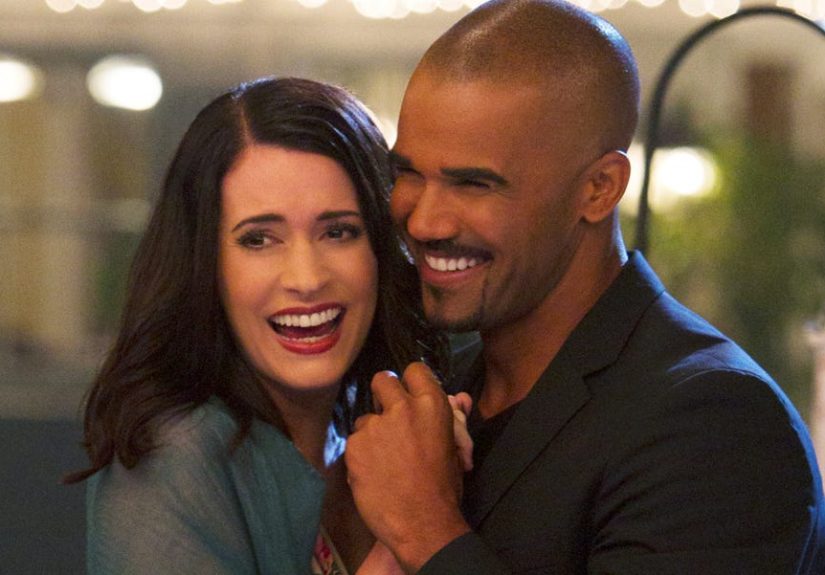
That is exactly why fans perked up when Paget Brewster gave a public shout-out to her former Criminal Minds co-star Shemar Moore. The moment was small in the best possible way: no stunt casting, no dramatic teaser trailer, no giant corporate announcement with thunder sound effects. Just a sweet, supportive exchange that reminded fans why the Criminal Minds cast still inspires so much loyalty.
For viewers who spent years watching Emily Prentiss and Derek Morgan trade intense casework, side-eyes, and occasional “we are definitely holding this team together with caffeine and trauma processing” energy, the post landed like a warm reunion. It was proof that the chemistry people loved on screen did not vanish the second the cameras stopped rolling.
And honestly? That matters. In a television era built on reboots, revivals, spin-offs, surprise cameos, and enough nostalgia to power a small city, fans do not just want familiar faces. They want to believe the connection was real. Brewster’s shout-out did exactly that.
What Paget Brewster’s Shout-Out Was Really About
The heart of the moment was simple. Brewster shared a post showing that Moore had texted her a photo of a billboard promoting Criminal Minds: Evolution. Her caption framed it as one of those deeply appreciated messages that comes from an old friend who is still cheering you on. She also thanked fans, making it clear that the love between cast members and the love from viewers are tied together.
That is part of why the post resonated so strongly. It was not promotional in a stiff, obligatory way. It felt personal. Moore was not making a flashy public speech; he was doing something quieter and arguably better. He saw his former co-star’s show on a billboard, took the photo, and sent it along like a proud friend. Brewster then turned that private kindness into a public thank-you.
In celebrity-news terms, that may sound tiny. In fan terms, it was huge. TV audiences notice the difference between “two actors once worked together” and “these people still root for each other.” One is trivia. The other is emotional currency.
Why Criminal Minds Fans Cared So Much
Criminal Minds has always been more than its weekly unsub. Yes, the show built its identity around profilers, dark cases, and the phrase “wheels up” becoming basically sacred. But the real glue was the ensemble. The BAU worked because the team felt lived-in. The agents argued, grieved, teased each other, and behaved like people who had spent way too many hours on planes with no legroom.
Shemar Moore’s Derek Morgan brought swagger, heart, and action-hero energy. Paget Brewster’s Emily Prentiss brought intelligence, dry wit, steel-spined leadership, and the kind of stare that could make a suspect confess and a coworker reconsider their life choices. They were different characters with different rhythms, but both helped define the emotional shape of the series.
So when Brewster shouted out Moore, fans did not see just two actors. They saw two pillars of a show that ran for years, survived cast changes, ended, came back, and somehow kept its audience emotionally attached. That is not easy. Plenty of procedurals run forever. Far fewer build a fandom that still lights up over a supportive text.
The nostalgia factor is powerfuland earned
Let’s be honest: nostalgia can be cheap. Studios know that if they show you the right face, play the right music, and hint at one old catchphrase, half the audience will gasp like they just discovered time travel. But the Criminal Minds fandom is not responding only to nostalgia. It is responding to continuity of feeling.
Moore played Derek Morgan for the first 11 seasons before leaving as a series regular in 2016. He later returned for guest appearances, which kept the door cracked open for fans who never fully gave up hope. Brewster, meanwhile, had her own winding path with the franchise. She joined in season 2, stepped away as a regular after season 7, then later returned and became central again to the team’s modern era.
In other words, both actors are tied to the show’s identity in a way that goes beyond a single season or storyline. When one celebrates the other, fans naturally treat it like a mini-event.
The Long Friendship Behind the Post
Part of what makes Brewster and Moore’s interaction so charming is that it does not feel manufactured. Over the years, Criminal Minds cast members have repeatedly spoken about the closeness of the ensemble. That does not mean they all spend every weekend doing matching friendship bracelets and synchronized brunch, but it does mean the bonds built during the original run did not simply disappear.
Brewster’s public voice has always helped with that perception. She is funny, a little irreverent, and often refreshingly un-polished in the best sense. She can sound like someone who is both a respected veteran actor and the funniest person in the group chat. So when she shares something warm, it rarely feels like generic publicity copy. It feels like her.
Moore, meanwhile, has long had a reputation for showing affection openly. Whether fans know him as Derek Morgan, Hondo, or from earlier stages of his career, his public persona has always leaned toward big energy, gratitude, and loyalty. That makes this exchange feel especially on-brand for both of them. No one had to squint and wonder whether the interaction was sincere. It read as completely believable.
What This Says About Shemar Moore’s Place in the Franchise
Even though Moore has not returned as a regular part of Criminal Minds: Evolution, he remains one of the franchise’s most beloved figures. Derek Morgan is not just another former agent. He is one of the signature characters of the original run. He brought muscle, vulnerability, and some of the show’s most memorable emotional beats.
His departure in season 11 was significant because it changed the energy of the team. Morgan was not background flavor; he was one of the defining ingredients. And because Moore later came back for guest appearances in seasons 12 and 13, fans have never fully stopped imagining one more return.
Moore himself has fueled that hope without overpromising. He has said that he would be open to returning if invited. That is exactly the kind of answer that makes fandoms go from “maybe someday” to “so you’re saying there’s a chance.” Not a confirmed comeback, not a denialjust enough oxygen to keep the dream alive.
Could Derek Morgan still come back?
That question follows this franchise like a shadow. In 2025, Brewster said she genuinely did not know whether Moore would return to Evolution. That honesty is probably the most useful answer fans could get. It was not coy teasing. It was a straightforward acknowledgment that cast reunions depend on timing, schedules, creative plans, and a small mountain of behind-the-scenes logistics.
As things stand, Criminal Minds: Evolution is still moving forward without an announced Morgan return. The current official information around season 19 points to a continuing BAU lineup that includes Paget Brewster, Joe Mantegna, A.J. Cook, Kirsten Vangsness, Aisha Tyler, Adam Rodriguez, Zach Gilford, and RJ Hatanaka. Moore is still deeply associated with the franchise, but he is not currently listed as part of the season 19 regular cast.
That said, TV history is basically one long lesson in never saying never. This is especially true for a franchise that has already shown a willingness to bring familiar faces back when the moment is right.
Why the Shout-Out Also Worked as Great PR Without Feeling Like PR
Here is the sneaky genius of the whole thing: Brewster’s shout-out did help generate buzz for Criminal Minds: Evolution, but it did so in a way that felt organic rather than corporate. Fans are much more likely to engage with a human moment than with a polished poster and a caption that sounds like it was approved by six departments and a very nervous intern.
The exchange reminded people that the show is still alive, still loved, and still connected to its roots. It bridged the original CBS years and the Paramount+ revival without feeling like a calculated content strategy. Of course it also served the show. But it served the show by reminding fans why they cared in the first place.
That is smart entertainment storytelling. The best franchise maintenance is rarely “remember this brand.” It is “remember how this made you feel.” Brewster and Moore accomplished that with one billboard photo and a caption full of gratitude.
Where the Franchise Stands Now
For anyone wondering whether this sweet little moment belongs to a franchise that is still relevant, the answer is yes. Criminal Minds: Evolution has continued to push forward, and as of spring 2026, season 19 is scheduled to premiere on May 28, 2026. That means the BAU is still very much in business, still profiling monsters, still exchanging loaded looks in conference rooms, and still finding new ways to make viewers mutter, “Maybe I should stop watching this right before bed.”
Moore, for his part, has continued evolving in his own career path as well. The original CBS run of S.W.A.T. ended after eight seasons, and his next chapter includes S.W.A.T. Exiles. So while fans may want a Morgan comeback tomorrow afternoon, real life remains inconveniently full of schedules, contracts, and other enemies of instant gratification.
Still, the affection between Brewster and Moore keeps the idea alive. Not as an obligation, but as a possibility. That is often more exciting anyway. A forced return can feel hollow. A return built on genuine affection and timing? That is the good stuff.
Why This Little Gesture Meant So Much
At its core, Paget Brewster’s shout-out to Shemar Moore mattered because it was normal. It was friendly. It was warm. And in an entertainment ecosystem flooded with overproduction, the normal stuff can feel surprisingly rare.
There was no feud to decode, no scandal to spin, no mystery to “solve” with twelve blurry screenshots and a YouTube thumbnail screaming in all caps. Just a former co-star saying, essentially, “Look at my friend being lovely,” and fans responding, “Well, now I’m emotional for no reason in the cereal aisle.”
That is the magic of ensemble television. If the show worked, the bonds linger. They stay with the audience. They make even tiny interactions feel significant. And when the cast itself keeps validating those bonds years later, it turns ordinary social media posts into little celebrations of continuity.
So yes, the shout-out was sweet. But it was more than sweet. It was a reminder that some TV relationships leave a mark that outlasts plot twists, network changes, and season numbers so high they start sounding made up.
Extra: The Fan Experience of Seeing Former Co-Stars Cheer Each Other On
One of the most relatable things about this whole moment is the way it mirrors real-life friendships that survive major life changes. People leave jobs, move cities, switch industries, raise kids, reinvent themselves, or simply get older and busier. The friendship does not always disappear. Sometimes it just gets distilled. A check-in text. A photo sent at the right time. A public “hey, I’m proud of you” that lands harder than a long speech ever could.
That is what fans recognized in Paget Brewster’s post. Underneath the celebrity angle, it felt familiar. Everyone knows the emotional difference between someone liking your news out of politeness and someone genuinely noticing your moment. Moore noticing that billboard, taking the photo, and sending it to Brewster felt like the second kind. It had intention. It had history.
For longtime viewers, that experience is layered. Fans did not just watch two actors work together. They spent years inviting these characters into their routines. Criminal Minds was a comfort show for a lot of people, even though that comfort often arrived wrapped in serial-killer profiling and severe fluorescent lighting. It was the show people watched after work, during college, while sick on the couch, while procrastinating on actual responsibilities, or while insisting “just one more episode” like that has ever once been true in human history.
Because of that, cast interactions can feel weirdly personal in a healthy, media-savvy way. Not “I know them,” but “their work was part of my life.” So when former co-stars publicly support each other, it can bring back the feeling of a particular erawho you were when you first watched, who you texted about the episodes, which character you defended in entirely unnecessary detail, and which lines became part of your vocabulary.
There is also something reassuring about seeing that not every TV reunion has to be loud. Fans are often trained to expect spectacle: surprise cameo, dramatic teaser, convention panel, big reveal. But many of the most satisfying moments are quiet. A text screenshot. A kind caption. A little proof that the relationships people sensed on screen had some truth behind them.
That may be why this shout-out felt bigger than its size. It was not only about whether Shemar Moore might return as Derek Morgan someday. It was about the emotional ecosystem of a long-running show. It was about continuity, gratitude, and the oddly powerful experience of watching people from a beloved creative chapter still show up for one another.
And really, that is what fans want from reunions anyway. Not just content. Not just headlines. They want evidence of affection. Paget Brewster gave them that, and Shemar Moore made it possible with one thoughtful text. Sometimes fandom survives on less than that. But it certainly thrives on more.
Conclusion
Paget Brewster’s shout-out to former Criminal Minds co-star Shemar Moore was brief, but its impact was not. It highlighted a genuine friendship, tapped into years of fan affection, and reminded viewers why this franchise still has emotional weight. In a world full of forced nostalgia, this felt refreshingly real.
Whether Moore returns to Criminal Minds: Evolution or not, the post accomplished something valuable: it gave fans a reminder that the BAU’s legacy is not built only on cases and cliffhangers. It is built on connection. Sometimes that connection looks like a comeback. Sometimes it looks like a billboard photo sent by an old friend. Either way, the effect is the same. Fans feel it.