Table of Contents >> Show >> Hide
- What Is Graves’ Disease?
- How Symptoms Can Look Different by Age
- What Causes Graves’ Disease?
- How Doctors Diagnose Graves’ Disease
- Treatment: Same Goal, Different Route
- Special Considerations by Life Stage
- Complications You Should Not Ignore
- What Living With Graves’ Disease Really Feels Like
- Final Thoughts
Graves’ disease is what happens when the immune system gets a little too enthusiastic and starts leaning on the thyroid gland like it is trying to win a buzzer-beater. The result is an overactive thyroid, also called hyperthyroidism, which can make the whole body feel as if someone secretly cranked the speed setting from “normal human” to “espresso-powered hummingbird.”
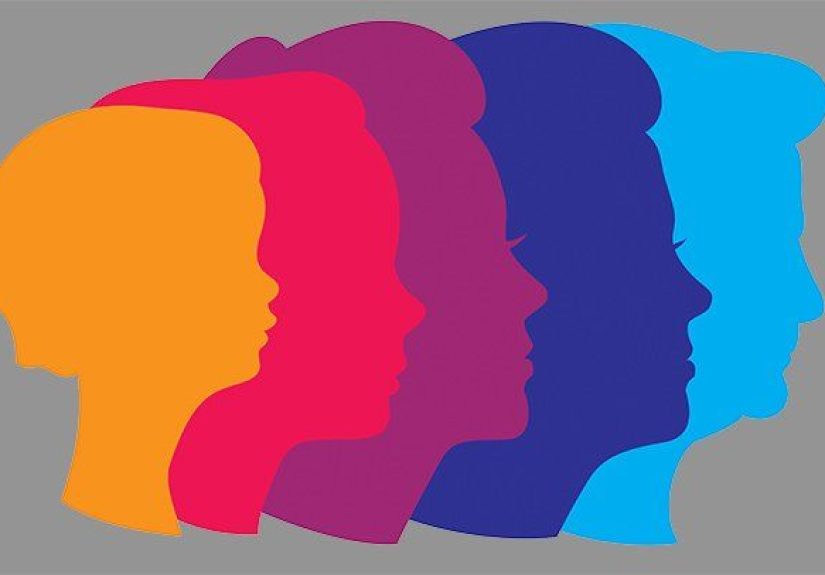
But here is the twist: Graves’ disease does not look exactly the same in everyone. A grade-school child may seem restless, sweaty, and unable to gain weight. A teenager may suddenly struggle with sleep, anxiety, shaky hands, and school performance. An adult may notice a racing heartbeat, heat intolerance, or eyes that look more prominent than usual. Same disease, different stage of life, different drama.
This guide breaks down how Graves’ disease shows up in children, teens, and adults, how doctors diagnose it, what treatment looks like, and what daily life can feel like when your thyroid decides it wants top billing.
What Is Graves’ Disease?
Graves’ disease is an autoimmune disorder. In plain English, the immune system makes antibodies that mistakenly stimulate the thyroid gland. Instead of taking a sensible hint from the body, the thyroid hears, “More hormone, please,” and starts overproducing thyroid hormones.
Those hormones help regulate metabolism, heart rate, temperature, digestion, mood, and energy use. So when thyroid hormone levels get too high, the effects can show up nearly everywhere. That is why Graves’ disease can feel oddly scattered at first. One person notices heart palpitations. Another notices weight loss. Someone else just feels unusually jumpy, sweaty, and tired at the same time, which is a rude combination.
Graves’ disease can affect children, teens, and adults. It is more common in females and tends to be diagnosed more often in adults, but pediatric cases do happen and deserve careful attention because symptoms can blend in with everyday stress, growth changes, or “typical teen behavior.” Sometimes the thyroid is not being dramatic for fun. Sometimes it is actually the thyroid.
How Symptoms Can Look Different by Age
Graves’ Disease in Children
In younger children, Graves’ disease can be surprisingly easy to miss at first. A child may seem hyper, emotional, unusually warm, or constantly hungry. Some children lose weight, while others simply fail to gain weight as expected for their age. Parents may notice a fast heartbeat, trouble sleeping, shakiness, sweating, frequent bowel movements, or a swelling in the front of the neck from an enlarged thyroid, also called a goiter.
Children can also show symptoms that spill into school and home life. They may have a harder time focusing, become more irritable, or seem unusually restless. Because kids are already energetic by default, the early signs of Graves’ disease can masquerade as personality instead of a medical issue.
Eye findings can happen in children too, including a staring appearance, puffiness, irritation, or eyes that look more prominent. Severe thyroid eye disease is less common in kids than in adults, but it is still important to take eye symptoms seriously.
Graves’ Disease in Teens
Teenagers occupy that famous gray zone where nearly every symptom can be blamed on school stress, hormones, sports, poor sleep, social media, or all four before breakfast. That is one reason Graves’ disease in teens can be overlooked. A teen may report anxiety, panic-like symptoms, poor sleep, shaky hands, heat intolerance, sweating, fatigue, or trouble concentrating. Some teens lose weight even though they are eating more. Others notice their heart pounding during routine activity.
Teens may also struggle with mood swings, irritability, changes in menstrual cycles, or a drop in athletic performance. If a student who used to be steady suddenly seems wired, exhausted, distracted, and unable to sit still, it is worth asking whether the issue is psychological, physical, or both. Thyroid disorders love to blur the lines.
For teenagers, diagnosis can be especially emotional. The symptoms can affect body image, school, sleep, friendships, and confidence all at once. Add in a visible goiter or eye changes, and the disease can feel very public during a stage of life when most people would prefer to be medically invisible.
Graves’ Disease in Adults
Adults with Graves’ disease often notice the classic hyperthyroid pattern: rapid heartbeat, palpitations, unexplained weight loss, sweating, tremor, nervousness, heat intolerance, more frequent bowel movements, fatigue, and muscle weakness. Some adults also develop sleep problems, irritability, or difficulty concentrating. In women, periods may become lighter or irregular.
Adults are also more likely to face the long-range complications of untreated disease, especially when symptoms are brushed off as burnout, aging, or “just stress.” That can include heart rhythm problems, bone loss, worsening weakness, and in rare severe cases, thyroid storm, which is a medical emergency.
Thyroid eye disease is often more clinically significant in adults. Symptoms may include dryness, redness, puffiness, light sensitivity, double vision, or bulging eyes. Not every person with Graves’ disease gets eye disease, but when it shows up, it can become one of the most disruptive parts of the condition.
What Causes Graves’ Disease?
The short answer is immune system confusion. The more useful answer is that Graves’ disease develops when antibodies stimulate the thyroid-stimulating hormone receptor, pushing the gland to make more hormone than the body needs.
Doctors do not think one single factor explains every case. Instead, Graves’ disease appears to arise from a mix of genetics, immune system behavior, and environmental influences. A family history of thyroid disease or autoimmune disease may increase risk. Smoking is a known risk factor, especially for thyroid eye disease. Other autoimmune conditions, such as type 1 diabetes or vitiligo, may also travel in the same neighborhood.
In adults, Graves’ disease is more commonly diagnosed in women and in people older than 30. In children and teens, it is still the most common cause of hyperthyroidism, even though hyperthyroidism itself is less common in younger age groups.
How Doctors Diagnose Graves’ Disease
Diagnosis usually starts with a story and a physical exam. A clinician may notice a rapid pulse, tremor, warm skin, a goiter, or eye changes. But the real confirmation comes from lab work.
Blood Tests
The basic pattern is usually a low thyroid-stimulating hormone, or TSH, with elevated thyroid hormones such as free T4 and sometimes T3. Doctors may also order antibody tests, including thyroid-stimulating immunoglobulin or thyrotropin receptor antibodies, because these can strongly support the diagnosis of Graves’ disease.
Imaging and Other Testing
Some patients need additional testing, such as a radioactive iodine uptake scan or ultrasound with Doppler blood flow, especially when the diagnosis is unclear or when a radioactive iodine study is not appropriate, such as in pregnancy or breastfeeding. Eye symptoms may also lead to a referral to an ophthalmologist.
In children and teens, diagnosis often involves pediatric endocrinology because treatment needs can differ by age, growth status, and the likelihood of remission. In adults, care may involve endocrinology, primary care, surgery, and eye specialists depending on the case.
Treatment: Same Goal, Different Route
The goal of treatment is straightforward: get thyroid hormone levels back into a healthy range and calm the symptoms before they cause complications. The main options are antithyroid medication, radioactive iodine, and surgery. Which path makes the most sense depends on age, symptom severity, eye disease, pregnancy status, treatment response, and personal preference.
1. Antithyroid Medication
Antithyroid drugs reduce the thyroid’s ability to make hormone. In children and teens, methimazole is commonly the first treatment. Adults are also often treated with methimazole, though medication choices may change in specific situations, including pregnancy. These medicines can be very effective, but they require follow-up blood work and dose adjustments over time.
Doctors sometimes add a beta-blocker at the beginning to control symptoms like rapid heart rate, shakiness, and anxiety while the thyroid medication starts doing the heavy lifting. Think of it as crowd control while the main act gets organized.
Medication can sometimes lead to remission, especially after sustained treatment, but relapse is possible. That is one reason follow-up matters so much. The thyroid is not known for sending polite RSVP cards before it changes direction.
2. Radioactive Iodine
Radioactive iodine, often called RAI, is a common definitive treatment in adults and is also used in selected adolescents or older children. It works by damaging overactive thyroid tissue so the gland stops overproducing hormone. The trade-off is that many people eventually become hypothyroid afterward and need lifelong thyroid hormone replacement. That sounds dramatic, but replacement therapy is generally predictable and easier to manage than uncontrolled hyperthyroidism.
RAI is not used during pregnancy. In younger patients, decisions about RAI are individualized and involve careful discussion of age, disease course, and long-term planning.
3. Surgery
Thyroidectomy, the surgical removal of the thyroid, can be an excellent option when medication is not working, side effects are a problem, the thyroid is very large, suspicious nodules are present, eye disease is a concern, or a patient simply wants a definitive answer rather than years of back-and-forth. Surgery offers fast control, but like all surgery, it carries risks and is best performed by an experienced thyroid surgeon.
After surgery, patients need lifelong thyroid hormone replacement because the body still needs thyroid hormone, just no longer from that original gland. It is less “game over” and more “new management, same job description.”
Special Considerations by Life Stage
Children and Growth
In children, untreated Graves’ disease can interfere with normal growth, weight patterns, sleep, behavior, and school performance. The earlier it is recognized and treated, the easier it is to get a child back to feeling and functioning like themselves.
Teens and Daily Life
Teens need practical support, not just a prescription. They may need extra help managing fatigue, missed classes, sports restrictions during symptom flares, or the emotional strain of visible symptoms like tremor, sweating, a neck swelling, or eye changes. A diagnosis may also collide with exams, social pressures, and the great teenage hobby of pretending nothing is wrong.
Adults, Pregnancy, and Long-Term Health
For adults, treatment planning often includes work demands, family responsibilities, and long-term risks to the heart and bones. Pregnancy deserves special planning. Uncontrolled hyperthyroidism during pregnancy can affect both parent and baby, and radioactive iodine is not an option in pregnancy. Adults who are pregnant or planning pregnancy need treatment plans tailored carefully with their medical team.
Complications You Should Not Ignore
When Graves’ disease is untreated or poorly controlled, it can lead to real complications. These may include irregular heart rhythms, heart failure, muscle weakness, thinning bones, menstrual changes, fertility issues, and thyroid eye disease. In rare cases, severe hyperthyroidism can trigger thyroid storm, a life-threatening emergency marked by a dramatic worsening of symptoms.
Seek urgent medical care for symptoms such as very high fever, chest pain, severe shortness of breath, confusion, fainting, or a racing heart that feels out of control. Hyperthyroidism is not just a “high metabolism” party trick. It can become dangerous.
What Living With Graves’ Disease Really Feels Like
Here is the part brochures sometimes underplay: Graves’ disease is not only a lab result. It is an experience. And that experience can feel wildly different depending on whether you are 9, 16, or 42.
For a child, the disease may feel confusing before it feels scary. A child might not say, “I am experiencing adrenergic overstimulation.” They might say, “My heart feels weird,” “I am hot,” or “I cannot sleep.” Parents may first notice that their child is suddenly eating all the snacks in the house and still not gaining weight, getting in trouble for fidgeting, or melting down over things that usually would not have caused tears. Once treatment begins, many families describe a huge sense of relief when the child becomes calmer, sleeps better, and seems more like themselves again. It is often less about one magical moment and more about watching the volume knob slowly turn down.
Teenagers often describe the disease as feeling like they are trapped in a body that will not cooperate. They may feel shaky in class, anxious for no obvious reason, exhausted but unable to sleep, hungry but losing weight, or embarrassed by sweating and a visibly pounding pulse. Some teens say the hardest part is not the physical discomfort but the way symptoms can be misunderstood. They may be told they are overreacting, stressed, lazy, dramatic, or too sensitive when the real problem is biochemical chaos. Getting a diagnosis can be validating. Suddenly there is a reason for the insomnia, the racing thoughts, the hand tremor, the mood changes, and the academic slide. Treatment does not erase the frustration overnight, but it can replace confusion with a plan.
Adults often talk about a different kind of disruption. Graves’ disease can hijack ordinary routines: climbing stairs feels harder, sleep becomes unreliable, work concentration slips, patience gets shorter, and the heart seems to be running its own private marathon. People may notice they are snapping at loved ones, feeling wired and tired at the same time, or struggling with exercise they used to handle easily. If eye symptoms develop, that can add pain, self-consciousness, and practical problems like blurry or double vision. For some adults, the disease also brings hard decisions about long-term treatment, surgery, pregnancy timing, or how to manage a chronic condition while still handling jobs, parenting, or caregiving.
Across all ages, one common thread appears again and again: once treatment starts working, people often realize just how miserable they had been. When heart rate settles, sleep improves, tremor fades, and the body no longer feels like it is buzzing with electricity, the difference can be startling. The return to normal is sometimes gradual, but it is deeply noticeable. Patients often say they feel like they got their brain back, their patience back, or simply their own personality back.
That lived experience matters. It reminds us that Graves’ disease is not only about controlling numbers. It is about helping a child learn comfortably, helping a teen feel stable and understood, and helping an adult function without feeling like their internal thermostat and power grid have both filed for chaos. Good treatment aims for normal labs, yes, but also for a normal life.
Final Thoughts
Graves’ disease can show up in childhood, adolescence, or adulthood, but the core problem is the same: the immune system overstimulates the thyroid, and the entire body pays attention. The symptoms may look like anxiety, restlessness, weight changes, sleep trouble, or heart problems, but they all trace back to an overactive gland working overtime.
The encouraging news is that Graves’ disease is treatable. With the right diagnosis, age-appropriate care, and steady follow-up, most patients can regain control of symptoms and return to everyday life with much more stability. Whether the patient is a child who cannot sit still, a teenager whose grades suddenly dip, or an adult whose heart will not stop racing, the message is the same: this is real, it is manageable, and getting the thyroid under control can make an enormous difference.