Table of Contents >> Show >> Hide
- What Is Radiation Dermatitis?
- Why Radiation Dermatitis Happens
- Common Symptoms of Radiation Dermatitis
- Who Is More Likely to Develop Radiation Dermatitis?
- How Radiation Dermatitis Is Graded
- Treatment for Radiation Dermatitis
- How to Prevent or Reduce Radiation Dermatitis
- What Not to Do
- When to Call Your Cancer Care Team
- Recovery: What Happens After Radiation Ends?
- Real-Life Experience: What Patients Often Notice Day by Day
- Conclusion
Note: This article is for educational purposes only and is not a substitute for medical advice. Anyone receiving radiation therapy should follow the instructions of their oncology team, radiation nurse, dermatologist, or wound-care specialist.
What Is Radiation Dermatitis?
Radiation dermatitis, sometimes called radiation burn or radiation-induced skin reaction, is a common skin side effect of radiation therapy. It happens when high-energy radiation passes through the skin to reach a tumor or treatment target. Radiation is carefully planned, mapped, measured, and delivered with more precision than a nervous baker measuring vanilla extractbut healthy skin cells in the treatment field can still become irritated along the way.
The skin is a fast-renewing organ. Under normal conditions, new cells rise from deeper layers, replace older cells, and keep the surface barrier strong. Radiation can slow that repair process, trigger inflammation, and weaken the skin barrier. The result may be dryness, itching, redness, discoloration, peeling, soreness, blistering, or open moist areas. For many people, symptoms are mild and manageable. For others, especially those receiving radiation to the breast, head and neck, pelvis, anal area, or skin folds, radiation dermatitis can become painful enough to affect sleep, clothing choices, daily comfort, and sometimes even the treatment schedule.
The good news: radiation dermatitis is not a sign that radiation therapy is “going wrong.” It is a known, expected reaction in many treatment plans. Even better, careful skin care before, during, and after radiation can reduce discomfort, lower the risk of infection, and help the skin heal more smoothly.
Why Radiation Dermatitis Happens
Radiation therapy damages cancer cells by injuring their DNA. Cancer cells are often less efficient at repairing that damage than healthy cells, which is why radiation can be so useful. However, the radiation beam may also affect normal cells in the treatment area, including skin cells, sweat glands, hair follicles, tiny blood vessels, and connective tissue.
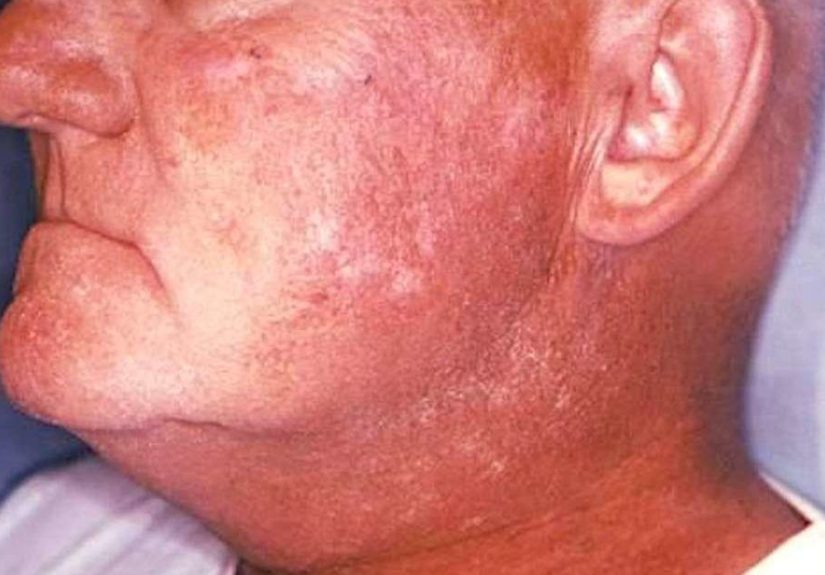
The reaction usually develops gradually. At first, the skin may look slightly pink, red, tan, darker, or irritated. It may feel tight, warm, dry, itchy, or tender. With continued treatment, the outer layer of skin may peel. In more severe cases, the skin can break open and become wet, shiny, painful, or vulnerable to infection. This is called moist desquamation, which sounds like a spell from a medical wizard school but simply means the top skin layer has shed and the area is damp or open.
Common Symptoms of Radiation Dermatitis
Early Symptoms
Early radiation dermatitis may appear after a few treatments or several weeks into therapy, depending on the dose, treatment site, skin type, and individual risk factors. Common early symptoms include:
- Redness, pinkness, darkening, or tanning of the treated skin
- Dryness, tightness, or flaking
- Itching, tingling, stinging, or mild burning
- Swelling or puffiness
- Sensitivity when clothing rubs the area
- A rash-like texture, especially in warm or sweaty areas
Moderate Symptoms
As radiation continues, some people develop more noticeable irritation. The skin may become brighter red, darker brown, purple-toned, or inflamed. It may peel like a sunburn, though radiation dermatitis is not the same as a sunburn. The skin may feel raw, sore, or unusually sensitive to touch. For example, a soft cotton shirt may suddenly feel like it was secretly woven from sandpaper.
Severe Symptoms
More serious radiation dermatitis can include blisters, open sores, wet peeling, bleeding with minor rubbing, increasing pain, crusting, drainage, odor, fever, or spreading redness. These signs need prompt medical attention. Open skin is more vulnerable to infection, and untreated infection can delay healing or interfere with cancer treatment.
Who Is More Likely to Develop Radiation Dermatitis?
Radiation dermatitis can happen to anyone receiving radiation therapy, but some factors increase the risk or severity. Treatment-related risks include a higher total radiation dose, a larger treatment field, radiation to skin folds, prior radiation to the same area, use of a bolus material, and concurrent chemotherapy, immunotherapy, or targeted therapy. Certain treatment sites, such as the breast fold, neck, underarm, groin, perineum, and anal area, tend to be more vulnerable because heat, friction, moisture, and movement can irritate the skin.
Patient-related factors may also matter. These can include smoking, poor nutrition, diabetes, obesity, connective tissue disorders, chronic sun damage, sensitive skin, older age, and difficulty keeping the area dry or protected. None of these factors guarantee a severe reaction, but they do mean the care team may watch the skin more closely.
How Radiation Dermatitis Is Graded
Doctors and nurses often grade radiation dermatitis to describe severity and choose the right treatment. A mild reaction may involve faint redness, dryness, or light peeling. A moderate reaction may involve stronger redness, swelling, soreness, or patchy moist peeling, often in skin folds. A severe reaction may involve widespread moist peeling, bleeding from minor trauma, ulceration, infection, or, rarely, deeper tissue injury.
Patients do not need to memorize grading systems. Your job is simpler: report changes early. Do not wait until the skin has become dramatic enough to deserve its own reality show. Tell your care team about itching, burning, pain, peeling, blisters, drainage, odor, fever, or any area that looks worse from one day to the next.
Treatment for Radiation Dermatitis
1. Gentle Cleansing
For years, some patients were told not to wash the treated area. Current skin-care advice generally favors gentle washing, because clean skin is less likely to become infected and may feel more comfortable. Use lukewarm water, not hot water. Wash with your hands rather than a washcloth, sponge, or loofah. If your care team approves a cleanser, choose a mild, fragrance-free, low-irritation option. Pat dry with a soft towel. Do not rub.
2. Moisturizers and Emollients
Moisturizers can reduce dryness, tightness, flaking, and itching. Many oncology teams recommend fragrance-free creams or ointments that are free of alcohol and harsh additives. Apply only products approved by your radiation team, and ask when to apply them. Some centers advise avoiding thick creams immediately before treatment so the skin is clean for radiation delivery. If the skin is open, wet, blistered, or draining, do not put moisturizer directly on the wound unless your team tells you to.
3. Topical Steroids
For itching, inflammation, or certain high-risk treatment areas, clinicians may recommend a topical corticosteroid on intact skin. These products can help reduce redness and discomfort for some patients. However, steroids are not for every situation, every cancer type, or every body area. They should not be used on open wounds unless specifically directed by a clinician.
4. Dressings for Open or Moist Skin
If the skin breaks open or becomes moist, your team may recommend non-stick dressings, hydrogel dressings, foam dressings, silicone-based dressings, saline soaks, or other wound-care products. The goal is to protect the area, absorb drainage, reduce friction, and support healing. Do not use random adhesive bandages over the treatment field. Adhesive can tear fragile skin faster than a toddler opening a birthday present.
5. Infection Management
Signs of infection include increasing redness, warmth, swelling, pain, pus, foul odor, fever, or red streaks. If infection is suspected, your clinician may examine the skin, take a culture, prescribe topical antibiotics, prescribe oral antibiotics, or adjust wound care. Infection should never be handled with “let’s see what happens” optimism. Report it quickly.
6. Pain and Itch Relief
Itching and burning can be surprisingly exhausting. Depending on your symptoms, your team may suggest approved moisturizers, cool-but-not-icy saline soaks, prescription anti-itch medication, topical steroids, protective dressings, or pain relievers. Avoid scratching. If you need a practical trick, press gently around the itchy area, use distraction, keep nails short, and ask your nurse about safe soothing pads.
How to Prevent or Reduce Radiation Dermatitis
Start Skin Care on Day One
Prevention begins before the skin looks angry. Ask your radiation team what skin-care routine they prefer. A simple plan may include gentle cleansing, approved moisturizer, loose clothing, sun protection, and daily self-checks. Consistency matters more than an expensive product shelf that looks like it belongs to a celebrity esthetician.
Wear Loose, Soft Clothing
Friction is one of the great villains of radiation dermatitis. Choose soft cotton or breathable fabrics. Avoid tight collars, underwire bras, rough seams, stiff waistbands, compression garments, or anything that rubs the treatment area unless your team specifically recommends it. If the treated area is under the breast, in the underarm, groin, neck, or pelvis, reducing moisture and friction can make a major difference.
Avoid Heat, Cold, and Harsh Products
Do not use heating pads, hot water bottles, ice packs, heat lamps, hot tubs, or very hot showers on the treated area unless your care team approves. Treated skin may not handle temperature extremes well. Avoid perfumes, aftershave, fragranced lotions, alcohol-based products, exfoliating acids, retinoids, scrubs, talcum powder, and makeup on the treatment field unless approved.
Protect the Skin From the Sun
Radiated skin can remain sensitive to sunlight long after treatment ends. Cover the area with loose, sun-protective clothing when outdoors. Ask your care team when sunscreen is appropriate and which type to use. Many patients are advised to use broad-spectrum SPF 30 or higher once the skin has healed, but open or irritated skin may need different protection.
Be Careful With Shaving and Deodorant
If you need to shave in the treated area, ask first. An electric razor may be safer than a blade. If the underarm is in the treatment field, ask whether deodorant is allowed and what type is best. Stop using any product that causes burning, stinging, rash, or worsening irritation.
Maintain Nutrition and Hydration
Healthy skin needs protein, calories, fluids, vitamins, and minerals to repair itself. Cancer treatment can affect appetite, taste, swallowing, digestion, and energy, so nutrition may require planning. If you are losing weight, struggling to eat, or dealing with nausea, ask for a referral to an oncology dietitian. Skin cannot rebuild well if the body is running on crackers, coffee, and sheer determination.
What Not to Do
Avoid “home remedies” unless your care team approves them. Do not apply essential oils, vinegar, baking soda paste, butter, petroleum products, herbal salves, antibiotic ointment, numbing cream, hydrogen peroxide, or alcohol wipes without medical guidance. Some products can irritate skin, trap heat, interfere with markings, increase infection risk, or make the area harder to assess.
Do not scrub off radiation markings. Those marks help the team position treatment accurately. If they fade, tell the radiation staff rather than fixing them yourself with a pen. Radiation therapists are very particular about treatment geometry, and this is one area where DIY energy is not welcome.
When to Call Your Cancer Care Team
Call your oncology team if you develop severe itching, increasing pain, blisters, open skin, wet peeling, bleeding, foul odor, pus, fever, swelling, spreading redness, or a rash that appears suddenly. Also call if the skin reaction interferes with sleep, clothing, work, eating, urination, bowel movements, or daily movement. Early help can prevent small problems from becoming large ones.
Recovery: What Happens After Radiation Ends?
Radiation dermatitis often peaks near the end of treatment or shortly after treatment ends. This surprises many people. They expect the skin to throw confetti on the final radiation day, but the body may still be processing inflammation. Mild symptoms often improve within a few weeks, though sensitivity, color changes, dryness, or tenderness can last longer. Some people develop late skin changes months or years later, such as firmness, texture changes, pigmentation changes, visible tiny blood vessels, or increased sun sensitivity.
Continue gentle care until the skin feels normal and your team says you can resume regular products. Even after healing, protect the treated area from excessive sun exposure. Skin that has received radiation deserves long-term respect, not a surprise tanning-bed reunion.
Real-Life Experience: What Patients Often Notice Day by Day
Experiences with radiation dermatitis vary, but many patients describe a similar emotional timeline. During the first week, the skin may look normal, and the routine can feel almost suspiciously easy. The treatment itself is usually painless, quick, and highly organized. Patients may think, “That was it?” Then, after repeated sessions, the skin begins to speak up. It may feel tight after a shower, itchy under clothing, or warm by evening. At this stage, small habits matter. A soft shirt, lukewarm water, and approved moisturizer can make the day feel far less irritating.
By the middle of treatment, some patients become very aware of friction. A bra band, collar, waistband, or seatbelt may suddenly feel like it has developed a personal grudge. People receiving breast radiation may notice irritation under the breast or near the underarm. Head and neck radiation patients may struggle with collar friction or shaving. Pelvic radiation patients may find sitting, walking, urinating, or bowel movements more uncomfortable if the skin becomes inflamed. These are not “minor” issues when they happen every day. Comfort is part of treatment success.
A useful patient habit is the daily mirror check. Look at the treated area once a day in good light, preferably at the same time. Notice color, swelling, peeling, drainage, and pain level. This is not about becoming anxious over every freckle. It is about catching changes early. If the skin suddenly becomes wetter, more painful, or more swollen, call the care team. Oncology nurses would rather answer an early question than manage a preventable infection later.
Many patients also learn that simple is best. During radiation, the skin-care cabinet does not need a dramatic makeover. In fact, fewer products are usually better. A mild cleanser, an approved moisturizer, soft clothing, and sun protection often beat a complicated routine. This can be hard for people who love skincare serums, exfoliating acids, retinol, scented oils, and luxurious creams. During radiation, your skin is not auditioning for a beauty commercial. It is healing under stress. Give it calm, boring kindness.
Emotionally, radiation dermatitis can feel frustrating because it is visible. It may remind patients daily that they are in cancer treatment. Some feel embarrassed by peeling, discoloration, odor from dressings, or the need to change clothing styles. Others feel guilty for complaining because “it is only skin.” But skin pain is real. It affects sleep, mood, movement, and confidence. Reporting discomfort is not whining; it is smart symptom management.
After treatment ends, patience becomes the new prescription. The skin may continue to look worse for several days before it improves. Keep following the care plan, protect the area, and avoid rushing back to old products. Healing skin is like a tired houseplant: it does not need fireworks; it needs steady care, gentle conditions, and time. With good communication and consistent prevention, many people get through radiation dermatitis with fewer complications and a clearer sense of control.
Conclusion
Radiation dermatitis is one of the most common side effects of radiation therapy, but it is also one of the most manageable when addressed early. Symptoms may include redness, darkening, dryness, itching, swelling, peeling, blistering, or moist open skin. Treatment depends on severity and may involve gentle cleansing, approved moisturizers, topical steroids, non-stick dressings, infection care, and pain or itch relief. Prevention starts with simple daily habits: wash gently, moisturize as directed, wear loose clothing, avoid harsh products, protect from sun, and report changes quickly.
The most important rule is this: do not tough it out in silence. Radiation teams see skin reactions every day, and they have tools to help. Your skin is doing hard work during cancer treatment. Treat it kindly, report problems early, and let your care team guide the way.