Table of Contents >> Show >> Hide
- Why Painted Tin Can Planters Are Worth Making
- What Makes a Tin Can Good for Planting?
- Supplies You Need
- How to Make Painted Tin Can Planters
- Best Plants for Painted Tin Can Planters
- Design Ideas for Painted Tin Can Planters
- Care Tips for Tin Can Planters
- Common Mistakes to Avoid
- Creative Ways to Use Painted Tin Can Planters
- Personal Experience: What Painted Tin Can Planters Teach You
- Conclusion
Some home projects begin with a trip to the garden center. Others begin with a can of tomatoes, a stubborn label, and the sudden realization that your recycling bin is hiding a miniature plant empire. Painted tin can planters are one of those rare DIY ideas that manage to be cheap, cheerful, useful, and suspiciously good-looking once you give them a coat of paint and a tiny leafy tenant.
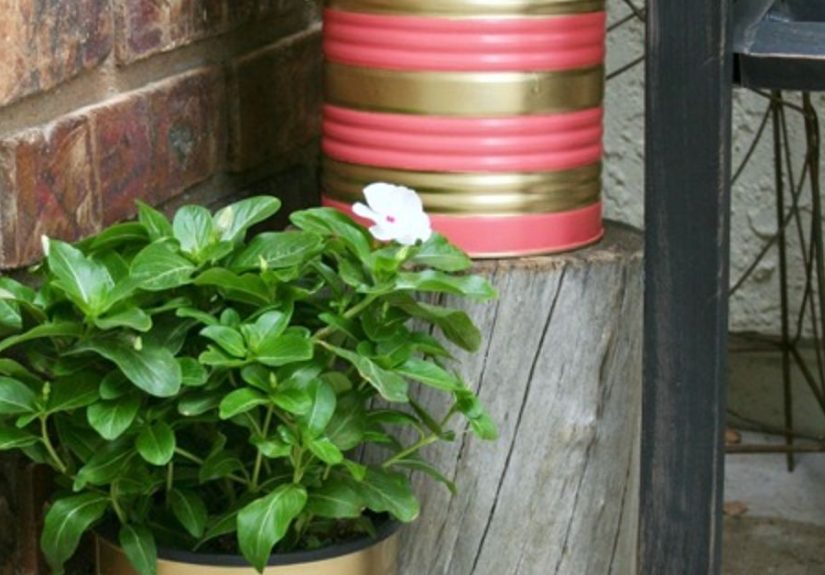
At their best, painted tin can planters combine upcycling, small-space gardening, and home decor in one satisfyingly simple craft. They work on windowsills, balconies, patios, desks, kitchen counters, and anywhere else that could use a pop of color without demanding a mortgage payment. They are especially perfect for herbs, succulents, small flowers, starter plants, and decorative greenery. In other words, they are the plant-world equivalent of turning leftovers into brunch: practical, clever, and much more stylish than expected.
This guide covers everything you need to know about making painted tin can planters that look polished, drain properly, support healthy plants, and do not scream “I was kidney beans in a former life.”
Why Painted Tin Can Planters Are Worth Making
Painted tin can planters are popular for a reason: they solve several problems at once. They reuse a common household item, reduce waste, cost very little, and bring a handmade touch to your home or garden. Instead of buying a new container every time you want to grow basil, mint, or a tiny succulent with a dramatic personality, you can turn a clean food can into a custom planter.
They also fit beautifully into modern decorating trends. Cottagecore? Yes. Farmhouse kitchen? Absolutely. Boho balcony? Hand them some twine and they are ready. Minimalist windowsill? Paint them matte white or soft sage and pretend you planned it all along. Kids’ craft table? Use bright colors, simple shapes, and washable acrylic paint. Wedding favors, teacher gifts, spring centerpieces, party decorations, and herb gardens all become easier when tin cans join the conversation.
What Makes a Tin Can Good for Planting?
Not every container is automatically plant-friendly, but most clean food cans can become suitable planters with a few adjustments. The best cans are sturdy, rust-free, free of sharp edges, and large enough for the plant you want to grow. Soup cans, tomato cans, coffee cans, and large vegetable cans all work well. Small cans are charming, but they dry out faster and suit shallow-rooted plants best.
Choose Food-Safe Cans
For a planter, start with cans that previously held food rather than chemicals, paint, solvents, or unknown substances. This is especially important if you plan to grow herbs or edible plants. A clean food can gives you a safer starting point and avoids mystery residues. Nobody wants basil with a backstory.
Check the Edges
After opening the can, inspect the rim. Smooth-edge can openers are helpful because they leave a safer edge. If the rim is sharp, carefully cover it with folded decorative tape, a strip of fabric, rope trim, or a protective edging. For family craft projects, an adult should handle any cutting, sanding, or hole-making.
Match the Can Size to the Plant
A standard soup can is great for small herbs, baby succulents, marigold seedlings, pansies, or decorative moss arrangements. Larger cans are better for parsley, chives, lettuce starts, or mixed floral displays. Deep-rooted vegetables and large plants need more space, so do not ask a tomato plant to live in a soup can unless you enjoy botanical rebellion.
Supplies You Need
The beauty of painted tin can planters is that the supply list is friendly to both beginners and budgets. You probably already own half of it, and the other half can be found at a craft store, hardware store, or in the drawer where all random household items go to retire.
- Clean empty tin cans
- Mild soap and warm water
- Paper towels or a clean cloth
- Hammer and nail, or a drill for drainage holes
- Work gloves and eye protection for hole-making
- Primer suitable for metal
- Acrylic craft paint or spray paint designed for metal
- Paintbrushes, foam brushes, or painter’s tape
- Clear sealer for outdoor use if planters will sit outside
- Potting mix
- Small plants, seeds, herbs, or succulents
- Optional decorations: twine, labels, stencils, stickers, fabric, or ribbon
How to Make Painted Tin Can Planters
Step 1: Clean the Can Completely
Remove the label and wash the can with warm, soapy water. If glue remains on the outside, soak the can for a little longer and gently scrub it away. Dry the can thoroughly before painting. Paint does not enjoy sticking to grease, moisture, or yesterday’s pasta sauce, and frankly, who can blame it?
Step 2: Add Drainage Holes
Drainage is not optional for most container plants. Without drainage holes, water collects at the bottom, roots sit in soggy soil, and your cheerful little planter becomes a tiny swamp with leaves. Add several small holes to the bottom of the can so excess water can escape. Use gloves, protect your work surface, and let an adult handle this step when children are involved.
If you want to use a decorative tin can indoors without holes, try double-potting. Place the plant in a small nursery pot with drainage, then set that pot inside the painted can. Remove the inner pot when watering, let it drain fully, and then return it to the decorative can. It is like giving your plant a raincoat and a fancy jacket.
Step 3: Prime the Metal
Primer helps paint adhere to metal and gives your color a smoother finish. Apply a thin coat of metal-friendly primer and let it dry according to the product instructions. This is the difference between “cute handmade planter” and “paint peeling like a sunburned picnic table.”
Step 4: Paint Your Design
Now comes the fun part. Use acrylic craft paint for indoor planters or paint designed for metal if the planter will live outdoors. Soft neutrals look elegant, bright colors feel playful, and patterns can turn a humble tin can into a conversation piece. Stripes, polka dots, color-blocking, botanical doodles, chalkboard labels, and ombré effects all work well.
For a cleaner look, apply two thin coats rather than one thick coat. Thick paint can drip, clump, and generally behave like frosting applied during an earthquake. Let each coat dry before adding the next.
Step 5: Seal the Finish
If your painted tin can planters will be outdoors, seal them with a clear protective finish suitable for exterior use. This helps the paint resist moisture, sunlight, and general garden chaos. Even sealed cans may eventually weather or rust, especially in rainy climates, so think of them as long-lasting seasonal decor rather than immortal garden monuments.
Step 6: Add Potting Mix and Plants
Use a lightweight potting mix instead of heavy garden soil. Potting mix drains better in containers, holds moisture more evenly, and gives roots a better environment. Fill the can most of the way, place the plant inside, and gently firm the mix around the roots. Leave a little space at the top so water does not immediately run over the edge like a tiny indoor waterfall.
Best Plants for Painted Tin Can Planters
Tin can planters are small, so the best plants are compact and relatively easygoing. Think of them as studio apartments for plants: adorable, efficient, but not ideal for anything that wants a two-car garage.
Herbs
Basil, parsley, thyme, oregano, chives, cilantro, and mint can grow well in containers when they receive enough light and water. Mint is famously enthusiastic, so keeping it in its own can is actually a public service. Place herb cans near a sunny kitchen window or on a patio where you can snip fresh leaves while cooking.
Succulents
Succulents are excellent for painted tin can planters because many stay small and enjoy well-draining soil. Use cactus or succulent mix, avoid overwatering, and make sure the can drains properly. Succulents are low-maintenance, but they are not no-maintenance. They still appreciate light, airflow, and not being drowned with affection.
Small Flowers
Marigolds, pansies, violas, alyssum, and small begonias can look charming in painted cans. Use grouped cans as a centerpiece or line them along a porch rail. Choose flower colors that contrast with your paint design for a lively display.
Leafy Greens and Starter Plants
Lettuce seedlings and other small greens can begin life in larger cans, though they may need transplanting as they grow. Tin cans also work well for seed-starting when drainage is added and the plants are moved to larger containers or garden beds later.
Design Ideas for Painted Tin Can Planters
Modern Matte Neutrals
Paint cans in matte white, charcoal, beige, or olive green for a clean modern look. Add small handwritten labels such as “Basil,” “Thyme,” and “Mint.” This style works beautifully in kitchens and minimalist apartments.
Farmhouse Herb Garden
Wrap the top or middle of each can with jute twine, paint the body cream or soft blue, and add a small chalkboard label. Group three to five cans on a wooden tray for a cozy farmhouse herb garden. Bonus points if you say “fresh-picked thyme” in a fancy cooking voice.
Colorful Kids’ Garden
Let kids paint simple flowers, suns, ladybugs, rainbows, or abstract blobs that adults call “modern art” when they cannot identify them. Use non-toxic craft paint, protect the table, and choose easy plants like marigolds or chives.
Patriotic Patio Set
For summer holidays, paint cans in red, white, and blue, then plant white alyssum, blue lobelia, or bright red flowers. Keep the design tasteful with stripes, stars, or simple solid colors.
Hanging Tin Can Planters
With proper support, some tin cans can become hanging planters. Use strong cord, make sure the can is balanced, and keep the plant lightweight. Hanging cans look especially sweet on fences, balcony rails, and garden walls. Always hang them securely so they do not become surprise percussion instruments in the wind.
Care Tips for Tin Can Planters
Water Carefully
Small containers dry out faster than large pots, especially outdoors. Check the soil regularly by touching the top inch. If it feels dry, water until moisture drains from the bottom. Empty any saucers after watering so roots are not sitting in standing water.
Use the Right Light
Most herbs and many flowers need bright light. Succulents also prefer strong light, though some may need protection from harsh afternoon sun. Match the plant to the location instead of forcing a shade-loving plant to bake on a windowsill like a forgotten cookie.
Fertilize Lightly
Container plants rely on you for nutrients because frequent watering can wash nutrients out of the potting mix. Use a balanced fertilizer according to the label directions, but do not overdo it. More fertilizer does not mean more plant happiness; sometimes it just means crispy leaves and regret.
Watch for Rust
Tin cans can rust over time, especially outdoors. A protective sealer helps, but moisture eventually wins many battles. If rust appears, retire the planter, recycle it if appropriate, or use it for non-plant decor. Avoid using heavily rusted cans for edible herbs.
Common Mistakes to Avoid
Skipping Drainage
This is the biggest mistake. A painted can without drainage may look adorable, but plants need oxygen around their roots. Too much trapped water can lead to root rot. Always add holes or use the double-pot method.
Using Garden Soil
Garden soil is often too dense for small containers. It can compact, drain poorly, and make life difficult for roots. Potting mix is lighter and better suited for container gardening.
Painting Without Cleaning
Labels, glue, oil, and food residue can ruin the finish. Clean and dry the can before priming or painting. A few extra minutes at the beginning can save you from repainting later while muttering unkind things about adhesive.
Choosing Plants That Get Too Big
A tiny can cannot support a large mature plant. Choose compact varieties, use cans for starters, or transplant plants as they grow. Your planter should fit the plant, not become a botanical clown car.
Creative Ways to Use Painted Tin Can Planters
Painted tin can planters are more than cute containers. They can become part of your home decor, party styling, seasonal displays, and gift-giving. A row of herb cans on a kitchen windowsill turns cooking into a fresher experience. A cluster of painted cans on a patio table makes an inexpensive centerpiece. A personalized planter with a teacher’s name, a small flower, and a thank-you tag makes a thoughtful handmade gift.
You can also use them for themed events. For a spring brunch, paint cans in pastel colors and fill them with pansies. For a rustic wedding shower, use cream paint, lace trim, and baby’s breath. For a kids’ garden party, let each child decorate a can and plant a seedling to take home. The project is simple enough for beginners but flexible enough for people who own seventeen paintbrushes and have strong opinions about sage green.
Personal Experience: What Painted Tin Can Planters Teach You
The first time you make painted tin can planters, you may expect a quick craft. Wash can, paint can, insert plant, become a garden influencer. Easy. Then you discover that labels have glue with the emotional strength of a superhero, paint needs patience, and drainage holes are the quiet heroes of the entire operation.
One useful lesson is that preparation matters more than fancy supplies. The most beautiful tin can planter usually starts with a can that was cleaned well, dried fully, and primed properly. When I have rushed this part, the paint finish has looked uneven or started scratching sooner than expected. When I slowed down and treated the can like an actual project instead of a recycling-bin rescue mission, the finished planter looked much more polished.
Another experience worth sharing: drainage changes everything. A can with no drainage may look fine for a few days, but the plant often starts showing stress after repeated watering. Leaves yellow, soil smells stale, and the whole arrangement becomes less “fresh garden charm” and more “science experiment near the window.” Adding holes or using a nursery pot inside the can makes watering easier and plant care far more forgiving.
Paint choice also affects the final look. Glossy paint can feel bright and playful, while matte paint often looks more modern and expensive. A simple solid color is usually more elegant than a complicated design, especially if the plant itself has interesting texture. For herbs, I like soft green, cream, charcoal, or terracotta-inspired shades. For flowers, brighter cans can be beautiful because they echo the cheerful energy of the blooms.
Small details make these planters feel intentional. A twine wrap, a hand-lettered label, a narrow painted stripe, or a tiny stencil can make the difference between “old can with dirt” and “adorable handmade planter.” Grouping cans in odd numbers, such as three or five, also tends to look better than placing one lonely can by itself. A single planter is cute; a group looks like decor.
Painted tin can planters are also a great reminder that gardening does not have to be grand to be satisfying. You do not need raised beds, a greenhouse, or a backyard large enough to host a family reunion. A sunny windowsill and a few cans can give you herbs for dinner, flowers for a desk, or succulents that quietly improve your mood while asking for very little in return.
The project is especially rewarding because it welcomes imperfection. A brush mark does not ruin it. A slightly crooked label gives it personality. A mismatched set of cans can look charming when tied together by a shared color palette. In a world full of expensive home decor, there is something genuinely delightful about turning an empty can into something useful, pretty, and alive.
Perhaps the best experience is watching someone notice the planter and say, “Wait, is that a tin can?” That tiny moment of surprise is the whole point. Painted tin can planters prove that creativity is not always about buying something new. Sometimes it is about seeing potential in what you already have, adding paint, making a few smart gardening choices, and letting a plant do the final styling.
Conclusion
Painted tin can planters are simple, affordable, and surprisingly stylish. They turn everyday food cans into colorful homes for herbs, succulents, small flowers, and starter plants. With proper cleaning, drainage, paint, and potting mix, they can brighten kitchens, balconies, patios, classrooms, party tables, and gift baskets. They also support a more thoughtful approach to decorating and gardening by reusing materials instead of immediately buying new ones.
The key is to treat the can like a real planter, not just a cute shell. Add drainage, choose the right plant, use lightweight potting mix, water carefully, and protect the painted surface when needed. Do that, and your painted tin can planters will look charming, function well, and give your home a little handmade green magic. Not bad for something that used to hold beans.