Table of Contents >> Show >> Hide
- What Is Dry Eye, Exactly?
- Why Lupus Can Cause Dry Eyes
- How Doctors Diagnose Dry Eyes in Someone With Lupus
- Treatment for Lupus-Related Dry Eyes
- When Dry Eyes Are Not “Just Dry Eyes”
- Practical Tips for Living With Lupus and Dry Eyes
- What the Experience Can Feel Like: Real-Life Patterns People Notice
- Conclusion
Note: This article is for educational purposes only and is not a substitute for medical advice, diagnosis, or treatment.
If lupus had a publicist, it would probably describe itself as “complex, mysterious, and annoyingly committed to surprise plot twists.” One of those plot twists is dry eye. It sounds minor at firstalmost like the kind of thing you blame on a long day, a laptop screen, or the office AC that thinks it’s training for Antarctica. But when dry eyes show up in someone with lupus, they can signal more than everyday irritation.
For many people, lupus and dry eyes are linked through inflammation, tear gland dysfunction, medication effects, or an overlapping autoimmune condition called Sjögren’s disease. The result can be eyes that burn, sting, blur, water excessively, or feel like they have a tiny sandbox hiding under the eyelids. None of that is charming. All of it is worth taking seriously.
The good news is that dry eyes can be diagnosed and treated, and the earlier you address them, the better your odds of protecting comfort, vision, and quality of life. Here’s what to know about the causes, diagnosis, and treatment of dry eyes in lupus, plus what the day-to-day experience can really feel like.
What Is Dry Eye, Exactly?
Dry eye disease happens when your eyes do not make enough tears, your tears evaporate too quickly, or the tear film is poor quality. That tear film is not just “water in your eye.” It is a carefully layered coating that helps lubricate the eye, keep vision clear, and protect the cornea. When the system breaks down, your eyes may become irritated, inflamed, and more vulnerable to damage.
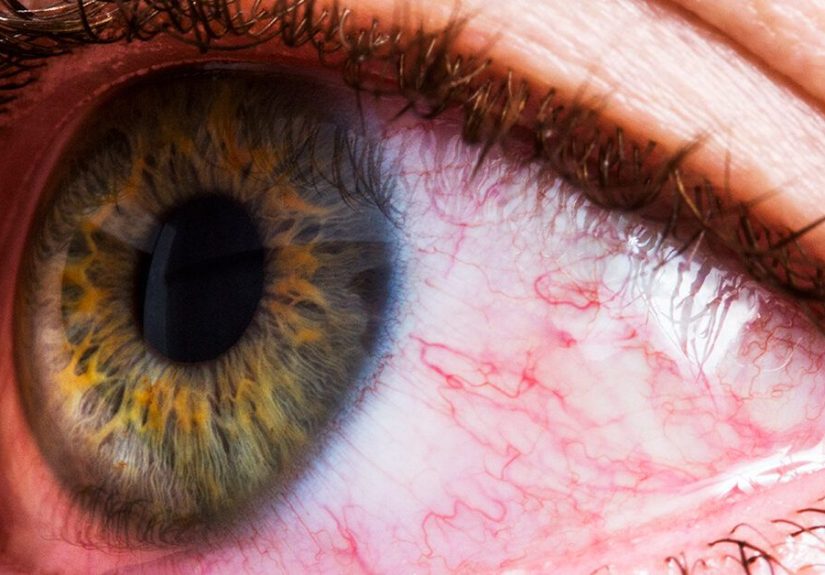
In people with lupus, dry eye symptoms may be occasional and mild, or they may become chronic and frustrating. Typical symptoms include:
- Burning, stinging, or scratchiness
- A gritty or sandy sensation
- Redness
- Blurred or fluctuating vision
- Light sensitivity
- Eye fatigue, especially after reading or screen time
- Stringy mucus
- Watery eyes, which sounds rude but is actually common in dry eye
Yes, watery eyes can happen with dry eyes. Your eyes can overreact to irritation by reflex tearing, but those tears usually do not solve the underlying dryness. It is the ocular version of putting one napkin on a plumbing leak.
Why Lupus Can Cause Dry Eyes
1. Autoimmune inflammation can affect tear production
Lupus is an autoimmune disease, which means the immune system misfires and attacks healthy tissue. When inflammation affects the glands that help produce tears, the eyes may not stay properly lubricated. In some people, this leads to decreased tear production and chronic dryness.
This does not always happen in dramatic fashion. Sometimes the change is gradual: your contacts start feeling unbearable, your eyes get tired faster, or you begin keeping eyedrops in every room like tiny emotional support bottles.
2. Sjögren’s disease may overlap with lupus
One of the biggest reasons dry eyes show up in lupus is secondary Sjögren’s disease. Sjögren’s is another autoimmune condition that targets moisture-producing glands, especially the tear and salivary glands. It can occur by itself, but it also commonly appears alongside autoimmune diseases like lupus.
When Sjögren’s overlaps with lupus, dry eyes and dry mouth often arrive together. Some people also notice vaginal dryness, dry skin, a dry cough, dental issues, fatigue, or swollen glands. If you have lupus and your eyes are dry enough to become a recurring complaintnot just a once-in-a-while annoyanceyour doctor may consider whether secondary Sjögren’s is part of the picture.
3. Eyelid and oil gland problems can make dryness worse
Not all dry eye in lupus comes from low tear production alone. The tiny oil glands along the eyelids help keep tears from evaporating too quickly. If those glands are blocked or inflamed, the tear film becomes unstable. This can make symptoms worse even if tear production is not severely reduced.
That is why treatment is not always as simple as “use more drops.” Sometimes the real problem is tear quality, not just tear quantity.
4. Medications and everyday triggers can pile on
People with lupus often take multiple medications, and some drugs can worsen dryness. Beyond lupus treatment itself, common medicines such as antihistamines, some antidepressants, and decongestants may reduce moisture. Add in screen time, ceiling fans, smoke, dry climates, or contact lenses, and the eyes can start protesting loudly.
In other words, lupus may open the door, and modern life kicks it the rest of the way in.
How Doctors Diagnose Dry Eyes in Someone With Lupus
Diagnosis starts with symptoms, but it should not end there. Dry eye can feel obvious to the person living with it and still require careful testing to figure out why it is happening and how severe it has become.
Medical history matters more than people think
Your clinician may ask:
- How long your symptoms have been happening
- Whether they are worse at certain times of day
- Whether you also have dry mouth or dental issues
- What medications you take
- Whether screen use, contact lenses, wind, or air conditioning make symptoms worse
- Whether you have eye pain, light sensitivity, or sudden vision changes
If you have lupus, that part of the history is important right away because it raises suspicion for autoimmune dry eye and Sjögren’s overlap.
Eye exam and tear testing
An ophthalmologist or optometrist may perform tests such as:
- Schirmer test: Measures how much tear production occurs over a set amount of time
- Tear film breakup testing: Looks at how quickly the tear film becomes unstable
- Ocular surface staining: Dyes such as fluorescein, lissamine green, or rose bengal can reveal dry spots and surface damage
- Slit-lamp exam: Allows a detailed look at the front of the eye, including the cornea, conjunctiva, and eyelid margins
- Assessment of meibomian glands: Checks whether blocked oil glands are contributing to evaporation
These tests help separate “my eyes feel weird” from a specific ocular surface disease pattern that needs targeted treatment.
When Sjögren’s is suspected
If dry eyes occur with dry mouth, fatigue, joint pain, or other sicca symptoms, doctors may evaluate for Sjögren’s disease. That workup can include:
- Blood tests for antibodies such as SSA/Ro and SSB/La
- Inflammatory markers and autoimmune labs
- Salivary flow testing
- Sometimes a minor salivary gland, or lip, biopsy
This is one reason self-diagnosing “just dry eyes” can be misleading. Sometimes the eyes are sending a memo about a broader autoimmune issue.
Treatment for Lupus-Related Dry Eyes
Treatment depends on severity, underlying cause, and whether Sjögren’s or other eye disease is involved. The goal is to improve comfort, protect the cornea, reduce inflammation, and keep symptoms from quietly taking over daily life.
1. Artificial tears and nighttime lubrication
For mild to moderate symptoms, preservative-free artificial tears are often the first step. Preservative-free formulas are especially helpful when drops are used frequently because they are gentler on the eye surface.
Many people also benefit from lubricating gels or ointments at night. These can blur vision temporarily, so they are usually best saved for bedtime unless you are trying to read a novel while seeing through petroleum jelly, which is a niche hobby at best.
2. Warm compresses and eyelid care
If clogged oil glands or eyelid inflammation are part of the problem, warm compresses, eyelid cleansing, and gentle lid massage may help improve tear quality. This is simple but surprisingly effective for people whose dry eye has an evaporative component.
3. Environmental changes
Small adjustments can make a big difference:
- Use a humidifier at home or work
- Take regular screen breaks
- Blink more often during computer use
- Avoid direct fan or vent air blowing at the face
- Wear wraparound glasses outdoors on windy days
- Stay hydrated
- Limit contact lens wear if symptoms flare
These changes are not glamorous, but neither is squinting through a workday like you have been emotionally wronged by your monitor.
4. Prescription anti-inflammatory eye drops
If lubrication alone is not enough, doctors may prescribe medicated eye drops that reduce inflammation and improve tear production. Depending on the case, options may include cyclosporine, lifitegrast, or short-term steroid drops such as loteprednol. These treatments are not instant magic, but they can be very helpful for chronic inflammatory dry eye.
Because some prescription drops take time to work, consistency matters. This is not the kind of treatment plan that rewards a “used it twice and forgot it existed” strategy.
5. Punctal plugs
Punctal plugs are tiny devices placed in the tear ducts to slow tear drainage and keep moisture on the eye longer. They can be useful when the issue is inadequate tears and standard lubrication is not enough. The procedure is generally quick and done in an eye doctor’s office.
6. Scleral lenses or advanced therapies
For more severe cases, scleral lenses may help protect the ocular surface and trap moisture against the eye. Some patients with advanced disease may also need more specialized approaches from an ophthalmologist who treats autoimmune eye conditions.
7. Treat the underlying autoimmune disease
If dry eyes are part of secondary Sjögren’s disease or reflect a broader inflammatory pattern, managing the autoimmune condition matters too. That may involve your rheumatologist, ophthalmologist, and sometimes other specialists working together. The eye surface is small, but the medical teamwork around it can be impressively large.
When Dry Eyes Are Not “Just Dry Eyes”
Call an eye doctor promptly if you have:
- Eye pain rather than simple irritation
- Sudden vision changes
- Marked light sensitivity
- Significant redness in one eye
- A feeling that something is stuck in the eye that does not go away
- Symptoms that do not improve with routine dry-eye care
People with lupus can also develop other eye problems, including scleritis, episcleritis, retinal complications, and medication-related eye issues. Dry eye is common, but it should not become the default explanation for every eye symptom you have.
Practical Tips for Living With Lupus and Dry Eyes
- Keep preservative-free drops in the places you actually need them: desk, bag, nightstand, car
- Tell both your rheumatologist and eye doctor about new symptoms
- Bring a medication list to appointments
- Do not overuse redness-relief drops unless your doctor recommends them
- Schedule routine eye exams, especially if you take hydroxychloroquine
- Pay attention to dry mouth, dental changes, or chronic fatigue, which may suggest Sjögren’s overlap
Think of eye care as part of lupus care, not a side quest. Your vision deserves main-character energy.
What the Experience Can Feel Like: Real-Life Patterns People Notice
One reason lupus-related dry eye is so frustrating is that it rarely behaves in a neat, textbook way. For many people, it begins as a vague inconvenience. The eyes feel tired by midafternoon. Reading becomes strangely annoying. A windy walk feels harsher than it used to. Contacts that once felt fine suddenly become intolerable. Nothing seems dramatic enough to call an emergency, but everything feels just off.
Then the pattern becomes harder to ignore. Some people describe waking up with eyes that feel glued, sore, or scratchy. Others notice they blink constantly during meetings or lose visual comfort after an hour of screen time. Some say their eyes water so much that friends assume they have allergies, even though the real issue is dryness. That mismatch can be confusing. If your eyes are watering, how can they be dry? Unfortunately, the ocular surface loves irony.
There is also the emotional side. Chronic dry eye can chip away at concentration, patience, and sleep. It can make driving at night less comfortable, reading less enjoyable, and workdays more draining. For someone already managing lupus fatigue, joint pain, medication schedules, and routine appointments, adding “high-maintenance eyeballs” to the list may feel deeply unfair.
People with both lupus and Sjögren’s often describe dryness as a whole-body experience rather than an eye problem alone. Dry mouth, hoarseness, dental sensitivity, and eye irritation can all show up together, making daily routines more complicated. You may start planning around hydration, eye drops, lip balm, gum, humidifiers, and whether a restaurant or office feels like a wind tunnel. It is not vanity. It is survival with better accessories.
Many patients also say the hardest part is being underestimated. Dry eye sounds trivial to people who have never had it. But persistent burning, blurry vision, and light sensitivity are not minor when they happen every day. They affect mood, productivity, social life, and comfort in ways that outsiders do not always see.
Still, there is a hopeful pattern too. Once people get the right diagnosis and a treatment plan that actually matches the cause, symptoms often become much more manageable. Sometimes the breakthrough is as simple as switching to preservative-free tears, treating eyelid inflammation, or getting evaluated for Sjögren’s instead of guessing. Sometimes it is prescription therapy, punctal plugs, or better coordination between rheumatology and ophthalmology. The point is this: relief is often possible, but it usually starts when dry eye is treated as real, not as background noise.
Conclusion
Lupus and dry eyes are a common and important combination. In some people, dryness stems from inflammation affecting tear production. In others, it points to overlapping Sjögren’s disease, eyelid gland dysfunction, medication effects, or a mix of all of the above. However it starts, chronic dry eye deserves attention because it can affect comfort, vision, and daily life more than people expect.
The best approach is not heroic guessing. It is evaluation. A proper eye exam, the right tear tests, and a broader look at autoimmune symptoms can help identify the cause and guide treatment. From artificial tears and warm compresses to prescription drops and punctal plugs, there are effective ways to manage symptoms and protect the eyes.
If you have lupus and your eyes are always dry, gritty, blurry, or weirdly watery, do not shrug it off as one more random inconvenience. Your eyes are not being dramatic. They may be asking for help in the only language they have.