Table of Contents >> Show >> Hide
- Quick Answer: Water-Resistant, Not Waterproof
- What Does IP68 Actually Mean?
- What Apple Actually Promises (and What It Doesn’t)
- Real-World Water Tests: How Tough Is the iPhone 13?
- Common Water Scenarios (and What Usually Happens)
- What to Do If Your iPhone 13 Gets Wet
- How to Protect Your iPhone 13 Around Water
- Should You Take Underwater Photos with the iPhone 13?
- Stories from the Deep End: Real-Life iPhone 13 Water Experiences
- Conclusion: Treat Water Resistance as a Safety Net, Not a Superpower
If you’ve ever hovered over a sink with your iPhone 13 in one hand and a slippery plate in the other, you’ve probably wondered: “If this thing falls in, am I doomed?” The short answer is: the iPhone 13 is water-resistant, not truly waterproof. That might sound like nitpicking, but when we’re talking about a very expensive rectangle full of tiny fragile parts, the difference matters a lot.
In this guide, we’ll break down what Apple actually promises about the iPhone 13’s water resistance, what that IP68 rating really means, how it behaves in real-world “oops” moments, and whether you should be using it as a poolside camera or keeping it a safe distance from your bubble bath.
Quick Answer: Water-Resistant, Not Waterproof
Apple describes the iPhone 13 as “splash, water, and dust resistant” with an IP68 rating under IEC standard 60529. In plain English, that means the phone was tested in a lab and survived being submerged in fresh water up to 6 meters (about 19.7 feet) for up to 30 minutes under specific test conditions.
However, Apple also states loud and clear that liquid damage is not covered by the standard warranty. So yes, the iPhone 13 can usually handle a spill, a rainstorm, or a quick drop in the pool. But if something goes wrong, Apple will not fix a water-damaged phone for free under the basic warranty, even though it has that impressive-sounding IP68 badge.
That’s why the safest mindset is this: the iPhone 13 is like a good raincoat, not scuba gear. It can handle bad weather, but you probably shouldn’t take it deep-sea diving.
What Does IP68 Actually Mean?
The IP rating system tells you how well a device is protected against solids (like dust) and liquids (like water). The iPhone 13’s rating is IP68:
- “6” = the highest dust protection level. It’s essentially dust-tight.
- “8” = tested to withstand immersion in water deeper than 1 meter (Apple’s tests go up to 6 meters for 30 minutes).
Important details that often get missed:
- The tests are done in fresh water, not saltwater, chlorinated water, hot tubs, or soapy bathwater.
- The tests are done on new devices in controlled lab conditions. Your phone, which has already survived several drops, pockets full of lint, and a few unauthorized toddler inspections, may not match those conditions.
- Water resistance is specifically described as not permanent. Over time, seals and adhesives can weaken from wear and tear, repairs, and temperature changes.
So IP68 is great, but it’s not a permission slip to treat your iPhone 13 like a waterproof action camera.
What Apple Actually Promises (and What It Doesn’t)
Apple’s official wording around the iPhone 13 is careful for a reason. Here’s the gist of what they promise:
- The iPhone 13 is rated IP68 and is splash, water, and dust resistant under lab-tested conditions.
- You shouldn’t intentionally submerge your iPhone.
- Liquid damage is not covered by the one-year limited warranty.
Like many modern phones, the iPhone 13 has a Liquid Contact Indicator (LCI) inside. If water gets in, this tiny indicator changes color. If you bring a malfunctioning phone to Apple and the LCI shows liquid exposure, they treat it as water damage. Under the standard warranty, that typically means paid repair or replacement, not a free fix. Extended coverage like AppleCare+ may offer reduced-cost service for accidental damage, but it’s still not free.
Bottom line: Apple is very happy to advertise IP68, but they are equally clear that you use that water resistance at your own risk.
Real-World Water Tests: How Tough Is the iPhone 13?
Tech reviewers, YouTubers, and curious owners have put the iPhone 13 through a variety of “please don’t try this at home” experiments. Many report that the phone survives:
- Being dropped in a pool and retrieved within a few minutes.
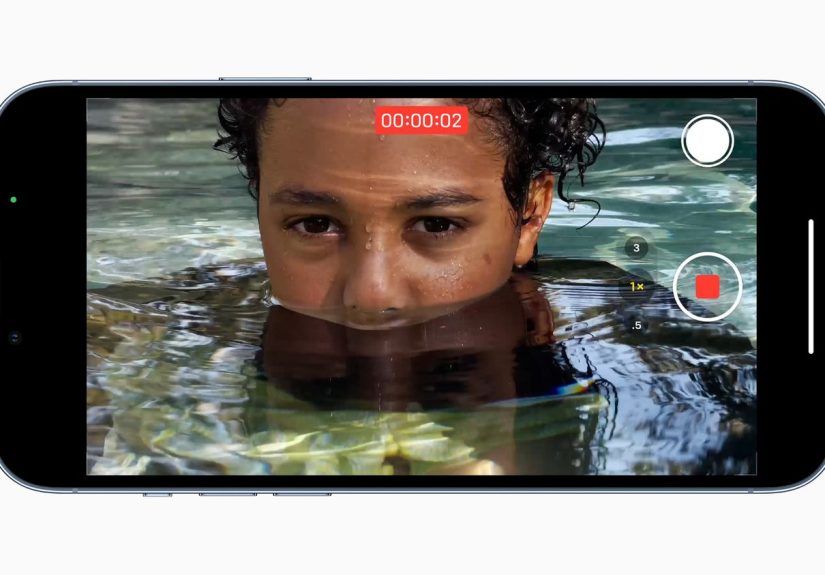
- Short dips underwater while recording video.
- Accidental trips through heavy rain or splashes at the sink.
Some stress tests even push the phone deeper and longer than Apple’s specs, and the device still works afterward. But here’s the catch: these tests are anecdotes, not guarantees. For every success story, there are also posts from people whose phones developed speaker issues, foggy cameras, or total failure after a water incident.
The take-home message is simple: the iPhone 13 can often survive water exposure, but whether yours will is like flipping a coin with your bank account.
Common Water Scenarios (and What Usually Happens)
1. Rain and Everyday Splashes
If you’re stuck in a downpour or get splashed while washing dishes, the iPhone 13 typically shrugs it off. IP68 is more than enough for rain, sweat, and minor spills. Just dry the phone off, especially around the openings, and you’re usually good to go.
2. Dropping Your iPhone 13 in the Sink or Toilet
The classic nightmare scenario: your phone takes a swan dive into the sink or, worse, the toilet. The good news is that the IP68 rating gives your iPhone 13 a fighting chance. If you fish it out quickly, rinse it lightly with clean water if it fell into something questionable (yes, we’re all thinking it), and dry it thoroughly, it will often survive.
But remember: even a quick dunk can allow a little water inside, especially if the phone has micro-cracks or previous damage. If anything starts acting weird afterward (e.g., muffled audio, flaky touch response), assume water may have gotten somewhere it shouldn’t.
3. Swimming Pools
Pool water is a double threat: it’s water plus chemicals. Short, shallow dips are usually fine for a healthy iPhone 13, but extended time underwater, frequent submersion, or deeper dives can push the phone beyond its design limits. Chlorine can also accelerate corrosion over time if water gets inside.
If you must bring your iPhone 13 into the pool, consider a proper waterproof case or housing and treat the built-in water resistance as a backup, not your main protection.
4. Ocean Water
Saltwater is the villain of this story. It’s corrosive, conducts electricity extremely well, and can do long-term damage even if your phone seems okay at first. Apple specifically warns against exposing iPhones to high-velocity water or saltwater.
If your iPhone 13 takes a dip in the ocean, rinse it gently with fresh water (without forcing water into the ports) and dry it carefully. Even then, there’s a higher risk of corrosion and future issues. Ideally, keep your phone far away from waves unless it’s inside a dedicated underwater housing.
5. Showers, Hot Tubs, and Steam
Steam and hot water are sneaky. While your iPhone 13 may survive a steamy bathroom or quick shower selfie, hot, humid environments can slowly wear down seals and allow condensation to build up inside. Hot tubs are even worse because you get heat, steam, and chemicals all in one bubbly package.
For the health of your phone, it’s better to leave it on the counter instead of propping it up on the edge of the tub like a tiny, expensive lifeguard.
What to Do If Your iPhone 13 Gets Wet
If your iPhone 13 has had more of a swim than you’d like, here’s a practical rescue checklist:
- Remove it from the water immediately. Time matters. The less time underwater, the better your odds.
- Power it off if it’s still on and behaving oddly. If everything seems normal, you can leave it on, but shutting it down is the safest choice if you suspect significant exposure.
- Dry the outside with a soft, lint-free cloth. Pay attention to ports, speakers, and the camera module.
- Don’t charge it. Apple specifically says not to charge a wet iPhone. Plugging in while moisture is still inside can cause serious damage.
- Let it air-dry. Place it in a cool, dry area with good airflow. A fan is fine; a hair dryer or heat gun is not. Excess heat can damage seals and internal components.
- Skip the rice myth. Tossing your iPhone in a bag of rice might make for good memes, but it’s not the best drying method and can leave dust or tiny particles in your ports. Air circulation is better.
After 24–48 hours, if everything looks and sounds normal, you’ve likely dodged the bullet. If not, you may need professional service.
How to Protect Your iPhone 13 Around Water
If you live near the beach, hang out by the pool, or just have a talent for spilling everything, consider a few extra layers of protection:
- Waterproof cases and housings: For pool days, snorkeling, or kayaking, a case rated for proper submersion is a huge upgrade over relying on IP68 alone.
- Float straps: Some waterproof pouches and cases come with floaty straps so your phone doesn’t head straight to the bottom of the lake.
- Screen protectors and sturdy cases: Cracks and dings can compromise water resistance. A good case and screen protector help the phone survive drops that might otherwise break the seal.
- Dry bags: Great for boats, beaches, and rainy hikes. Toss your phone inside and zip it up for peace of mind.
Think of these accessories as armor: your iPhone 13 already has some built-in protection, but extra gear helps it survive your clumsiest days.
Should You Take Underwater Photos with the iPhone 13?
Could you take underwater photos with a naked iPhone 13 in shallow water? Technically, yes. Many people do short dips in pools or clear springs and come back with impressive footage. But the key word is risk.
For casual users who just want a few underwater clips once in a while, it’s much smarter to:
- Use a dedicated underwater case with its own depth rating.
- Keep the phone in shallow water and limit time below the surface.
- Make sure there are no cracks or damaged edges before taking it anywhere near water.
- Back up important data before doing anything remotely risky.
If underwater photography or videography is a big hobby, you might be better off with a dedicated action camera designed for the depths, and keep your iPhone 13 on dry land as mission control.
Stories from the Deep End: Real-Life iPhone 13 Water Experiences
To make all this a bit less abstract, let’s walk through some relatable, real-world experiences around the question, “Is the iPhone 13 waterproof?” Consider these as composite stories inspired by what lots of users report, rather than a scientific study.
The Pool Party Rescue
Sam brought their iPhone 13 to a summer pool party, intending to keep it on the lounge chair. But when the group decided to take a group selfie at the water’s edge, one slippery hand later, the phone did a quick belly flop into the shallow end. Sam grabbed it within seconds, towel-dried it, and nervously checked the screen. It turned on, the speakers worked, and the camera was fine. Aside from a temporarily muffled sound that cleared up once it fully dried, the phone survived.
Sam’s conclusion: “The iPhone 13 is basically waterproof!” But that’s an emotional conclusion, not a technical one. In reality, Sam got exactly what IP68 is supposed to offer: a safety net for accidents, not a guarantee that every water event will be harmless.
The Toilet Drop Disaster
Meanwhile, Taylor had the exact same model and a similar accident, but this time in a bathroom. The phone slipped out of their back pocket into the toilet (it happens more often than anyone wants to admit). They fished it out right away, dried it, and everything seemed okay at first. A day later, though, the speaker started sounding distorted, and the phone occasionally rebooted.
When Taylor took the phone to Apple, the internal liquid indicator showed moisture exposure. Under the standard warranty, it was considered liquid damage and not eligible for a free repair. That meant paying out of pocket or using AppleCare+ if they had it. Same phone, similar incident category, very different outcome.
The Beach Trip Gamble
Jordan headed to the beach with big dreams of capturing slow-motion wave videos with their iPhone 13. They didn’t use a waterproof caseafter all, it’s IP68, right? The phone handled a few splashes like a champ. But at one point, a bigger wave knocked it into the salty water. It was only under for a few seconds, but ocean water is brutal. The phone worked for a while afterward, and Jordan relaxed.
Weeks later, corrosion started to show. The charging port became finicky, and the phone occasionally refused to charge at all. Inside, invisible salt residue was slowly eating away at delicate components. By the time Jordan realized the problem, the damage was done, and repairs weren’t cheap.
The Shower Habit
Then there’s Alex, who loved listening to podcasts in the shower. Instead of leaving the iPhone 13 on a dry shelf, they often kept it on the wet edge of the tub, letting steam and occasional splashes hit the phone. For months, nothing happened, which just reinforced the habit. “It’s basically waterproof anyway,” they thought.
Over time, though, steam and heat can weaken seals. One day, after an especially long, hot shower, condensation formed behind the camera lens. Photos looked hazy, and a faint foggy circle appeared in bright light. It eventually cleared, but it was a warning sign: water resistance isn’t infinite, and repeated exposure to steamy environments can chip away at that protection.
What These Stories Really Mean
All of these experiences highlight the same truth: the iPhone 13 can handle accidents but isn’t designed for a lifestyle as a fully waterproof gadget. Some people will use their phones around water for years with no issues. Others will have one unlucky incident and face an expensive repair bill.
If you want to treat your iPhone 13 as fully waterproof, you’re essentially gambling with an expensive device. If you treat it as water-resistant insurance for occasional mishapsand back that up with good habits and accessoriesyou’ll stack the odds heavily in your favor.
Conclusion: Treat Water Resistance as a Safety Net, Not a Superpower
So, is the iPhone 13 waterproof? No. It is water-resistant with an impressive IP68 rating, meaning it can survive certain underwater scenarios, especially when new and undamaged. But Apple doesn’t promise that every splash or dunk will be harmless, and it definitely doesn’t promise free repairs if things go wrong.
Think of the iPhone 13’s water resistance as a backup plan: great for accidental drops and surprise storms, but not a license to start filming a full underwater documentary. If you respect its limits, use common sense, and add accessories when you’re around water, your iPhone 13 can stay happy, dry (on the inside), and functional for years.