Table of Contents >> Show >> Hide
- The Short Answer
- Why Cornstarch Is Usually Gluten-Free
- When Cornstarch Can Be a Problem
- How To Buy Cornstarch Safely on a Gluten-Free Diet
- Cornstarch vs. Modified Food Starch vs. Wheat Starch
- Who Should Be Extra Careful?
- How To Use Cornstarch in a Gluten-Free Kitchen
- Common Questions About Cornstarch and Gluten
- Final Verdict
- Real-Life Experiences With Cornstarch on a Gluten-Free Diet
- SEO Tags
If you’ve ever stood in your kitchen holding a box of cornstarch and wondering whether it belongs in a gluten-free pantry, you are very much not alone. Cornstarch looks innocent enough. It’s white, powdery, and usually shows up when gravy needs rescuing or pie filling needs to stop behaving like soup. But when you’re avoiding gluten, “usually fine” is not always the same as “safe enough to toss into dinner without a second thought.”
Here’s the good news first: plain cornstarch is naturally gluten-free. It’s made from the starchy part of corn, and corn does not contain the same gluten proteins found in wheat, barley, or rye. That means the basic answer is yes. Still, there’s a small plot twist. Depending on how a product is processed, packaged, blended, or labeled, some cornstarch products are better choices than others for people with celiac disease or anyone highly sensitive to gluten.
This guide breaks down what cornstarch is, when it is safe, when it can get sketchy, how to shop for it smartly, and how to use it in a gluten-free kitchen without turning dinner into a detective novel.
The Short Answer
Yes, cornstarch is gluten-free in its natural form. Since it is made from corn rather than wheat, barley, or rye, plain cornstarch does not contain gluten. For many people, that is the end of the story. For people with celiac disease, however, the smarter answer is this: plain cornstarch is gluten-free, but you should still check the label and consider the risk of cross-contact during manufacturing.
In other words, cornstarch itself is the good guy. The manufacturing environment is the part that occasionally causes drama.
Why Cornstarch Is Usually Gluten-Free
What cornstarch actually is
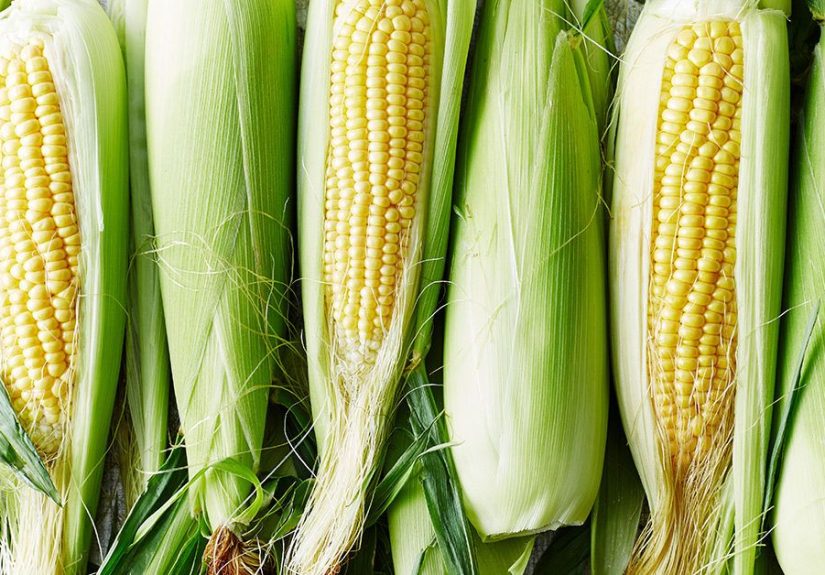
Cornstarch is a fine powder made from the starchy portion of the corn kernel. It is used as a thickener in sauces, soups, gravies, pie fillings, puddings, and stir-fries. It also appears in some gluten-free flour blends because it helps create a softer, lighter texture in baked goods.
That matters because cornstarch is not a wheat product wearing a fake mustache. It is a corn product, plain and simple.
Corn is not one of the gluten-containing grains
Gluten is the protein found in wheat, barley, rye, and related hybrids. Corn is not on that list. Even though you may have heard the phrase “corn gluten” in gardening or agricultural products, that does not mean corn contains the same gluten that affects people with celiac disease. The name is confusing, but nutritionally and medically, corn is considered a naturally gluten-free grain.
That is why cornmeal, polenta, grits, masa, and cornstarch can all fit into a gluten-free diet when they are not contaminated with gluten during processing.
When Cornstarch Can Be a Problem
If cornstarch is naturally gluten-free, why do people still ask about it? Because real life likes loopholes.
Cross-contact during manufacturing
The biggest concern is cross-contact. This happens when a gluten-free food comes into contact with wheat, barley, or rye somewhere during harvesting, milling, processing, packaging, or transport. A single-ingredient product can be naturally gluten-free on paper and still pick up trace gluten in the real world.
For someone casually cutting back on gluten, that may not be a huge concern. For someone with celiac disease, it can be a very big deal. Even tiny amounts of gluten can be enough to cause problems.
Mixed products are trickier than plain cornstarch
A box labeled “cornstarch” is one thing. A sauce mix, gravy packet, pudding mix, soup base, seasoned coating, or baking blend is another. Once cornstarch becomes one ingredient in a bigger product, the odds of running into wheat-based additives go up.
For example, a thickening blend may include wheat flour. A gravy packet may contain barley malt flavoring. A breading mix may use cornstarch and still be absolutely not gluten-free. Cornstarch in the ingredient list does not magically bless the whole product.
Bulk bins and restaurant kitchens deserve side-eye
Bulk bins are convenient, but they are also the Wild West of cross-contact. Scoops migrate. Labels get mixed up. Flour dust floats around like it pays rent. Restaurant kitchens can present similar risks if the same prep surfaces, spoons, or fry stations are used for gluten-containing foods and gluten-free items.
So yes, your homemade gravy thickened with safe cornstarch is probably fine. A mystery sauce from a busy kitchen? That deserves a follow-up question.
How To Buy Cornstarch Safely on a Gluten-Free Diet
1. Read the full label
Start with the ingredient list and allergen information. If the product contains wheat, it should be declared. That gives you a quick first screen.
2. Look for a gluten-free label
In the United States, a product labeled “gluten-free” must meet the FDA standard of less than 20 parts per million of gluten. That doesn’t make it magically perfect, but it does give you a defined regulatory standard rather than a vague promise from the universe.
If you have celiac disease or are highly sensitive, choosing a labeled gluten-free product can offer extra reassurance.
3. Certification can add another layer of confidence
Some shoppers also look for third-party certification. Programs such as GFCO use standards that are stricter than the FDA threshold. That can be helpful if you prefer an extra layer of screening, especially for pantry staples you use often.
4. Be more careful with store brands or vague blends
Single-ingredient cornstarch from a clearly labeled, well-known manufacturer is usually a simpler bet than a mystery blend with unclear sourcing. When the packaging is vague, your comfort level may depend on how medically necessary strict avoidance is for you.
5. When in doubt, contact the manufacturer
It may not be glamorous, but asking a manufacturer about shared equipment, testing practices, or gluten-free claims can save you a lot of guesswork. No one dreams of spending Tuesday afternoon emailing about starch, but adulthood is full of surprises.
Cornstarch vs. Modified Food Starch vs. Wheat Starch
These terms sound annoyingly similar, which is why they confuse so many shoppers.
Plain cornstarch
This is simply starch derived from corn. In its natural form, it is gluten-free.
Modified food starch
Modified food starch is a starch that has been altered to improve texture, stability, or shelf life. In North America, it is usually made from corn, potato, tapioca, or other gluten-free sources. If wheat is used in the United States, it is supposed to be declared on the label. That means modified food starch is often safe, but it still deserves a label check.
Wheat starch
Wheat starch is where people understandably hit the brakes. Wheat starch is derived from wheat, but in some cases it may be processed to remove gluten and still appear in foods labeled gluten-free if the final product meets the legal standard. That is a technical labeling point, not a beginner-friendly shopping experience.
If you are trying to keep things simple, the easiest move is this: plain cornstarch is straightforward; wheat starch is not.
Who Should Be Extra Careful?
People with celiac disease
If you have celiac disease, strict gluten avoidance is not optional. It is the treatment. For you, the difference between “naturally gluten-free” and “safely processed gluten-free” matters. Choosing labeled gluten-free cornstarch can make life easier and lower the stress level in your pantry.
People with non-celiac gluten sensitivity
If you have non-celiac gluten sensitivity, your tolerance level may vary. Some people are comfortable with naturally gluten-free single-ingredient foods that are not specifically labeled gluten-free. Others prefer labeled products because it reduces uncertainty. Your symptoms, history, and comfort level all matter here.
People with a wheat allergy
A wheat allergy is not the same thing as celiac disease. Cornstarch does not contain wheat, so plain cornstarch may be fine for many people with a wheat allergy. But mixed products are a different story, and cross-contact may still be relevant depending on the severity of the allergy. In that case, follow your allergist’s guidance rather than guessing from the pantry shelf.
How To Use Cornstarch in a Gluten-Free Kitchen
One reason cornstarch shows up so often in gluten-free cooking is that it is genuinely useful. It thickens quickly, has a fairly neutral flavor, and helps create glossy sauces and tender baked textures.
Great uses for gluten-free cooking
- Gravy and sauces: Cornstarch makes smooth gravies without relying on wheat flour.
- Soup thickening: A little slurry can turn a thin soup into something far more satisfying.
- Pie fillings: It helps fruit fillings hold together instead of escaping across the plate.
- Stir-fry sauces: It adds that glossy restaurant-style finish.
- Gluten-free baking blends: It can soften texture in cakes, cookies, and quick breads.
Best practice: make a slurry
To avoid lumps, mix cornstarch with a small amount of cold water before adding it to hot liquid. Dumping dry cornstarch straight into simmering sauce is a fast way to create tiny pale dumplings no one asked for.
Common Questions About Cornstarch and Gluten
Is all cornstarch gluten-free?
All plain cornstarch is naturally gluten-free by ingredient. Not every product made with cornstarch is gluten-free, and not every cornstarch package offers the same level of confidence for highly sensitive consumers.
Is cornstarch safe for celiac disease?
Usually, yes. For people with celiac disease, the safest choice is a cornstarch product that is clearly labeled gluten-free or comes from a manufacturer with transparent processing practices.
Does “corn gluten” mean corn has gluten?
No. The phrase is misleading. Corn does not contain the gluten proteins found in wheat, barley, or rye.
Is modified food starch gluten-free?
Often yes in the United States, especially when it comes from corn or potato. But labels still matter, and wheat should be disclosed if used.
Can cornstarch replace flour in gluten-free recipes?
Sometimes. It works beautifully as a thickener, but it is not a one-to-one replacement for flour in every baking recipe. In baked goods, it usually works best as part of a broader gluten-free flour blend.
Final Verdict
So, is cornstarch gluten-free? Yes, plain cornstarch is naturally gluten-free. That is the simple answer, and for most people, it is the one that matters most.
The smarter, real-world answer is slightly longer: cornstarch itself is gluten-free, but people with celiac disease or high sensitivity should still pay attention to labels, manufacturing practices, and whether the product is clearly marked gluten-free. That extra caution is not overkill. It is just good shopping.
Think of cornstarch as one of the easier pantry wins on a gluten-free diet. It is useful, versatile, affordable, and generally safe. You just want to make sure the box in your hand has not picked up any unwanted company along the way.
Real-Life Experiences With Cornstarch on a Gluten-Free Diet
One of the most common experiences people describe after going gluten-free is realizing that the hardest part is not giving up bread. It is learning to trust ingredients all over again. Cornstarch is a perfect example. At first glance, it seems harmless. Then the questions start: Is it processed near wheat? Is the store brand okay? Why does one package say gluten-free while another says nothing at all? That little box becomes a symbol of the bigger gluten-free learning curve.
Many newly diagnosed shoppers go through a phase where they read labels like they are decoding national secrets. Cornstarch often becomes one of the first ingredients they learn to feel comfortable with. It shows up in pie filling, pudding, crispy coatings, and homemade gravy, so it quickly becomes a staple. There is often a small but genuine feeling of victory the first time someone thickens a sauce without worrying that a spoonful of flour is about to ruin the meal.
Home cooks also tend to discover that cornstarch gives them back some kitchen freedom. A parent making weeknight stir-fry may use it to create a glossy sauce instead of buying a bottled one with questionable ingredients. Someone who loves holiday cooking may swap flour-based gravy for a cornstarch slurry and realize nobody at the table can tell the difference. In gluten-free baking, it often becomes part of the background team rather than the star player, helping cookies stay tender and cakes feel less dense. It is not dramatic, but it is useful in the quiet, dependable way pantry heroes usually are.
There is also a practical emotional side to all of this. People with celiac disease often say the most exhausting part of eating is not the food itself. It is the uncertainty. Ingredients like cornstarch can reduce that stress because they are naturally gluten-free and widely available. Once someone finds a brand they trust, that box starts earning permanent shelf space. It becomes one less thing to second-guess.
Of course, not every experience is carefree. Some people discover that they tolerate plain, labeled gluten-free cornstarch just fine at home but feel nervous when the same ingredient appears in restaurant sauces or buffet foods. That hesitation makes sense. In a controlled kitchen, cornstarch can be a reliable thickener. In a busy restaurant, it may be part of a sauce that also includes soy sauce, malt flavoring, roux, or other ingredients that change the whole equation. That is why many gluten-free eaters learn to ask not just “Does this contain cornstarch?” but “Is the entire dish actually gluten-free?”
Over time, cornstarch often becomes one of those ingredients people stop fearing and start understanding. And that is really the goal of a sustainable gluten-free lifestyle: not panic, not perfection, but confidence. When you know what cornstarch is, what the label means, and where cross-contact can sneak in, the ingredient becomes a lot less mysterious. It goes back to doing what it does best: thickening sauces, saving dessert, and quietly minding its own business in the pantry.