Table of Contents >> Show >> Hide
- What Is an IUD, Exactly?
- The Main Types of IUDs in the United States
- Which IUDs Are the Best for Different Needs?
- Benefits of IUDs
- Risks and Side Effects of IUDs
- Who Should Talk Carefully With a Clinician Before Choosing an IUD?
- How to Choose the Right IUD for You
- Real-World Experiences With IUDs: What People Often Notice
- Final Takeaway
- SEO Tags
Medical note: This article is for educational purposes only and is not a substitute for personal medical advice. The best IUD for one person may be the wrong one for another, because bodies, periods, pain tolerance, hormone preferences, and health histories love being dramatic and different.
If you are trying to figure out which IUD is “best,” here is the honest answer: there is no single winner wearing a tiny gold crown inside every uterus. The best IUD depends on what matters most to you. Do you want lighter periods? No hormones? The longest protection possible? A good option for emergency contraception? Something lower-dose and shorter-term? These questions matter more than brand loyalty.
Still, some patterns show up again and again. For many people, Mirena and Liletta are the best overall hormonal IUDs because they last a long time and often make periods much lighter. Paragard is usually the top choice if you want a nonhormonal IUD. Kyleena and Skyla are often appealing if you want a lower-dose hormonal option and a shorter commitment. And the newer copper option, Miudella, may interest people who want a copper IUD but not necessarily a decade-long device.
This guide breaks down the main IUD benefits, risks, and side effects, along with who each option tends to fit best. Think of it as a practical, no-nonsense comparison with fewer myths and more useful takeaways.
What Is an IUD, Exactly?
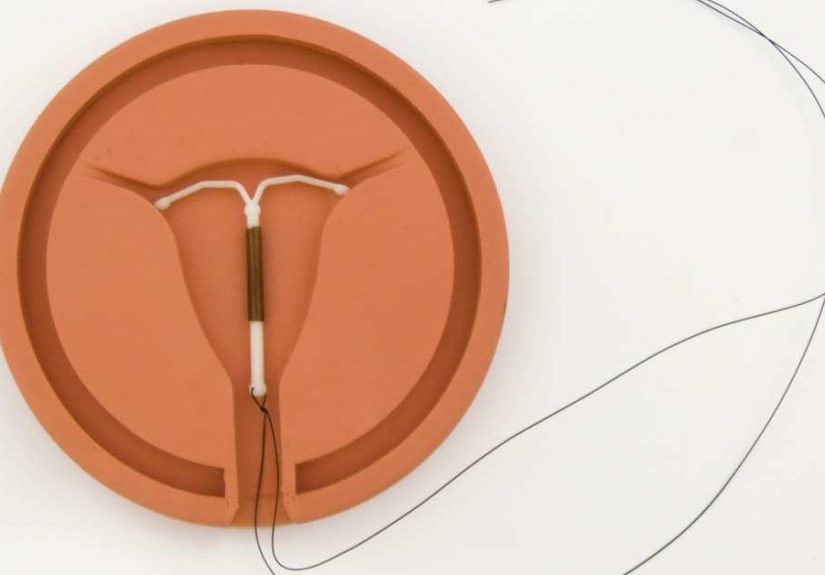
An IUD, or intrauterine device, is a small T-shaped device placed in the uterus by a clinician. Once inserted, it offers long-acting reversible contraception. That means it works for years, but it can also be removed whenever you want. No daily alarms. No pharmacy panic. No “Wait, did I already take my pill?” at 11:47 p.m.
There are two main categories:
- Hormonal IUDs, which release levonorgestrel, a type of progestin
- Copper IUDs, which contain no hormones
Hormonal IUDs mainly work by thickening cervical mucus and thinning the uterine lining, making it much harder for sperm to reach an egg. Copper IUDs work differently: copper affects sperm movement and function, making fertilization much less likely.
The Main Types of IUDs in the United States
| IUD | Type | FDA-Approved Duration | Best For | Potential Trade-Offs |
|---|---|---|---|---|
| Mirena | Hormonal (52 mg levonorgestrel) | Up to 8 years | People who want long-term protection and lighter periods | Irregular bleeding at first; hormone-related side effects are possible |
| Liletta | Hormonal (52 mg levonorgestrel) | Up to 8 years | Similar goals to Mirena; long-term hormonal option | Similar side effect profile to Mirena |
| Kyleena | Hormonal (19.5 mg levonorgestrel) | Up to 5 years | People who want a mid-length, lower-dose hormonal option | May not reduce bleeding as much as a 52 mg IUD |
| Skyla | Hormonal (13.5 mg levonorgestrel) | Up to 3 years | People who want the shortest hormonal IUD option | Shortest duration among hormonal IUDs |
| Paragard | Nonhormonal copper | Up to 10 years | People who want hormone-free birth control and very long duration | Can cause heavier bleeding and more cramping |
| Miudella | Nonhormonal copper | Up to 3 years | People interested in a newer copper option with shorter duration | Newer product, so some patients may prefer a longer-established option |
Which IUDs Are the Best for Different Needs?
Best Overall for Many People: Mirena or Liletta
If you want a hormonal IUD that lasts a long time and often makes periods lighter, Mirena and Liletta usually rise to the top. They are both 52 mg levonorgestrel IUDs and are commonly recommended for people who want a “set it and forget it” method with strong cycle benefits.
These two are often the best fit for people with heavy periods, painful cramps, or anyone who would be thrilled to see less bleeding on the calendar. Some people stop getting periods altogether, which is either excellent news or mildly suspicious news until your clinician explains that it is a common effect with hormonal IUDs.
Best for Heavy Periods: Mirena or Liletta
If your main question is not just “How do I avoid pregnancy?” but also “How do I stop my uterus from acting like it is auditioning for a disaster movie every month?” then Mirena or Liletta may be the best options to discuss. They are the strongest hormonal IUD choices for period control and are often used in people with heavy menstrual bleeding.
Best Lower-Dose Hormonal Options: Kyleena or Skyla
Kyleena and Skyla may appeal to people who want a lower-dose hormonal IUD or a shorter duration. Kyleena gives you five years, while Skyla offers three. These can be appealing if you are not ready to commit to the longer timeline of Mirena or Liletta, or if you simply want a different hormonal profile.
That said, lower-dose does not automatically mean “no side effects” or “better for everyone.” Bodies do not read marketing brochures. Some people do wonderfully on Kyleena or Skyla, while others prefer the stronger bleeding control that the 52 mg options can provide.
Best Nonhormonal IUD: Paragard
If you want birth control without hormones, Paragard is usually the best-known answer. It lasts up to 10 years, which makes it one of the longest-lasting reversible methods available. It is a strong choice for people who want to avoid hormone exposure, prefer regular ovulation, or simply like the idea of contraception that runs on copper instead of chemistry class vibes.
The biggest catch is that Paragard can make periods heavier, longer, or crampier, especially during the first few months. So if you already have rough periods, this may not feel like a personality match.
Best Newer Copper Option: Miudella
Miudella is a newer copper IUD option in the United States with a shorter approved duration. For some people, that may sound refreshing. Not everyone wants a 10-year device. Some patients want something hormone-free without a decade-long commitment. Since it is newer, some people may feel more comfortable with a longer-established option like Paragard, while others may like having another copper choice on the menu.
Best for Emergency Contraception: Usually Paragard
If you need emergency contraception and also want ongoing birth control, the copper IUD is the classic standout. In some clinical settings, Mirena or Liletta may also be offered for emergency contraception within five days of unprotected sex, but availability depends on the clinic and clinician practice patterns. If this is your situation, speed matters, so call a provider promptly.
Benefits of IUDs
The reason IUDs are so popular is simple: they are incredibly effective and very low maintenance. But their advantages go well beyond convenience.
1. They Are Extremely Effective
IUDs are among the most effective reversible birth control methods available. Because there is almost no user error after insertion, they avoid the real-world slipups that make pills, patches, and rings less reliable for some people.
2. They Last for Years
Depending on the device, an IUD can work for three to 10 years. That makes it ideal for people who want long-term contraception without needing permanent sterilization.
3. Fertility Returns Quickly After Removal
IUDs are reversible. Once the device is removed, the contraceptive effect wears off quickly. For people who may want pregnancy later, that flexibility is a major selling point.
4. Hormonal IUDs Can Improve Periods
Many people choose a hormonal IUD not just for contraception, but because it can make periods lighter, shorter, and less painful. For some, this is life-changing. White pants may return from retirement.
5. Copper IUDs Are Hormone-Free
For people who do not want hormonal birth control, a copper IUD offers long-term pregnancy prevention without a progestin component. That makes it a popular choice for those who are sensitive to hormones or simply prefer to avoid them.
6. They Work for a Wide Range of Patients
IUDs can be appropriate for teens, adults, people who have never given birth, and people who have. Older myths that IUDs are only for people who have already had children are outdated.
Risks and Side Effects of IUDs
No birth control method is perfect, and IUD side effects vary a lot depending on the type. Here is the practical breakdown.
Common Side Effects After Insertion
- Cramping
- Spotting
- Pelvic discomfort for a few days
- Dizziness or feeling faint right after placement in some people
These are common and usually temporary. The first few days are often more about comfort management than panic.
Hormonal IUD Side Effects
With hormonal IUDs, irregular bleeding and spotting are especially common in the first few months. Some people also report headaches, acne, breast tenderness, or mood changes. Many of these symptoms settle down over time, and bleeding often improves significantly after the adjustment period.
Copper IUD Side Effects
The copper IUD is more likely to cause heavier bleeding, stronger cramps, and spotting between periods, especially at first. For some people, those effects improve after a few months. For others, they remain annoying enough to make removal worth considering.
Rare but Serious Risks
- Expulsion: The IUD can partially or completely slip out
- Perforation: Very rarely, the device can go through the uterine wall during insertion
- Infection: The risk of pelvic infection is mainly around the time of insertion, especially if an STI is already present
- Ectopic pregnancy: Pregnancy is uncommon with an IUD, but if it happens, it is more likely to be ectopic than a typical pregnancy
- Removal complications: Rarely, removal can be more difficult if strings are not visible, the device embeds, or the device breaks during removal
That list sounds intense, but these complications are uncommon. The everyday reality for most users is much less dramatic: they either love the device, feel neutral about it, or decide it is not the right fit and have it removed.
Who Should Talk Carefully With a Clinician Before Choosing an IUD?
IUDs are safe for many people, but a good medical review still matters. You should have a detailed discussion with a clinician if you have:
- Current pregnancy or possible pregnancy
- Unexplained vaginal bleeding
- A current untreated pelvic infection or untreated STI
- A uterine shape issue that may affect placement
- Current breast cancer or certain hormone-sensitive conditions if considering a hormonal IUD
- Copper allergy or Wilson disease if considering a copper IUD
This is also why the “best IUD” question cannot be answered from a TikTok comment section alone.
How to Choose the Right IUD for You
If you want the quick version, use this cheat sheet:
- Choose Mirena or Liletta if you want long-lasting hormonal birth control and lighter periods
- Choose Kyleena if you want a middle-ground hormonal IUD for five years
- Choose Skyla if you want a shorter hormonal option
- Choose Paragard if you want hormone-free birth control and the longest copper duration
- Ask about Miudella if you want a newer copper option with a shorter timeline
And if you have heavy bleeding, painful cramps, migraines, mood concerns, or want emergency contraception, mention that clearly. Those details often change which IUD rises to the top.
Real-World Experiences With IUDs: What People Often Notice
One of the most useful things to understand about IUDs is that the experience usually happens in phases. The first phase is insertion day, and yes, that is the one everyone talks about with the energy of someone describing a roller coaster they were not fully emotionally prepared for. Some people say insertion feels like a few intense cramps and then it is over. Others feel shaky, sweaty, or need a minute to lie back and stare at the ceiling tiles like they just achieved something heroic. Both reactions can be normal.
The second phase is the first few days. This is the “heating pad, comfy pants, and canceled plans if necessary” window. Cramping and spotting are common, and some people barely notice them while others need pain relievers and rest. A lot depends on your baseline period pain, your anxiety level before the visit, the type of IUD you got, and your own anatomy. There is no prize for pretending it felt easy if it did not.
Then comes the adjustment phase, usually the first few months. This is where hormonal and copper IUD experiences often split into different stories. People with hormonal IUDs frequently describe random spotting, surprise light bleeding, or periods that seem to forget how to follow a calendar. It can be annoying. It can also be temporary. Many users say that once their bodies settle in, they end up with much lighter periods and less cramping than before. For some, the payoff is absolutely worth the messy beginning.
Copper IUD users often report a different pattern. They may like the fact that the method is hormone-free and that their cycle still feels familiar in some ways, but they may also notice stronger cramps or heavier bleeding, especially in the first few cycles. Some people adjust and do just fine. Others decide that their period was already enough of a monthly event and they are not interested in adding bonus content.
Another common experience is emotional relief. Many users love that an IUD removes the need to think about contraception every day. They stop worrying about missed pills, pharmacy delays, or whether vomiting after a stomach bug turned their birth control into a coin toss. That mental freedom is a real quality-of-life benefit, and people talk about it more often than you might expect.
There are also people who simply decide an IUD is not for them. Maybe the spotting lasts too long. Maybe the cramping is too disruptive. Maybe they do not like how their body feels. That is not a failure. It is just information. One of the best things about IUDs is that they are reversible, and if the experience is not working for you, removal is an option. In many cases, people know within a few months whether they have found their long-term match or just gone on a very educational first date with a tiny T-shaped device.
The most realistic expectation is this: a good IUD experience is often not “perfect from day one.” It is more often “a little rough at first, then surprisingly easy,” or “not my favorite at first, then absolutely worth it,” or occasionally, “thanks, but no thanks.” That is why the best IUD is not the one with the loudest fan club. It is the one that fits your body, your health history, and your real life.
Final Takeaway
So, which IUD is the best? For many people, Mirena or Liletta offer the best balance of effectiveness, longevity, and lighter periods. Paragard remains the best-known hormone-free choice. Kyleena and Skyla are useful lower-dose, shorter-duration hormonal options, while Miudella adds a newer copper alternative.
The smartest way to choose is not to ask which IUD is best in general. It is to ask which IUD is best for your body, your period, your hormone preferences, and your future plans. That is the version of the question that actually gets good answers.