Table of Contents >> Show >> Hide
- Quick reality check: what vitamin D can and can’t do
- Why people think vitamin D lowers blood pressure
- What the best evidence says (and why it matters)
- So what should you do for high blood pressure instead?
- When vitamin D supplementation actually makes sense
- Why taking vitamin D “for hypertension” can backfire
- A smarter “supplement mindset” for blood pressure
- Real-world experiences: what people notice when they stop chasing vitamin D for BP
- Bottom line
Vitamin D has had quite a glow-up. It started as “the sunshine vitamin” for bone health and somehow got promotedby vibes, headlines, and supplement aisle optimisminto a Swiss Army knife for everything from mood to immunity to your blood pressure.
But if your goal is lowering high blood pressure, vitamin D is not the hero of this story. It’s more like the charming side character who shows up in episode one, sparks a bunch of theories, and then quietly exits the season when randomized trials walk in and ask for receipts. Vitamin D is important. It’s just not a blood pressure medicationand taking it “for hypertension” usually leads to one of two outcomes: nothing happens, or you take too much and your body sends you an angry email in the form of high calcium, kidney issues, and a very expensive lab bill. [1][8]
Quick reality check: what vitamin D can and can’t do
Vitamin D helps your body absorb calcium and supports bone and muscle function. It plays roles in many biological processes, which is why researchers keep investigating it. But “biologically plausible” isn’t the same as “clinically effective,” and blood pressure is a classic place where plausibility got a little ahead of proof. [1]
If you’re deficient, correcting that deficiency matters for overall healthespecially bones. But taking extra vitamin D when you’re not deficient is like putting premium gasoline in a bicycle. It’s not harmful at normal doses, but it’s not going to turn your commute into a motorcycle ride. [1]
Why people think vitamin D lowers blood pressure
1) Observational studies: the “association” trap
Many population studies have found that people with lower vitamin D levels tend to have higher blood pressure or more cardiovascular risk factors. That sounds persuasive until you remember that life is messy.
People with low vitamin D often also have less outdoor activity, higher body weight, different dietary patterns, or chronic conditions that limit mobility. Those factors can raise blood pressure on their own. In other words, low vitamin D can be a marker of a lifestyle pattern that affects blood pressure, not necessarily the cause.
2) The “sunlight solved it” misunderstanding
Spending time outside is linked with better cardiometabolic health. Some of that may come from movement (walking counts!), stress relief, and sleep rhythm benefits. Vitamin D levels rise with sunlight exposure, so it’s easy to assume vitamin D is the magic ingredientwhen in reality the “outside package deal” includes several blood-pressure-friendly behaviors.
3) Biology that makes sense… and then disappoints in real life
Vitamin D has been studied for potential effects on the renin-angiotensin system and vascular function. Sounds promising. Yet, when researchers test vitamin D supplements in randomized controlled trials (the kind designed to actually answer “does this work?”), the blood-pressure impact is usually small, inconsistent, or absent. [2]
What the best evidence says (and why it matters)
Randomized trials don’t show vitamin D as a reliable BP-lowering tool
One major trial in people with prehypertension or stage 1 hypertension and vitamin D deficiency found that vitamin D supplementation did not reduce blood pressure. That’s the key phrase: not “didn’t reduce it enough,” but “didn’t reduce it.” [2]
Meta-analyses have sometimes found tiny average reductions in systolic blood pressure in certain subgroupsparticularly people with hypertension plus low vitamin Dbut the effect sizes are typically small (think “not even a full point” to “a couple points”), and results vary by study design, dosing schedule, baseline vitamin D status, and population characteristics. Even when a statistical signal exists, it often isn’t strong enough to be a practical treatment strategy compared with proven interventions. [2]
Compare that to lifestyle changes that actually move the needle
If you want a supplement-like outcome with actual evidence, look at lifestyle interventions. For example, the DASH eating pattern and sodium reduction have been repeatedly shown to lower blood pressuresometimes within weeks. And unlike a supplement, DASH improves the whole cardiovascular “ecosystem”: fiber intake, potassium, magnesium, overall diet quality, and weight control. [6][7]
Put bluntly: vitamin D is not a blood pressure plan. DASH plus movement plus weight management is. [6][7][12]
So what should you do for high blood pressure instead?
Step 1: Make sure your numbers are real
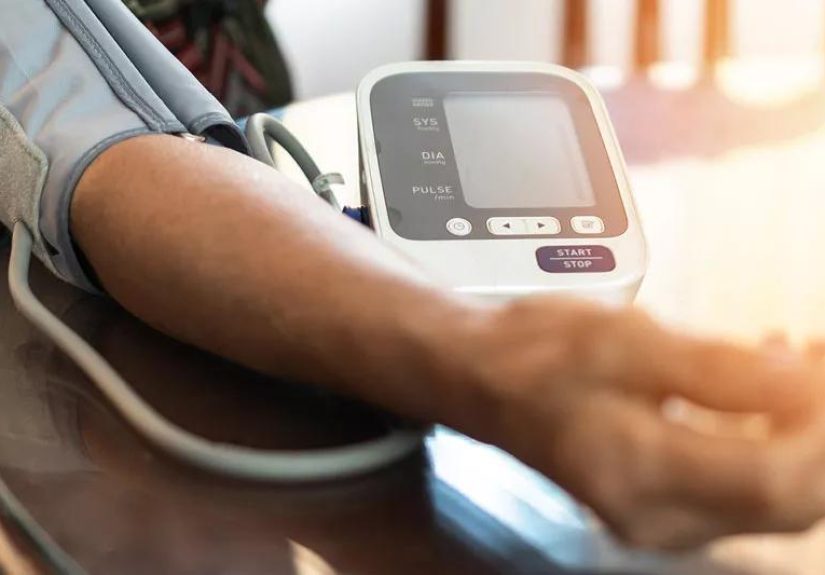
Blood pressure is famously sensitive to context. Coffee, stress, a full bladder, talking during the reading, or using the wrong cuff size can inflate results. If you’re getting “high” readings at the doctor’s office, home monitoring can help clarify what’s happening day-to-day. [11]
As a general guide: normal is below 120/80. Stage 1 hypertension starts at 130–139 systolic or 80–89 diastolic; stage 2 is 140/90 or higher. Very high readings (like over 180/120) can be dangerous, especially with symptomsdon’t “wait it out” with supplements. [11]
Step 2: Eat like your arteries have feelings
- Try DASH-style eating. Emphasize fruits, vegetables, whole grains, beans, nuts, and low-fat dairy; limit saturated fat and ultra-processed foods. [6][7]
- Lower sodium. Many guidelines recommend staying under about 2,300 mg/day, with an ideal target closer to 1,500 mg/day for additional blood pressure benefit. [6][11]
- Boost potassium through food (unless your clinician has told you otherwise, especially with kidney disease): bananas, beans, leafy greens, potatoes, yogurt. Potassium helps counterbalance sodium’s effect in the body. [5][11]
Step 3: Move your body (no, “thinking about it” doesn’t count)
Regular physical activity supports lower blood pressure, better insulin sensitivity, and healthier weight. Many mainstream recommendations aim for at least 150 minutes per week of moderate activity (like brisk walking), plus some strength training. [7][12]
Step 4: Address the “silent boosters”
- Sleep: poor sleep and sleep apnea can drive blood pressure up.
- Alcohol: reducing or eliminating alcohol can help lower blood pressure. [5][11]
- Weight: even modest weight loss can improve blood pressure and overall cardiometabolic risk. [11]
- Stress: stress doesn’t cause all hypertension, but it can worsen it. Breathing exercises and relaxation practices can help some people stick with healthy habits. [11]
Step 5: Use medication when it’s indicated (and don’t feel like you “failed”)
For many people, lifestyle is necessary but not sufficient. High blood pressure can be genetic, age-related, or driven by underlying conditions. Modern guidelines emphasize lifestyle first for some, and timely medication for othersespecially when cardiovascular risk is elevated or blood pressure is persistently high. [3][4]
Medication is not a moral judgment. It’s a tool. And unlike vitamin D “for blood pressure,” it has clear evidence, predictable dose-response, and measurable outcomes.
When vitamin D supplementation actually makes sense
Vitamin D supplementation can be appropriate if you have deficiency, limited sun exposure, darker skin pigmentation with low measured levels, certain malabsorption conditions, or other clinical scenarios where your healthcare professional recommends it.
The commonly cited Recommended Dietary Allowance (RDA) is 600 IU/day for most adults up to age 70, and 800 IU/day for adults over 70. The tolerable upper intake level for many adults is 4,000 IU/daygoing above that without medical supervision is where “helpful” can start sliding toward “please stop doing that.” [1]
The point: take vitamin D for vitamin D reasonsbone health, deficiency correctionnot as a substitute for blood pressure care. [1]
Why taking vitamin D “for hypertension” can backfire
1) You might delay real treatment
High blood pressure is called a “silent” condition because you can feel fine while damage accumulates over time. If a supplement gives you the comforting illusion of action, it can postpone the habits and treatments that actually reduce risk. [5][11]
2) Too much vitamin D can cause high calciumand that’s not a vibe
Excess vitamin D can raise calcium levels in the blood (hypercalcemia), causing symptoms like nausea, vomiting, weakness, and frequent urinationand it can contribute to kidney problems, including kidney stones. Severe cases can cause serious complications. [1][8][9]
3) Drug interactions and special cases exist
Vitamin D can interact with certain medications or be riskier in particular clinical contexts. If you’re on blood pressure meds or have kidney issues, it’s worth discussing supplements with your clinician instead of guessing in the pharmacy aisle. [1][10]
A smarter “supplement mindset” for blood pressure
If you love the simplicity of “take a pill, fix a problem,” I get it. Everyone’s busy, and lifestyle change can feel like a second job. But the closest thing to a legitimate “one weird trick” for blood pressure is not vitamin Dit’s building a routine where the defaults are healthy:
- Keep a home BP log for 2 weeks (same time each day, same conditions). [11]
- Adopt a DASH-ish grocery list for your next shopping trip. [6][7]
- Pick a “sodium swap” rule: choose low-sodium versions of two staples (bread, canned beans, broth, sauces). [6][11]
- Schedule movement like an appointment. Even 10–15 minutes at a time counts. [7][12]
- Ask your clinician whether you should be screened for sleep apnea if you snore or feel unrefreshed. [11]
Meanwhile, if you take vitamin D, do it with a clear goal: correcting deficiency or meeting dietary needsnot chasing a blood pressure outcome the science doesn’t reliably deliver. [2]
Real-world experiences: what people notice when they stop chasing vitamin D for BP
The following are common, realistic patterns clinicians and patients talk aboutnot a substitute for medical advice, but helpful “you’re not the only one” snapshots.
The Supplement Optimist
“Jordan” (a composite example) bought vitamin D because a friend swore it “fixed their numbers.” Jordan took 2,000 IU daily for months and checked blood pressure occasionallyusually after a stressful day, often after coffee. The readings stayed high. Jordan felt frustrated, assuming their body was “resistant.”
What changed things wasn’t a new supplement. It was switching to consistent home readings (same chair, same time, quiet room) and realizing the average was clearly in stage 2 hypertension territory. That clarity led to a practical plan: reduce sodium, walk 30 minutes most days, and start a medication recommended by their clinician. Two months later, the average dropped meaningfully. Vitamin D didn’t “fail”it just wasn’t the right tool for that job. [11][12]
The Indoor Worker in Winter
“Monica” worked long hours indoors and had low measured vitamin D. Her clinician recommended supplementation to correct deficiency. Monica also had mildly elevated blood pressure. She assumed the vitamin D prescription was secretly doing double duty for both issues.
After rechecking labs, vitamin D levels improvedgreat. Blood pressure, however, barely budged. That felt confusing until Monica reframed the goal: vitamin D was for bone and deficiency correction; blood pressure needed its own plan. She added a DASH-style breakfast routine (oatmeal, berries, yogurt, nuts), cut back on salty takeout, and started short strength sessions twice weekly. Over time, her blood pressure improved alongside weight and sleep. Her takeaway was simple: vitamin D helped what it’s designed to help, and lifestyle helped what lifestyle is designed to help. [1][6][7]
The “If Some Is Good, More Is Better” Trap
“Ray” read online that vitamin D supports cardiovascular health and decided to take 10,000 IU daily without checking levels. Weeks later, Ray felt offfatigue, thirst, and more bathroom trips. A clinic visit revealed elevated calcium. The fix was straightforward but unpleasant: stop the high-dose supplement and treat the hypercalcemia. Ray’s blood pressure was not lower (and anxiety around the symptoms didn’t help). [1][8][9]
This scenario is exactly why upper limits exist: vitamin D is a nutrient, not a “more is always better” badge of wellness. Safe dosing matters, and chasing unproven benefits can create brand-new problems you didn’t order. [1][8]
The Calm, Boring, Effective Approach
“Tasha” did the unsexy things: logged blood pressure at home, brought the log to appointments, followed a DASH-ish eating pattern most days, and treated weekends like “portion awareness” instead of “food lawlessness.” When medication was recommended, Tasha started it and kept the lifestyle habitsbecause it’s not either/or.
Tasha still takes vitamin D occasionally, but only within recommended amounts and only for dietary supportnot as a blood pressure strategy. The results were predictable: blood pressure improved, energy improved, and the supplement shelf stopped looking like a chemistry experiment. [1][3][6][11]
Bottom line
If you have high blood pressure, don’t rely on vitamin D to treat it. The best evidence doesn’t support vitamin D supplements as a consistent blood pressure-lowering intervention, and high doses can cause harm. [2][1][8]
Take vitamin D for what it’s good atsupporting calcium balance and bone health when intake or levels are low. And treat blood pressure with strategies that are reliably effective: accurate monitoring, DASH-style eating, sodium reduction, physical activity, weight management, alcohol moderation, sleep support, and medication when appropriate. [1][6][7][11][12]