Table of Contents >> Show >> Hide
- Why Indoor Gardens Are Having a Serious Kitchen Moment
- What Made This Indoor Garden Stand Out in Award-Level Testing
- The Features That Actually Matter Before You Buy
- The Trade-Offs Nobody Should Pretend Away
- What Grows Best in an Indoor Herb Garden
- Who This Kind of Indoor Garden Is Best For
- So, Am I Obsessed? Absolutely.
- Extended Experience: What Living With an Indoor Garden Actually Feels Like
If you had told me a few years ago that I would become emotionally attached to a machine that grows basil in my kitchen, I would have laughed, opened a bag of wilted grocery-store herbs, and changed the subject. And yet, here we are. After digging into what makes an indoor garden truly worth the counter space, I completely understand the obsession. The best systems are not just pretty gadgets with glow-up lighting. They solve the everyday annoyances that make home gardening feel intimidating: not enough sun, forgotten watering, messy soil, and the classic “I bought parsley for one recipe and now it’s a swamp in my fridge” problem.
That is exactly why the indoor garden category has become such a star in kitchen product testing. A great one does more than sprout something green. It helps busy cooks grow fresh herbs, leafy greens, and even edible flowers in a way that feels realistic for normal life. No backyard. No perfect weather. No weekend warrior energy required. Just fresh flavor, a smaller grocery list, and the oddly satisfying experience of snipping your own basil five feet from the stove.
After reviewing the features experts and product testers consistently praise, one style of system clearly rises above the novelty crowd: a smart, hydroponic indoor garden with full-spectrum grow lights, automated watering, and enough planting capacity to keep up with actual cooking. That combination is the difference between “cute for a month” and “why am I suddenly a person who talks about cilantro root health?”
Why Indoor Gardens Are Having a Serious Kitchen Moment
Indoor gardening used to live in the realm of sad windowsill chives and heroic optimism. Now it feels much more practical. Modern indoor garden systems are designed around the fact that most people want fresh herbs without becoming part-time farmers. That means built-in lights, timers, water reservoirs, reminders, and layouts that fit on a countertop or grow vertically instead of sprawling like a tomato vine with boundary issues.
The appeal is easy to understand. Fresh herbs instantly wake up a dish, but they are also wildly inconvenient when bought in bunches. You need two tablespoons of dill, not an emotional support bouquet. An indoor herb garden changes that math. Basil, parsley, thyme, chives, mint, cilantro, and other kitchen favorites become available on demand, right when you need them. It is the culinary equivalent of discovering your house makes backup singers appear whenever dinner is underseasoned.
There is also a deeper shift happening here. Home cooks increasingly want tools that bridge the gap between convenience and quality. They want appliances that save time but still make them feel more connected to food. An indoor garden lands perfectly in that sweet spot. It is efficient enough for a weekday routine and charming enough to feel special. In other words, it earns its keep.
What Made This Indoor Garden Stand Out in Award-Level Testing
When you look at the systems that consistently impress reviewers, a pattern emerges. The indoor gardens that feel award-worthy are not necessarily the cheapest, the tallest, or the flashiest. They are the ones that remove friction. They make fresh growing easier than forgetting about it.
1. It takes the guesswork out of light
Light is where most indoor herb dreams go to become lanky little tragedies. Herbs need bright conditions, and many homes simply do not deliver enough sun year-round, especially in winter or in kitchens with limited window space. A quality indoor garden solves that with full-spectrum LED grow lights and automatic schedules. That matters because plants do not care that your kitchen is adorable; they care that photosynthesis gets handled properly.
The best systems also make the light feel manageable. Adjustable lamp arms, timed cycles, and thoughtful positioning matter more than people realize. If a unit blasts your home like an interrogation room at midnight, it stops feeling helpful very quickly. Award-worthy indoor gardens find a balance between plant performance and livability.
2. Watering becomes simple instead of fussy
Hydroponic garden systems earn their reputation by streamlining one of the hardest parts of plant care: consistent watering. Instead of depending on memory, mood, or the classic “I poked the soil and panicked” method, these systems use a water reservoir and nutrient solution to deliver moisture more predictably. In plain English, your herbs are far less likely to dry out while you are busy doing things like working, sleeping, or forgetting where you put your phone.
This is a major reason smart indoor gardens perform so well for beginners. The water level is easier to monitor, maintenance is more routine, and the results feel more reliable. That reliability is what turns a kitchen gadget into a habit.
3. The harvest feels real, not symbolic
A disappointing indoor garden gives you three shy basil leaves and a motivational speech. A great one produces enough to actually cook with. That distinction matters. If an indoor herb garden cannot support real use, it ends up as decor with chlorophyll.
The systems that stand out tend to offer enough planting spots to grow several herbs at once, and in larger formats, enough capacity for greens too. That means you can trim parsley for soup, pinch mint for drinks, grab basil for pasta, and still have something leafy growing for sandwiches or salads. Suddenly your kitchen feels less like a place where ingredients go to die in the crisper drawer and more like a tiny edible command center.
4. It fits modern kitchens better than expected
Size is one of the most overlooked parts of indoor garden testing. People love the idea of fresh herbs, but not everyone wants a countertop appliance that behaves like a small refrigerator. The best indoor gardens understand that space is precious. Some are compact enough for apartment kitchens, while others grow upward rather than outward, using vertical design to increase capacity without taking over the room.
This is especially important if you cook often. A kitchen tool has to coexist with cutting boards, coffee gear, dish racks, and the ever-present battle for outlet access. A good indoor garden earns its footprint by being genuinely useful, not merely aspirational.
The Features That Actually Matter Before You Buy
If you are shopping for a kitchen herb garden, here is the truth: the label “smart” means absolutely nothing unless the features make daily life easier. Fancy tech that adds confusion is just expensive chaos with a power cord. The features that matter most are refreshingly practical.
Grow lights and timer settings
Look for full-spectrum LED grow lights and a timer. This is not the place to be casual. Herbs need steady light, and timers remove one more thing from your mental to-do list.
Reservoir size and refill access
A larger reservoir usually means less frequent refilling, which is wonderful. But it also has to be easy to access. If refilling feels like performing maintenance on a moon rover, enthusiasm fades fast.
Seed system and flexibility
Some indoor garden systems rely on proprietary seed pods. That can make setup wonderfully easy, but it may also limit variety and increase long-term cost. Others offer more flexibility for people who want to experiment. Think about whether you want plug-and-play convenience or more gardening control.
Cleaning and monthly upkeep
Even low-maintenance systems need some maintenance. Tanks need cleaning, roots need checking, and nutrients need topping up. The best ones make these chores simple enough that you will actually do them instead of whispering “later” to a basil jungle.
App features that are truly useful
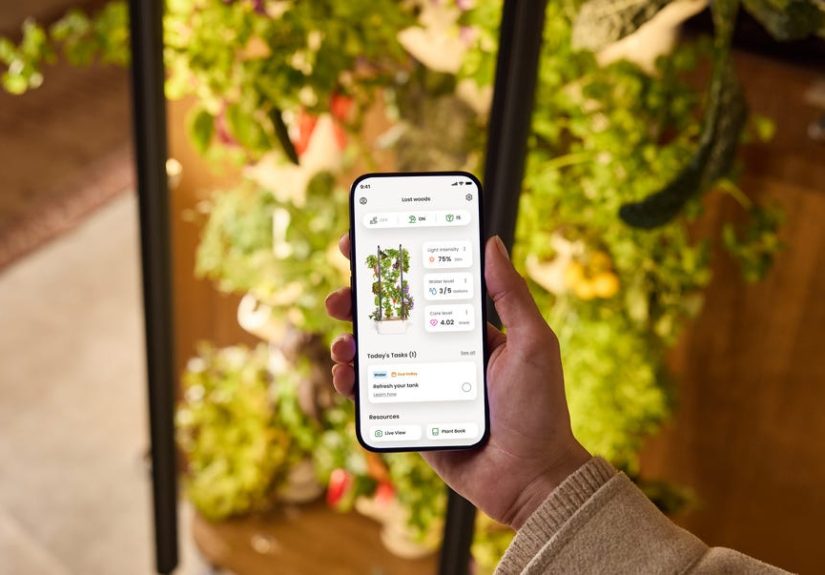
An app can be helpful if it tracks water levels, reminds you when to feed plants, or guides the growth cycle. It is less helpful if it behaves like an overly committed camp counselor. Smart support is good. Notification fatigue is not.
The Trade-Offs Nobody Should Pretend Away
Yes, I am enthusiastic. No, indoor gardens are not perfect. They have quirks, and pretending otherwise is how people end up annoyed beside a glowing tower of lettuce.
First, the best systems are often expensive. You are paying for automation, lighting, design, and convenience. If you just want one pot of basil and a sunny window, you do not need a high-tech hydroponic garden. But if you want consistent harvests with minimal guesswork, the premium starts to make more sense.
Second, bright grow lights are still bright grow lights. Even well-designed systems can feel intense in a small home, especially in the evening. Placement matters. This is usually better in a kitchen, dining nook, or living area than in a bedroom unless you enjoy sleeping next to a very ambitious sunrise.
Third, ongoing costs are real. Nutrients, replacement pods, plant refills, and optional subscriptions can add up. That does not make these systems a bad value, but it does mean the real price is not just the sticker price.
And finally, no indoor garden is fully maintenance-free. The most successful systems are easy, not magic. You still need to refill water, harvest regularly, wipe things down, and pay attention to how fast certain herbs grow. Mint and basil, in particular, can act like they have been personally challenged to dominate the entire unit.
What Grows Best in an Indoor Herb Garden
If you want fast wins, start with herbs that naturally suit indoor conditions and frequent harvesting. Basil is the star because it grows quickly, smells incredible, and earns its place in everything from pasta to sandwiches to cocktails. Chives are another smart pick because they are forgiving and easy to snip. Parsley is practical, thyme is quietly hardworking, and mint gives big rewards as long as you keep it from turning into your kitchen’s leafy supervillain.
Cilantro can work too, though it tends to be a little dramatic. Rosemary is wonderful but pickier indoors, often preferring bright light, cooler conditions, and a bit of humidity management. If your indoor garden system is strong on lighting and airflow, you have a better shot. If not, rosemary may respond by giving you judgmental brown tips.
Some larger systems can also handle salad greens, baby lettuce, Swiss chard, edible flowers, and microgreens. That is where the value proposition gets even better. Once your indoor garden starts contributing to meals more broadly, it stops being a novelty and starts becoming part of the way you cook.
Who This Kind of Indoor Garden Is Best For
This kind of system is ideal for people who cook often, hate food waste, and love the idea of fresh herbs without the chaos of traditional gardening. It is especially good for apartment dwellers, cold-climate households, and anyone whose kitchen gets less natural light than a cave with a toaster oven.
It is also a smart pick for beginners who want success quickly. A traditional container herb garden is lovely, but it asks more from you: better light judgment, more attentive watering, and a clearer understanding of each plant’s needs. A hydroponic indoor garden lowers the barrier to entry. It gives people a way to grow something useful before they graduate to being the kind of person who owns seed-starting trays on purpose.
And if you are a frequent cook, the emotional payoff is bigger than expected. Having herbs within arm’s reach changes how you season food. You use more fresh garnish. You experiment more. You stop treating herbs like fancy extras and start treating them like standard equipment.
So, Am I Obsessed? Absolutely.
What makes an indoor garden award-worthy is not just the technology. It is the way the technology disappears into your routine. The best systems do not ask you to become a gardening expert. They quietly help you cook better, waste less, and enjoy your kitchen more.
That is why this category has become so compelling. A truly excellent indoor garden delivers freshness, convenience, beauty, and a surprising amount of joy. It makes a kitchen feel alive in a practical way, not in a “look at my decorative eucalyptus” way. The right system gives you herbs when you need them, greens when grocery produce looks tired, and a little daily thrill every time something new unfurls under the lights.
So yes, I get the obsession. Once an indoor garden proves it can grow real food, fit real homes, and support real cooking, it stops feeling like a gimmick. It starts feeling like one of the smartest kitchen upgrades you can make.
Extended Experience: What Living With an Indoor Garden Actually Feels Like
The experience of living with an indoor garden is a lot different from merely admiring one online. In photos, these systems look sleek, futuristic, and suspiciously serene. In daily life, they become part appliance, part produce section, part quiet little kitchen ritual. That is what makes them so weirdly lovable.
At first, the biggest surprise is visual. An indoor garden changes the energy of a room. A kitchen with a healthy tower or countertop garden suddenly feels more active and more personal. There is color, shape, movement, and a sense that your food is not entirely arriving from a store in plastic. Even people who are not especially plant-oriented tend to react to it. They ask what is growing. They lean in to smell the basil. They get oddly competitive about which herb looks happiest. Your kitchen unintentionally becomes a tiny tour stop.
Then the convenience starts to hit. You are making eggs and remember chives exist. You are stirring soup and realize parsley is three steps away. You are building a sandwich and suddenly become the sort of person who says, “This needs fresh dill,” with the confidence of a television host who owns too many linen aprons. That is the daily magic. Fresh herbs stop being special-occasion ingredients and start becoming part of how you cook every day.
There is also something satisfying about the rhythm of it. Refill the tank. Check the roots. Trim what is getting wild. Wipe the unit down. None of this is difficult, but it creates a small pattern of care that feels calming rather than burdensome. The work is light enough to fit real life, which is exactly why people stick with it. Traditional gardening can be deeply rewarding, but it can also be messy, seasonal, and time-consuming. An indoor garden offers a more compact relationship with growing food. It asks for attention, not devotion.
Of course, there are minor realities. The lights are noticeable. Fast growers can become chaotic. Certain herbs act as if they were personally offended by the concept of sharing space. And every indoor gardener eventually learns that “low maintenance” still includes maintenance. But these are manageable quirks, not deal-breakers.
What really seals the obsession is the feedback loop. You harvest something, use it immediately, notice the flavor difference, and feel rewarded right away. That instant payoff is powerful. It makes the system feel useful, not ornamental. You are not just growing plants. You are improving lunch.
That is why the best indoor gardens keep people hooked. They fit into the real texture of home life: rushed dinners, weekend cooking projects, random garnish cravings, and the simple pleasure of seeing something green and thriving in the room where you gather. Once you experience that, it is very hard to go back to sad supermarket basil in a plastic clamshell and pretend it is the same thing.