Table of Contents >> Show >> Hide
- What Causes Tongue Burn Blisters?
- How to Treat Tongue Burn Blisters Right Away
- What to Avoid When You Burn Your Tongue
- How Long Does a Burned Tongue Take to Heal?
- Signs Your Tongue Burn May Need Medical Attention
- Is It Really a Tongue Burn Blister?
- Best Home Care Routine for a Healing Tongue Burn
- How to Eat While Your Tongue Heals
- How to Prevent Tongue Burn Blisters in the Future
- Real-World Experiences: What a Tongue Burn Usually Feels Like
- Final Thoughts
You know the scene: the pizza looked harmless, the coffee smelled innocent, and thenbamyour tongue got ambushed. A tongue burn blister can happen in seconds, but the sting can hang around long enough to make every sip, snack, and sentence feel dramatic. The good news is that most minor tongue burns heal on their own. The trick is knowing how to calm the pain, protect the tender tissue, and avoid turning a small mouth mishap into a bigger problem.
If you are wondering how to treat tongue burn blisters, the best approach is surprisingly simple: cool the area, avoid irritation, keep your mouth clean, and give your tongue a little time off from hot, spicy, crunchy chaos. This guide walks through what works, what to skip, when to call a doctor, and how to tell whether you are dealing with an ordinary burned tongue or something else entirely.
What Causes Tongue Burn Blisters?
Most tongue burn blisters happen after eating or drinking something too hot. Coffee, tea, soup, melted cheese, microwaved leftovers, and “I thought it had cooled down” pizza are repeat offenders. When the delicate tissue on your tongue gets burned, it may become red, sore, swollen, or slightly blistered. In some cases, the tiny bumps on your tongueyour papillaecan also look irritated or enlarged.
A mild tongue burn usually feels sharp at first, then turns into tenderness, stinging, or sensitivity. You may notice discomfort when eating salty foods, acidic foods, or anything spicy. Some people also say their tongue feels rough, numb, or oddly dry for a day or two.
How to Treat Tongue Burn Blisters Right Away
1. Cool the burn as soon as possible
The fastest first step is to cool the area. Sip cool water slowly, swish it gently in your mouth, and let it pass over the burned part of your tongue. Ice chips can help too, as long as you do not press them aggressively against the sore spot. The goal is to calm the heat, not to freeze your mouth into an ice sculpture.
2. Choose cold, soft foods
For the first day or two, give your tongue a break. Yogurt, applesauce, smoothies that are not too acidic, pudding, cottage cheese, oatmeal that has cooled, and chilled mashed potatoes are all easier on a burned tongue than chips, toast, or scorching leftovers. Cool foods can soothe the area while reducing friction.
3. Stay hydrated
A moist mouth heals better than a dry one. Drink water regularly throughout the day. Saliva helps protect your mouth, wash away debris, and keep irritated tissue from feeling even more raw. If your tongue feels worse when your mouth is dry, hydration matters more than ever.
4. Rinse gently with salt water
A mild saltwater rinse can help keep the mouth clean and may reduce irritation. Mix a small amount of salt into a glass of warm water, swish gently, and spit it out. Do not make it overly salty, and do not rinse so vigorously that you irritate the blister further. Gentle is the keyword here.
5. Use over-the-counter pain relief if needed
If your tongue burn blister is making eating or talking miserable, an over-the-counter pain reliever such as acetaminophen or ibuprofen may help, if you normally can take those medicines safely. Follow label directions. You do not need to heroically “tough it out” just because the injury happened in your mouth and not on your hand.
What to Avoid When You Burn Your Tongue
Healing a tongue blister is partly about what you do not do. A few common habits can make a mild burn feel worse or heal more slowly.
Avoid hot food and hot drinks
This sounds obvious, but it is easy to forget when your morning coffee is part of your personality. Let drinks cool a bit. Test soups and reheated foods carefully. If it still steams like a tiny volcano, your tongue does not want it yet.
Avoid spicy, acidic, and salty foods
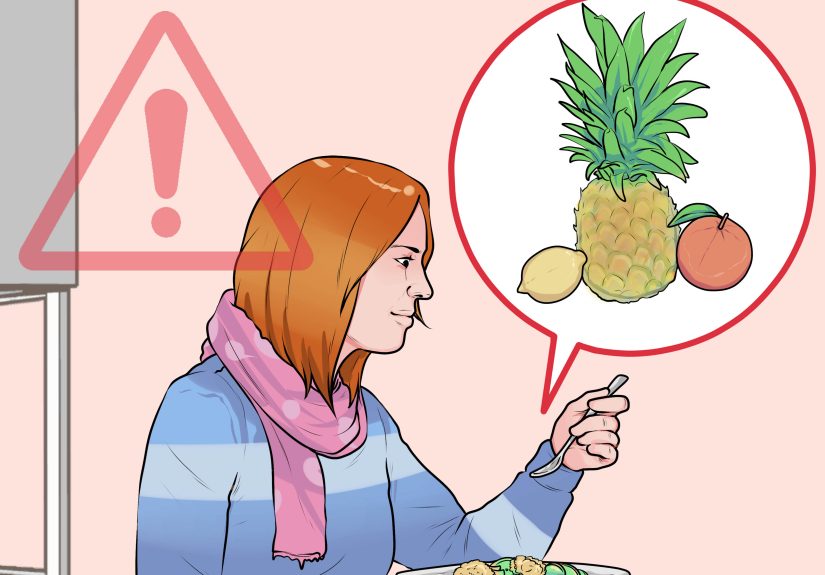
Hot sauce, citrus juice, tomatoes, salsa, vinegar-heavy foods, and salty snacks can all irritate burned tissue. Even if you usually love bold flavors, this is not the moment for a chili challenge.
Avoid rough, crunchy foods
Chips, crusty bread, crackers, granola, and hard candy can scrape a healing blister and keep it angry. Soft foods are not glamorous, but neither is re-injuring your own tongue with a tortilla chip.
Do not pop the blister
If a blister forms, leave it alone. Popping it can expose the tender tissue underneath and increase irritation. Your tongue already has enough to deal with.
Skip alcohol-based mouthwash and irritating products
Some mouthwashes sting because they contain alcohol or strong flavoring agents. The same goes for certain toothpastes with intense mint or cinnamon flavors. A mild toothpaste and a gentle brushing routine are usually better choices while the area heals.
Do not try random internet remedies
Putting harsh substances, strong essential oils, or questionable DIY concoctions on a burned tongue is not a great plan. Your mouth is not the place to conduct chemistry experiments inspired by a comment section.
How Long Does a Burned Tongue Take to Heal?
Most minor tongue burns improve within a few days and often heal fully within about one to two weeks. Your tongue has a rich blood supply, which helps it repair itself. That said, healing time depends on the severity of the burn, whether a blister formed, and how well you avoid irritating the area.
If the discomfort is getting steadily better each day, that is a reassuring sign. If it is getting worse, lasting longer than expected, or making it hard to eat and drink, it is time to stop guessing and get professional advice.
Signs Your Tongue Burn May Need Medical Attention
Most tongue burn blisters are minor, but not every painful spot in the mouth is just a burn. You should contact a doctor, dentist, or urgent care clinic if you notice any of the following:
- Severe pain that is not improving
- Symptoms lasting longer than 10 to 14 days
- Swelling that seems significant or is getting worse
- Difficulty swallowing, speaking, or breathing
- Fever or signs of infection
- A large ulcer, white patch, or unusual sore that does not look like a simple burn
- Repeated burning sensations without a clear hot-food accident
- A burn caused by a chemical rather than hot food or drink
If a chemical caused the burn, that is a different situation from a pizza injury. Chemical burns in the mouth can be serious and may require urgent medical help or poison control guidance.
Is It Really a Tongue Burn Blister?
Sometimes what seems like a burn is actually another mouth problem. That matters because the right treatment depends on the real cause.
Canker sore
Canker sores are shallow, painful ulcers that can show up on soft tissue in the mouth. They are not usually caused by hot food alone, though irritation can trigger them. If the spot looks white or yellow with a red border and lingers, it may be a canker sore rather than a burn blister.
Swollen taste buds or lie bumps
Burning your tongue can inflame the papillae on its surface. These tiny bumps can feel sore and look enlarged. They often settle down once the irritation goes away.
Burning mouth syndrome
If your tongue feels burned but you did not actually scorch it on food or drink, another condition may be involved. Burning mouth syndrome can cause a scalding feeling, dryness, or taste changes without a visible injury. That is something to discuss with a doctor or dentist.
Thrush, allergy, or irritation from dental products
White patches, ongoing soreness, or repeated burning can also come from fungal infection, allergic reactions, dry mouth, or irritating oral-care products. If the symptoms do not fit the classic “I ate lava by accident” story, get it checked.
Best Home Care Routine for a Healing Tongue Burn
If you want a simple plan, here it is:
- Cool your mouth with cool water or ice chips.
- Eat soft, cool foods for the next day or two.
- Drink water often to prevent dryness.
- Use a gentle saltwater rinse once or a few times daily.
- Brush gently with a mild toothpaste.
- Avoid spicy, acidic, crunchy, and very hot foods.
- Take an over-the-counter pain reliever if needed.
- Watch for improvement over the next several days.
That routine is simple because simple works. Minor mouth burns usually do not need elaborate products, miracle gels, or a shopping spree in the oral care aisle.
How to Eat While Your Tongue Heals
Eating with a burned tongue can feel like your own lunch has turned against you. The best strategy is to lower the temperature, lower the texture, and lower the drama.
Good choices
- Yogurt
- Applesauce
- Pudding
- Smooth mashed potatoes
- Cooled oatmeal
- Scrambled eggs that are warm, not hot
- Cottage cheese
- Soft pasta that has cooled a bit
- Chilled smoothies without a lot of citrus
Foods to skip for now
- Hot coffee and tea
- Pizza fresh from the oven
- Spicy sauces
- Citrus fruit and citrus juice
- Tomato-heavy dishes
- Chips, pretzels, and crackers
- Very salty snacks
- Alcohol
How to Prevent Tongue Burn Blisters in the Future
Prevention is not glamorous, but it is cheaper than suffering. Blow on hot food. Stir soup before tasting it. Let microwaved food sit for a minute, because microwave temperatures are sneaky and uneven. Test melted cheese cautiously. And maybe stop trusting pizza quite so completely.
If you wear dentures or oral appliances, make sure they fit well and are not causing extra friction. If you often have dry mouth, take steps to stay hydrated and talk to a healthcare professional, because dryness can make irritation feel worse.
Real-World Experiences: What a Tongue Burn Usually Feels Like
One reason people search for how to treat tongue burn blisters is that mouth pain feels strangely personal. A minor burn on your arm is annoying, but a minor burn on your tongue seems to interfere with everything. Talking feels weird. Eating feels risky. Even drinking water can make you pause and think, “Really? Water too?”
A common experience goes like this: someone takes a sip of coffee that looked drinkable but turned out to be liquid magma. The front or side of the tongue burns immediately. For the next few hours, the tongue feels raw and overly aware of everything it touches. Later that day, the area may seem smoother, more sensitive, or slightly swollen. The next morning, there may be a tiny blistered spot or a patch that feels numb and sore at the same time.
Another typical story involves pizza or microwaved leftovers. The outside seems safe, but the inside is still blazing. The person bites in confidently, regrets everything instantly, and then spends the next 48 hours avoiding salsa, chips, and anything fun. Usually, the pain peaks early and gradually eases, especially if they switch to cool water, soft foods, and patience.
People also describe a temporary change in taste. Foods may seem dull, oddly intense, or uncomfortable. That can be unsettling, but mild taste changes after a minor burn often improve as the surface of the tongue heals. What tends to make the situation worse is repeatedly testing the area with hot coffee, spicy food, or crunchy snacks as if the tongue has already forgiven you. It has not.
Some people become convinced the problem is serious because the burn looks white, smooth, or slightly peeled. Mild mouth burns can look strange while healing, and the tongue naturally has lots of texture and color changes that make self-diagnosis tricky. What matters most is the pattern. If the soreness clearly followed a hot-food accident and gets a little better each day, that is usually reassuring. If it lasts, worsens, or shows up without a clear reason, that is when professional evaluation makes sense.
In real life, the most successful recovery stories are not dramatic. They are boring in the best possible way: cool drinks, soft foods, gentle oral care, less irritation, and a little time. The people who struggle most are often the ones who keep re-irritating the area, try harsh home remedies, or assume every sore tongue is just “normal.” In other words, the tongue usually wants calm, not creativity. Give it that, and it often heals surprisingly fast.
Final Thoughts
Knowing how to treat tongue burn blisters comes down to a few reliable basics: cool the area, protect it from further irritation, eat soft foods, stay hydrated, and keep your mouth clean with gentle products. Most minor tongue burns heal well without special treatment. But if the pain is severe, the burn lasts longer than expected, or you have swelling, fever, or trouble swallowing, do not brush it off as just a food accident.
Your tongue is resilient, but it is also busy all day long. Give it a short vacation from heat and irritation, and it will usually reward you by healing quietlywithout requiring you to break up with coffee forever.