Table of Contents >> Show >> Hide
- Why Bird Flu Has Experts on High Alert
- The U.S. Outbreak Looks Different Than People Expected
- Why Scientists Keep Using the Phrase “Watching Carefully”
- What Would Have to Change for Bird Flu to “Take Off” in Humans?
- Food Safety: Milk, Eggs, and the Questions Everyone Actually Asks
- Who Is Most at Risk Right Now?
- Why Surveillance Matters More Than Ever
- Could Vaccines and Biosecurity Help Contain It?
- What Real-World Experience With Bird Flu Feels Like
- Conclusion
Bird flu has a talent for sounding like someone else’s problem. It sounds agricultural. Rural. Far away. The kind of thing that lives in a government dashboard, not in your grocery bill, your public-health briefings, or your late-night search history. But that calm, slightly boring image breaks down fast when the same virus shows up in poultry, wild birds, mammals, dairy cattle, and a small number of people. Suddenly, experts start speaking in that careful, measured tone that means, “No need to panic, but definitely do not ignore this.”
That is where the H5N1 bird flu story sits right now. Public-health officials are not saying the sky is falling. They are saying the sky deserves monitoring, a clipboard, and probably a few extra lab tests. The current risk to the general public remains low, but researchers, veterinarians, and infectious-disease experts are watching closely because influenza viruses are famous for changing their behavior when given enough chances to spread. And H5N1 has been getting a lot of chances.
Why Bird Flu Has Experts on High Alert
Bird flu, or avian influenza, is caused by influenza A viruses that usually circulate in birds. H5N1 is one of the strains that gets experts’ eyebrows moving. Historically, it has caused severe disease in birds and, in some parts of the world, severe disease in humans who were exposed to infected animals. What makes this version especially important is not just that it exists, but that it has spread widely in wild birds and poultry and then made an unexpected jump into U.S. dairy cattle.
That cattle angle changed the conversation. A virus that once seemed mostly tied to birds suddenly had a new mammalian home. And when influenza viruses start spending more time in mammals, scientists pay attention for the same reason meteorologists keep an eye on tropical waves: most will not become a catastrophe, but the ones that do rarely send a polite calendar invite first.
Experts are especially focused on three things: whether the virus is expanding into more animal species, whether it is picking up changes that help it infect mammals more efficiently, and whether it ever shows signs of sustained human-to-human transmission. So far, that last and most alarming step has not happened. But “has not happened” is not the same as “can’t happen,” which is why the watch continues.
The U.S. Outbreak Looks Different Than People Expected
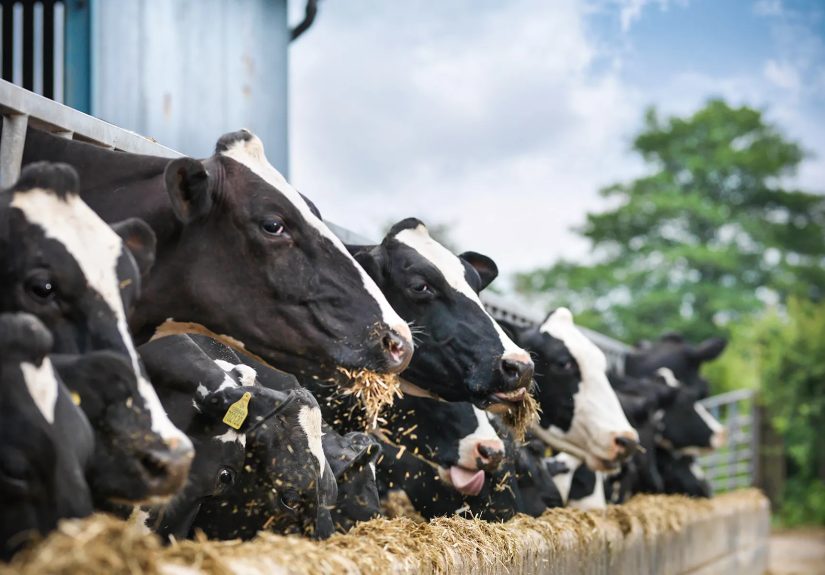
For years, many Americans thought of bird flu as a poultry problem. Then dairy cows entered the chat, uninvited and very much not helpful. The discovery of H5N1 in dairy herds turned a familiar farm-biosecurity issue into a broader human and animal health story. It also raised practical questions that feel a lot more immediate to everyday readers: What about milk? What about workers? What about the possibility that a flu virus now has more room to practice being a mammal virus?
The human cases reported in the United States have largely been linked to direct exposure to infected animals, especially dairy and poultry operations. Many of those cases have been mild compared with what people often associate with bird flu headlines from other countries. Eye symptoms, including conjunctivitis, have been common, though respiratory symptoms and fever can also occur. That said, “mild in many cases” should not be confused with “harmless.” The virus has also been associated with severe illness, and the United States recorded a human death in 2025.
That mix of facts is exactly why the messaging sounds so careful. Officials are not trying to scare the public into barricading the pantry with canned beans. They are trying to be precise. Right now, the biggest risk is concentrated among people with direct exposure to infected birds, cattle, or contaminated environments. The bigger strategic concern is that every spillover gives the virus more opportunities to adapt.
Why Scientists Keep Using the Phrase “Watching Carefully”
Public-health language can sound bland, but in this case it is doing a lot of work. When agencies say they are watching carefully, they mean several things at once. They are monitoring human flu surveillance systems for unusual signals. They are testing exposed workers. They are tracking outbreaks in poultry and livestock. They are studying milk, animal tissues, and environmental samples. They are also comparing viral sequences to see whether H5N1 is changing in ways that make it more concerning.
Influenza viruses are slippery little shape-shifters. They mutate. They reassort. They experiment. Most of those changes go nowhere. Some matter a lot. A virus does not need to become a movie-level apocalypse to create serious public-health and economic disruption. It only needs to become better at infecting new hosts, harder to contain in farms, or more efficient at spreading under the right conditions.
That is why the current bird flu story is not just about today’s case count. It is about trajectory. Experts want to know whether the virus is fizzling, simmering, or quietly learning new tricks.
What Would Have to Change for Bird Flu to “Take Off” in Humans?
This is the central question, and thankfully, the answer is not “it happens because the universe enjoys chaos.” For H5N1 to truly take off in people, experts would expect to see stronger evidence that the virus can spread efficiently from one person to another, especially through the respiratory route. Not one mysterious case. Not a few isolated infections tied to farm exposure. Efficient, repeatable spread between people.
That has not been demonstrated in the current U.S. situation. At this stage, the pattern still points mainly to animal-to-human transmission. That is reassuring, but not a reason to look away. Influenza is a master opportunist. The more hosts it infects, the more opportunities it has to stumble into a combination of traits that works better in humans.
Signals Experts Are Watching For
Clusters without clear animal exposure: If multiple people get infected and the link is not direct contact with sick animals, alarms get louder.
More respiratory spread: Eye infections matter, but efficient respiratory transmission is the bigger pandemic worry.
Genetic changes: Labs continuously examine viral sequences for signs of mammalian adaptation.
Silent spread: Mild or missed infections can hide the true footprint of a virus, especially in workers who may not get tested.
So yes, experts are watching carefully. That phrase is not bureaucratic wallpaper. It is a summary of a very real scientific concern: this virus has not crossed the worst threshold, but it has spent enough time near the door to make everyone keep checking the lock.
Food Safety: Milk, Eggs, and the Questions Everyone Actually Asks
Once bird flu entered dairy cattle, the average person did what the average person always does when a farm story becomes a kitchen story: they looked at the refrigerator and got suspicious. The good news is that public-health agencies have repeatedly emphasized that pasteurized milk remains safe. Pasteurization is effective at inactivating infectious H5N1 virus in milk, which is why officials continue to draw a sharp line between pasteurized products and raw milk.
Raw milk is where the conversation gets much less cozy. Experts have warned against consuming it, not because fear is fashionable, but because unpasteurized products do not have the same safety barrier. If you needed one more reason to skip raw milk, bird flu has cheerfully volunteered as Exhibit A.
Eggs are a little different. Proper handling and cooking matter, as they always do with poultry products. The bigger bird-flu effect on eggs has often been economic rather than culinary. Outbreaks in poultry flocks can reduce supply and nudge prices upward, which is how a virus in a hen house can eventually become a brunch complaint in a city apartment 1,200 miles away.
Who Is Most at Risk Right Now?
The general public is not the main risk group at the moment. People with the greatest risk are those who work closely with infected or potentially infected animals and contaminated materials. That includes dairy workers, poultry workers, cull crews, veterinarians, animal-health responders, and others involved in farm operations or outbreak response.
For these groups, bird flu is not an abstract headline. It is an occupational hazard. Protective equipment, eye protection, gloves, monitoring, and testing matter a great deal. So does communication. A worker with mild eye redness may not think “possible avian influenza” unless someone has already connected those dots. Public-health success often depends on getting practical information to the right people before the virus gets another opportunity.
Backyard flock owners also need to stay alert. Wild birds continue to play a major role in spreading avian influenza, which means small-scale poultry keepers are not magically outside the story. If anything, the casual nature of backyard bird care can make risk communication harder. A beloved hen with droopy feathers may inspire sympathy long before it inspires a call to animal-health authorities.
Why Surveillance Matters More Than Ever
One of the most useful lessons from this outbreak is that surveillance is not glamorous, but it is everything. You cannot respond well to a virus you are barely measuring. That is why agencies have built layers of monitoring around H5N1: human flu surveillance, targeted worker testing, dairy herd testing, milk sampling, outbreak investigation, viral sequencing, and state-by-state coordination.
The National Milk Testing Strategy reflects this logic. It is not just about checking a box. It is about finding out where the virus is, where it is not, and whether control measures are working. In public health, the absence of evidence is often just evidence of weak surveillance wearing a fake mustache.
Scientists are also interested in whether infections are being missed. Some experts have warned that mild cases among farmworkers may be underdetected. That matters because a virus can appear quieter than it really is if the people most exposed are not being tested consistently or are facing barriers to care. Good surveillance does not create panic; it reduces guesswork.
Could Vaccines and Biosecurity Help Contain It?
Yes, but not in a neat, one-button way. Human vaccine preparedness remains part of the broader planning picture, and researchers continue to study vaccine candidates and related countermeasures. On the animal side, the idea of vaccinating dairy cattle has drawn interest, debate, and some side-eye from experts who argue that biosecurity and containment still need to do the heavy lifting.
That skepticism makes sense. Vaccines can be powerful tools, but they are not magic confetti. In livestock, questions include how well a vaccine would reduce infection, how it would affect surveillance, how producers would use it, and whether it would be enough without stronger testing and movement controls. For now, enhanced biosecurity, monitoring, and rapid response remain the backbone of control efforts.
In other words, there is no single silver bullet here. The strategy is layered: detect early, protect workers, limit spread among animals, study the virus, and be ready if the picture changes.
What Real-World Experience With Bird Flu Feels Like
Statistics tell one part of the story. Experience tells the part people remember. And the lived experience around bird flu is less “pandemic thriller” and more “a thousand tense practical decisions.” It looks like a dairy worker pulling on goggles during a long shift because eye protection suddenly matters in a way it did not a year earlier. It looks like a county veterinarian driving from farm to farm, explaining biosecurity steps for the fifth time that week and knowing full well that compliance is easier to recommend than to fund.
It looks like a public-health nurse calling exposed workers, asking about fever, cough, and red eyes, and hearing the fatigue in the answers. It looks like a family with a backyard flock checking birds twice a day, hoping the sleepy-looking hen is just having a bad bird morning and not the start of something bigger. It looks like farm owners weighing the cost of testing, the fear of stigma, and the financial reality that even a rumor can hurt business.
For grocery shoppers, the experience is more indirect but still real. They notice egg prices. They hear “raw milk” on the news and suddenly become amateur pasteurization enthusiasts. They wonder whether buying a gallon of milk now requires a minor in virology. For most people, the answer is no. But the questions themselves show how outbreaks travel socially long before they travel biologically.
In hospitals and clinics, the experience is one of vigilance without overreaction. Clinicians do not want to miss unusual flu cases, especially in people with animal exposure. At the same time, they cannot treat every irritated eye like a breaking-news event. The work is careful, repetitive, and deeply unglamorous: ask about exposure, test when appropriate, protect staff, report quickly, repeat.
Researchers experience the outbreak through data that rarely sit still. One week the concern is cattle surveillance. The next it is viral sequencing. Then it is whether environmental contamination is contributing to spread, or whether mild infections are being overlooked. There is no final chapter yet, only a series of updates and revisions. Science in real time is less like a dramatic reveal and more like assembling a puzzle while someone keeps adding new pieces from another box.
And for communities tied to agriculture, bird flu can feel like living under a hovering question mark. Is the outbreak easing? Is the surveillance catching enough? Is this just a rough stretch, or the beginning of something that will demand a bigger national response? That uncertainty is the emotional center of the story. People are not simply afraid of what is happening now. They are uneasy about what could happen next.
That is why the phrase “experts are watching carefully” resonates. It captures the mood on the ground: not panic, not denial, but a steady awareness that this virus has already surprised us once. Nobody wants to give it a second chance to do something worse.
Conclusion
Bird flu has not taken off in humans, and that distinction matters. The current public-health risk to the general public remains low, and there is still no evidence of sustained person-to-person spread in the United States. Those are important, stabilizing facts. But they do not erase the reasons experts remain alert. H5N1 has spread widely in birds, reached dairy cattle, infected workers, and demonstrated once again that influenza viruses are capable of crossing lines we once assumed were sturdier.
The right response is neither panic nor shrugging. It is vigilance, testing, worker protection, food-safety discipline, and honest communication. If bird flu ever does “take off,” it will not be because no one saw the possibility. It will be because viruses exploit every gap we leave open. Right now, experts are trying very hard to leave as few gaps as possible.