Table of Contents >> Show >> Hide
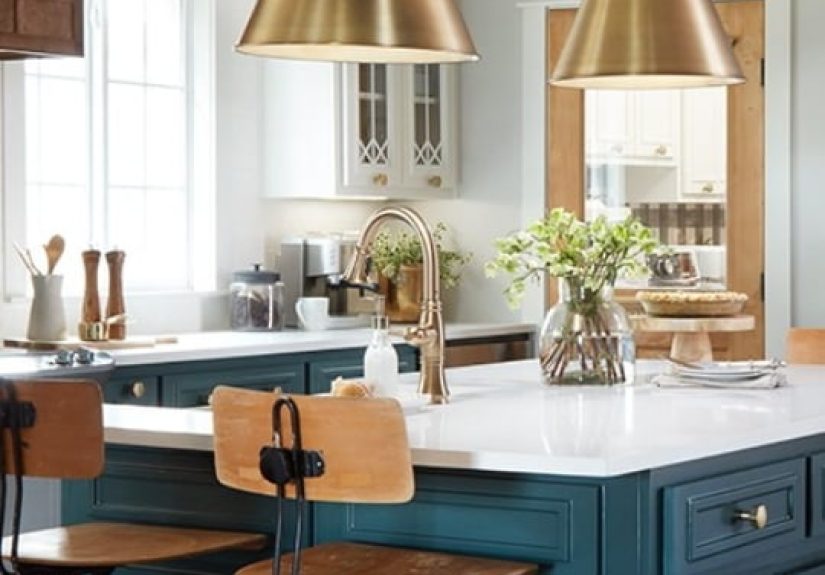
Some kitchens whisper. This one strolls in wearing polished brass, a deep blue island, and just enough farmhouse attitude to make you consider buying a loaf of sourdough you absolutely do not have time to bake. The Fixer Upper Plain Jane House kitchen works because it is not trying too hard. It mixes white cabinetry, warm wood accents, Shaker-style details, and a rich blue kitchen island into a space that feels timeless, relaxed, and quietly impressive.
That balance is what makes this kitchen worth copying. It is bright but not cold. Rustic but not dusty. Stylish but still practical enough for real life, where somebody eventually spills coffee, leaves mail on the counter, and asks what is for dinner at exactly the wrong moment. If you want to recreate the Fixer Upper Plain Jane House kitchen look in your own home, the secret is not buying random “farmhouse” things until your kitchen starts looking like a decorative rooster convention. The secret is understanding the formula.
Why the Plain Jane House Kitchen Still Looks So Good
The appeal of this kitchen starts with contrast. Instead of making every cabinet the same color, the design uses a lighter upper-and-darker-lower strategy that immediately creates depth. White keeps the room open and airy, while the blue base and island ground the space and make it feel custom instead of builder-basic. This is one of the smartest tricks in modern farmhouse kitchen design because it adds personality without turning the whole room into a paint sample showdown.
Then comes the second trick: warmth. A lot of bright kitchens fail because they are all hard surfaces and no soul. The Plain Jane House kitchen avoids that trap by layering in wood tones, brass finishes, and furniture-style details. That combination softens the white cabinetry and keeps the room from feeling sterile. In other words, it looks polished without acting like it is too fancy for pizza night.
And finally, there is the structure. Shaker cabinets, simple tile, practical seating, and strong focal points make the room feel classic. Nothing is screaming for attention, yet everything has a purpose. That is why this look translates so well beyond television. It is photogenic, yes, but it is also livable.
The Core Design Formula Behind the Look
1. White Upper Cabinets for Light and Breathing Room
The upper cabinets in this style do a lot of heavy lifting by looking effortless. White uppers reflect light, make the room feel larger, and create a crisp backdrop for everything else. If your kitchen is average-sized or slightly cramped, this matters. White cabinetry gives your eye a place to rest, which is fancy designer language for “the room does not feel like it is closing in on you.”
Choose a soft white rather than a blinding refrigerator white. The best versions of this look lean warm, creamy, or slightly muted. Think fresh, not fluorescent. Pair that with simple door fronts and minimal visual clutter, and your upper cabinets instantly become the calm half of the room’s personality.
2. A Deep Blue Island or Lower Cabinets for Drama
The color story is where the kitchen stops being nice and starts being memorable. A blue kitchen island or blue lower cabinets bring contrast, weight, and charm. The most effective shades are smoky, moody blues with a little gray or green undertone. They feel historic and sophisticated rather than trendy.
This is especially important if you are trying to recreate a modern farmhouse kitchen with character. White alone can read safe. Blue turns the room into a point of view. It is the difference between “I renovated my kitchen” and “I renovated my kitchen and now complete strangers compliment my cabinets.”
If repainting every lower cabinet feels like too much, start with the island. One colored island can create the same focal-point effect with less commitment, less money, and less chance of your family staging a mutiny halfway through the project.
3. Warm Wood Accents That Keep the Room Human
Wood is the antidote to an over-polished kitchen. In the Plain Jane House look, a wood range hood, wood stools, open shelves, or even a butcher-block detail can warm up the palette and make the room feel collected rather than flat. This is the part that gives the kitchen its “lived-in but lovely” energy.
You do not need a log cabin’s worth of timber. A few thoughtful touches are enough. A stained hood over a range, a heartier wood island top, or schoolhouse-style stools can introduce natural texture and break up all the painted surfaces. The result is softer, richer, and more inviting.
4. Brass Hardware and Pendants as the Jewelry
If cabinets are the outfit, then brass hardware is the jewelry. It adds warmth, catches light, and makes even simple cabinetry feel more custom. The right brass finish can lean polished, aged, or softly brushed, but the point is the same: it gives the room glow.
The same goes for pendant lights. Good island lighting is not just functional; it helps anchor the whole kitchen. In this look, pendants are part sculpture, part mood setter, part reminder that overhead lighting does not have to resemble an interrogation room.
Look for fixtures with classic shapes, warm metallic finishes, and enough visual presence to stand up to a strong island color. A pair or trio over the island usually creates the best rhythm.
5. Shaker Cabinets, Subway Tile, and Easy-Care Counters
Here is where the look stays timeless. Shaker cabinets bring clean lines and versatility. Subway tile backsplash choices keep the walls bright and classic. Quartz countertops give you an easy-care work surface that can mimic the softness of marble without the maintenance drama.
This trio works because each element is simple on its own. Together, they create a kitchen that feels tailored, not trendy. And that is the beauty of the Plain Jane House kitchen: it does not rely on one wild feature. It builds style through a lot of smart, restrained decisions.
How to Recreate the Fixer Upper Plain Jane House Kitchen
Start With the Cabinet Plan
Before you buy one brass knob or start naming paint colors like they are racehorses, decide where the contrast will live. In most homes, the best version is white uppers with a darker island or darker base cabinets. This keeps the room visually open while still delivering that signature custom look.
If your kitchen gets limited natural light, use the deeper color on the island only. If the room is bright and spacious, you can carry the blue across the lowers as well. Keep the cabinet style simple and avoid ornate detailing unless your house is very traditional. The Plain Jane House look succeeds because it blends classic and approachable, not fussy and theatrical.
Choose a Countertop and Backsplash Pairing That Behaves Itself
The cabinets and island are already doing enough. Your countertop and backsplash should support the look, not launch a side quest. White or off-white quartz with soft veining is a strong choice because it brightens the room and works beautifully with blue, brass, and wood.
For the backsplash, classic white subway tile is still one of the best options. It is affordable, versatile, and quietly handsome. If you want a little more personality, use handmade-look tile, elongated subway tile, or slightly warm grout. That adds texture without breaking the clean farmhouse rhythm.
Make the Island Actually Useful
A beautiful island that cannot handle stools, prep work, or a dropped backpack is just a large decorative obstacle. The best kitchens treat the island as a real workhorse. Add seating if your layout allows it, but make sure people can sit without blocking the cooking zone.
If you are remodeling from scratch, think about how the island will be used every day. Homework? Coffee? Serving platters during holidays? Late-night cereal? The best version of this look turns the island into the social center of the kitchen, not just a pretty block in the middle of the floor.
Bring in Character Without Creating Clutter
One reason this kitchen feels special is that it nods to antique and traditional influences without becoming a flea market explosion. Use vintage-inspired decor sparingly. A cutting board left out on the counter, a crock with wooden spoons, a framed antique print, or a pair of old-fashioned stools can go a long way.
Restraint matters here. The goal is collected character, not “I panic-bought twelve enamel pitchers.” Keep the countertops mostly clear, let the materials speak, and use decor to soften the edges rather than overwhelm the design.
Budget-Friendly Ways to Get the Look
You do not need a television crew and dramatic before-and-after music to pull this off. You just need to know where style has the biggest payoff.
Low-Budget Updates
Paint the island blue. Swap the old cabinet hardware for brass. Replace basic pendants with warm metallic fixtures. Add wood stools. Style the counters with a few natural pieces. These smaller changes can move your kitchen surprisingly close to the look without a full renovation.
Mid-Range Upgrades
Repaint upper and lower cabinets for a two-tone effect. Install a new subway tile backsplash. Replace laminate with quartz. Add open shelving or a custom-looking wood hood cover. This tier is where the kitchen starts looking intentionally designed rather than simply refreshed.
Full Remodel Version
Install new Shaker cabinetry, rework the island for seating and storage, use quartz or marble-look quartz counters, integrate statement lighting, and build in a stained wood hood. If you want the most polished version of the Fixer Upper Plain Jane House kitchen, this is where the magic happens.
Mistakes to Avoid
Do not over-farmhouse it. One wood hood is charming. A wood hood, barn doors, distressed signs, three roosters, and a windmill wall clock are a cry for help.
Do not choose the wrong white. A harsh white next to warm wood and brass can feel disconnected. Test samples first. Your cabinets should look calm and creamy, not like they are trying to outshine the sun.
Do not ignore scale. Tiny pendants over a large island look timid. Oversized stools in a tight kitchen look chaotic. The beauty of this look depends on balance.
Do not make the island purely decorative. A good island earns its footprint. Add storage, seating, prep space, or all three.
Do not clutter the counters. This style depends on visual breathing room. Keep only what is useful or beautiful enough to justify its existence.
What It Feels Like to Live With This Kitchen Style
One of the most interesting things about the Fixer Upper Plain Jane House kitchen look is how it changes the mood of a home in everyday life. On paper, it sounds like a list of design ingredients: white cabinets, blue island, wood hood, brass accents, subway tile. In practice, it feels like a room that is always ready. Ready for breakfast, ready for guests, ready for a weeknight scramble, ready for somebody to lean on the island and start talking while you chop onions. That sense of readiness is a huge part of its appeal.
Homeowners who recreate this style often talk about how much brighter their kitchen feels, but brightness is only part of the story. The bigger shift is emotional. A once-bland kitchen suddenly becomes a place people want to sit in, even when there is no meal happening. The island becomes command central. Kids drop backpacks there. Friends hover there. Packages land there. Coffee gets poured there. It becomes less of a design feature and more of a household magnet.
There is also something deeply satisfying about the color balance. White cabinetry keeps the room feeling clean, which is especially helpful on busy days when life looks a little less magazine-worthy than you planned. The blue island or lower cabinets do the opposite job: they hide wear better, add visual weight, and make the room feel grounded. Together, they create a space that looks polished even when a mixing bowl is in the sink and someone forgot to put away the cereal.
The wood elements matter more in real life than they do in photos. A wood hood, wood stool seat, or butcher-block accent introduces warmth that softens all the hard surfaces in a kitchen. Without it, bright kitchens can feel pretty but distant. With it, the room feels more personal. It starts to feel like a home with stories, not just a renovation with a good camera angle.
Brass details have a similar effect. In pictures, they sparkle. In daily life, they quietly make everything feel a little more intentional. The hardware catches morning light. The pendants glow in the evening. The whole kitchen shifts throughout the day in a way that feels warm and layered instead of flat. That is the sort of detail people may not identify immediately, but they absolutely feel it.
Another real-life advantage of this look is flexibility. It photographs as farmhouse, but it lives well with lots of different personalities. You can lean more traditional with vintage accessories, more modern with cleaner lighting, or more rustic with heavier wood tones. Seasonal decor also works beautifully because the palette is so cooperative. Green branches in winter, lemons in summer, copper in fall, flowers in springeverything looks like it belongs.
Most of all, this style ages gracefully. That is important. Trend-heavy kitchens can feel exciting for six months and exhausting by month seven. The Plain Jane House kitchen formula avoids that problem because it is built on classic shapes and practical materials. You are not waking up every morning to a gimmick. You are waking up to a kitchen that still feels welcoming, useful, and handsome after the novelty wears off. And honestly, that may be the greatest luxury of all: a kitchen that looks special without needing constant attention, praise, or apology.
Final Thoughts
If you want to recreate the Fixer Upper Plain Jane House kitchen, focus less on copying every object and more on capturing the balance that makes it work. Start with white upper cabinets and a darker blue island or base. Add brass hardware, warm wood accents, and classic Shaker cabinets. Keep the backsplash simple, the lighting intentional, and the island useful. Then season the room with just enough character to make it feel like your home, not a set.
That is the real charm of this kitchen. It is not flashy. It is not fussy. It is just beautiful in a way that survives trends, survives daily life, and still looks like it has very good taste. Which, frankly, is more than some people can say after choosing a backsplash in a panic.