Table of Contents >> Show >> Hide
- Why a Healthy Personal Care Routine Matters
- The 14 Steps to a Healthy Personal Care Routine
- 1. Wash Your Hands the Right Way
- 2. Take Short, Skin-Friendly Showers
- 3. Moisturize While Your Skin Is Still Damp
- 4. Use Sunscreen Like It Is Part of the Dress Code
- 5. Keep Your Face Routine Simple and Consistent
- 6. Brush Your Teeth Twice a Day for Two Full Minutes
- 7. Clean Between Your Teeth and Replace Worn Tools
- 8. Wash Your Hair Based on Your Scalp Type, Not Internet Drama
- 9. Shave and Groom Gently
- 10. Keep Nails Clean, Dry, and Trimmed
- 11. Pay Attention to Feet, Socks, and Shoes
- 12. Keep Intimate Care Simple
- 13. Change Clothes and Clean the Things That Touch Your Body
- 14. Support the Routine From the Inside Out
- How to Make Your Routine Stick
- Common Personal Care Mistakes to Avoid
- Conclusion
- Real-Life Experiences With a Healthy Personal Care Routine
- SEO Tags
A healthy personal care routine is not about turning your bathroom into a luxury spa, buying seventeen serums with names you can’t pronounce, or pretending you enjoy flossing more than dessert. It is about taking care of your body in a simple, consistent way that helps you feel clean, comfortable, and confident.
The best routines are not dramatic. They are repeatable. They protect your skin, teeth, scalp, nails, and sleep without turning everyday life into a full-time project. Think of it this way: personal care should work like a good playlist. It sets the mood, keeps things moving, and does not require a crisis meeting every morning.
Below is a practical, realistic guide to building a healthy personal care routine with 14 clear steps. You do not need to do everything perfectly. You just need a routine that fits your life and that you can stick with even on busy days.
Why a Healthy Personal Care Routine Matters
Personal care habits affect more than appearances. Good hygiene supports skin health, oral health, sleep quality, comfort, and even how confident you feel when you walk into work, class, the gym, or a family dinner where somebody will definitely ask why you are still single.
A strong routine also helps you notice changes earlier. Dry patches, irritated skin, bleeding gums, nail changes, body odor that suddenly seems unusual, or a scalp that feels itchy all the time can all be signs that your routine needs adjusting. Sometimes your body whispers before it yells. Personal care helps you listen.
The 14 Steps to a Healthy Personal Care Routine
1. Wash Your Hands the Right Way
Handwashing is the plain white T-shirt of personal care: basic, underrated, and always doing the heavy lifting. Wash your hands with soap and running water before eating, before handling food, after using the bathroom, after coughing or sneezing, after touching garbage, and whenever they are visibly dirty.
Scrub for about 20 seconds and do not forget the backs of your hands, between your fingers, and under your nails. Fast, lazy handwashing is basically just a handshake with soap.
2. Take Short, Skin-Friendly Showers
Clean skin is great. Skin that feels like it just survived a desert windstorm is less great. Long, hot showers can strip away natural oils and leave skin dry or irritated. A healthier approach is a short shower with warm water and a gentle cleanser.
You do not need to scrub every square inch like you are sanding a deck. Focus on areas that collect sweat and odor, such as underarms, feet, groin, and skin folds. This is especially helpful if you have sensitive or dry skin.
3. Moisturize While Your Skin Is Still Damp
If you only remember one skin care trick, make it this one. Moisturizer works best when you apply it right after bathing, while your skin is still slightly damp. That helps lock in water before it disappears into the atmosphere like your motivation on a Monday morning.
Choose a moisturizer that fits your skin type. Creams and ointments tend to work well for dry skin. Lighter lotions may feel better if you are oily or live somewhere humid. Fragrance-free options are often a smart pick if your skin gets grumpy easily.
4. Use Sunscreen Like It Is Part of the Dress Code
If your morning routine includes checking your phone but not protecting your skin, your priorities may need a tiny intervention. Sunscreen helps protect against sunburn, early skin aging, and long-term skin damage. Use a broad-spectrum, water-resistant sunscreen with SPF 30 or higher on exposed skin.
Wear it when you plan to be outdoors, even on cloudy days. If you are outside for extended periods, reapply as directed. A hat, sunglasses, and shade are also excellent supporting actors in this daily skin-care movie.
5. Keep Your Face Routine Simple and Consistent
You do not need a face routine with the emotional complexity of a prestige drama. In most cases, a gentle cleanser, moisturizer, and sunscreen in the morning is enough. At night, cleanse again and moisturize.
If you wear makeup, remove it before bed. Sleeping in makeup is one of those decisions that seems fine until your skin decides to file a complaint. If you struggle with acne, irritation, or frequent breakouts, avoid piling on random products and consider seeing a dermatologist for a plan that actually makes sense.
6. Brush Your Teeth Twice a Day for Two Full Minutes
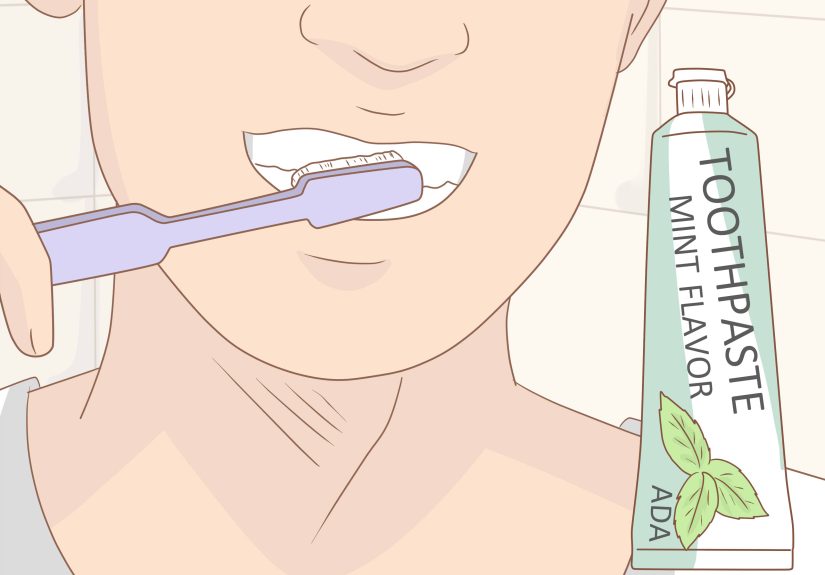
Yes, two minutes can feel surprisingly long when you are standing at the sink wondering what your life has become. Do it anyway. Brush twice a day with fluoride toothpaste, using a soft-bristled toothbrush. Be gentle at the gumline, and do not treat your teeth like they personally offended you.
Good brushing helps reduce plaque, cavities, and gum problems. Morning brushing helps freshen your mouth for the day. Night brushing is especially important because it clears away the buildup from everything you ate, drank, and stress-chewed.
7. Clean Between Your Teeth and Replace Worn Tools
Brushing is important, but it cannot reach everything. Cleaning between your teeth once a day with floss or another interdental cleaner helps remove debris and plaque from places your toothbrush misses.
Also, replace your toothbrush every three to four months, or sooner if the bristles are frayed. A worn-out toothbrush is like trying to mop your floor with a sleepy squirrel. Technically an effort, but not one you should trust.
8. Wash Your Hair Based on Your Scalp Type, Not Internet Drama
Hair care is not one-size-fits-all. Some people with oily scalps may need to shampoo more often. Others, especially those with curly, coily, textured, dry, or thick hair, may wash less often and still maintain a healthy scalp.
The goal is not to chase arbitrary rules. The goal is a scalp that feels comfortable and hair that is not overloaded with oil, flakes, or product buildup. Focus shampoo on the scalp, rinse thoroughly, and use conditioner where your hair tends to dry out.
9. Shave and Groom Gently
If shaving is part of your routine, do it with a little more kindness and a little less chaos. Shaving after a shower can help because the hair and skin are softer. Use shaving cream, gel, or lotion, and use a clean, sharp razor.
Shaving in the direction of hair growth may help reduce irritation, razor burn, and ingrown hairs. Rinse the blade often and avoid sharing razors. Personal care is personal for a reason.
10. Keep Nails Clean, Dry, and Trimmed
Healthy nails do not need to look fancy. They need to be clean, dry, and maintained. Trim fingernails and toenails regularly. Straight-across trimming is especially helpful for toenails because it can lower the chance of ingrown nails.
Do not bite your nails or cut your cuticles. Moisturizing your hands, nails, and cuticles can also help if dryness is a problem. If your nails suddenly change color, texture, thickness, or shape, do not ignore it. Sometimes nails reveal more than people do.
11. Pay Attention to Feet, Socks, and Shoes
Feet get neglected because they are farther away and usually hidden. That is not a solid medical strategy. Wash your feet, dry them well, especially between the toes, and wear clean socks. Choose shoes that fit properly and do not squeeze your toes into a tiny lifestyle prison.
If you work out, walk a lot, or sweat heavily, changing socks can make a real difference in comfort and odor. If you develop persistent peeling, cracking, pain, or nail changes, it may be time to check in with a clinician.
12. Keep Intimate Care Simple
When it comes to intimate hygiene, simple is usually smarter. Wash the external area gently with warm water. Avoid douching, heavily scented sprays, perfumed washes, and deodorizing products that can irritate sensitive skin.
If you menstruate, choose products you tolerate well and change them as directed. Breathable underwear and keeping the area dry can help with comfort. Fancy fragrance is not the goal here. Calm, healthy skin is.
13. Change Clothes and Clean the Things That Touch Your Body
A good personal care routine is not just about what you put on your body. It also includes what touches it all day. Change underwear and socks daily. Swap out sweaty workout clothes promptly. Wash towels, bedding, and clothing regularly.
Clean combs, brushes, razors, and makeup tools on a schedule. Dirty tools can reintroduce oil, residue, and germs right back where you do not want them. Nothing says “defeated by my own routine” like washing your face with a clean towel and then using a brush that has seen things.
14. Support the Routine From the Inside Out
Personal care is not only external. Drinking enough fluids, eating balanced meals, moving your body, and getting enough sleep all influence how your skin, mouth, scalp, energy, and mood feel day to day.
Try to keep a consistent sleep schedule and create a wind-down routine before bed. When you are hydrated, rested, and fed like a functioning human instead of a Wi-Fi-powered raccoon, your whole routine works better.
How to Make Your Routine Stick
The biggest mistake people make is designing a personal care routine for their fantasy life instead of their actual life. Your actual life might include early meetings, late homework, gym sessions, family responsibilities, or the occasional collapse on the couch while holding your phone six inches from your face.
So make your routine easy. Keep your moisturizer where you will use it. Put floss where you can see it. Keep sunscreen near the door. Replace products before they run out. Build a “minimum routine” for rushed days and a “full routine” for slower ones.
For example, your minimum routine might be: wash face, brush teeth, deodorant, sunscreen, clean clothes. Your full routine might include showering, shaving, moisturizing, flossing, hair wash day, and fresh bedding. A routine that happens imperfectly is better than a perfect routine that only exists in theory.
Common Personal Care Mistakes to Avoid
- Using harsh soaps or overly hot water every day.
- Skipping sunscreen because it is cloudy or you “won’t be outside long.”
- Brushing too hard and irritating your gums.
- Ignoring your feet until they stage a protest.
- Trying too many skin products at once.
- Using scented intimate products that cause irritation.
- Wearing sweaty clothes for hours after exercise.
- Thinking sleep does not count as personal care. It absolutely does.
Conclusion
A healthy personal care routine does not need to be expensive, exhausting, or aesthetically arranged like a social media shelfie. It just needs to be consistent, sensible, and built around real habits that support your body every day.
Start with the basics: clean hands, smart bathing, skin protection, oral care, simple grooming, clean clothes, and enough rest. Then keep adjusting until your routine feels natural. The best personal care routine is the one that helps you feel fresh, healthy, and ready for life without making you feel like you need a project manager to get dressed in the morning.
Real-Life Experiences With a Healthy Personal Care Routine
One of the most common experiences people have when they improve their personal care routine is realizing that the “big transformation” is usually a collection of very small changes. A person who used to rush through the morning with only a splash of water and a panicked search for clean socks might start brushing for the full two minutes, applying moisturizer, and putting on sunscreen before leaving home. After a few weeks, the difference often shows up in subtle ways: skin feels less tight, breath feels fresher, and mornings feel less chaotic. It is not glamorous, but it is oddly satisfying.
Another common experience comes from people who exercise regularly. Many notice that post-workout hygiene makes a much bigger difference than they expected. Changing out of sweaty clothes, washing the body soon after a workout, drying the feet well, and putting on fresh socks can help them feel more comfortable and reduce skin irritation. A lot of people think the workout itself is the whole health story, but the routine afterward matters too. The gym may build strength, but a clean towel and a shower do some excellent follow-up work.
People with sensitive skin often describe a different kind of breakthrough. Instead of adding more products, they improve by simplifying. They stop using harsh cleansers, switch to lukewarm showers, apply fragrance-free moisturizer, and become more consistent with sunscreen. What surprises them is that fewer products can sometimes mean fewer problems. Their experience is less “I discovered a miracle product” and more “I finally stopped fighting my face with twelve unnecessary experiments.” That is still a win.
Busy students and professionals often say the hardest part is consistency at night. Morning routines are easier because they are tied to leaving the house. Night routines compete with fatigue, scrolling, and the seductive idea that tomorrow’s version of you will somehow be more responsible. But once people build a short, realistic evening sequence, such as washing the face, brushing and flossing, applying moisturizer, and setting out clean clothes for the next day, bedtime starts to feel more organized. The routine becomes a signal that the day is ending.
There is also the emotional side of personal care, which people do not talk about enough. A healthy routine can create a feeling of steadiness. When life feels messy, even basic acts like washing your hair, trimming your nails, changing your sheets, or brushing your teeth before bed can make you feel more put together. These actions do not solve every problem, but they can make you feel less like life is driving the bus while you are tied to the roof.
In the end, most real-life experiences with personal care point to the same truth: the routine works best when it fits the person. Some people love a detailed self-care ritual. Others want a five-minute version that gets the job done. Both can be healthy. The goal is not perfection. The goal is building a routine that supports your body, respects your time, and makes everyday life feel a little cleaner, calmer, and easier to manage.