Table of Contents >> Show >> Hide
- A Viral Food Video That Was About Much More Than Food
- Why the Video Captured Millions of Views
- The Details That Made People Stop Scrolling
- Why “Just Get Help” Is Not as Simple as It Sounds
- Youth Homelessness in America Is Bigger Than One Viral Clip
- Food Insecurity Turns Every Meal Into a Strategy
- The Public Reaction: Compassion, Criticism, and Confusion
- What the Video Teaches About Survival Skills
- How Social Media Can Helpand Hurt
- What Communities Can Do Instead of Just Commenting
- Why Dignity Should Be the Center of the Conversation
- Experience-Based Reflections: What This Story Feels Like in Real Life
- Conclusion
Note: This article is based on publicly reported information and reputable U.S. resources about youth homelessness, food insecurity, and crisis support. It avoids unnecessary personal details and focuses on the larger social issue behind the viral moment.
A Viral Food Video That Was About Much More Than Food
A homeless teen went viral after showing how he prepared a simple meal with limited money, limited privacy, and almost no kitchen equipment. At first glance, the video looked like another quick social media clip: a young person, a small cooker, a budget meal, and a public park standing in for a kitchen. But the reason it spread so widely was not because the recipe was fancy. There was no marble countertop, no imported olive oil, no “tiny pinch” of salt measured by a chef with dramatic eyebrows. The video went viral because it showed something painfully real: survival.
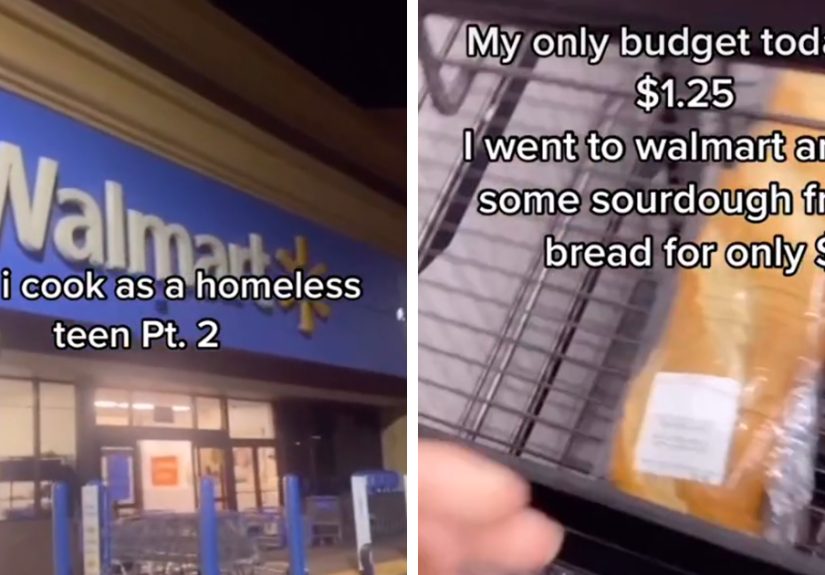
The teen, known online as @randomhomelessguy2, reportedly posted videos showing how he cooked inexpensive meals while living without stable housing. In one widely shared clip, he used water from a public drinking fountain, plugged a small electric cooker into an outlet at a park, and prepared a low-cost meal using ingredients such as noodles, hot dogs, and pasta sauce. Viewers were stunned not only by his resourcefulness, but by the calm, matter-of-fact way he explained the process.
That calmness may be the most heartbreaking part. For many viewers, the video felt shocking. For the teen, it appeared to be Tuesday.
Why the Video Captured Millions of Views
The story spread because it hit several emotional buttons at once. It was practical, personal, uncomfortable, and strangely familiar. Most people have eaten budget meals. Many have stretched a few dollars until payday. But seeing a teenager prepare food outdoors because he did not have access to a kitchen made the ordinary act of cooking feel urgent.
Online audiences are used to “day in my life” content. We see morning routines, grocery hauls, apartment tours, and meal prep videos arranged like tiny lifestyle commercials. This video flipped the format upside down. Instead of showing abundance, it showed scarcity. Instead of a curated kitchen, it showed a public space. Instead of a sponsored product, it showed survival math: a few dollars, a few ingredients, and the hope that the outlet works.
According to reports about the viral clip, the teen’s first video received roughly 19 million views, and his account quickly gained hundreds of thousands of followers. That kind of attention can be overwhelming even for influencers who spend years chasing it. For someone sharing homelessness in real time, it can be both a lifeline and a magnifying glass.
The Details That Made People Stop Scrolling
The teen reportedly bought a small electric cooker for about $15 and used a low-cost pot. In one meal, he combined inexpensive ingredients such as hot dogs, noodles, and sauce. In another video, he described having only $1.25 for the day and using ramen noodles he already had in his backpack, then pairing them with bread he shared with his mother.
These details matter because they show how food insecurity works at the ground level. It is not always dramatic in the movie-trailer sense. Sometimes it is quiet and logistical. Where can I get water? Is there an outlet? Can I split this bread? Will this be enough calories to get through the day? Can I keep this food safe? Can I eat without being moved along?
That is the reality many people miss when they talk about homelessness as if it were only a housing issue. Housing is the foundation, of course, but homelessness affects everything attached to daily life: eating, sleeping, charging a phone, going to school, showering, applying for jobs, storing documents, keeping medication safe, and simply existing without being treated like a problem someone wants removed.
Why “Just Get Help” Is Not as Simple as It Sounds
After the video went viral, many viewers reportedly asked why the teen had a phone, why he did not accept donations, or why he did not simply go somewhere for help. Those questions are common, but they often reveal how little the public understands about youth homelessness.
A phone is not a luxury when someone is homeless. It can be a map, school portal, job application tool, emergency contact, storage device for documents, entertainment during long unsafe nights, and connection to services. Losing a phone can mean losing access to the very systems people say someone should use to get help. In the teen’s case, reports stated that he explained his phone had been purchased before he became homeless, and that it was one of his most valued possessions.
The suggestion to “sell the phone” may sound logical for about four seconds. Then reality taps it on the shoulder. Selling a phone might buy food for a few days, but it can also cut off communication, transportation tools, online school access, and the ability to find shelters or jobs. In modern America, a phone is often not a status symbol. It is infrastructure with a cracked screen.
Youth Homelessness in America Is Bigger Than One Viral Clip
The teen’s story resonated because it is not isolated. U.S. organizations that track youth homelessness have repeatedly found that millions of young people experience some form of homelessness each year, including couch surfing, sleeping in cars, staying in shelters, running away, being kicked out, or living in places not meant for habitation.
Research from Chapin Hall’s Voices of Youth Count has estimated that about 4.2 million young people in the United States experience homelessness over the course of a year. That includes young adults ages 18 to 25 and adolescents ages 13 to 17. School-based data also show the scale of hidden homelessness. Public schools identified more than 1.5 million students experiencing homelessness during the 2023-2024 school year, a record high according to education advocates.
Those numbers are not just statistics. They are students doing homework in cars, teens carrying everything they own in backpacks, young people sleeping on couches until someone’s patience runs out, and families trying to stay invisible because visibility can invite judgment.
Food Insecurity Turns Every Meal Into a Strategy
Food insecurity means not having reliable access to enough food for an active, healthy life. For a housed person, a cheap meal might be a choice. For someone without stable housing, it can be the only available option. The difference is dignity. One person says, “I’m doing a budget challenge.” Another says, “This is dinner.”
U.S. food insecurity remains a serious problem, especially for households with children. USDA data for 2024 showed that food insecurity affected millions of households with children. Feeding America has also reported that tens of millions of people in the United States face hunger, including millions of children. When housing becomes unstable, food access becomes even harder because people may lose refrigerators, stoves, storage space, transportation, and predictable meal schedules.
That is why the viral food video struck such a nerve. It showed the invisible labor behind “just eating.” Buying cheap ingredients is only step one. The teen still needed water, heat, a safe place to prepare the meal, a way to clean up, and enough time to eat before being interrupted. That is not meal prep. That is obstacle-course cooking.
The Public Reaction: Compassion, Criticism, and Confusion
The internet reacted the way the internet often does: with kindness, suspicion, advice, jokes, and a few comments that should have been gently folded into a napkin and thrown away. Many viewers expressed concern and wanted to send money. Others questioned whether the teen was truly homeless because he had a smartphone and social media account.
This reaction is important because it reveals a larger cultural problem. Many people expect poverty to look a certain way before they believe it. If someone looks too clean, they must not be struggling. If they have a phone, they must not be poor. If they smile, the problem must not be serious. If they make a video, they must be performing. These assumptions create a narrow, unrealistic picture of hardship.
Homelessness is not always visible. A teen can attend school, post online, laugh with friends, and still have no stable place to sleep. A family can live in a car and still try to maintain routines. A young person can own a phone and still not know where dinner is coming from. Human beings are complicated. Poverty does not come with a uniform.
What the Video Teaches About Survival Skills
The teen’s cooking process showed resourcefulness, but it should not be romanticized. There is a difference between admiring someone’s resilience and pretending resilience is a substitute for safety. Viewers may say, “Wow, he is so creative,” and that may be true. But the better question is, “Why does a teenager have to be this creative to eat?”
Survival skills often develop because normal support systems fail. A young person learns where public bathrooms are open, which outlets work, which stores sell the cheapest bread, which parks feel safer, and how to stretch one meal into two. These skills are impressive, but they are also evidence of pressure. No one should have to become a logistics expert in hunger before adulthood.
Still, the video gave many housed viewers a rare look at practical survival. It showed that homelessness is not only about lacking shelter; it is about constantly solving problems that stable housing quietly solves for everyone else.
How Social Media Can Helpand Hurt
Social media can amplify stories that would otherwise be ignored. A single video can generate donations, public awareness, job opportunities, and emotional support. It can also help people experiencing homelessness tell their own stories instead of being reduced to a statistic in someone else’s report.
But viral attention can also be risky. Young people, especially minors or vulnerable teens, may face harassment, scams, doxxing, exploitation, or pressure to keep sharing painful content because audiences reward it. The public should be careful not to treat someone’s hardship as entertainment. A viral clip can open hearts, but it should also open conversations about privacy, safety, and long-term support.
The healthiest response is not voyeurism. It is informed compassion. Watch the video, feel something, then ask what practical help exists in your community.
What Communities Can Do Instead of Just Commenting
Online sympathy matters, but offline support changes lives. Communities can support local youth shelters, school homeless liaisons, food banks, outreach programs, and organizations that provide case management, emergency housing, counseling, job support, and family reunification services when safe.
For young people in crisis, national resources also exist. The National Runaway Safeline offers 24/7 support for youth and families. National Safe Place allows teens to text for help and locate nearby safe places in participating communities. The federal Basic Center Program supports community-based services for runaway and homeless youth under 18, including emergency shelter and counseling.
These programs are important because youth homelessness is not solved by one hot meal. Food helps, but young people also need safe housing, trusted adults, healthcare, transportation, school stability, identification documents, and realistic paths into work or education. A sandwich is kind. A system is kinder.
Why Dignity Should Be the Center of the Conversation
The viral teen’s food preparation video should remind viewers that dignity is not extra. It is essential. People experiencing homelessness are often judged for asking for help, judged for refusing help, judged for having possessions, judged for lacking possessions, judged for being visible, and judged for being invisible. That is a lot of judgment for people already carrying too much.
Dignity means recognizing that a teenager cooking in a park is not a curiosity. He is a person trying to eat. Dignity means not turning someone’s survival into a debate about whether they deserve compassion. Dignity means understanding that the goal is not to make homelessness more comfortable, but to end it with humane, practical support.
Experience-Based Reflections: What This Story Feels Like in Real Life
Anyone who has ever had to stretch a tiny food budget knows the strange mental math of hunger. You do not shop like a lifestyle blogger. You shop like a detective. You compare calories, prices, cooking options, and whether the food can survive in a backpack without turning into a science project. A dollar is not just a dollar. It is noodles, bread, a banana, or nothing until tomorrow.
The teen’s story feels familiar to many people who have lived through hard seasons, even if they were never homeless. Maybe they remember heating soup in a dorm room because the dining plan ran out. Maybe they remember eating cereal for dinner while waiting for a paycheck. Maybe they remember being a child and noticing that a parent said, “I’m not hungry,” a little too often. Food insecurity has a way of teaching people to read silence.
But homelessness adds layers that most budget struggles do not include. When you have a home, even a tiny one, you usually have a door. You can make a meal badly in private. You can burn toast and only your smoke alarm judges you. Without housing, daily tasks become public performances. Cooking, eating, washing up, charging a phone, and resting can all happen under the eyes of strangers.
That is why this viral story matters. It does not simply show a teen preparing food. It shows how quickly ordinary life becomes complicated when housing disappears. A kitchen is not just a room. It is storage, safety, sanitation, privacy, warmth, and routine. Remove the kitchen, and dinner becomes a puzzle with missing pieces.
The most powerful lesson from the video is not that people can survive on very little. Many already know that. The lesson is that they should not have to. We should not praise young people for enduring conditions that adults have failed to fix and then scroll away feeling inspired. Inspiration is nice, but it does not pay rent. Admiration is sweet, but it does not open shelter beds. A thousand heart emojis cannot replace a stable home.
At the same time, the video can still do something good. It can make viewers notice the young people they might otherwise overlook. It can push someone to donate to a food bank, volunteer at a youth shelter, support affordable housing policies, or simply stop making lazy assumptions about what homelessness looks like. Sometimes awareness is the first domino. The trick is making sure the next domino is action.
For readers, the best takeaway is this: treat people experiencing homelessness as neighbors, not symbols. Offer help through trusted channels when possible. Support services that protect young people. Avoid shaming someone for the tools they use to survive. And remember that behind every viral clip is a real human being whose life continues after the internet finds its next headline.
Conclusion
The story of a homeless teen going viral for showing how he prepares his food is not just a social media moment. It is a window into youth homelessness, food insecurity, public misunderstanding, and the everyday creativity required to survive without stable housing. The teen’s simple meal became powerful because it revealed how much effort can hide behind something as basic as dinner.
His video should not be reduced to pity or entertainment. It should push us toward better questions: Why are so many young people without stable housing? Why is food insecurity still so common in a wealthy country? How can schools, shelters, nonprofits, local governments, and neighbors work together before a teen has to turn a public park into a kitchen?
Viral attention fades quickly. Human needs do not. The most meaningful response is not just to watch, comment, and move on. It is to support solutions that make survival cooking unnecessary in the first place.