Table of Contents >> Show >> Hide
- Why Dogs Bite (And Why It’s Not “Meanness”)
- The Golden Rules of Dog Bite Prevention
- 15 Practical Steps to Discourage a Dog From Biting
- Step 1: Rule Out Pain or Medical Problems
- Step 2: Supervise, Supervise, Supervise
- Step 3: Socialize Slowly and Positively
- Step 4: Teach Bite Inhibition in Puppies
- Step 5: Redirect the Mouth to Appropriate Toys
- Step 6: Avoid Rough Games That Encourage Nipping
- Step 7: Use Positive Reinforcement Training
- Step 8: Set Clear, Consistent House Rules
- Step 9: Learn to Read Your Dog’s Body Language
- Step 10: Manage Triggers in the Environment
- Step 11: Teach Kids How to Be Dog-Smart
- Step 12: Give Your Dog Enough Exercise and Mental Stimulation
- Step 13: Avoid Harsh Corrections and Pain-Based Tools
- Step 14: Use a Muzzle Humanely When Needed
- Step 15: Call in the Professionals
- What Those “With Pictures” Steps Might Look Like
- Realistic Expectations: Progress, Not Perfection
- Conclusion: Building a Safer, Happier Life With Your Dog
- Additional Experiences and Practical Scenarios (Extended Guide)
Short answer: Yes, you absolutely can teach a dog not to bite. No, it does not require magic, alpha-wolf cosplay, or painful gadgets just patience, structure, and a lot of treats.
Why Dogs Bite (And Why It’s Not “Meanness”)
Before you can discourage a dog from biting, you need to understand why dogs use their teeth in the first place.
Puppies explore the world with their mouths, just like human babies grab everything with their hands. Adult dogs may bite
out of fear, pain, stress, or because they never learned good bite inhibition as youngsters. Veterinary and animal behavior
groups like the AVMA, ASPCA, and major humane societies consistently emphasize that most dog bites are preventable
with early socialization, positive training, and good supervision.
That’s good news for you: it means your dog isn’t destined to be “a biter.” With a clear plan and consistent follow-through,
almost every dog can learn safer, calmer ways to communicate.
The Golden Rules of Dog Bite Prevention
Throughout these 15 steps, keep three big principles in mind:
- Safety first: If a dog has already bitten or shows serious aggression, loop in your vet and a certified trainer or behaviorist.
- Positive, not painful: Modern experts strongly recommend reward-based training over punishment or force.
- Manage the environment: Don’t give your dog constant opportunities to fail. Set them up to succeed.
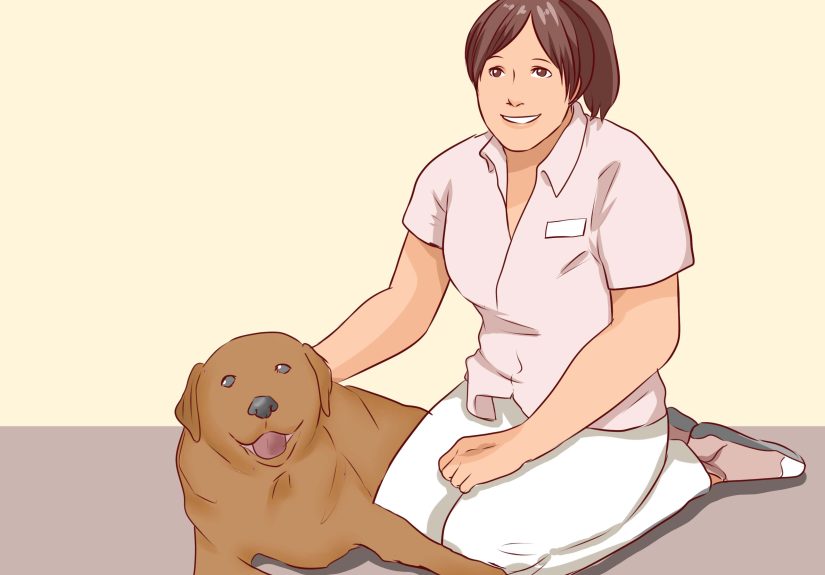
Now let’s walk through the practical steps the “with pictures” part can be imagined as you smiling confidently while your dog
looks adorably well-behaved.
15 Practical Steps to Discourage a Dog From Biting
Step 1: Rule Out Pain or Medical Problems
Sudden snapping, growling, or biting from a dog who used to be gentle is often a red flag for pain or illness. A dog with
an ear infection, dental pain, arthritis, or neurological issues may bite because they hurt and want the pain to stop.
Book a checkup with your veterinarian if biting is new, seems out of character, or is getting worse. Treating an underlying
medical issue can dramatically reduce aggressive behavior and gives your training a fair chance to work.
Step 2: Supervise, Supervise, Supervise
Many bites happen simply because humans weren’t paying attention. Health and public safety agencies stress that children
should never be left alone with any dog, even the sweetest family pet. Supervision lets you:
- Interrupt rough play before it escalates.
- Notice early signs of stress, like lip-licking, yawning, or turning away.
- Manage high-energy moments instead of reacting after a bite.
If you can’t actively supervise, use gates, playpens, or crates to give your dog a safe, quiet space instead of letting them roam and practice bad habits.
Step 3: Socialize Slowly and Positively
Proper socialization isn’t about throwing your dog into a crowded dog park and hoping for the best. Organizations like the
ASPCA and major humane societies recommend gentle, gradual exposure to new people, dogs, sounds, and environments.
Start at a distance where your dog is calm. Pair each new experience with treats and praise. If your dog tenses up, backs away,
growls, or hides, that’s your signal to give them more space and time. Forcing contact can push a fearful dog to defend themselves with their teeth.
Step 4: Teach Bite Inhibition in Puppies
Puppy teeth are tiny needles attached to a fuzzy bowling ball of energy. Mouthing and nipping are normal puppy behaviors,
but this is the window where they learn how hard is too hard.
When your puppy bites too hard during play:
- Let out a quick, high “Ouch!” or “Hey!”
- Immediately stop interacting and freeze or gently stand up and turn away.
- When the puppy calms or licks instead of biting, resume gentle play.
This mimics how their littermates teach bite control. Over time, you can also stop play for any teeth on skin so your
puppy learns that human skin is off-limits.
Step 5: Redirect the Mouth to Appropriate Toys
Puppies and many adult dogs need to chew it relieves stress, helps teething, and is just plain fun. Your job is to say,
“Chew this, not me.”
Keep a stash of safe chew toys handy. When your dog starts to nip at hands, clothing, or ankles, calmly offer a toy instead.
Praise them warmly for chewing that toy. This teaches them what to do, not just what not to do.
Step 6: Avoid Rough Games That Encourage Nipping
Wrestling, playing “hand monster,” or letting your dog grab sleeves and tug can blur the line between play and aggression.
Public health and veterinary groups specifically advise against games that hype dogs up and involve skin or clothing.
Choose bite-safe games instead:
- Tug of war with clear rules: dog only grabs the toy, drops it on cue, and play stops immediately if teeth hit skin.
- Fetch, scent games, and trick training that keep your hands out of the danger zone.
Step 7: Use Positive Reinforcement Training
Across major veterinary and behavior organizations, one message is loud and clear: positive reinforcement is more effective
and safer than punishment-based methods for reducing aggression and bite risk.
That means:
- Rewarding calm behavior with treats, praise, or play.
- Teaching cues like “sit,” “leave it,” and “come” and paying your dog generously for listening.
- Ignoring or calmly redirecting unwanted behavior rather than yelling, hitting, or using pain-based tools.
Punishing a dog for warning signs like growling can actually make biting more likely, because the dog learns to skip the warning next time.
Step 8: Set Clear, Consistent House Rules
Dogs thrive on predictable patterns. If sometimes it’s cute when your puppy gnaws your shoelaces and sometimes it’s “NO!”,
you’re sending mixed signals.
Decide as a family:
- Is any mouthing on people allowed? (Most experts recommend “no.”)
- What toys are okay and where are they kept?
- How will everyone respond when the dog gets mouthy?
Post the rules on the fridge if you have to. Consistency from all humans speeds up your dog’s learning and reduces frustration on both sides.
Step 9: Learn to Read Your Dog’s Body Language
Dogs rarely bite “out of nowhere.” They usually send signals first we just miss them. Common early warning signs include:
- Stiff body, frozen posture.
- Whale eye (showing the whites of the eyes).
- Lip licking, yawning, or turning the head away.
- Tucking the tail, crouching, or leaning away.
When you see these signs, calmly give your dog space, remove whatever is stressing them, and avoid pushing the interaction.
Respecting their warnings actually reduces the need for them to ever use their teeth.
Step 10: Manage Triggers in the Environment
Every dog has triggers maybe it’s doorbells, skateboards, nail trims, or kids running by. Until your dog has been carefully
trained around those triggers, don’t throw them into the deep end.
Simple management tools include:
- Baby gates or exercise pens to separate dogs and children.
- A crate or safe room where your dog can eat and rest undisturbed.
- Leashes, harnesses, and secure fences to prevent sudden, close encounters with strangers or other animals.
Step 11: Teach Kids How to Be Dog-Smart
Public health data in the U.S. show that children are bitten more often than adults, especially on the head and face.
That’s a scary statistic, but again, education makes a huge difference.
Teach children to:
- Ask the owner before petting any dog.
- Let the dog come to them and sniff first.
- Pet gently on the chest or side, not reaching over the dog’s head.
- Leave dogs alone when they’re eating, sleeping, or in their bed or crate.
Also teach the classic “be a tree” rule: if an off-leash dog runs up, kids should stand still, look away, and keep their hands at their sides until the dog loses interest.
Step 12: Give Your Dog Enough Exercise and Mental Stimulation
A bored, under-exercised dog is basically a furry ball of unspent energy looking for a job. Sometimes that “job” is nipping
at hands, herding ankles, or rough play that can lead to bites.
Aim for:
- Daily walks at your dog’s fitness level.
- Interactive games like fetch, hide-and-seek, or simple nosework.
- Food puzzles, training sessions, and chew items that let them use their brain and jaw in appropriate ways.
Step 13: Avoid Harsh Corrections and Pain-Based Tools
Shock collars, prong collars, leash jerks, yelling, or hitting may stop a behavior in the moment, but they also create fear and confusion.
Fear is one of the top drivers of aggressive behavior, including biting.
Many veterinary behavior experts warn that dogs trained with fear-based techniques are more likely to react defensively.
If you wouldn’t want it done to you, don’t do it to your dog. Your long-term goal is a dog who trusts you, not one who obeys because they’re scared.
Step 14: Use a Muzzle Humanely When Needed
Muzzles get a bad reputation, but they can actually be a powerful safety tool when used correctly. A well-fitted basket muzzle
lets your dog pant, drink, and take treats while keeping teeth off skin during vet visits, grooming, or behavior work.
Introduce the muzzle slowly with lots of treats, never as punishment. Think of it like a doggy seat belt: it doesn’t fix the
underlying issues, but it keeps everyone safer while you work on them.
Step 15: Call in the Professionals
If your dog has bitten, snapped, or seriously threatened someone, or if you’re feeling overwhelmed, it’s time to bring in help.
Look for:
- A certified trainer or veterinary behaviorist who uses positive reinforcement.
- Professionals who will take a detailed history and design a customized behavior plan.
- Someone willing to work with your vet to rule out any medical issues contributing to aggression.
Getting expert support early can keep a concerning situation from becoming truly dangerous.
What Those “With Pictures” Steps Might Look Like
If this article had actual photos, you’d see:
- Picture 1: A puppy gently chewing on a sturdy chew toy instead of fingers.
- Picture 2: A child sitting sideways, letting a calm dog sniff their hand before petting.
- Picture 3: A dog relaxing in a crate with the door open, clearly choosing a safe space.
- Picture 4: A dog wearing a comfortable basket muzzle, happily taking treats from their person.
You can recreate these scenes at home. The goal is always the same: show your dog what “good behavior” looks like and reward the
daylights out of it.
Realistic Expectations: Progress, Not Perfection
It’s important to be honest: a dog with a long history of biting may never be 100% risk-free, just as a person with a history of
back injuries may always need to be a bit careful. The key is to reduce risk dramatically through:
- Training and management.
- Routine health care.
- Thoughtful supervision and safety tools.
Celebrate small wins: a calmer response to visitors, an easier nail trim, or a puppy who chooses a toy instead of your ankle.
Those little victories add up to a much safer, happier life together.
Conclusion: Building a Safer, Happier Life With Your Dog
Discouraging a dog from biting isn’t about “dominating” them it’s about communication, safety, and trust. By understanding why
dogs bite, supervising smartly, teaching bite inhibition, and using positive, science-backed training methods, you can dramatically
reduce the risk of bites and help your dog feel safer in our very human world.
If you’re ever unsure, lean on a team: your veterinarian, a qualified trainer or behaviorist, and dog-savvy friends or family.
Together, you can turn a nippy, nervous dog into a confident companion you’re proud to introduce to the world.
sapo: Worried about your dog’s nipping, mouthing, or biting? You’re not alone and you’re not stuck with it. This in-depth, vet-informed guide walks you through 15 practical, positive steps to discourage dog biting at every stage, from needle-toothed puppies to worried adult dogs. Learn how to read your dog’s body language, teach bite inhibition, manage kids-and-dogs safely, use tools like muzzles correctly, and know when to call in a professional trainer so you can enjoy a calmer, safer life together.
Additional Experiences and Practical Scenarios (Extended Guide)
To make these steps more concrete, let’s look at how they play out in real-life situations. Think of this as the “bonus track” to
your dog bite prevention plan.
Scenario 1: The Mouthy Herding Dog
Imagine you’ve adopted a young herding breed maybe a Border Collie or Australian Shepherd who thinks moving humans around
with their teeth is a full-time job. Every time the kids run down the hallway, the dog darts behind them and nips at their legs.
In this case, some key steps combine beautifully:
- You manage the environment by using baby gates to keep the dog out of the hallway during high-energy kid time.
- You increase exercise and mental work with fetch, agility games, and puzzle feeders so the dog’s herding drive has an outlet.
- You teach a solid “go to your mat” cue and reward the dog for lying calmly on a bed while the kids walk past.
- You coach the kids to walk, not run, near the dog until training is more solid, and supervise all interactions.
Over a few weeks, the nipping fades because the dog now has direction, structure, and plenty of ways to use that busy brain and body.
Scenario 2: The Shy Rescue Dog Who Growls
You bring home a rescue dog who’s sweet with you but growls, snarls, or snaps when strangers lean over to pet them. Instead of punishing the growl, you treat it as essential information: this dog is scared and needs space.
Here’s how your plan might look:
- You ask your vet to check for pain, especially in the neck, back, or joints that might make touch uncomfortable.
- You put a “Do Not Pet” vest or bandana on the dog in public and politely say “No, thanks, he’s in training” when people ask to touch.
- You start counterconditioning: at a distance where the dog notices people but stays relaxed, you feed high-value treats, then move away.
- Gradually, you decrease the distance only if your dog stays loose and comfortable, always letting them choose to approach instead of being cornered.
Over time, many shy dogs learn that people predict good things treats, praise, and distance when they need it instead of scary surprises.
Scenario 3: The Puppy Who Thinks Hands Are Chew Toys
In classic “land shark” fashion, your puppy bites hands during play, grabs your sleeves, and seems to get more excited when you say “No!” and wave your hands around.
Switching to a structured, positive approach changes the whole picture:
- You keep chew toys within arm’s reach in every room where you interact with the puppy.
- When teeth touch skin, you calmly say “Ouch,” stand up, and briefly leave or turn away, removing the fun.
- When the puppy chooses a toy or licks instead, you celebrate like they just solved world peace.
- You schedule short training sessions sit, down, touch and reward frequently, so the puppy learns that calm behavior gets more rewards than wild biting.
Within a few weeks of consistency, most puppies dramatically decrease their nipping. They learn that human skin ends the party, but toys and polite behavior keep the fun going.
Scenario 4: Using a Muzzle for Everyone’s Peace of Mind
Let’s say your dog has a bite history at the vet. You’re anxious, the vet staff is anxious, and your dog is definitely anxious.
This is a perfect situation for a basket muzzle used in a kind, proactive way.
You could:
- Introduce the muzzle at home by smearing a bit of peanut butter inside and letting your dog voluntarily put their nose in.
- Gradually add time, then the strap, then walking around the house while wearing it, always pairing it with tasty rewards.
- Practice mock “vet exams” at home lifting ears, checking paws while your dog wears the muzzle, rewarding for calm behavior.
By the time you reach the real appointment, the muzzle feels familiar and predicts treats instead of fear. The dog can’t bite,
which keeps staff safe, and you can focus on helping them feel secure instead of worrying about what might happen.
Scenario 5: Knowing When to Ask for Help
Finally, one of the most valuable “experiences” you can have is realizing you don’t have to do this alone. Many owners wait until
there’s been a serious bite before contacting a trainer or behaviorist, but getting help earlier often leads to much better outcomes.
If you feel nervous handling your dog, dread having guests over, or find yourself making excuses like “He just doesn’t like men in hats,”
that’s your sign to reach out. A skilled professional can break the problem into manageable steps, show you exactly how to practice,
and support you when things feel overwhelming.
In the end, preventing dog bites isn’t just about avoiding injury it’s about building a relationship based on clarity, kindness, and trust.
When your dog understands what’s expected and feels safe in your care, they have far fewer reasons to ever use their teeth as a last resort.