Table of Contents >> Show >> Hide
- What You’ll Learn
- The Fast Timeline Snapshot
- Step 1: Understand What Pediatricians Actually Do
- Step 2: Build a Smart College Plan (and Keep Your GPA Alive)
- Step 3: Get Clinical Experience With Kids (Without Being Awkward)
- Step 4: Crush the MCAT and Apply to Medical School
- Step 5: Succeed in Medical School and Choose Pediatrics Intentionally
- Step 6: Pass Licensing Exams and Stay Organized
- Step 7: Apply to Pediatric Residency (ERAS + The Match)
- Step 8: Complete a Pediatrics Residency and Level Up Fast
- Step 9: Get Licensed and Board Certified
- Step 10: Launch Your Career (and Keep Learning Forever)
- Frequently Asked Questions
- Conclusion
- Real-World Experiences: What the Journey Often Feels Like (500+ Words)
- SEO Tags
If you love kids, science, and the idea of being the calm adult in a room where someone is crying because their sock “feels weird,” pediatrics might be your calling.
Becoming a pediatrician is a long (but absolutely doable) pathpart academics, part endurance sport, part learning how to explain serious things to families in a way that doesn’t make anyone panic.
This guide breaks the journey into 10 clear steps, with practical tips and real-world examples so you can move from “I like helping children” to “Hello, I’m Dr. You.”
What You’ll Learn
- Step 1: Understand what pediatricians actually do
- Step 2: Build a smart college plan (and keep your GPA alive)
- Step 3: Get clinical experience with kids (without being awkward)
- Step 4: Crush the MCAT and apply to medical school
- Step 5: Succeed in medical school and choose pediatrics intentionally
- Step 6: Pass licensing exams and stay organized
- Step 7: Apply to pediatric residency (ERAS + Match)
- Step 8: Complete a pediatrics residency and level up fast
- Step 9: Get licensed and board certified
- Step 10: Launch your career (and keep learning forever)
The Fast Timeline Snapshot
Most pediatricians follow a predictable structure: college, medical school, residency, then optional fellowship if you want to sub-specialize.
The details vary by person and state, but the “big rocks” are consistent: you’ll need a bachelor’s degree, an MD or DO degree, residency training in pediatrics, and a medical license.
- College: ~4 years
- Medical school: 4 years
- Pediatrics residency: typically 3 years
- Optional fellowship: often 3+ additional years for subspecialties
Translation: this is a marathon with snacks. Plan your energy, your finances, and your support system accordingly.
Step 1: Understand What Pediatricians Actually Do
Pediatrics isn’t “adult medicine, but shorter.” It’s a specialty centered on the physical, emotional, and social health of childrenfrom newborns to young adults.
You’ll spend your days doing prevention (vaccines, growth tracking, safety counseling), diagnosis (why the cough won’t quit), treatment (from ear infections to complex chronic disease),
and a whole lot of communication (with kids, parents, guardians, and other clinicians).
Pick your future “flavor” of pediatrics
Many pediatricians practice general pediatrics in clinics, hospitals, or both. Others specialize (pediatric cardiology, emergency medicine, neonatology, and more).
You do not need to decide today, but it helps to know what exists so you can build the right experiences.
Mini reality check (the good kind)
- You’ll have amazing days where you fix a problem and a parent looks like you just performed magic.
- You’ll also have tough days: hard diagnoses, social challenges, and systems that don’t move fast enough.
- You’ll need patience, resilience, and the ability to explain the same thing five waysbecause kids and families deserve clarity.
Step 2: Build a Smart College Plan (and Keep Your GPA Alive)
You don’t need a “pre-med major.” You need a strong academic foundation plus the required (and recommended) science coursework.
Medical schools commonly expect sequences in biology, chemistry (general and organic), physics, and often biochemistryplus writing-heavy coursework to sharpen communication.
What to focus on in undergrad
- Choose a major you can excel in: biology is fine, but so are psychology, engineering, economics, or musicif you can keep your grades strong.
- Complete prerequisites early enough: so you’re not studying organic chemistry while trying to write your personal statement at 2 a.m.
- Build consistency: upward trends are good; repeated “oops semesters” are not your friend.
Example: a practical two-year setup
A common approach is to complete general chemistry + biology sequences in the first year, then organic chemistry + physics in the second,
while layering in volunteering and shadowing. That keeps your MCAT preparation cleaner later.
Pro tip
Start a simple “future application file” now: a document where you track dates, roles, hours, supervisors, and reflections.
Your future self will thank youprobably with tears of joy.
Step 3: Get Clinical Experience With Kids (Without Being Awkward)
Pediatrics is people-heavy. Admissions teams want to see that you understand what patient care feels like and that you’re not choosing pediatrics
solely because you “like babies” (which is a fine start, but not exactly a strategy).
High-value experiences
- Volunteer work with children: children’s hospitals, camps for kids with chronic illness, mentoring programs, school-based clinics.
- Shadowing pediatricians: outpatient clinics, inpatient floors, pediatric urgent care.
- Clinical roles: medical assistant, EMT, scribeanything that puts you close to real workflows and real patients.
- Research (optional but helpful): especially if you’re curious about child development, health disparities, or pediatric disease.
How to stand out (in a normal, non-cringey way)
Don’t just collect hours. Collect insights. After each experience, jot down one moment you learned something:
a communication technique, a teamwork lesson, a social barrier that affected care, or a clinical pearl that surprised you.
Quick example reflection
“I watched a pediatrician explain asthma control using a child’s favorite sports analogy. It changed how I think about education:
the best teaching meets people where they are.”
Step 4: Crush the MCAT and Apply to Medical School
The MCAT tests science knowledge plus critical thinking. It draws heavily from year-long intro sequences (biology, chemistry, organic chemistry, physics),
and also includes biochemistry, psychology, sociology, and a reading/analysis section.
A sane MCAT plan
- Give yourself time: many students need several months of consistent study.
- Prioritize practice questions: content review matters, but performance improves fastest when you practice like it’s game day.
- Review mistakes aggressively: your missed questions are your personal trainer.
Medical school application basics
Many U.S. medical schools use a centralized application service, and most applicants will also complete secondary applications for each school.
You’ll submit transcripts, MCAT scores, personal statement, activity descriptions, and letters of recommendation.
What future pediatricians should highlight
- Long-term service with kids or families (consistency matters).
- Teamwork under pressure (sports, jobs, labs, leadership).
- Communication and teaching (tutoring countspediatrics is education-heavy).
- Maturity and resilience (because medicine will test both).
Step 5: Succeed in Medical School and Choose Pediatrics Intentionally
Medical school is where your interest becomes a real career path. The first half is foundational science and clinical skills; later you’ll rotate through core specialties,
including pediatrics. That pediatrics rotation is your auditionshow up curious, prepared, and kind.
What helps during pediatrics clerkship
- Know normal development: growth charts, milestones, pediatric vitals.
- Practice family-centered communication: explain plans clearly, check understanding, invite questions.
- Learn common bread-and-butter pediatrics: fevers, rashes, asthma, otitis media, newborn issues, GI complaints.
- Be the teammate everyone wants: pediatrics is collaborative by nature.
Build your pediatrics “story”
By the end of medical school, you want a coherent narrative: why pediatrics, what you’ve done to explore it, and how you’ll contribute.
That might include advocacy work, school health projects, child development research, or simply deep clinical engagement with pediatric patients.
Step 6: Pass Licensing Exams and Stay Organized
In the U.S., medical licensure typically involves passing a multi-step licensing exam sequence (commonly USMLE for MD students and COMLEX-USA for DO students),
plus completing postgraduate training. Exams measure whether you can apply knowledge safely, not whether you can memorize an entire textbook for fun.
How to avoid exam chaos
- Map deadlines early: exam windows and score-release timing affect residency applications.
- Use practice assessments: they reduce surprises and help target weak areas.
- Protect your sleep: the brain is not a phone batteryyou can’t just “low power mode” your way through medicine.
If you’re considering an MD vs DO path
Both can lead to pediatrics. What matters most is your performance, your clinical experiences, and how you present your strengths to residency programs.
Step 7: Apply to Pediatric Residency (ERAS + The Match)
Residency is where you become the doctor who can manage real responsibility. In the U.S., many residency applications are submitted through a centralized system,
and most programs fill positions through the National Resident Matching Program (the Match).
Your pediatrics residency application typically includes
- Application + personal statement
- Letters of recommendation (including pediatrics-focused letters)
- Medical school transcript and performance evaluations
- Licensing exam scores
- A clear explanation of why pediatricsand why that program
Interview strategy (no robotic answers)
Program directors are evaluating more than your resume. They’re asking:
“Will you be safe? Will you be teachable? Will you be a good teammate at 3 a.m. when the NICU is full?”
- Prepare stories: a teamwork win, a mistake you learned from, a meaningful patient moment.
- Know the program: patient population, training style, rotations, support systems.
- Be honest: pediatrics values authenticity; forced confidence reads weirdly in this specialty.
Step 8: Complete a Pediatrics Residency and Level Up Fast
Pediatric residency is intensein the way that makes you grow quickly. You’ll manage newborn care, inpatient pediatrics, emergency presentations, outpatient continuity clinics,
and a wide range of developmental and adolescent health issues. You’ll learn to balance evidence-based medicine with family realities.
What you learn that school can’t fully teach
- Clinical judgment: deciding who can go home and who needs escalation.
- Communication under stress: explaining scary possibilities while staying calm and compassionate.
- Team leadership: coordinating care with nurses, pharmacists, social work, and specialists.
- Systems navigation: insurance barriers, community resources, discharge planning.
Optional: fellowship vs general pediatrics
If you love a specific niche (like pediatric cardiology or neonatal-perinatal medicine), you may pursue fellowship after residency.
If you love breadth and relationships over time, general pediatrics can be incredibly fulfilling.
Step 9: Get Licensed and Board Certified
A medical license is state-based, and requirements vary. Most states require a combination of medical school graduation, exam completion, and at least some postgraduate training.
After residency, many pediatricians pursue board certification in general pediatrics, which involves meeting training requirements and passing a certification exam.
Why board certification matters
- Signals expertise and commitment to standards
- May be preferred (or required) by employers and hospitals
- Supports trust with patients and families
Don’t forget the paperwork reality
Licensure applications require documentation, verification, and time. Treat it like a project: create a checklist, keep copies, and start early.
The best time to gather documents is before you desperately need them.
Step 10: Launch Your Career (and Keep Learning Forever)
Congratsyou’re ready to work as a pediatrician. Now comes the part where you build a career that fits your goals, values, and preferred lifestyle.
Pediatrics offers many options: outpatient primary care, hospitalist roles, academic medicine, urgent care, public health, school-based medicine,
telehealth, and leadership positions.
First job checklist
- Choose the right environment: mentoring, patient population, schedule, support staff.
- Understand compensation: salary, benefits, loan repayment options, malpractice coverage.
- Protect your bandwidth: burnout prevention is not a luxury; it’s clinical safety.
- Build your “clinical confidence” stack: guidelines, peer feedback, continuing education, and reflective practice.
How to become a great pediatrician (not just a licensed one)
The best pediatricians keep sharpening three things: medical knowledge, communication, and empathy.
You’ll never stop learningbecause kids keep surprising you, science keeps moving, and families deserve your best.
Frequently Asked Questions
How long does it take to become a pediatrician?
A common path is about 11 years after high school: ~4 years of college, 4 years of medical school, and ~3 years of pediatric residency.
Subspecialty training adds additional years.
Do I need to decide on pediatrics before medical school?
No. Many students choose pediatrics during medical school after clinical rotations.
That said, early experiences with children and families can help confirm your interest.
What skills make someone successful in pediatrics?
Strong communication, patience, emotional steadiness, teamwork, and a genuine interest in development and prevention.
Pediatrics is medicine plus teaching, plus diplomacy, plus occasional sticker negotiation.
Is pediatrics a good career?
It can be incredibly meaningful, especially if you value relationships and prevention. Like all medical careers, it comes with stressors,
but many pediatricians find the work deeply rewarding because the impact lasts decades.
Conclusion
Becoming a pediatrician is a long path, but it’s a structured one. If you focus on strong academics, meaningful clinical experience, thoughtful applications,
and steady growth through training, you’ll be well-positioned to thrive.
And remember: pediatrics isn’t about being “good with kids” in the casual sense. It’s about being good with peoplekids, families, and teams
especially when things are scary, confusing, or high-stakes. If that challenge energizes you, you’re on the right road.
Real-World Experiences: What the Journey Often Feels Like (500+ Words)
The path to pediatrics has a funny way of turning “big dreams” into “tiny daily habits.” In college, the experience often starts with
a mix of excitement and confusion: you’re taking chemistry at 8 a.m., trying to join a volunteer program after class, and wondering if everyone else
has some secret pre-med handbook you somehow missed. (They don’t. They’re also confused. They’re just hiding it behind color-coded planners.)
Many future pediatricians describe their first meaningful pediatric exposure as a turning point. It might be reading stories to kids on an inpatient unit,
helping at a camp for children with diabetes, or shadowing in a clinic where a pediatrician somehow solves a problem while simultaneously answering a toddler’s
“why?” questions like it’s a competitive sport. Those early moments are where people realize pediatrics is both medically complex and emotionally nuanced:
you’re treating a patient, but you’re also treating a family system.
Medical school brings a new kind of intensity. Early on, it can feel like drinking from a firehoseexcept the firehose is filled with anatomy,
physiology, pathology, and the sudden realization that sleep is now a strategic resource. Students who lean toward pediatrics often notice they light up
during development lectures and preventive care discussions. They like patterns over time: growth, milestones, school performance, nutrition, mental health,
and the long-term impact of early interventions.
During clinical rotations, pediatrics can feel different from day one. The room dynamics change: you may walk in and see a baby asleep, a parent anxious,
and a child-old-enough-to-have-opinions refusing to let anyone touch them. The “experience” here is learning presencehow to slow down when parents are scared,
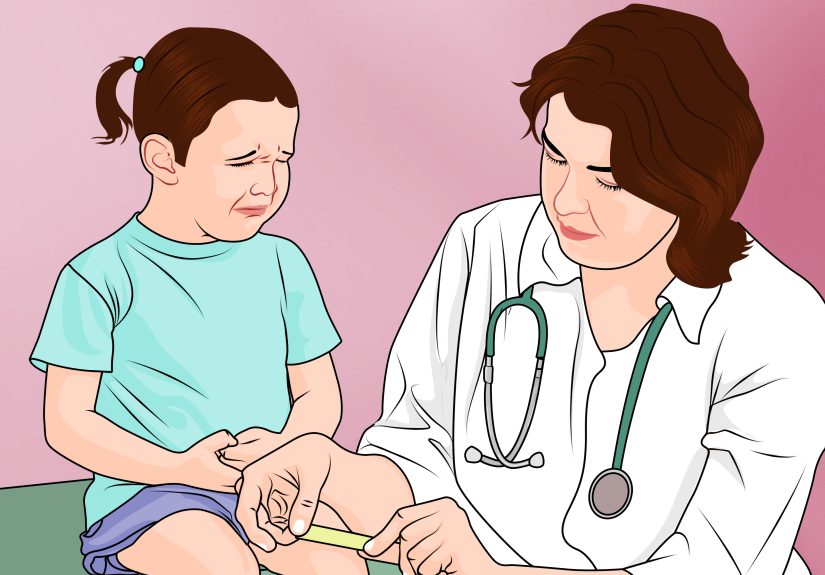
how to speak directly to a child respectfully, and how to earn trust quickly. Students often remember their first pediatric exam where the kid cried the moment
the stethoscope came out. With guidance, they learn the small tricks: warm hands, a playful approach, letting the child listen to the parent’s heartbeat first,
explaining what you’re doing in simple terms, and praising cooperation like it’s a championship win.
Residency is where the experiences become sharper, louder, and more real. You’ll have nights where you admit a child with respiratory distress,
coordinate treatments, update a worried parent, and then step out of the room and think, “I can’t believe I’m the doctor right now.”
You’ll also have joyful moments: a kid with asthma who finally stabilizes, a newborn who thrives after a scary start, a teenager who opens up about depression
because you took the time to ask in a way that felt safe. Those experiences build a type of confidence that isn’t bravado; it’s earned steadiness.
Another common experience is learning how much pediatrics intersects with public health and social realities. Residents often discover that the “right medical plan”
isn’t always workable without supporttransportation, stable housing, access to medications, school accommodations, or community resources. Good pediatric training
helps you become not only a clinician, but also a navigator and advocate. Over time, many pediatricians say the defining experience of the specialty is this:
you don’t just treat illnessyou protect potential.