Table of Contents >> Show >> Hide
- First Things First: What Kind of Pimple Is It?
- Fast At-Home Steps to Calm a Pimple
- Home Remedies for Pimples: What Might Help
- What You Should Not Do to Your Pimples
- How to Prevent Pimples from Showing Up in the First Place
- When to See a Dermatologist
- Real-Life Experiences: What Actually Helps People Get Rid of Pimples Faster
- Final Thoughts
You go to bed with clear skin, then wake up with a shiny new pimple right in the middle of your face. Classic.
While there’s no magic spell that makes every breakout vanish instantly, there are smart, dermatologist-approved
ways to calm pimples quickly, shrink swelling, and prevent new ones from crashing the party.
In this guide, we’ll walk through fast at-home tips to deal with pimples, home remedies that actually have some
science behind them, and everyday habits that help keep your skin clearer over time. We’ll also talk about what
not to do (sorry, toothpaste does not belong on your face) and when it’s time to call in a pro.
First Things First: What Kind of Pimple Is It?
Not all pimples are created equal, and how fast you can get rid of them depends a lot on what you’re dealing with.
Acne happens when pores get clogged with oil, dead skin cells, and bacteria, which leads to different types of
blemishes:
- Whiteheads and blackheads: Clogged pores. These are usually small and easier to manage.
- Papules and pustules: Red bumps (papules) or red bumps with a white center (pustules).
- Nodules and cysts: Deep, painful bumps under the skin. These are more serious and often need professional treatment.
The “get rid of pimples fast” tricks work best on mild acne like whiteheads, blackheads, and small red bumps.
Deep, painful cystic acne usually won’t disappear overnight and often requires prescription treatments from a dermatologist.
Fast At-Home Steps to Calm a Pimple
1. Start With a Gentle Cleanse
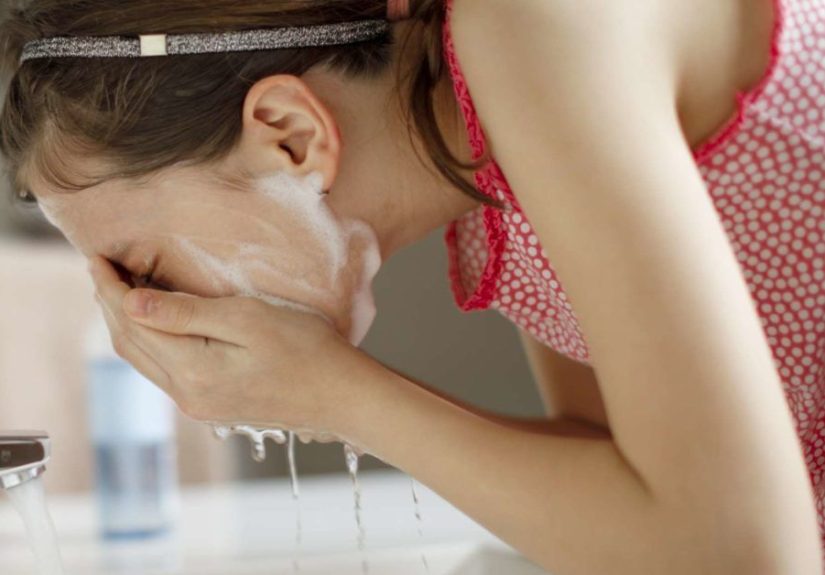
When a pimple pops up, your first move isn’t to scrub your skin like you’re cleaning a dirty pan.
Dermatology groups like the American Academy of Dermatology and major health systems recommend
washing acne-prone skin gently with a mild, non-abrasive cleanser and lukewarm water no more than twice a day.
- Use your fingertips instead of a washcloth, brush, or scrub.
- Avoid “tingly,” harsh, or heavily fragranced cleansers that can irritate skin.
- Pat dry with a clean toweldon’t rub.
Over-washing or scrubbing can actually make pimples worse by irritating the skin and triggering more oil production.
Gentle is the new powerful.
2. Apply Ice to Reduce Redness and Swelling
If you need that pimple to chill out nowsay you’ve got an event coming upice is your best low-cost,
low-effort friend. Cold helps reduce inflammation and swelling, making the pimple look smaller and less angry.
Try this:
- Wrap an ice cube in a clean, soft cloth (never apply ice directly to bare skin).
- Press gently on the pimple for 1–2 minutes at a time.
- Repeat a few times with breaks in between.
This won’t cure the pimple, but it can make a noticeable difference in how big and red it looks, especially before makeup.
3. Use an Over-the-Counter Spot Treatment
Fast results usually come from ingredients that dermatologists have actually studied. Common over-the-counter
acne treatments include:
-
Benzoyl peroxide (2.5–5%): Kills acne-causing bacteria and reduces inflammation. It’s available
in washes and spot gels and is often recommended for mild acne. -
Salicylic acid (0.5–2%): A beta hydroxy acid that helps unclog pores and dissolve dead skin.
It’s especially useful for blackheads and whiteheads. -
Adapalene (OTC retinoid): Helps normalize skin cell turnover and prevent pores from clogging.
It’s better as a long-term prevention tool but can support healing.
For a sudden pimple, apply a thin layer of a benzoyl peroxide or salicylic acid spot treatment after cleansing
and drying your skin. Don’t slather on a thick blobthat usually leads to irritation and peeling instead of faster healing.
4. Try a Hydrocolloid Pimple Patch
Pimple patches (especially hydrocolloid patches) have become popular for good reason. They:
- Absorb fluid from the pimple.
- Protect the area from your fingers (and your urge to pick).
- Help reduce redness and flatten whiteheads more quickly.
Many patches also contain active ingredients like salicylic acid or tea tree oil. These are best for superficial pimples,
not deep cysts, but they’re a great “put it on and forget it” option overnight.
5. Hands Off: Don’t Pick or Pop
It’s tempting, but squeezing a pimple often:
- Pushes bacteria and oil deeper into the skin.
- Makes the pimple bigger, redder, and more painful.
- Increases your risk of scarring and dark spots.
Dermatologists consistently warn against popping pimples at homeespecially deeper “blind” or cystic pimplesbecause it can
dramatically slow healing and leave permanent marks.
Home Remedies for Pimples: What Might Help
“Natural” doesn’t automatically mean “safe” or “effective,” but some home remedies do have evidence behind them when used properly.
Always patch test new products on a small area of skin first, and stop if you notice burning, stinging, or worsening redness.
1. Tea Tree Oil (Diluted Only)
Tea tree oil has antimicrobial and anti-inflammatory properties, and several studies suggest that products containing
around 5% tea tree oil can reduce mild acne lesions.
Important guidelines:
- Never apply undiluted tea tree oil directly to your face.
- Look for gels or creams formulated for acne, or dilute a drop in a carrier oil if your skin tolerates oils.
- Discontinue use if you notice irritation, itching, or rashsome people are allergic.
2. Aloe Vera Gel
Aloe vera has soothing, anti-inflammatory, and moisturizing properties. While it’s not a standalone acne cure,
it can help calm redness and support the skin barrier when used alongside other treatments.
Choose pure aloe gel (without strong fragrance or added alcohol) and use it as a light layer after active treatments
like benzoyl peroxide or salicylic acid to help reduce irritation.
3. Niacinamide Serums
Niacinamide (a form of vitamin B3) is often included in acne-friendly skincare. Research suggests it may help reduce
inflammation, regulate oil, and improve the appearance of pores and post-acne dark spots.
Many over-the-counter serums contain 2–10% niacinamide and can be layered under moisturizer daily as part of an
acne-prevention routine.
4. Zinc (Topical or Oral)
Zinc has anti-inflammatory and antibacterial properties and may help some people with acne, especially when combined
with other treatments.
- Topical zinc: Found in some spot treatments or creams.
- Oral zinc: Should be used under medical guidance, as too much zinc can cause side effects and nutrient imbalances.
What You Should Not Do to Your Pimples
Sometimes the fastest way to clear pimples is to stop doing the things that keep them around. Here are common “hacks”
that usually backfire:
- Toothpaste: Contains ingredients meant for teeth, not skin. It often causes irritation, dryness, and redness.
- Crushed aspirin masks: High concentrations of acids on the skin can cause burns, especially if left on too long.
- Undiluted apple cider vinegar: Highly acidic and can cause chemical burns if applied directly.
- Harsh scrubs and rough brushes: Damage the skin’s barrier and worsen inflammation.
- Extremely hot water: Strips natural oils and irritates skin; lukewarm water is safer for cleansing.
How to Prevent Pimples from Showing Up in the First Place
Treating a surprise breakout is one thing. Long term, your goal is fewer “surprises” and more predictable, calm skin.
Prevention is where good habits shine.
1. Build a Simple Daily Skincare Routine
Dermatologists often recommend a basic, consistent routine for acne-prone skin:
- Cleanser: Gentle, fragrance-free, non-comedogenic; used morning and night.
- Treatment: A thin layer of a product with benzoyl peroxide, salicylic acid, adapalene, or azelaic acid as directed.
- Moisturizer: Light, oil-free, labeled “non-comedogenic” or “won’t clog pores.”
- Sunscreen: Broad-spectrum SPF 30 or higher, non-comedogenic formula.
Consistency matters more than chasing the latest trendy product. Changing products too often can irritate your skin
and make it harder to tell what’s working.
2. Be Picky About Makeup and Hair Products
Makeup and hair products can secretly contribute to breakouts, especially along the hairline, jawline, and cheeks.
- Choose products labeled non-comedogenic, oil-free, or won’t clog pores.
- Always remove makeup before bed using a gentle cleanser or micellar water.
- Keep hair products away from your facespray them onto your hands first, then apply to hair.
- Change pillowcases regularly; they collect oil, sweat, and skincare residue.
3. Watch Your Lifestyle: Sleep, Stress, and Food
While acne isn’t “your fault,” certain lifestyle factors can influence breakouts:
- Stress: Higher stress hormones can trigger more oil production and inflammation.
- Sleep: Poor sleep makes it harder for your body (and skin) to repair itself.
- Diet: Some research suggests high-glycemic diets (lots of sugary drinks, white bread, sweets) and certain dairy products may worsen acne in some people.
You don’t need a perfect diet, but focusing on whole foodsvegetables, fruits, lean proteins, whole grainsand limiting
sugary drinks can support overall skin health. If you suspect specific foods trigger breakouts, consider keeping a simple
skin-and-food diary and discuss it with a healthcare provider.
When to See a Dermatologist
Home remedies and over-the-counter products can work well for mild acne, but they’re not always enough. It’s worth
seeing a dermatologist if:
- You have deep, painful nodules or cysts.
- Your acne is leaving scars or dark marks.
- Over-the-counter treatments haven’t helped after a few months of consistent use.
- Acne is affecting your self-esteem, social life, or mental health.
Dermatologists can prescribe stronger treatments like retinoids, antibiotics, hormonal therapies, or isotretinoin,
and tailor a routine that fits your skin type and lifestyle.
Real-Life Experiences: What Actually Helps People Get Rid of Pimples Faster
Advice is great, but how does this look in real life? Here are some experience-style insights and practical examples
that show how people combine home remedies and prevention to keep pimples under control.
Routine Over Random: The “Less Is More” Lesson
Many people start their acne journey by throwing everything at their skin at once: scrub, mask, peel, two spot treatments,
and maybe a DIY paste for good measure. The result? A red, irritated face and pimples that seem even angrier.
Over time, a lot of people end up learning the same lesson: skin usually responds better to a short, consistent routine.
For example, someone with oily, breakout-prone skin might find success with:
- Morning: Gentle cleanser → oil-free moisturizer with SPF.
- Night: Gentle cleanser → thin layer of adapalene or salicylic acid → lightweight moisturizer.
- As needed: Benzoyl peroxide spot treatment and hydrocolloid patches for sudden pimples.
After a few weeks, their skin feels less tight and irritated, and breakouts become smaller and easier to manage.
The “secret” wasn’t a miracle mask, but patience and consistency.
The Emergency Pimple Before an Important Event
Imagine you wake up the day before a big job interview or date. Front and center: a fresh, red pimple.
You can’t erase it completely, but you can make it behave.
A realistic 24-hour “emergency” plan might look like this:
- Gently cleanse with a mild, non-comedogenic cleanser.
- Apply ice in short intervals to bring down swelling.
- Use a benzoyl peroxide or salicylic acid spot treatment.
- Once dry, apply a hydrocolloid pimple patch and leave it on for several hours or overnight.
- The next day, after cleansing, use a bit of concealer on top of a light moisturizer and sunscreen.
The pimple probably won’t vanish, but it will usually look smaller, less red, and easier to cover with makeup.
That’s “fast” in pimple time.
Figuring Out Triggers: The Power of Paying Attention
Experiences differ a lot. One person might notice that heavy, fragranced foundation triggers breakouts on their cheeks.
Someone else might find that skipping sunscreen leads to irritation and more flare-ups. Another person might connect
frequent late-night snacking on sugary foods with an uptick in pimples over the following week.
Keeping track of:
- New products you’re trying,
- How often you’re washing your face or changing pillowcases,
- Big shifts in stress, sleep, or diet,
can help you spot patterns. Instead of guessing, you begin to see, “Every time I sleep in my makeup, I get a breakout
near my chin,” or “When I simplify my routine and use fewer products, my pimples calm down.”
Accepting That “Fast” Doesn’t Mean “Instant”
A big mindset shift many people report is realizing that “fast” pimple treatment is about speeding up healing,
not magically erasing a pimple in an hour. Most pimples take several days to run their course; good care can shorten that window
and reduce how noticeable they are.
Choosing evidence-based products, using soothing home remedies like aloe or diluted tea tree oil carefully, avoiding
aggressive DIY tricks, and giving treatments time to work all add up. The result is fewer major breakouts, faster recovery
when they happen, and healthier skin in the long run.
Partnering With a Professional When You Need Backup
Finally, many people find real relief only after seeing a dermatologistespecially if they have cystic acne,
persistent breakouts that don’t respond to home care, or scarring. A professional can confirm whether you’re dealing
with typical acne or another condition that looks similar but needs different treatment.
Combining smart home care with professional guidance often gives the best of both worlds: fast relief, long-term control,
and fewer surprises in the mirror.
Final Thoughts
You can’t negotiate with a pimple, but you can treat it wisely. Gentle cleansing, targeted spot treatments,
smart use of home remedies, and a steady prevention routine go a long way toward getting rid of pimples fastand
keeping them from constantly coming back. If breakouts are severe, painful, or stubborn, teaming up with a dermatologist
can make all the difference.