Table of Contents >> Show >> Hide
- What These Two Tables Actually Are
- The Biggest Difference: Price Changes the Story
- Design Breakdown: Where the Similarities End
- Which One Looks Better?
- Who Should Buy the Tablo Tray Table?
- Who Should Buy the Ikea Ypperlig Side Table?
- Styling Tips: How to Make Either One Look Expensive
- The Real-Life Experience: Living With a High/Low Tray Table
- Final Verdict: Which Table Wins?
- Conclusion
Some furniture categories are loud. Sofas demand commitment. Dining tables want square footage and a serious relationship. But side tables? Side tables are sneaky. They stroll into a room looking innocent, then end up holding your coffee, your remote, your candle, your half-read novel, your reading glasses, and, if we’re being honest, at least one random hair tie that has somehow become part of the décor.
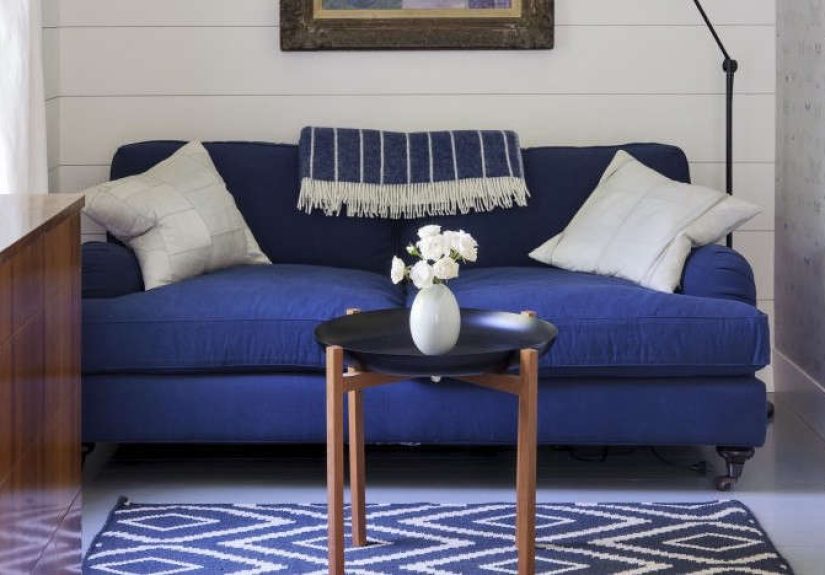
That is exactly why the Tablo Tray Table and the Ikea Ypperlig Side Table make such a fun high/low pairing. On paper, they share the same Scandinavian-language love story: a round tray-like top, slim wood legs, and that clean, calm, “yes, I do own a linen throw” energy. But in real life, they land very differently. One is the design-savvy original with boutique polish. The other is the budget hero that brought the look to the masses without asking your wallet to file a missing-person report.
If you’ve ever searched for a Scandinavian side table, a tray table for a small living room, or a designer look for less, these two tables probably sit on the same mental mood board. So let’s break down what makes them similar, what makes them different, and which one actually earns the spot next to your sofa, accent chair, or bed.
What These Two Tables Actually Are
The Design House Stockholm Tablo Tray Table is the elevated one in the room. It has the kind of design pedigree that makes furniture fans sit up a little straighter. The look is simple, but not sleepy: a lacquered tray top with a raised rim, paired with a warm wood frame. It feels intentional, collected, and just artsy enough to make your lamp look more expensive than it is.
The Ikea Ypperlig Side Table, designed through the much-loved IKEA x HAY collaboration, takes a similar visual formula and makes it wildly accessible. It has the same tray-table spirit and the same airy Scandinavian restraint, but it does it in a more democratic, mass-market way. Translation: it gives you the look without the boutique furniture invoice.
That is what makes this such a classic high/low furniture comparison. These tables are not identical twins. They are more like stylish cousins who showed up to brunch in similarly good black shoes, but one arrived in a designer coat and the other found a shockingly good sale.
The Biggest Difference: Price Changes the Story
Let’s address the teak-and-birch elephant in the room: price. The Tablo Tray Table has historically lived in the premium design lane, while the Ypperlig landed at a price point that made design lovers do a double take and say, “Wait, how much?” in the good way.
That difference matters because it changes how you shop. When you buy the Tablo, you are paying for more than a place to put your mug. You are paying for design authorship, material warmth, a more collectible feel, and the satisfaction of owning the piece that looks like it belongs in a boutique hotel lobby where the water is cucumber-infused and nobody loses their charger.
When you buy the Ypperlig, you are buying smart style efficiency. You are saying, “I want the tray-top silhouette, the Scandinavian ease, and the practical everyday function, but I would also like to keep enough money left over for coffee beans, throw pillows, or maybe my actual rent.” That is not a compromise. That is good shopping.
Design Breakdown: Where the Similarities End
1. Shape and Silhouette
Both tables understand the power of a rounded tray top. A rimmed surface instantly makes a side table feel more purposeful. It visually contains your objects, which is helpful because “artfully styled” and “I dumped my stuff here five minutes ago” are separated by a very thin line.
The Tablo reads softer and slightly more refined. The proportions feel more deliberate, and the overall silhouette has a furniture-object quality to it. It does not scream for attention, but it absolutely knows it looks good.
The Ypperlig is more casual and more direct. It has that crisp IKEA-meets-HAY practicality that feels right at home in apartments, family rooms, reading corners, and anywhere else a small table needs to quietly work hard.
2. Materials and Finish
This is where the vibe really splits. The Tablo’s material mix leans warmer and more tactile. The combination of wood and lacquered metal feels more crafted and a little more grown-up. It is the kind of table that can sit next to a sculptural lamp and a stack of glossy design books without looking underdressed.
The Ypperlig, with its birch base and coated steel top, feels fresh, clean, and intentionally lightweight in mood. It is not trying to be precious. It is trying to be useful and attractive at the same time, which is honestly a very respectable personality for a table.
If your room leans warm, layered, and collected, the Tablo will likely feel like the better fit. If your room is more minimal, casual, or budget-conscious modern, the Ypperlig slips right in.
3. Everyday Practicality
Both tables score points because tray-style tops are just plain useful. That raised edge helps keep books, candles, coasters, and cups from looking like they are one nudge away from disaster. In a real home, that matters. Not every table has to behave like a museum pedestal.
But practicality has different flavors. The Tablo feels like a piece you style with some care. You can absolutely use it every day, but it invites a slightly tidier, more curated rhythm. The Ypperlig feels ready for the messier, more casual version of modern life: tea mug here, remote there, charging cable draped like it pays rent.
4. Flexibility in Small Spaces
Small-space furniture lives or dies by how easily it moves and how little visual weight it carries. Both tables do well here. Their open bases keep rooms from feeling cluttered, and their compact footprints make them especially useful in apartments, bedrooms, and multipurpose living areas.
Still, the Ypperlig has the edge for renters and small-space dwellers who want something stylish without acting like it is emotionally fragile. The Tablo is also compact, but it reads more like a design choice. The Ypperlig reads more like a design choice and a practical sidekick.
Which One Looks Better?
This is the part where taste gets personal, but here is the honest answer: the Tablo Tray Table usually looks better up close, while the Ikea Ypperlig Side Table often looks better on a budget.
The Tablo has the richer visual payoff. The wood feels warmer, the overall composition feels more resolved, and the table carries itself with that hard-to-fake sense of design confidence. It does not need a lot of styling help. Set down one ceramic vase and a book, and it already looks like you know what you are doing.
The Ypperlig wins from across the room. It delivers the essential silhouette, the calm Scandinavian profile, and the kind of understated usefulness that makes a space feel unfussy and livable. It may not have quite the same collector appeal, but it absolutely understands the assignment.
Who Should Buy the Tablo Tray Table?
The Tablo is for the person who notices details. You care about how wood tone plays with flooring. You have opinions about metal finishes. You say things like “visual texture” without irony. You are not just buying a table; you are building a room with intention.
It is especially good for:
- Design-forward living rooms that need a small but memorable accent piece
- Bedrooms where a side table should feel warmer and more elevated than standard flat-pack furniture
- Reading nooks, guest rooms, or corners where one beautiful object can do a lot of visual heavy lifting
- Anyone who prefers fewer, better pieces over a fast-turnover decorating cycle
In other words, buy the Tablo if you want the designer tray table experience, not just the tray table shape.
Who Should Buy the Ikea Ypperlig Side Table?
The Ypperlig is for the practical aesthete. You want good lines, honest materials, and a table that can survive actual daily life without making you nervous every time someone puts down a cold drink. You love a bargain, but only if it still looks chic.
It is especially smart for:
- Small apartments and first homes
- Rooms that need a flexible, movable table for coffee, books, plants, or late-night snacks
- Anyone who loves the Scandinavian side table look but does not want to spend premium-designer money
- People who mix high and low pieces and are perfectly happy letting budget furniture pull its weight
Buy the Ypperlig if you want the spirit of the look, the function of the look, and most of the visual payoff, without entering a long-term financial relationship with your side table.
Styling Tips: How to Make Either One Look Expensive
Here is the good news: both tables benefit from the same styling rule. Do less. Tray tables already have a built-in sense of structure, so piling on objects is the fastest way to make them look smaller and messier.
Try a simple trio: a candle, a small bowl, and one book. Or a vase, a coaster, and a sculptural object. If you are using the table beside a sofa, leave breathing room. Not every square inch needs a decorative side hustle.
The Tablo can handle slightly moodier styling: darker ceramics, stacked art books, a brass reading lamp. The Ypperlig shines with lighter, cleaner accents: a neutral mug, a simple glass vase, a small plant, maybe one beautiful magazine casually pretending not to be strategically placed.
The Real-Life Experience: Living With a High/Low Tray Table
This is where the comparison gets more interesting, because the experience of a table is not just about what it looks like in a product shot. It is about what happens on a Tuesday night when you are tired, balancing a drink, a phone, and a snack, and you need the table to behave.
In real homes, both the Tablo and the Ypperlig solve the same small but important problem: they create a landing spot. That sounds minor until you realize how much daily peace comes from having one stable place for your coffee, earbuds, glasses, or paperback instead of spreading them across the sofa like a tiny personal storm system.
The Tablo experience tends to feel a little more ceremonial. You notice it when you walk into the room. It has presence. It makes even ordinary objects look edited. Set a mug on it, and the mug suddenly feels chosen. Add a candle and a slim book, and the whole corner turns into a mood. It is the kind of table that subtly encourages you to keep the clutter under control because the table itself looks too good to disrespect.
The Ypperlig experience is a little more relaxed, and that is part of its charm. It is easier to treat it like a true utility player. You pull it closer when you are working on a laptop from the sofa. You move it near a chair for tea. You let it hold a plant for a while, then a stack of mail, then a dessert plate during a streaming marathon. It feels less precious, which often means it gets used more often and in more ways.
There is also the emotional side of the high/low choice. The Tablo gives you that quiet thrill of owning something beautifully resolved. You notice the proportions. You appreciate the warmth of the wood. You feel like you made a thoughtful purchase that will still look good years from now. The Ypperlig gives you a different kind of satisfaction: the delight of getting the look right without overspending. It is the furniture version of finding the perfect black blazer on sale and then feeling smug for three business days straight.
Cleaning and maintenance matter, too. Tray-style tops are forgiving because the rim helps corral everyday objects, but coated metal surfaces still show the realities of life: fingerprints, dust, the occasional ring from a less-than-disciplined beverage moment. Wood legs bring warmth, but they also make finish and wear part of the long-term story. In that sense, the Tablo asks for a little more appreciation, while the Ypperlig asks for a quick wipe and moves on with its day.
If you have kids, pets, frequent guests, or a general household vibe best described as “stylish but active,” the Ypperlig may feel more freeing. If your home is calmer, more edited, or simply focused on fewer, better objects, the Tablo is likely to feel more rewarding over time.
That is why this comparison works so well. These tables are not just about high versus low price. They are about two different versions of modern living. One says, “I want a design piece that happens to be useful.” The other says, “I want a useful piece that happens to look really, really good.”
Final Verdict: Which Table Wins?
If we are judging on pure design richness, the Tablo Tray Table wins. It feels warmer, more elevated, and more original in spirit. It has the kind of subtle sophistication that makes a room feel finished.
If we are judging on value, accessibility, and everyday versatility, the Ikea Ypperlig Side Table is the champion. It captures most of the aesthetic appeal for a fraction of the cost and proves, once again, that good design does not always have to arrive with a luxury price tag.
So which one should you choose? Easy. Pick the Tablo if you want the piece you will still admire after the novelty wears off. Pick the Ypperlig if you want the table that quietly earns its keep from day one. Pick either one if you believe a small table can change the feel of a room. Because honestly? It can. And these two do it with more style than most.
Conclusion
The Tablo Tray Table vs. Ikea Ypperlig Side Table debate is not really about whether one is good and the other is bad. It is about what kind of design shopper you are. Are you after craftsmanship, warmth, and a piece with lasting design presence? Or do you want a smart, affordable table that nails the look and works hard every day? In a market full of forgettable accent furniture, both tables stand out for the same reason: they understand that small furniture should still have personality.