Table of Contents >> Show >> Hide
- Why You’ll Love These Ham-and-Swiss Quiche Cups
- Recipe Overview
- Ingredients for Ham-and-Swiss Quiche Cups
- How to Make Ham-and-Swiss Quiche Cups
- Tips for the Best Mini Quiche Cups
- Flavor Variations
- What to Serve with Ham-and-Swiss Quiche Cups
- Storage and Reheating
- Common Mistakes to Avoid
- Why Ham and Swiss Work So Well Together
- Nutrition Notes
- Frequently Asked Questions
- Personal Cooking Experiences with Ham-and-Swiss Quiche Cups
- Conclusion
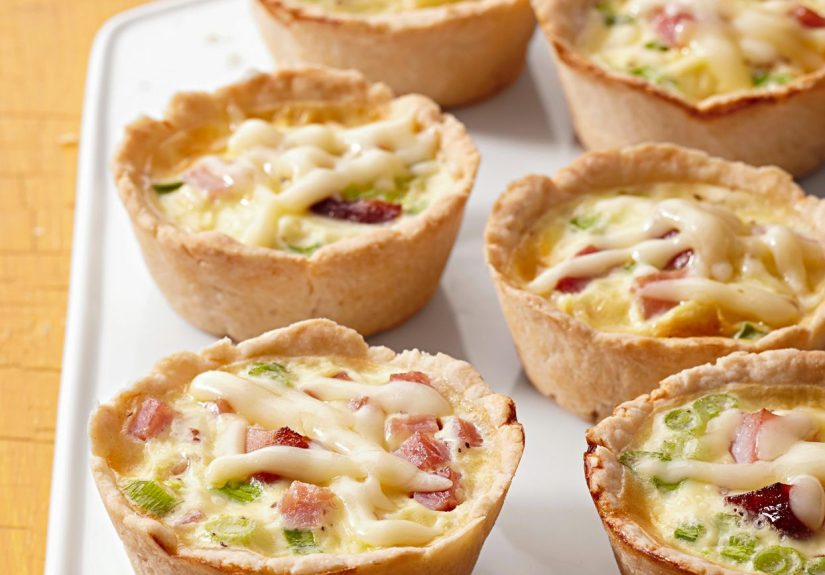
Ham-and-Swiss quiche cups are what happens when classic brunch gets a practical little makeover, puts on sensible shoes, and still manages to look fancy. They deliver everything people love about a traditional quichecreamy eggs, savory ham, nutty Swiss cheese, and a tender crustbut in a muffin-tin format that is easier to serve, pack, reheat, and politely eat without chasing flaky crumbs across the table.
This recipe is made for busy mornings, lazy weekends, holiday brunches, lunchboxes, potlucks, and those mysterious moments when everyone in the house suddenly becomes “just a little hungry.” The cups are small enough to be snackable but filling enough to count as breakfast. They also look charming on a platter, which means you can casually say, “Oh, I just whipped these up,” while secretly enjoying the applause.
The beauty of ham-and-Swiss quiche cups is balance. The ham brings saltiness and smoky depth. Swiss cheese melts into a creamy, slightly nutty layer. Eggs and half-and-half create the custardy base. A pinch of Dijon mustard adds a quiet little zing that makes the whole thing taste less like “eggs in a cup” and more like “brunch with a reservation.”
Why You’ll Love These Ham-and-Swiss Quiche Cups
There are plenty of mini quiche recipes in the world, but ham-and-Swiss quiche cups deserve a special spot in the breakfast hall of fame. They are easy to make, easy to customize, and far less dramatic than a full-size quiche, which sometimes behaves like it has been personally offended by your oven temperature.
They Are Perfect for Meal Prep
Make a batch on Sunday, refrigerate them, and you have grab-and-go breakfasts for several days. They reheat quickly and taste just as good with coffee as they do with a side salad. For a family breakfast, school morning, or office snack, these mini quiche cups are the kind of recipe that quietly saves the day.
They Are Party-Friendly
Full-size quiche is lovely, but slicing it neatly at a party can feel like performing surgery with a pie server. Quiche cups solve that problem. Each person gets an individual serving, and nobody has to negotiate the “who got the bigger slice?” politics of brunch.
They Use Simple Ingredients
You do not need a culinary degree, a French countryside kitchen, or a whisk made by monks. Refrigerated pie crust, eggs, ham, Swiss cheese, milk or half-and-half, and a few seasonings are enough to create a polished, flavorful dish.
Recipe Overview
Recipe name: Ham-and-Swiss Quiche Cups
Prep time: 15 minutes
Cook time: 18–22 minutes
Total time: About 40 minutes
Yield: 12 standard muffin-size quiche cups
Skill level: Easy
Best for: Breakfast, brunch, meal prep, lunchboxes, potlucks, holiday mornings
Ingredients for Ham-and-Swiss Quiche Cups
Main Ingredients
- 1 package refrigerated pie crusts, softened according to package directions
- 5 large eggs
- 3/4 cup half-and-half or whole milk
- 1 cup diced cooked ham
- 1 cup shredded Swiss cheese
- 2 tablespoons finely chopped green onion or chives
- 1 teaspoon Dijon mustard
- 1/4 teaspoon kosher salt
- 1/4 teaspoon black pepper
- 1/8 teaspoon garlic powder
- Pinch of nutmeg, optional
- Nonstick cooking spray or softened butter for greasing the muffin pan
Optional Add-Ins
- 1/4 cup sautéed mushrooms
- 1/4 cup chopped spinach, squeezed dry
- 2 tablespoons caramelized onions
- 1/4 cup finely diced bell pepper
- 1 tablespoon chopped parsley
- A few drops of hot sauce for a gentle kick
The key with add-ins is restraint. Mini quiche cups are small, and overloading them can make the filling watery or prevent the egg custard from setting properly. Think of add-ins as backup singers, not the lead vocalist.
How to Make Ham-and-Swiss Quiche Cups
Step 1: Prepare the Muffin Pan
Preheat the oven to 375°F. Grease a standard 12-cup muffin pan with nonstick cooking spray or softened butter. Be generous here. Egg custard and cheese are delicious, but they can cling to a pan like they have abandonment issues.
Step 2: Cut and Shape the Crust
Unroll the refrigerated pie crust on a lightly floured surface. Use a round cutter, drinking glass, or small bowl to cut circles about 4 inches wide. Press each dough round gently into a muffin cup, making sure the dough comes up the sides. If the dough cracks, patch it with a small scrap. This is cooking, not a museum restoration.
If you prefer a crustless version, skip the pie crust entirely and grease the pan very well. Crustless ham-and-Swiss egg cups will be lighter and slightly more like mini frittatas, but still delicious.
Step 3: Add Ham and Swiss Cheese
Divide the diced ham evenly among the crust-lined muffin cups. Add shredded Swiss cheese on top. This layering helps keep the ham from floating randomly through the custard and gives every bite a good balance of meat, cheese, and egg.
Step 4: Mix the Egg Custard
In a medium bowl, whisk together the eggs, half-and-half, Dijon mustard, salt, pepper, garlic powder, and optional nutmeg. Whisk until the mixture looks smooth and evenly combined. You do not need to beat it aggressively; this is brunch, not a gym class.
Half-and-half creates a richer, more traditional quiche texture. Whole milk makes the cups slightly lighter. Heavy cream can be used for an extra luxurious result, but the cups may feel richer than necessary if you plan to eat them several days in a row.
Step 5: Fill the Cups
Pour the egg mixture into each muffin cup, filling each about three-quarters full. Avoid filling them to the very top because the eggs will puff as they bake. They may rise dramatically in the oven and then settle as they cool. This is normal. Quiche cups are allowed to have a little personality.
Step 6: Bake Until Set
Bake for 18–22 minutes, or until the crust is golden and the centers are set. The internal temperature of the egg filling should reach 160°F for food safety. If you do not have a thermometer, insert a thin knife into the center of a cup; it should come out mostly clean, with no loose liquid egg.
Step 7: Cool and Serve
Let the quiche cups cool in the pan for 5 minutes before removing them. Run a small knife around the edges if needed. Serve warm, room temperature, or chilled. They are excellent with fruit, a simple green salad, roasted potatoes, or a very proud cup of coffee.
Tips for the Best Mini Quiche Cups
Use Cooked Ham, Not Raw Meat
This recipe is designed for fully cooked ham. Deli ham, leftover holiday ham, or thick-cut ham steak all work. If the ham is very moist, pat it dry before adding it to the cups. Extra moisture can make the filling soft instead of custardy.
Shred the Swiss Cheese Yourself If Possible
Pre-shredded cheese is convenient, and it will work. However, freshly shredded Swiss melts more smoothly because it does not contain the same anti-caking coating found in many packaged cheeses. If you want a silkier texture, grab the grater. Your future brunch self will be grateful.
Do Not Overbake
Overbaked quiche cups can turn rubbery. Pull them from the oven when the centers are just set and slightly puffed. They will continue to firm up as they cool. The goal is tender and creamy, not “egg hockey puck.”
Let Watery Vegetables Dry First
Spinach, mushrooms, onions, and peppers can be wonderful additions, but they should be cooked or drained before going into the custard. Too much water in the filling can keep the quiche cups from setting properly.
Flavor Variations
Ham, Swiss, and Spinach Quiche Cups
Add 1/4 cup chopped spinach that has been cooked and squeezed dry. Spinach adds color, freshness, and the pleasant illusion that you are making a salad-adjacent breakfast.
Ham, Swiss, and Mushroom Quiche Cups
Sauté finely chopped mushrooms until their moisture cooks off, then add them with the ham. Mushrooms bring earthy flavor that pairs beautifully with Swiss cheese.
Ham, Swiss, and Onion Quiche Cups
Add caramelized onions for a sweeter, deeper flavor. This version tastes especially good for holiday brunch or a cozy weekend breakfast.
Crustless Ham-and-Swiss Egg Cups
Skip the crust and bake the filling directly in a well-greased muffin pan. The result is lower in carbs, lighter, and slightly faster. Silicone muffin cups can make removal easier.
What to Serve with Ham-and-Swiss Quiche Cups
These quiche cups are flexible enough to fit almost any meal. For breakfast, serve them with fresh berries, orange slices, hash browns, or toast. For brunch, pair them with a green salad, roasted asparagus, fruit salad, or yogurt parfaits. For lunch, tuck two quiche cups into a container with cherry tomatoes and crackers.
If you are hosting, arrange them on a platter with fresh herbs and a small bowl of Dijon or creamy herb sauce. Suddenly, your muffin-pan breakfast looks like catering. No one needs to know it took less than an hour.
Storage and Reheating
How to Store
Let the quiche cups cool completely, then place them in an airtight container. Refrigerate for up to 3–4 days. Keep them chilled until ready to eat.
How to Reheat
For the best texture, reheat in a 325°F oven or toaster oven for 8–10 minutes. The microwave is faster, usually 20–40 seconds per cup, but the crust may soften. If microwaving, place a paper towel underneath to absorb extra moisture.
Can You Freeze Quiche Cups?
Yes. Cool them completely, wrap individually, and freeze in a freezer-safe container for up to 2 months. Thaw overnight in the refrigerator before reheating. For a crisper crust, use the oven rather than the microwave.
Common Mistakes to Avoid
Overfilling the Muffin Cups
Eggs expand as they bake. Fill the cups about three-quarters full to avoid overflow. Unless you enjoy scraping baked egg from the bottom of your oven, this is a rule worth following.
Using Too Much Salt
Ham and Swiss cheese are already salty. Start with a modest amount of salt, then adjust next time if needed. It is easier to add flavor than to rescue a quiche cup that tastes like it spent spring break in the ocean.
Skipping the Cooling Time
Letting the cups rest for a few minutes helps the custard finish setting and makes removal easier. Pulling them out too soon can lead to broken crusts and unnecessary brunch heartbreak.
Why Ham and Swiss Work So Well Together
Ham and Swiss cheese are a classic pairing because they balance each other beautifully. Ham is savory, salty, and slightly smoky. Swiss cheese is creamy, mild, and nutty. When baked into egg custard, both flavors soften and blend into something comforting without becoming boring.
Dijon mustard is the small ingredient that makes a big difference. It sharpens the richness of the eggs and cheese without taking over. A pinch of nutmeg, often used in creamy egg dishes, adds warmth in the background. You may not identify it immediately, but you would miss it if it vanished.
Nutrition Notes
Ham-and-Swiss quiche cups offer protein from eggs, ham, and cheese. To lighten the recipe, use whole milk instead of half-and-half, reduced-fat Swiss cheese, or a crustless version. You can also add vegetables such as spinach, mushrooms, or bell peppers for extra color and nutrients.
For a more filling meal, serve the cups with fruit or salad rather than adding more cheese or meat. The recipe is already flavorful, so small adjustments can make it fit different eating styles without turning breakfast into a math assignment.
Frequently Asked Questions
Can I make these quiche cups the night before?
Yes. Bake them fully, cool them, refrigerate overnight, and reheat before serving. You can also prepare the ham, cheese, and egg mixture separately the night before, then assemble and bake in the morning.
Can I use puff pastry instead of pie crust?
Yes. Puff pastry creates a flakier, more buttery cup. Cut it into squares, press it into the muffin pan, and fill as directed. Watch closely because puff pastry can brown faster than pie crust.
Can I use cheddar instead of Swiss?
Absolutely. Cheddar gives a sharper, more familiar flavor. Gruyère is another excellent choice if you want a richer, more classic quiche taste.
Why did my quiche cups sink after baking?
That is normal. Eggs puff in the oven as steam forms, then settle as they cool. As long as the filling is cooked through and tender, your quiche cups are doing exactly what they should.
Personal Cooking Experiences with Ham-and-Swiss Quiche Cups
One of the best things about making ham-and-Swiss quiche cups is how quickly they teach you the difference between “following a recipe” and “understanding a recipe.” The first time many home cooks make mini quiche, they tend to overfill the muffin cups because the mixture looks so calm and innocent. Then the oven door opens, and the eggs have puffed up like tiny breakfast balloons. It is not a disaster, but it is a memorable reminder that eggs need room to rise.
In real kitchen life, this recipe shines because it is forgiving. Maybe the ham is leftover from a holiday dinner. Maybe the Swiss cheese is the last lonely block in the fridge. Maybe the pie crust was purchased with ambitious plans that never became pie. Ham-and-Swiss quiche cups take those odds and ends and turn them into something that feels intentional. That is the magic of a good brunch recipe: it makes you look organized even when your refrigerator says otherwise.
The flavor also improves when you pay attention to texture. Dicing the ham into small, even pieces helps every bite taste balanced. Too-large chunks can make one cup feel like a ham sandwich wearing an egg hat. Shredding the cheese finely helps it melt evenly into the custard. A little green onion or chive adds freshness and makes the cups look brighter, which is helpful because beige food, while often delicious, does not always photograph like a superstar.
For family breakfasts, these cups are especially useful because they avoid the “custom omelet” situation. One person wants cheese, another wants ham, someone wants no onions, and suddenly breakfast has become a short-order diner. With quiche cups, you can customize a few wells in the muffin pan without changing the whole recipe. Add spinach to three, mushrooms to three, keep the rest classic, and everyone feels seen. The muffin pan becomes a peace treaty.
They are also excellent for meal prep, but reheating matters. The oven or toaster oven gives the best result because it revives the crust. The microwave works when time is short, but it softens pastry. A useful trick is to microwave the cup briefly to warm the center, then place it in a hot toaster oven for a few minutes to crisp the outside. It is a tiny extra step, but it makes yesterday’s breakfast taste much less like yesterday’s breakfast.
For entertaining, ham-and-Swiss quiche cups have a quiet elegance. They are not messy, they do not require slicing, and they can sit at room temperature for a short serving window without losing their charm. Arrange them on a platter with fruit, greens, and a small bowl of mustard sauce, and they look polished. The funny part is that guests often assume mini foods are harder to make. In this case, the opposite is true. The muffin pan does most of the portion-control work, and you get all the credit.
The best experience, though, is the smell. As the quiche cups bake, the kitchen fills with buttery crust, toasted cheese, and savory ham. It is the kind of aroma that makes people wander in and ask, “Is it ready yet?” even if they were not hungry five minutes earlier. That is when you know a recipe has earned a permanent place in the rotation.
Conclusion
Ham-and-Swiss quiche cups are simple, practical, and delicious enough to feel special. They combine the comfort of classic quiche with the convenience of a muffin-pan breakfast. Whether you serve them at brunch, pack them for busy mornings, or freeze a batch for later, these mini quiches deliver big flavor without requiring complicated techniques.
The recipe is easy to customize, friendly to leftovers, and ideal for anyone who wants a make-ahead breakfast that does not taste like a compromise. With tender eggs, savory ham, melted Swiss cheese, and a golden crust, these little cups prove that brunch does not need to be fussy to be fantastic.