Table of Contents >> Show >> Hide
- Why Gwen Stefani and Andrea Bocelli Surprised Fans
- What Is “Holding On” About?
- How Fans Reacted to the Duet
- Why This Collaboration Fits Gwen Stefani’s Career
- Why Andrea Bocelli Keeps Choosing Unexpected Duets
- The Voice Connection: Why Fans Were Especially Invested
- What Makes the Vocal Blend Work?
- Could Gwen Stefani and Andrea Bocelli Perform “Holding On” Live?
- Why “Holding On” Works in Today’s Music Climate
- Experience: Listening to the Duet as a Voice Fan
- Conclusion
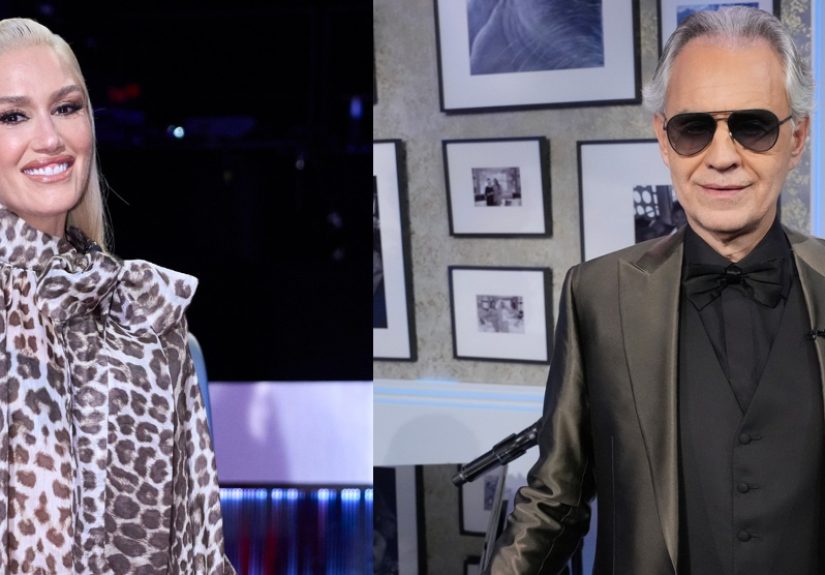
Every so often, a musical collaboration arrives that makes the internet collectively pause, blink twice, and ask, “Wait… these two?” That is exactly what happened when Gwen Stefani, the pop-rock fashion icon, longtime No Doubt frontwoman, solo hitmaker, and beloved coach on The Voice, joined forces with legendary Italian tenor Andrea Bocelli for the emotional duet “Holding On.” On paper, the pairing sounds unexpected. In practice, it works like a velvet blazer at a black-tie rodeo: surprising, dramatic, and somehow perfectly styled.
The duet quickly became a talking point among The Voice fans, Gwen loyalists, Bocelli admirers, and casual listeners who wandered into the lyric video expecting a pleasant ballad and left wondering why no one had booked a live television performance yet. “Holding On” appears on Bocelli’s 30th-anniversary project Duets, a career-spanning album that gathers some of his most memorable collaborations while adding new recordings with major artists from pop, country, Latin music, and beyond.
For Stefani, the song arrived during a particularly busy creative season. She was back in the public eye as a coach on The Voice Season 26, while also promoting new music from her 2024 album Bouquet. For Bocelli, “Holding On” fit into a larger celebration of three decades of music, a reminder that his voice has never been confined to one genre, one audience, or one type of duet partner. Together, they created the kind of cross-genre moment fans love to debate, replay, and recommend with the urgency of someone sharing a life-changing cookie recipe.
Why Gwen Stefani and Andrea Bocelli Surprised Fans
The excitement around “Holding On” begins with the fact that Gwen Stefani and Andrea Bocelli come from very different musical worlds. Stefani’s career was built on ska, punk-pop, new wave, dance-pop, radio-ready hooks, and a fearless sense of visual identity. Bocelli, meanwhile, is globally known for classical crossover, operatic power, Italian romance, and performances that can make a concert hall feel like a cathedral.
That contrast is exactly why the duet caught attention. Fans did not react simply because two famous names were attached to one song. They reacted because the pairing felt unpredictable. Stefani’s voice has always carried a bright, emotional edge. She can sound playful, wounded, rebellious, romantic, and conversational all in the same phrase. Bocelli’s voice, by contrast, is grand, rounded, and cinematic. When those qualities meet, “Holding On” becomes less of a stunt collaboration and more of a vocal conversation between two artists who understand how to sell emotion without over-explaining it.
It is also the kind of collaboration that makes sense once listeners get past the initial surprise. Stefani has never been a one-lane artist. From No Doubt’s “Don’t Speak” to solo pop hits like “Hollaback Girl,” from Christmas music to country-leaning duets with Blake Shelton, she has spent decades moving through different sounds while still remaining unmistakably Gwen. Bocelli has also built a career on musical bridges, pairing classical technique with pop accessibility and collaborating with artists such as Céline Dion, Ed Sheeran, Sarah Brightman, Jennifer Lopez, Dua Lipa, and Shania Twain.
What Is “Holding On” About?
“Holding On” is built as an emotional ballad, the kind of song that gives both singers space to lean into vulnerability. The title itself suggests endurance, commitment, and emotional survival. It is not a flashy dance track or a novelty duet. Instead, it is designed around patience, atmosphere, and the gradual lift of two voices finding common ground.
That structure matters. A duet between Stefani and Bocelli could easily have become a vocal tug-of-war, with one artist trying to fit into the other’s lane. Instead, “Holding On” allows each singer to keep their identity. Stefani brings intimacy and pop emotion. Bocelli brings scale and classical gravitas. The song’s appeal lies in that balance. It does not ask Gwen to become an opera singer, and it does not ask Bocelli to chase radio-pop trends. It lets both artists meet in the middle, where melody matters more than genre labels.
For The Voice viewers, that is part of the fun. The show is built around the idea that voices can surprise us. A contestant walks onstage, sings a few lines, and suddenly a coach hears something unexpected. “Holding On” creates a similar feeling. The first reaction may be curiosity, but the second reaction is often admiration. It reminds listeners that great collaborations do not always require obvious chemistry. Sometimes, the best musical matches are the ones nobody had on their bingo card.
How Fans Reacted to the Duet
Fan reaction was enthusiastic, especially after the lyric video became available online. Many listeners praised the beauty of the song, the contrast between the two voices, and the emotional tone of the performance. Some fans admitted they had never imagined Stefani and Bocelli recording together, but that the result was surprisingly moving. Others immediately began asking for a televised performance, which is understandable. A Gwen-and-Bocelli live duet would be exactly the kind of TV moment that makes people stop folding laundry and actually look at the screen.
The most common reaction was surprise followed by approval. That is an important detail because surprise alone does not make a collaboration successful. The internet is surprised by many things, including celebrity haircuts, questionable award-show outfits, and sandwiches that cost $27. But “Holding On” generated conversation because listeners felt the pairing worked. It gave fans something fresh without feeling forced.
The Voice fans also had an extra reason to care. Stefani is not just a recording artist to that audience; she is a coach, mentor, and television personality. Viewers have watched her evaluate singers, talk about tone, encourage contestants, and bring her own musical instincts into the coaching chair. Hearing her step into a duet with one of the world’s most recognizable tenors gave fans a new example of her range. It was not Gwen the coach giving advice. It was Gwen the artist taking a creative leap.
Why This Collaboration Fits Gwen Stefani’s Career
Gwen Stefani’s career has always been about reinvention with a strong signature. She can change the setting, but she does not disappear into it. That is why her move from alternative-pop queen to solo pop star felt bold rather than random. It is also why her later country-influenced work and romantic duets with Blake Shelton did not erase her earlier identity. They expanded it.
“Holding On” continues that pattern. It places Stefani in a more classical, cinematic space, but it does not sand away her personality. Her voice remains recognizably hers: clear, expressive, slightly aching, and emotionally direct. That is a big reason the duet has gained attention. Fans are not hearing Gwen imitate a classical singer. They are hearing Gwen bring her own emotional language into Bocelli’s world.
This matters for SEO readers and music fans alike because Stefani’s longevity has never depended only on nostalgia. Yes, fans still love No Doubt. Yes, “Don’t Speak” remains one of the great heartbreak anthems of the 1990s. And yes, people will probably be spelling “bananas” in their heads every time “Hollaback Girl” comes on until the end of civilization. But Stefani’s staying power comes from movement. She keeps trying new combinations, new aesthetics, and new emotional tones.
Why Andrea Bocelli Keeps Choosing Unexpected Duets
Andrea Bocelli’s Duets project is not just a greatest-hits collection with extra sparkle. It reflects one of the defining themes of his career: collaboration as connection. Bocelli has often treated the duet form as a meeting place between traditions. Classical and pop. Italian and English. Opera and contemporary songwriting. Global superstar and rising voice. His catalog shows that he is less interested in keeping genres in separate rooms and more interested in opening all the doors and letting the music introduce itself.
That philosophy helps explain why “Holding On” belongs on the album. Bocelli’s voice brings grandeur, but his duet partners often bring a different emotional texture. With Stefani, the texture is intimate and modern. She does not compete with him for sheer vocal size. Instead, she offers contrast. Her tone gives the song a human closeness, while Bocelli’s performance lifts it into something larger and more theatrical.
This is also why Bocelli’s collaborations continue to attract new generations of listeners. A longtime fan might come for the tenor. A pop fan might come for Gwen. A curious The Voice viewer might come because the pairing sounds unusual. By the end, those audiences overlap. That is the hidden power of a well-chosen duet: it does not just combine two artists; it combines their listeners.
The Voice Connection: Why Fans Were Especially Invested
Gwen Stefani’s relationship with The Voice has shaped how many viewers see her. She is not merely a celebrity judge occupying a red chair. Over multiple seasons, she has become part of the show’s emotional rhythm. Fans have watched her champion young singers, react with visible excitement during blind auditions, and bring a mix of pop expertise, stage experience, and big-sister encouragement to her team.
That context made “Holding On” feel especially interesting. On The Voice, Stefani spends her time responding to other people’s vocal risks. With Bocelli, she took one herself. The duet subtly reinforces what she often tells contestants: a memorable performance is not always about singing the biggest note. It is about telling the truth inside the song.
Season 26 also brought Stefani back into a panel filled with strong musical personalities, including Reba McEntire, Snoop Dogg, and Michael Bublé. That mix of country, hip-hop, pop, standards, soul, and classic showmanship made the season feel unusually genre-fluid. Against that backdrop, Stefani’s duet with Bocelli did not feel like a random side quest. It felt connected to the same larger idea that makes The Voice work: different musical backgrounds can collide in beautiful ways.
What Makes the Vocal Blend Work?
The secret to “Holding On” is restraint. With two recognizable artists, the temptation could have been to make every second enormous. Instead, the duet gives the voices room to breathe. Bocelli’s phrasing brings elegance and emotional weight, while Stefani’s delivery adds a contemporary softness. Their tones are different enough to create interest but compatible enough to avoid sounding like two separate songs accidentally sharing a parking spot.
Stefani’s voice has always had a slight tremble of feeling, even in her most upbeat songs. That quality works well in a ballad because it makes the performance feel personal. Bocelli’s voice, meanwhile, carries a natural sense of ceremony. When he enters, the song expands. The contrast creates a push and pull: private emotion meeting public grandeur.
That dynamic is exactly what fans noticed. The collaboration does not erase the difference between them. It uses the difference. In a streaming era where many songs are built to fit playlists neatly, “Holding On” feels refreshingly specific. It is a pop-classical duet with emotional sincerity, and it asks listeners to slow down rather than scroll past.
Could Gwen Stefani and Andrea Bocelli Perform “Holding On” Live?
One of the biggest fan wishes surrounding the duet is a live performance. The request makes perfect sense. “Holding On” has the structure and drama of a song made for a major stage. Imagine the lighting dimmed, a full orchestra or elegant band arrangement, Bocelli standing center stage with his unmistakable presence, and Stefani entering with that cool California glamour she has somehow made timeless. The internet would not simply talk. It would become a choir of reaction GIFs.
A live performance would also give the song a second life. Many duets gain deeper emotional impact when listeners can see the chemistry between artists. Because Stefani and Bocelli come from such different musical backgrounds, watching them interpret the song together could make the collaboration feel even more powerful. It would show the mutual respect behind the recording and give fans the visual moment they have been asking for.
Whether that performance happens or not, the demand itself says something important: fans believe the duet has more room to grow. They do not hear it as a one-time curiosity. They hear it as a song worthy of a spotlight.
Why “Holding On” Works in Today’s Music Climate
Modern music culture loves contrast. Streaming has trained listeners to jump from country to K-pop, from hip-hop to classical crossover, from 1990s nostalgia to brand-new releases in a single commute. In that environment, a duet between Gwen Stefani and Andrea Bocelli does not feel as strange as it might have twenty years ago. It feels like a natural product of a world where genre borders are more like polite suggestions.
Still, the duet succeeds because it is not trying too hard to be trendy. “Holding On” is not chasing a viral dance or forcing a remix-ready hook. Its appeal is old-fashioned in the best way: two distinctive voices, a sincere melody, and a mood that invites repeat listening. That gives it a different kind of staying power. It may not be the loudest song in the room, but it is the one people remember because it feels honest.
For Stefani, it shows artistic curiosity. For Bocelli, it reinforces his reputation as a master collaborator. For fans, it offers the thrill of hearing something they did not know they wanted.
Experience: Listening to the Duet as a Voice Fan
Listening to “Holding On” through the lens of a The Voice fan is a unique experience because the show trains viewers to pay attention to tone, phrasing, and emotional choices. After watching coaches turn their chairs for singers based on just a few seconds of sound, fans become amateur vocal detectives. Suddenly everyone has opinions about breath control, rasp, vibrato, and whether a singer “connected to the lyric.” Thanksgiving dinner has never been the same.
That makes Stefani’s performance especially interesting. On The Voice, she often encourages contestants to bring identity into a song rather than simply sing it correctly. “Holding On” gives listeners a chance to hear her follow that same advice. She does not attempt to overpower Bocelli. She does not decorate every line. She leans into feeling, allowing her tone to carry vulnerability. For fans who know her as a coach, that choice feels authentic.
The duet also highlights how different voices can create emotional balance. Bocelli’s performance brings the sweep, the grandeur, and the sense that the song is reaching toward something beyond ordinary heartbreak. Stefani brings the human scale. She sounds close to the listener, almost conversational at moments. Together, those qualities make the song feel both intimate and cinematic.
As a listening experience, “Holding On” is the kind of track that rewards a quiet room. It is not background music for vacuuming unless you vacuum with theatrical sorrow, in which case, honestly, respect. The song works best when the listener can notice how the voices move around each other. The blend is not obvious at first, which is part of its charm. It grows more convincing as the song unfolds.
There is also a nostalgic pleasure in hearing Gwen Stefani continue to surprise people. Many fans grew up with one version of her: the bindi-wearing, red-lipsticked, ska-pop star who made heartbreak sound stylish. Others met her through solo pop. Some discovered her through The Voice or her music with Blake Shelton. “Holding On” adds another layer to that long public story. It says that an artist can be familiar without becoming predictable.
For Bocelli fans, the duet offers a similar reward. He has built a career on making technically impressive singing feel emotionally accessible. Pairing with Stefani introduces a different color into his catalog, one that feels modern without abandoning his signature elegance. The result is not a pop singer visiting classical music like a tourist. It is two artists meeting in a shared emotional space.
That is why fans keep talking about it. “Holding On” is not just surprising because of the names. It is surprising because it works better than expected. It proves that musical chemistry does not always look obvious from a distance. Sometimes it appears only after the first chorus, when the listener realizes the unusual pairing has become the whole point.
In the end, Gwen Stefani and Andrea Bocelli’s duet is a reminder of why music fans love collaborations in the first place. They offer possibility. They let artists step outside familiar rooms. They give listeners a reason to hear a voice differently. And when the result is this sincere, polished, and emotionally generous, the fan conversation is not a mystery. It is the natural reaction to two artists holding on to the same song from opposite ends of the musical universe and somehow meeting right in the middle.
Conclusion
Gwen Stefani and Andrea Bocelli’s “Holding On” is the kind of duet that turns surprise into admiration. It brings together two instantly recognizable voices from different musical worlds and allows each to remain distinct while creating something emotionally unified. For The Voice fans, the collaboration feels especially meaningful because it shows Stefani practicing the same artistic courage she often encourages in contestants. For Bocelli fans, it adds another elegant chapter to a career built on unforgettable vocal partnerships.
The reaction makes sense. The duet is unexpected, graceful, and memorable. It gives listeners a fresh reason to talk about Stefani’s range, Bocelli’s timeless appeal, and the magic that can happen when artists take a creative risk. In a crowded music landscape, “Holding On” stands out not because it shouts the loudest, but because it feels sincere. And sometimes, that is exactly what keeps fans pressing replay.
Note: This article is written as original web-ready editorial content based on publicly available information about Gwen Stefani, Andrea Bocelli, The Voice, and the song “Holding On.”