Table of Contents >> Show >> Hide
- How Long Garlic Takes to Grow, Start to Finish
- Why Garlic Takes So Long
- Hardneck vs. Softneck: Does Type Change the Timeline?
- When to Plant Garlic for the Best Results
- How to Grow Garlic So It Actually Finishes Strong
- How to Know When Garlic Is Ready to Harvest
- Don’t Forget the Curing Stage
- How Long Garlic Takes in Different Growing Situations
- Common Reasons Garlic Takes Longer or Turns Out Small
- The Bottom Line on Garlic’s Growing Time
- Real-World Garlic Growing Experiences: What Gardeners Usually Learn the Hard Way
- SEO Tags
Garlic is one of those crops that teaches patience in the most delicious way possible. You tuck a clove into the soil, cover it with mulch, and then spend months wondering whether you planted dinner or a trust fall. The good news is that garlic is not hard to grow. The slightly annoying news is that it is not exactly fast. If you want full bulbs instead of tiny, sad little almost-garlics, timing matters.
So, how long does garlic actually take to grow? In most home gardens, garlic takes about 8 to 9 months from planting cloves in fall to harvesting mature bulbs in early to midsummer. If you count only the period of active spring growth, many gardeners think of it as roughly 90 days of real bulking up. Both ideas are true. Garlic spends part of its life quietly rooting, part of it surviving winter, and part of it racing toward bulb formation when the days get longer and the weather warms.
That long timeline is exactly why garlic feels mysterious to beginners. It does not behave like lettuce, radishes, or even green beans. Garlic is a long-game crop. Plant it in the fall, forget about it just enough, then get very emotionally attached to it in late spring.
How Long Garlic Takes to Grow, Start to Finish
If you want the simplest answer, here it is: plant garlic in fall and harvest it the following summer. In many parts of the United States, that means planting from September through November and harvesting from June through July, though exact timing depends on your region, variety, and weather.
A realistic garlic timeline
Here is what the average garlic growing cycle looks like:
1. Fall planting: Garlic cloves are usually planted 4 to 6 weeks before the ground freezes, or around 1 to 2 weeks after the first killing frost in colder areas. During this stage, cloves begin developing roots.
2. Winter rest: Growth above ground slows or pauses, but the plant is not doing nothing. The clove is establishing itself and preparing for spring.
3. Spring wake-up: As temperatures rise, green shoots return or accelerate. This is when garlic starts looking like it means business.
4. Late spring bulbing: Longer daylight triggers bulb formation. This is the part where proper watering, nutrition, and weed control really matter.
5. Early to midsummer harvest: Once several leaves have browned and a few are still green, bulbs are usually ready to lift.
6. Curing period: After harvest, garlic needs another 2 to 4 weeks of curing in a warm, shady, airy place before long-term storage.
So yes, garlic “grows” for months, but it is not in a hurry. It is more of a slow-cooker crop than a microwave crop.
Why Garlic Takes So Long
Garlic is usually grown from individual cloves, not seed. Each clove must first root, survive cold weather, then build leaves, and finally form a mature bulb with multiple wrapped cloves. That full cycle takes time. Garlic also responds to temperature and day length, which is why it performs best when planted in fall in most climates.
Cold exposure helps trigger proper bulb development. This is one reason fall-planted garlic typically produces larger, better-formed heads than spring-planted garlic. Spring planting can work, especially if cloves are chilled first, but the harvest is often smaller and less impressive. Think of spring garlic as the shortcut route. Sometimes it gets you there, but maybe not in first class.
Hardneck vs. Softneck: Does Type Change the Timeline?
Yes, a little. The two main types of garlic are hardneck and softneck, and while both usually follow the same general fall-to-summer schedule, they behave a bit differently.
Hardneck garlic
Hardneck garlic does especially well in colder climates. It usually produces fewer cloves per bulb, but the cloves are often larger and easier to peel. Hardneck varieties also produce scapes, those curly flower stalks that gardeners get weirdly excited about for good reason. Scapes appear in late spring or early summer and are usually removed to help the plant focus on bulb size.
Softneck garlic
Softneck garlic is more commonly grown in milder climates and often stores longer than hardneck types. It usually has more cloves per bulb and does not produce a central flower stalk in the same way. If you love braided garlic hanging in the kitchen like you are starring in a rustic cooking show, softneck is your friend.
In either case, the overall growing window is still usually around 8 to 9 months for a fall planting.
When to Plant Garlic for the Best Results
Garlic is happiest when planted in fall. That gives cloves time to root before winter without wasting too much energy on top growth. In colder northern areas, planting may happen in September or October. In warmer regions, October through November is often ideal, and some gardeners plant even later depending on local conditions.
The goal is simple: give the clove enough time to settle in before deep winter arrives. Plant too early, and you may get too much tender top growth before hard freezes. Plant too late, and roots may not develop well enough for strong spring growth.
Can you plant garlic in spring?
Yes, but it is usually not the first choice. Spring-planted garlic can produce bulbs, especially if cloves have been chilled for several weeks first, but the bulbs are often smaller. If you missed the fall window, spring planting is better than not planting garlic at all. That said, if your dream is a harvest of chunky, beautiful bulbs, fall is the smarter move.
How to Grow Garlic So It Actually Finishes Strong
Garlic may take a long time, but most of the work is pretty straightforward. The secret is setting it up well at the start.
Choose the right site
Garlic wants full sun and well-drained soil. Heavy, soggy soil is the quickest way to disappoint yourself. If your garden tends to stay wet, use a raised bed or improve drainage with organic matter.
Plant good cloves, not random sad grocery garlic
Use healthy seed garlic whenever possible. Large, firm cloves usually produce better bulbs than tiny ones. Grocery store garlic may sprout, but it can be poorly suited to your climate or treated in ways that reduce performance. Garlic is picky in a very quiet, passive-aggressive way.
Plant it correctly
Separate the bulb into individual cloves right before planting. Place each clove pointy side up, about 2 to 3 inches deep. Space cloves roughly 4 to 6 inches apart, with enough room between rows for airflow and maintenance.
Mulch like you mean it
A thick mulch layer helps moderate soil temperature, suppress weeds, and protect cloves through winter. Straw, shredded leaves, or clean mulch materials work well. In many gardens, garlic pushes through mulch in spring like it has a personal grudge against being ignored.
Water evenly
Garlic likes steady moisture, especially during active spring growth and bulb development. It does not want wet feet, but it also does not want to dry out repeatedly. Uneven watering can reduce bulb size.
Feed it enough
Garlic is not the heaviest feeder in the garden, but it is not living on compliments either. It appreciates fertile soil and often benefits from extra nitrogen in spring while leaves are growing. Once bulb formation is underway, overly lush top growth matters less than balanced conditions.
Keep weeds under control
Young garlic does not compete well with weeds. Let the bed get messy, and weeds can steal moisture, light, and nutrients. Garlic is patient, but it does not enjoy being bullied.
How to Know When Garlic Is Ready to Harvest
This is the moment gardeners obsess over, because harvesting too early or too late can both reduce quality.
In general, garlic is ready when some lower leaves have browned but several upper leaves are still green. Many growers look for roughly one-third to one-half of the leaves to turn yellow or brown. Another clue is that the bulb feels divided into distinct cloves, but the outer wrappers are still intact.
What happens if you harvest too early?
The bulbs may be small, and the wrappers may not be fully developed. That means shorter storage life and less impressive heads.
What happens if you harvest too late?
The wrappers may split, cloves can separate, and storage quality drops. In other words, the bulb starts falling apart just when you were ready to admire it.
If you are unsure, lift one test bulb first. Garlic is forgiving, but not psychic. A sample check saves guesswork.
Don’t Forget the Curing Stage
Technically, garlic may be harvested in summer, but it is not fully ready for long storage the second it leaves the ground. Freshly dug bulbs need to cure in a warm, dry, shaded place with good air circulation. This usually takes about 2 to 4 weeks.
During curing, the outer wrappers dry, necks tighten, and the bulb becomes better suited for storage. Trim roots and tops only after curing if needed. Properly cured garlic can last for months, especially many softneck varieties.
How Long Garlic Takes in Different Growing Situations
Outdoor fall planting
This is the gold standard. Expect about 8 to 9 months from planting to harvest, plus curing time.
Spring planting
This is shorter on paper, but often less rewarding. You may get a smaller summer harvest, or bulbs may be less fully developed. Pre-chilling the cloves improves the odds.
Growing garlic in pots
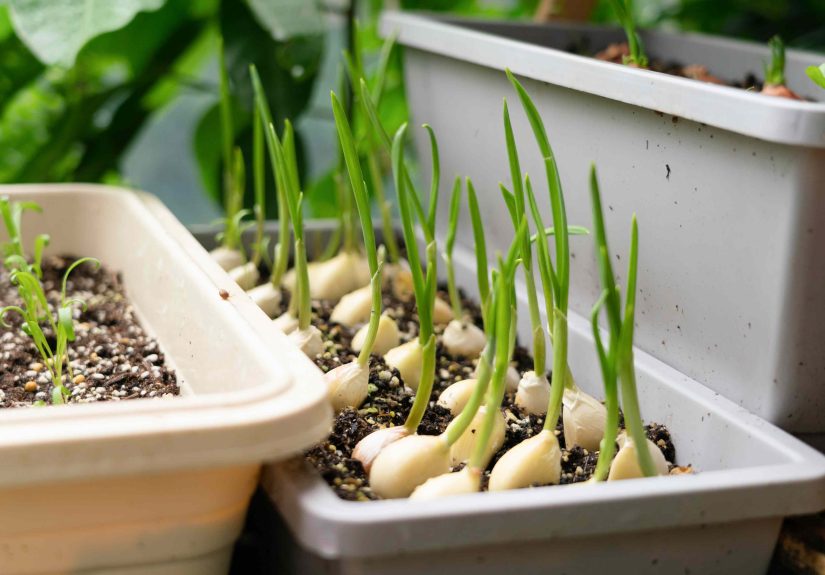
Garlic can grow in containers if the pot is deep enough, drains well, and gets plenty of sun. The timeline is similar, though container-grown garlic can be more sensitive to drying out or temperature swings.
Growing for garlic greens only
If you only want tender green shoots, the wait is much shorter. Garlic greens can be clipped relatively early, long before full bulbs form. But if your goal is bulb harvest, patience is not optional.
Common Reasons Garlic Takes Longer or Turns Out Small
When garlic disappoints, it usually comes down to a handful of issues:
Planted too late: Poor root establishment before winter can slow development.
Too much shade: Garlic needs good sunlight for strong bulb formation.
Wet soil: Soggy conditions can cause rot and weak growth.
Tiny planting cloves: Small cloves often make smaller bulbs.
Too many weeds: Garlic does not compete well.
Spring planting without chilling: Bulbs may not size up well.
Harvest timing mistakes: Even well-grown garlic can lose quality if lifted at the wrong moment.
The Bottom Line on Garlic’s Growing Time
If you plant garlic expecting quick results, you may end up staring at the bed in April like it owes you money. But if you understand the timeline, garlic suddenly makes perfect sense. It is a crop built for gardeners who can think ahead.
For most people, the honest answer to “How long does garlic take to grow?” is this: about 8 to 9 months from fall planting to summer harvest, followed by 2 to 4 weeks of curing. That is the timeline for beautiful, mature bulbs. You can speed your way to garlic greens, but not to great heads of garlic. Good garlic takes time, a decent bed, and a little restraint when you are tempted to dig too soon.
And honestly, that is part of the fun. Garlic asks you to trust the process, survive winter together, and then celebrate with a harvest that makes your kitchen smell like every good recipe decision you have ever made.
Real-World Garlic Growing Experiences: What Gardeners Usually Learn the Hard Way
One of the most relatable things about growing garlic is that nearly every gardener starts with the same innocent thought: “How hard can it be?” Then the months begin. The mulch shifts. Winter arrives. Spring finally shows up. And suddenly that one little clove has become a full-season relationship.
A common first-year experience is surprise at just how slow garlic feels. You plant it in fall, and then absolutely nothing dramatic happens for a while. If you are used to fast vegetables, garlic can seem suspiciously calm. But experienced growers learn that this quiet phase is normal. Garlic is doing important root work below the surface long before it starts putting on a show above ground.
Another lesson gardeners often mention is that bigger planting cloves really do matter. It is tempting to use every clove from a bulb, including the tiny interior ones, because throwing away potential plants feels rude. But people who do this often notice that the biggest cloves produce the strongest plants and the best bulbs. Garlic is one of those crops where quality in really does improve quality out.
Many growers also learn that mulch is not optional fluff. In beds with good mulch, garlic usually comes through winter better, weeds are easier to manage, and soil moisture is more even. In unmulched beds, gardeners often end up battling weeds, temperature swings, and dried-out soil. Garlic does not complain out loud, but it absolutely keeps score.
Then there is the harvest lesson, which is usually learned through either impatience or overconfidence. Beginners often pull garlic too early because they are excited, or too late because they are waiting for every leaf to die back. Both mistakes are common. The most successful growers usually become test-diggers. They pull one bulb, inspect it, and then decide whether the rest of the bed is ready. It is a small habit that saves a lot of regret.
Gardeners who grow hardneck garlic also tend to become unexpectedly passionate about scapes. At first, scapes seem like weird curly extras. Then someone sautés them, blends them into pesto, or tosses them into eggs, and suddenly garlic season gets a bonus round. That is one of the joys of the crop: it gives you stages to look forward to, not just a final harvest.
Maybe the biggest real-world experience, though, is the feeling of harvesting your own cured bulbs and realizing they last for months. Homegrown garlic often feels more satisfying than many other crops because it is useful every week in the kitchen. You are not just admiring it for a day. You are reaching for it again and again, remembering that you planted those cloves long before the season even looked promising. Garlic turns patience into pantry confidence, which is a very nice trade.