Table of Contents >> Show >> Hide
- The short answer: yes, but not in the way social media says
- What the science actually says about food and fertility
- Foods and nutrients that may support fertility
- 1. Leafy greens, beans, and fortified grains for folate
- 2. Fatty fish for omega-3 fats
- 3. Olive oil, nuts, seeds, and avocado for healthy fats
- 4. Whole grains and fiber-rich carbohydrates
- 5. Berries, citrus, tomatoes, peppers, and other colorful produce
- 6. Beans, lentils, eggs, yogurt, poultry, and seafood for protein
- Foods and habits that may work against fertility
- Fertility nutrition is not just for women
- What about PCOS, weight, and ovulation?
- What food cannot do
- How to eat for fertility without making yourself miserable
- Real-world experiences: what people often notice when they shift to a fertility-supportive diet
- Conclusion
- SEO Tags
If you were hoping for a single magical food that turns your reproductive system into a five-star concierge service, I regret to inform you that fertility does not work like a movie montage. There is no enchanted avocado, no prophetic smoothie, and no scientifically blessed bowl of pasta that guarantees pregnancy. But food still matters a lot.
The best evidence suggests that fertility is influenced less by one “superfood” and more by your overall eating pattern, your weight, your metabolic health, and the daily habits that affect hormones, ovulation, sperm quality, and inflammation. In other words, the question is not really, “Can blueberries make me fertile?” It is, “Can a smart, balanced diet support the body systems that fertility depends on?” That answer is a pretty solid yes.
For women, nutrition can affect ovulation, hormone regulation, and preconception health. For men, it can influence sperm count, motility, shape, and overall reproductive function. A healthy dietary pattern also tends to travel with other fertility-friendly habits, such as better sleep, more stable blood sugar, less inflammation, and fewer nutritional gaps. None of that is flashy. All of it is useful.
The short answer: yes, but not in the way social media says
Certain foods may support fertility, but not because they are miracle ingredients. The strongest evidence points to a Mediterranean-style or generally whole-food eating pattern: plenty of vegetables, fruits, legumes, whole grains, nuts, seeds, fish, and healthy fats such as olive oil. This kind of diet appears to support reproductive health better than a pattern built around ultra-processed snacks, sugary drinks, trans fats, and heavy alcohol use.
That means fertility nutrition is more “build a healthy plate most days” and less “eat one special thing while standing under a full moon.” A bit less cinematic, yes. A bit more evidence-based, also yes.
What the science actually says about food and fertility
Researchers studying fertility diets keep landing on the same theme: overall dietary patterns matter more than individual foods. Higher-quality diets are linked with better fertility outcomes in both women and men, while lower-quality diets are more often associated with poorer ovulation, metabolic issues, and lower semen quality.
That does not mean food can cure infertility. If someone has blocked fallopian tubes, severe endometriosis, diminished ovarian reserve, untreated thyroid disease, or significant male factor infertility, changing breakfast is not going to solve the entire problem. Food is support, not sorcery.
Still, support matters. Reproductive health is deeply tied to cardiovascular health, insulin sensitivity, inflammation, and hormone balance. The same foods that help your heart, blood sugar, and long-term health often help create a better environment for conception, too. Your body is efficient like that. Annoyingly complicated, but efficient.
Foods and nutrients that may support fertility
1. Leafy greens, beans, and fortified grains for folate
Folate is a major player in preconception health. Dark leafy greens, lentils, black beans, asparagus, avocado, and folate-fortified grains all help. Folate supports cell growth and DNA synthesis, which matters before and during early pregnancy.
There is one important twist: food folate is great, but many people trying to conceive are also advised to take a prenatal vitamin with folic acid. That is because folic acid intake before pregnancy is strongly recommended for fetal development, especially to reduce the risk of neural tube defects. So yes, spinach is welcome to the party, but it may need a prenatal-vitamin plus-one.
2. Fatty fish for omega-3 fats
Salmon, sardines, trout, and other omega-3-rich fish are often included in fertility-supportive eating patterns. Omega-3 fats may help support hormone production, reduce inflammation, and contribute to healthy egg and sperm function. Some reviews suggest that omega-3 intake may be associated with better female fertility outcomes, though the evidence is not perfectly uniform.
If fish is not your thing, walnuts, chia seeds, and flaxseeds still bring healthy fats to the table, although fatty fish provides the long-chain omega-3s most commonly discussed in fertility research.
3. Olive oil, nuts, seeds, and avocado for healthy fats
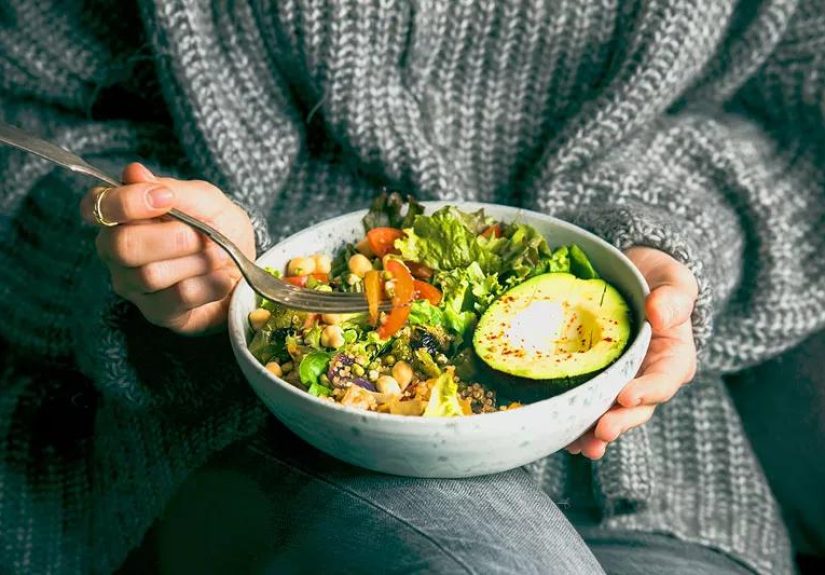
Fertility seems to like fats that come from plants and fish more than fats that come from heavily processed foods. Olive oil, almonds, walnuts, pistachios, pumpkin seeds, sesame, and avocado supply unsaturated fats, along with vitamins and plant compounds that support overall metabolic health.
That matters because fertility is not just about the reproductive organs. It is also about the environment those organs work in. Better insulin sensitivity, lower inflammation, and better cardiovascular health can all support reproductive function.
4. Whole grains and fiber-rich carbohydrates
Whole grains such as oats, brown rice, barley, quinoa, and whole-wheat bread may help support steadier blood sugar and insulin levels, especially when compared with refined carbohydrates. That is particularly relevant for people with insulin resistance or polycystic ovary syndrome, commonly known as PCOS.
When blood sugar shoots up and crashes down all day, hormone regulation may get dragged along for the ride. Choosing slower-digesting, fiber-rich carbs can help create a more stable metabolic setting, which is a lot kinder to ovulation than the “coffee and pastry, then regret” meal plan.
5. Berries, citrus, tomatoes, peppers, and other colorful produce
Colorful fruits and vegetables deliver antioxidants such as vitamin C, carotenoids, and polyphenols. These nutrients help the body manage oxidative stress, which has been studied in relation to egg quality, sperm quality, and reproductive function. That does not mean strawberries are tiny fertility technicians. It means a diet rich in produce gives the body useful tools.
A simple rule of thumb works well here: the more color on the plate, the less likely your meal came from a crinkly package with a shelf life longer than your last situationship.
6. Beans, lentils, eggs, yogurt, poultry, and seafood for protein
Protein matters, but the source may matter too. Some research suggests that plant-forward eating patterns, including legumes and nuts, are linked with better fertility outcomes. Lean animal proteins such as eggs, poultry, fish, and yogurt can also fit well into a fertility-supportive diet. The main idea is to lean toward minimally processed protein sources rather than processed meats and heavily fried options.
Eggs also provide choline and high-quality protein. Yogurt and kefir can contribute protein and minerals. Beans and lentils bring fiber, folate, and plant protein in one economical package. Not glamorous, maybe. Very useful, definitely.
Foods and habits that may work against fertility
Ultra-processed foods and added sugar
A dietary pattern heavy in fast food, sugary drinks, desserts, and highly processed snacks may crowd out nutrients your body actually needs. It can also contribute to weight gain, insulin resistance, and inflammation, all of which can affect reproductive health.
Trans fats and heavily fried foods
The old “fertility fries” myth makes for fun internet chatter, but heavily fried foods and trans-fat-rich processed foods are not where the strongest evidence points. Healthier fat sources consistently look more supportive than industrially processed fats.
Alcohol
Alcohol is one of the least exciting but most important topics in preconception care. Heavy drinking can impair fertility, and once pregnancy occurs, alcohol is not considered safe. If you are trying to conceive, the cautious move is to limit or avoid it.
Too much caffeine
Caffeine is more nuanced. Moderate intake does not appear to be a major fertility disaster, but many experts recommend keeping it modest while trying to conceive, and under the usual pregnancy guidance once pregnancy is possible or confirmed. Translation: your morning coffee is probably not the villain, but turning yourself into an espresso-powered weather system is not ideal either.
Fertility nutrition is not just for women
Men are half the fertility equation, which feels obvious and yet still gets skipped in way too many wellness conversations. Diet quality can affect sperm count, motility, morphology, and overall sperm health. Research increasingly suggests that healthy eating patterns rich in plant foods, healthy fats, and antioxidants may support semen quality, while diets high in sugar, excess saturated fat, and heavily processed foods may do the opposite.
For men, a practical fertility-supportive plate looks familiar: vegetables, fruit, whole grains, nuts, seeds, legumes, fish, and minimally processed proteins. This is not exotic. It is just consistent. Fertility often rewards consistency more than drama.
What about PCOS, weight, and ovulation?
If you have PCOS, diet can matter even more because insulin resistance often plays a central role. Eating patterns that emphasize fiber, protein, healthy fats, and less refined sugar may help improve blood sugar control and support more regular ovulation. In some people with PCOS, even modest weight loss can improve cycle regularity.
At the same time, fertility is not a moral report card about body size. Both undernutrition and excess weight can interfere with reproductive function, but extreme dieting is not the answer. Crash diets, detoxes, and punishing food rules can backfire by increasing stress and making nutrition less sustainable. The goal is a nourished body, not a nutritionally anxious one.
What food cannot do
Food can support fertility, but it cannot diagnose why pregnancy is not happening. If you have irregular or absent periods, known reproductive health issues, a history of miscarriage, or you have been trying to conceive without success, nutrition should be part of the plan not the whole plan.
That is especially important because time matters. Many people lose months or years chasing “natural fertility hacks” when they really need an evaluation, treatment, or both. A healthy lunch is helpful. It is not a substitute for medical care.
How to eat for fertility without making yourself miserable
The smartest fertility diet is usually the one you can actually live with. Try building meals around vegetables, fruit, beans, whole grains, eggs, fish, yogurt, nuts, seeds, and olive oil. Swap sugary drinks for water or unsweetened options. Choose snacks with protein and fiber. Keep alcohol limited. Aim for a healthy weight if needed, but do it gently and sustainably.
And please do not panic if your diet is not perfect. Fertility is influenced by patterns over time, not by one slice of birthday cake or one week of takeout when life got chaotic. A solid plan repeated often beats a “perfect” plan that lasts three days and ends in cereal eaten over the sink.
Real-world experiences: what people often notice when they shift to a fertility-supportive diet
In real life, the experience of eating for fertility usually begins in a very unglamorous way: someone decides they are tired of googling “best foods to get pregnant fast” at 11:47 p.m. and starts making a few realistic changes. They add breakfast instead of skipping it. They stop treating coffee as a food group. They throw spinach into eggs, swap chips for almonds, and remember that dinner does not always have to arrive in a paper bag.
Within a few weeks, many people do not report some dramatic movie-scene revelation. What they notice first is steadier energy. Afternoon crashes are less intense. Hunger feels less chaotic. Sleep may improve. Bloating may calm down. For people with irregular eating habits before, this can feel surprisingly emotional, because eating better often creates the first sense that their body is working with them instead of against them.
Some women, especially those with insulin resistance or PCOS, notice that their cycles become a bit more predictable after they move toward more fiber, more protein, fewer refined carbs, and less sugar-heavy snacking. Not magically. Not overnight. But enough to make ovulation tracking less like decoding a mystery novel written by a trickster. Others notice they are simply less inflamed, less puffy, and more stable from week to week.
Men often describe the shift differently. They may not feel their sperm “improving,” obviously, because the body is not in the habit of sending performance reviews. But they often report feeling better overall when they cut back on alcohol, eat more whole foods, and stop living on takeout and energy drinks. That matters, because reproductive health rarely exists in isolation from general health. Better food choices often travel with better sleep, more exercise, and fewer habits that quietly sabotage fertility.
Another common experience is psychological relief. A balanced fertility-supportive diet gives people something constructive to do without promising the impossible. It can reduce the helplessness that often comes with trying to conceive. There is comfort in building a routine that supports your body, even when the timeline is uncertain. It turns “I’m waiting” into “I’m preparing,” and that emotional shift can be powerful.
That said, many people also learn an important lesson the hard way: a perfect diet does not guarantee pregnancy. Some do everything “right” and still need medication, IVF, surgery, or a deeper infertility workup. That does not mean the healthy eating effort was wasted. It means fertility is complex. Food can improve the odds, support treatment, and strengthen overall health, but it cannot overrule biology every time.
The most grounded experience, then, is this: people often feel stronger, more informed, and more in control when they eat well for fertility. Their routines improve. Their health often improves. Sometimes their cycles, lab values, or semen parameters improve too. But the biggest win may be that they stop chasing miracle foods and start building a lifestyle that is genuinely supportive for conception, for pregnancy, and for health far beyond the two-week wait.
Conclusion
So, can certain foods increase your fertility? In a narrow, magical, “eat this and get pregnant” sense, no. In a broader, evidence-based, “can a healthy eating pattern improve the conditions that fertility depends on?” sense, absolutely.
The most promising approach is not to obsess over one food. It is to eat mostly whole, nutrient-dense foods; get enough folate; prioritize healthy fats; include fiber-rich carbs and quality protein; and cut back on the habits that undermine reproductive health. Think Mediterranean-style, not miracle-snack style.
Fertility is complicated, and food is only one piece of the puzzle. But it is a meaningful piece one that can support hormones, ovulation, sperm health, and future pregnancy health at the same time. That is not hype. That is a pretty good return on a grocery list.