Table of Contents >> Show >> Hide
- What Is the Stapleton Bench?
- Why American Black Walnut Matters
- The Design Power of Black Lacquered Legs
- The Leather Cushion: Comfort Meets Craft
- Where to Use a Stapleton Bench in the Home
- Interior Styles That Pair Well With the Stapleton Bench
- How to Style the Stapleton Bench
- Care and Maintenance Tips
- Buying Considerations Before Choosing a Stapleton Bench
- Why the Stapleton Bench Still Feels Relevant
- Experience Section: Living With and Styling a Stapleton Bench
- Conclusion
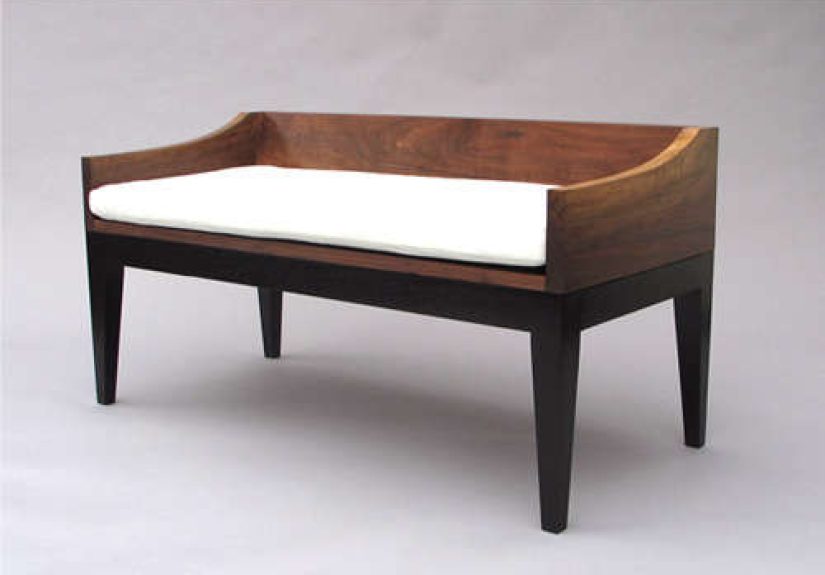
The Stapleton Bench is the kind of furniture piece that understands the assignment before anyone says a word. It is simple, grounded, elegant, and quietly confidentthe furniture equivalent of someone who wears a perfectly tailored black jacket and somehow never spills coffee on it. Designed by James Murphy Design, the Stapleton Bench has been noted for its refined combination of American black walnut, black lacquered legs, and a topstitched leather cushion. That mix gives it a rare design balance: warm but crisp, sculptural but usable, modern but not so trendy that it starts begging for attention.
In a home, a bench often plays the supporting role. It helps you put on shoes, holds a bag, catches a folded throw, or sits at the end of a bed looking effortlessly photogenic. But the Stapleton Bench does more than fill a blank wall. It brings architectural structure to a room. Its walnut body adds richness, the black legs create graphic contrast, and the leather cushion softens the whole composition. In short, it is not just a place to sitit is a design punctuation mark.
What Is the Stapleton Bench?
The Stapleton Bench is a modern furniture bench associated with James Murphy Design. Its defining materials include American black walnut, black lacquered legs, and a topstitched leather cushion. The overall impression is restrained luxury: no fussy carving, no overstuffed upholstery, no “look at me” theatrics. Instead, the bench relies on proportion, material quality, and contrast.
That restraint is exactly what makes it interesting. Many benches are either purely practical or purely decorative. The Stapleton Bench lands in the sweet spot between both. It can work in a living room, dining room, entryway, hallway, bedroom, dressing area, or office. It is visually strong enough to stand alone, yet quiet enough to pair with existing furniture without creating a design argument in the middle of the room.
Why American Black Walnut Matters
One of the standout features of the Stapleton Bench is its use of American black walnut. Walnut is prized in furniture making because it offers a deep brown color, attractive grain, moderate natural luster, and a sophisticated appearance that feels expensive without shouting. It is often used in high-end furniture, cabinetry, paneling, and custom woodwork because it finishes beautifully and brings instant warmth to interiors.
Walnut also has visual personality. Some pieces show straight grain, while others reveal waves, curls, or darker streaks. That means a walnut bench rarely looks flat or lifeless. Even in a minimalist design, the wood brings movement. It is like nature’s version of subtle patterningno wallpaper commitment required.
Warmth Without Heaviness
Black walnut is especially useful in modern interiors because it softens sharp lines. A room filled with white walls, stone floors, metal lighting, or glass surfaces can sometimes feel chilly. Add walnut, and suddenly the space has depth. The Stapleton Bench uses this quality well. Its walnut body creates warmth, while the black lacquered legs keep the piece looking crisp and contemporary.
A Premium Material With Long-Term Appeal
Walnut is considered a premium domestic hardwood. That does not mean it should be treated like a museum object, but it does mean the material deserves respect. A well-made walnut bench can age beautifully when cared for properly. Over time, the surface can develop a richer tone and a lived-in character, especially when paired with leather, another material that improves with graceful use.
The Design Power of Black Lacquered Legs
The black lacquered legs are more than a supporting structure. They give the Stapleton Bench its visual edge. Without them, the bench might lean traditional. With them, it feels more urban, more tailored, and more architectural. Black lacquer creates a clean base that frames the warmth of the walnut and echoes other dark elements in a room, such as black window frames, picture frames, lighting, hardware, or metal shelving.
This contrast is one reason the bench works across several interior styles. In a mid-century modern room, the dark legs complement clean lines and wood tones. In a transitional home, they add polish. In a contemporary loft, they help the bench feel intentional rather than rustic. In a bedroom, they keep the walnut from looking too heavy. Basically, the black legs are doing quiet design gymnasticsand sticking the landing.
The Leather Cushion: Comfort Meets Craft
The Stapleton Bench is not just a slab of wood asking you to be brave. The topstitched leather cushion adds comfort, texture, and craftsmanship. Leather brings a tactile quality that wood alone cannot provide. It also changes the mood of the piece. Walnut says warmth. Black lacquer says structure. Leather says, “Yes, you may sit here without regretting your life choices.”
Topstitching matters because it shows intention. It gives the cushion definition and makes the upholstery feel tailored rather than casual. In furniture design, small details often separate a beautiful piece from a forgettable one. A stitched cushion, a clean leg profile, a well-proportioned framethese are the quiet signals of thoughtful design.
Why Leather Works So Well on a Bench
Leather is durable, easy to style, and naturally elegant. On a bench, it offers comfort without bulk. A thick fabric cushion may feel cozy, but it can also make a bench look heavy. Leather stays visually sleek. It also pairs beautifully with walnut because both materials have organic depth. One comes from the tree, the other from traditional upholstery craft, and together they create a rich, layered look.
Where to Use a Stapleton Bench in the Home
A good bench is one of the most flexible pieces of furniture you can own. The Stapleton Bench is especially versatile because it is refined enough for formal rooms but practical enough for everyday use. It can serve as seating, a display surface, a transition piece, or a design anchor.
In the Entryway
An entryway bench is both beautiful and useful. It gives guests a place to sit, creates a landing zone for bags, and makes the front door area feel finished. The Stapleton Bench would work especially well in an entry with a large mirror, slim console, wall hooks, or modern artwork. Because it has a clean profile, it can make an entry feel curated rather than crowded.
For entryways, proportion is important. Most comfortable bench heights fall around the height of a dining chair, roughly 18 to 20 inches. Depth often works best in the 15- to 20-inch range, depending on the room. A bench that is too deep can block traffic, while one that is too shallow may feel more decorative than useful. The Stapleton Bench’s custom sizing possibilities make it especially appealing for tricky spaces.
At the End of a Bed
A bedroom bench is a classic for a reason. It gives you a place to set clothing, tie shoes, stack pillows, or pretend you are the kind of person who folds laundry immediately. At the foot of a bed, the Stapleton Bench can provide contrast. If the bed is upholstered, the wood and lacquer bring structure. If the bed is wood or metal, the leather cushion adds softness.
For the best look, the bench should usually be slightly narrower than the bed, leaving breathing room on both sides. It should also avoid blocking the visual line of the bed. A backless bench like the Stapleton style is ideal because it adds function without creating a bulky barrier.
In the Living Room
In a living room, the Stapleton Bench can act as extra seating, a low display surface, or even a coffee table alternative if used thoughtfully. Place it opposite a sofa, under a window, near a fireplace, or behind a floating seating arrangement. Because the design is clean, it can help balance softer furniture like sofas and lounge chairs.
Style it with a folded wool throw, a tray, or a few art books. Just avoid burying it under too many accessories. A bench like this has enough character on its own. Let the walnut, black lacquer, and leather do their job. They did not come all this way to be hidden under twelve decorative pumpkins.
In the Dining Room
Benches at dining tables can make a room feel more relaxed and social. The Stapleton Bench may work well along one side of a dining table, especially in a space that blends formal materials with modern lines. The leather cushion adds comfort, while the walnut can coordinate with wood dining tables, sideboards, or cabinetry.
When using any bench for dining, seat height and table clearance matter. The bench should allow comfortable legroom and easy movement. A cushion can raise the seated height, so measurements should be checked carefully before pairing it with a table.
Interior Styles That Pair Well With the Stapleton Bench
The best furniture pieces are adaptable without becoming bland. The Stapleton Bench has enough personality to be memorable, but its materials are classic enough to work in many design styles.
Modern Minimalist
In a minimalist room, the Stapleton Bench adds warmth without clutter. Its simple form fits clean spaces, while the walnut grain prevents the design from feeling sterile. Pair it with white walls, concrete floors, linen curtains, and black-framed art for a calm, gallery-like look.
Mid-Century Modern
Walnut is a natural match for mid-century modern interiors. Add the black lacquered legs and leather cushion, and the bench feels right at home with tapered furniture, sculptural lighting, and warm neutral palettes. It can sit near a low-profile sofa, a vintage credenza, or a geometric rug.
Transitional
In transitional spaces, the Stapleton Bench can bridge traditional warmth and contemporary simplicity. It pairs nicely with upholstered beds, classic rugs, framed artwork, and tailored window treatments. The design is polished but not stiff, which is exactly what transitional interiors need.
Industrial Modern
The black legs give the bench enough edge for industrial-inspired interiors. Use it with exposed brick, matte black fixtures, metal shelving, and warm wood accents. The leather cushion prevents the look from becoming too hard or warehouse-like.
How to Style the Stapleton Bench
Styling a bench is about balance. You want the piece to look intentional, not abandoned. Start with location. If the bench sits in an entryway, consider a wall mirror above it. If it lives at the foot of a bed, align it with the bed frame. If it sits in a living room, connect it to nearby furniture with a rug or repeated material.
Next, think in layers. Walnut pairs beautifully with cream, charcoal, olive, ivory, camel, brass, black, and soft gray. A leather cushion already adds texture, so keep additional accessories simple. One folded throw, one tray, or one large vase nearby is often enough.
Best Decor Pairings
For a warm modern look, pair the bench with a neutral wool rug, a ceramic table lamp, and abstract artwork. For a more classic mood, use it with a Persian-style rug, framed prints, and brass accents. For a sleek urban style, place it against a white wall with black-and-white photography and a tall indoor plant.
The secret is not to overdecorate. A bench with strong materials should breathe. Give it space, and it will reward you by making the room feel finished.
Care and Maintenance Tips
Because the Stapleton Bench combines wood, lacquer, and leather, it benefits from simple but consistent care. None of this requires heroic effort. You do not need to whisper affirmations to the walnut every morningalthough honestly, it might appreciate the attention.
For the Walnut
Dust the wood regularly with a soft, dry microfiber cloth. Avoid harsh cleaners, abrasive pads, and standing water. If a spill happens, wipe it promptly with a clean dry cloth. Keep the bench away from long periods of direct sunlight, which can cause uneven fading or color change. Also avoid placing it directly against heat sources, such as radiators or vents, because extreme dryness can affect wood over time.
For the Leather Cushion
Leather should be dusted gently and protected from direct sun and excessive heat. Blot spills instead of rubbing them. For deeper cleaning, use products appropriate for the specific leather type, and test first in a hidden area. Conditioning may be useful from time to time, depending on the leather finish, but over-conditioning can create residue. When in doubt, less drama and more gentle care is the winning formula.
For the Lacquered Legs
Lacquered finishes look best when kept clean and scratch-free. Use a soft cloth for dusting. Avoid dragging the bench across the floor, especially on hard surfaces. Felt pads under the legs can help protect flooring and reduce wear.
Buying Considerations Before Choosing a Stapleton Bench
Before choosing a Stapleton Bench or a similar walnut-and-leather bench, measure the intended space carefully. Look at width, depth, height, walkway clearance, and how doors or drawers open nearby. A bench should improve flow, not turn your hallway into an obstacle course.
Think about how the bench will be used. If it is mainly decorative, you can prioritize proportions and finish. If it will be used daily for seating, comfort and cushion quality become more important. If it will sit in a busy entryway, durability and easy cleaning matter. If it will live at the foot of a bed, make sure it works with the bed height and room scale.
Custom Sizing and COM Options
One of the notable details associated with the Stapleton Bench is the availability of custom sizing and C.O.M., meaning “customer’s own material.” That can be valuable for designers and homeowners who want the bench to fit a specific room or coordinate with an existing interior scheme. Custom upholstery allows the piece to become more personal while preserving the original design language.
Why the Stapleton Bench Still Feels Relevant
Furniture trends move quickly, but certain combinations stay strong: walnut and black, wood and leather, clean lines and honest materials. The Stapleton Bench feels relevant because it is not dependent on a gimmick. It does not need a viral color, a strange silhouette, or a design trick that looks exciting for six months and embarrassing by next spring.
Instead, it relies on fundamentals: proportion, material contrast, craftsmanship, and usability. Those qualities give furniture staying power. A bench like this can move from home to home and room to room. Today it might sit in an entryway. Later, it could anchor a bedroom. After that, it might work under a window or in a study. Good furniture adapts. Great furniture adapts while looking smugly beautiful about it.
Experience Section: Living With and Styling a Stapleton Bench
Using a bench like the Stapleton Bench in everyday life teaches you something important about furniture: the most useful pieces are often the quiet ones. A sofa gets the attention, a dining table hosts the big moments, and a bed gets all the comfort credit. But a bench is there for the transitions. It helps when you are leaving the house, returning home, changing clothes, hosting guests, or trying to make a room look complete before someone arrives in ten minutes.
In an entryway, the experience is immediate. Imagine walking in with shoes, keys, a tote bag, and the emotional baggage of grocery store parking. A bench gives everything a place to pause. The walnut surface brings warmth to that first impression, while the leather cushion makes the entry feel welcoming rather than purely decorative. Guests understand what to do with it. Sit here. Set your bag here. Take off your boots here. Try not to judge the pile of mail nearby.
At the end of a bed, the experience is different but just as practical. A Stapleton-style bench gives the bedroom structure. It visually completes the bed, especially in larger rooms where the foot of the bed can look unfinished. It also becomes a useful surface for blankets, books, robes, or tomorrow’s outfit. The leather cushion makes it comfortable enough for daily use, while the walnut and black legs make the bedroom feel more designed.
In a living room, the bench becomes flexible seating. During a normal day, it may hold a tray or a stack of books. During a gathering, it becomes a seat for one or two extra people. Because it is backless, it does not interrupt sightlines. That is especially helpful in open-plan spaces where bulky chairs can block movement. A sleek bench can create seating without making the room feel crowded.
The biggest lesson from living with a bench like this is that placement matters. Put it somewhere random, and it may feel like furniture waiting for instructions. Place it with intentionunder artwork, at the foot of a bed, near a door, beside a dining tableand it suddenly looks inevitable. It becomes part of the architecture of the room.
Another experience-based tip: do not overstyle it. A beautiful bench does not need a parade of accessories. One folded throw can soften it. A tray can make it functional. A single pillow can add color, though too many pillows will make the bench look like it lost a fight with a sofa. Let the walnut grain, leather cushion, and black base remain visible. Those are the reasons the piece works.
Maintenance also becomes easier when habits are simple. Dust the wood regularly. Wipe spills quickly. Keep leather away from harsh sunlight. Add felt pads if the bench sits on wood floors. These small habits preserve the finish without turning furniture care into a second career. The goal is not perfection. The goal is graceful aging.
For families, the Stapleton Bench can be both elegant and practical, but expectations should be realistic. Leather may develop creases. Wood may gain tiny marks. Those signs are not always flaws; they can become part of the piece’s story. However, if the bench is placed in a mudroom with wet boots, sports gear, pets, and snack crumbs, it may need more frequent care. In that case, choose the cushion material wisely and consider a darker leather tone.
For smaller homes and apartments, the bench can be a secret weapon. It offers seating without the visual bulk of an armchair. It can slide under a window, sit behind a sofa, or double as a low display surface. In narrow spaces, measure carefully and leave enough walking room. A beautiful bench is less charming when everyone has to walk sideways past it like they are sneaking through a museum after closing.
Overall, the experience of using a Stapleton Bench is about appreciating furniture that does many things quietly. It gives comfort, structure, warmth, and polish. It works hard without looking busy. That is why this style of bench remains appealing: it is useful every day and beautiful every time you notice it.
Conclusion
The Stapleton Bench is a strong example of how simple furniture can make a room feel more refined. With American black walnut, black lacquered legs, and a topstitched leather cushion, it brings together warmth, structure, comfort, and modern elegance. It works in entryways, bedrooms, living rooms, dining rooms, and offices because its design is versatile without being generic.
For homeowners, decorators, and design lovers, the appeal is clear: the Stapleton Bench is not just seating. It is a functional accent piece that adds polish to everyday spaces. Whether used as a bedroom bench, entryway bench, living room seat, or dining companion, it proves that great furniture does not have to be loud. Sometimes, the most powerful piece in the room is the one sitting quietly by the wall, looking fantastic and waiting for someone to finally put their shoes on.
Note: This article is original, written in standard American English, and prepared as body-only HTML for web publishing.