Table of Contents >> Show >> Hide
- What Is a SodaStream Water Carbonator?
- Why SodaStream Became a Kitchen Favorite
- SodaStream Terra, Art, and E-Terra: What Buyers Should Know
- How to Use a SodaStream Water Carbonator Correctly
- Flavor Ideas for Homemade Sparkling Water
- Is SodaStream Worth It?
- Environmental Benefits and Realistic Expectations
- Cleaning and Maintenance Tips
- Common Mistakes to Avoid
- Who Should Buy a SodaStream Water Carbonator?
- 500-Word Experience Section: Living With a SodaStream in the Kitchen
- Conclusion
There are kitchen gadgets that quietly earn their keep, and then there are gadgets that turn a glass of tap water into something that feels like it should be wearing sunglasses on a patio. The SodaStream water carbonator belongs firmly in the second group. It takes ordinary cold water, adds carbonation, and gives you sparkling water at home without the weekly parade of cans, bottles, and mysterious grocery-store receipt totals.
For people who drink seltzer, club soda, flavored sparkling water, or homemade soda often, a SodaStream sparkling water maker can become one of those small countertop appliances that changes a routine. It is not a blender that you use twice and then banish to the cabinet of broken ambition. It is more like a coffee maker for bubbles: quick, repeatable, and oddly satisfying.
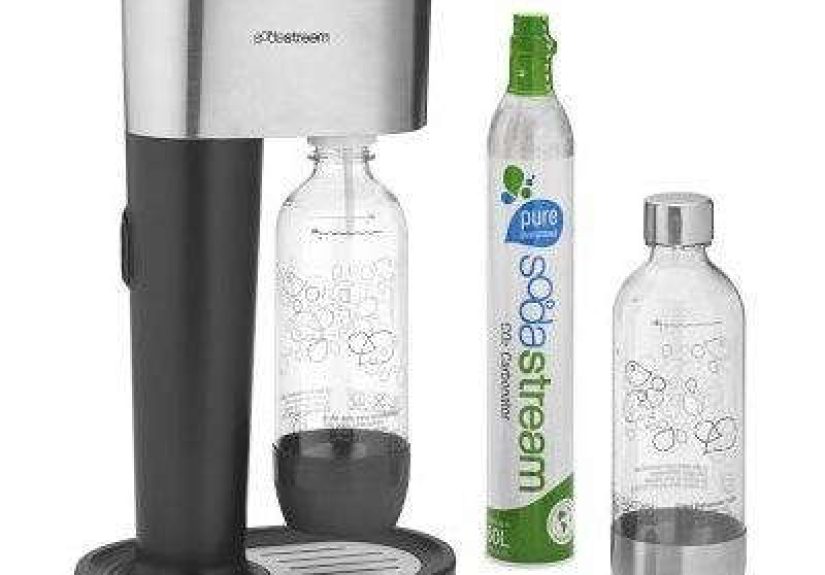
Today, SodaStream offers several water carbonator models, including popular machines such as Terra, Art, E-Terra, and Duo-style systems depending on availability and retailer. The basic idea remains beautifully simple: fill the reusable bottle with cold water, attach it to the machine, carbonate, and flavor afterward if desired. That last phrase matters. Flavor afterward. The machine likes water first, flavor second. It is a carbonator, not a tiny countertop wizard prepared to forgive sticky syrup accidents.
What Is a SodaStream Water Carbonator?
A SodaStream water carbonator is a home sparkling water maker that uses a CO2 cylinder to inject carbon dioxide into water. The result is carbonated water, also called sparkling water, seltzer, or fizzy water depending on who is speaking and how fancy the glass is.
Instead of buying pre-carbonated drinks, you make bubbles on demand. A manual model usually requires pressing a button or pulling a lever. An electric model, such as the E-Terra, can offer preset carbonation levels with one-touch operation. Either way, the kitchen magic trick is the same: cold still water goes in; lively sparkling water comes out.
The appeal is easy to understand. You control the fizz level, reduce the number of single-use bottles and cans coming into your home, and avoid carrying heavy cases of sparkling water from the store. Anyone who has hauled twelve cans of seltzer up stairs knows that “refreshing beverage” can become “upper-body workout” alarmingly fast.
Why SodaStream Became a Kitchen Favorite
The SodaStream water carbonator works because it solves several common problems at once. It is convenient, relatively compact, customizable, and fun in a way that most hydration tools are not. Nobody gathers around a water filter pitcher saying, “Do it again.” With a carbonator, they might.
Convenience Without the Bottle Mountain
The most obvious benefit is convenience. If you have chilled water and a CO2 cylinder with gas left in it, you can make sparkling water in seconds. There is no need to check whether the last can disappeared from the fridge, no need to store bulky cases, and no need to feel personally betrayed by an empty recycling bin that was full yesterday.
SodaStream’s cylinder exchange system is also central to the experience. Instead of treating the CO2 cylinder as disposable, users exchange an empty cylinder for a full one and pay for the refill. Current SodaStream systems may use either the older screw-in cylinder or the newer Quick Connect cylinder, so checking compatibility before buying refills is important.
Custom Carbonation Levels
Some people like a gentle sparkle, the kind that politely taps the tongue. Others want a bubble storm that announces itself like a tiny marching band. SodaStream lets users adjust carbonation by changing the number of presses, the length of the press, or the preset level on electric models.
For daily drinking, many users find medium carbonation ideal. For mocktails, citrus drinks, or homemade soda, a stronger fizz may hold up better after adding flavor, ice, or fruit. The best approach is deliciously scientific: test, sip, adjust, and pretend you are conducting important beverage research for humanity.
Countertop-Friendly Design
Modern SodaStream machines are designed to sit comfortably in the kitchen. The Terra has a cordless design, while the E-Terra requires power for its automatic carbonation settings. The Art model uses a lever-style design that many people like for both function and looks. The Duo-style models may appeal to users who prefer glass bottle options, depending on the package and region.
In short, there is a SodaStream for different kitchen personalities: practical, stylish, automatic, compact, or “I want this thing to match my countertop because I have standards.”
SodaStream Terra, Art, and E-Terra: What Buyers Should Know
The SodaStream Terra is one of the most widely recognized current models. It uses SodaStream’s Quick Connect CO2 system, which is designed to make cylinder installation easier than older screw-in designs. It is manual, cordless, and simple enough for everyday use. For many households, that simplicity is the main selling point.
The SodaStream Art adds a more design-forward look with a lever mechanism. It feels a little more like pulling a tap, which gives the whole process a bar-cart personality. If your kitchen has open shelving, matching jars, and a suspiciously attractive olive oil bottle, the Art may understand your aesthetic ambitions.
The SodaStream E-Terra is an electric sparkling water maker with automatic preset fizz levels. It is helpful for people who want consistent carbonation without guessing how long to press. The trade-off is that it needs an outlet. In a kitchen where every outlet is already occupied by a toaster, coffee grinder, air fryer, and phone charger, this may matter.
The best model depends on your priorities. Choose Terra if you want easy, cordless, everyday carbonation. Choose Art if design and lever operation matter. Choose E-Terra if you want automatic carbonation levels and do not mind plugging it in. Choose a glass-bottle-compatible option if bottle material and serving presentation are top concerns.
How to Use a SodaStream Water Carbonator Correctly
The process is simple, but a few small habits make the difference between “nice bubbles” and “why is my kitchen counter wearing seltzer?”
Step 1: Start With Cold Water
Cold water carbonates better than room-temperature water. Keep a SodaStream bottle filled with water in the refrigerator so it is ready when you want fizz. This single habit improves results and makes the machine feel instantly useful.
Step 2: Fill to the Line
Do not overfill the bottle. SodaStream bottles have a fill line for a reason. Too much water leaves less room for carbonation and can lead to messy overflow. The line is not a suggestion from a nervous engineer; it is your friend.
Step 3: Attach the Bottle Securely
Most newer models use an easy bottle attachment system. Make sure the bottle is properly seated before carbonating. If the bottle is crooked, loose, or not fully attached, stop and fix it before pressing the button.
Step 4: Carbonate Water Only
This is the golden rule: carbonate plain water only in SodaStream machines unless the specific model instructions say otherwise. Add syrups, fruit drops, citrus juice, herbs, or other flavorings after carbonation. Carbonating sugary or pulpy liquids can create overflow, sticky residue, and pressure issues. Translation: your machine does not want to burp lemonade onto your backsplash.
Step 5: Add Flavor After Fizzing
Once the water is carbonated, tilt the bottle slightly and add flavor slowly. SodaStream offers flavor mixes and bubly drops, while many users also enjoy fresh lime, lemon, mint, cucumber, berries, ginger, or a splash of juice. Stir gently or roll the bottle; do not shake it like a maraca unless you enjoy dramatic consequences.
Flavor Ideas for Homemade Sparkling Water
The SodaStream water carbonator is especially useful because it turns hydration into a customizable routine. You are not locked into whatever flavor survived the grocery shelf. You can make what sounds good right now.
Simple Everyday Flavors
For a clean daily drink, try lemon-lime, cucumber-mint, grapefruit, raspberry, blackberry, or orange. A few slices of fruit in a glass can make sparkling water feel like something from a spa, even if you are drinking it next to a sink full of dishes.
Mocktail-Friendly Combinations
For a more festive drink, combine sparkling water with pomegranate juice, cranberry juice, ginger syrup, basil, rosemary, or a squeeze of fresh citrus. A tall glass with ice, lime, and strong carbonation can make a weeknight dinner feel slightly more planned than it actually was.
Homemade Soda Options
If you want a soda-style drink, use a syrup designed for sparkling water and add it after carbonation. This lets you control sweetness more easily than with many bottled sodas. Start with less syrup than recommended, taste, and add more if needed. Your taste buds are the committee. Let them vote.
Is SodaStream Worth It?
For frequent sparkling water drinkers, a SodaStream can absolutely be worth it. The value depends on how often you use it, the price of CO2 refills in your area, the cost of store-bought seltzer you normally buy, and whether convenience matters to you.
If you drink sparkling water daily, the machine is more likely to earn its counter space. If you only drink seltzer twice a month, it may become another appliance with “good intentions” written all over it. The best candidate for a SodaStream is someone who already buys sparkling water regularly and wants to reduce shopping trips, storage space, and packaging waste.
The cost calculation is not always one-size-fits-all. CO2 cylinder prices vary, bundles go on sale, and store-bought sparkling water prices change by brand and region. But the practical value is not just cents per liter. It also includes not carrying heavy bottles, not running out as often, and being able to make a fresh drink exactly when you want one.
Environmental Benefits and Realistic Expectations
One of SodaStream’s biggest selling points is reducing single-use beverage packaging. A reusable bottle and refillable CO2 system can cut down on the number of cans and plastic bottles a household buys. SodaStream also promotes the idea that each CO2 refill can replace many single-use bottles, depending on usage and carbonation level.
That said, a balanced view is important. The machine itself, the bottles, the cylinders, shipping, and flavor packaging all have environmental footprints. The strongest environmental case comes when the machine replaces a real habit of buying packaged sparkling water or soda. If it sits unused, it is not saving the planet; it is just standing there looking tall.
For best results, use the carbonator consistently, exchange cylinders properly, care for the reusable bottles, and avoid buying extra accessories you do not need. Sustainability works best when it is boringly repeatable. Luckily, fizzy water is the least boring part.
Cleaning and Maintenance Tips
Cleaning a SodaStream is fairly easy, especially if you follow a few rules. Wipe the machine with a soft damp cloth. Do not submerge the machine in water. Check your bottle label to see whether it is dishwasher-safe, because not all bottles are the same. Many newer bottles are dishwasher-safe, but the label should always win the argument.
Rinse bottles after use, especially if you add flavor. If you use syrup, wash the bottle promptly so it does not develop odors. For stubborn smells, a bottle brush and mild dish soap can help. Avoid harsh cleaners that could damage the bottle or leave unpleasant residue.
Also pay attention to bottle expiration dates. Carbonating bottles are designed to handle pressure, and they should not be used forever. If a bottle is scratched, warped, cracked, cloudy in a suspicious way, or past its marked date, replace it. A sparkling water bottle should be lively, not adventurous.
Common Mistakes to Avoid
The most common mistake is carbonating anything other than plain water. This is how people accidentally create kitchen geysers. Another mistake is using warm water, which usually produces weaker carbonation. A third mistake is forgetting CO2 compatibility. Quick Connect and screw-in cylinders are not interchangeable for every machine.
Some users also expect the first bottle to taste exactly like their favorite canned sparkling water. It may not. Tap water flavor varies, and carbonation can emphasize minerals or chlorine notes. If your tap water tastes strong, try filtered water. The better the water tastes before carbonation, the better it usually tastes afterward.
Finally, avoid over-carbonating just because pressing the button is fun. More bubbles are not always better. Sometimes they are just louder.
Who Should Buy a SodaStream Water Carbonator?
A SodaStream water carbonator is a strong fit for households that drink sparkling water several times a week, want flexible flavors, care about reducing packaged drinks, or enjoy making simple mocktails and homemade soda. It is also useful for small kitchens because it reduces the need to store cases of beverages.
It may not be ideal for people who rarely drink carbonated beverages, dislike maintaining refill systems, or want to carbonate juices, cocktails, wine, or other non-water drinks. Some competing soda makers are built for broader beverage carbonation, but standard SodaStream use is focused on water.
In short, SodaStream is best for the person who says, “I should drink more water,” but secretly needs that water to have a personality.
500-Word Experience Section: Living With a SodaStream in the Kitchen
Using a SodaStream water carbonator in a real kitchen feels less like owning a luxury appliance and more like discovering a tiny shortcut that actually sticks. The first few days are usually full of experiments. One bottle gets two presses, another gets three, someone adds too much lime, someone else announces that plain sparkling water is “basically fancy rain.” Eventually, the household finds its rhythm.
The biggest everyday change is how often sparkling water becomes available. Instead of saving the last can for dinner or realizing the fridge contains only one lonely grapefruit seltzer nobody wants, you can make a fresh bottle whenever you like. That convenience is quietly powerful. People who struggle to drink enough water may find themselves reaching for sparkling water more often simply because it feels more interesting.
In a busy kitchen, the best setup is to keep one bottle chilling while another is being used. Cold water produces better bubbles, and having a ready bottle removes the tiny barrier that makes people choose something else. It is the same principle as washing fruit and putting it at eye level in the fridge, except this fruit has carbonation and an attitude.
Flavor habits also evolve. At first, many users buy several syrups or drops. Then they discover their favorites are often the simplest: lime, lemon, orange peel, mint, cucumber, or a splash of cranberry juice. A SodaStream makes it easy to create a drink that is less sweet than soda but more exciting than plain water. For weeknight dinners, a glass of strong sparkling water with lime can feel crisp and grown-up without requiring a recipe card or a tiny umbrella.
There are small annoyances, of course. CO2 runs out at exactly the wrong time because CO2 apparently enjoys suspense. Bottles need cleaning. Flavor syrups can get sticky if poured with the confidence of a sleepy raccoon. The machine takes counter space, and the refill system requires a little planning. But these are manageable issues when the machine is used often.
The most practical lesson is this: the SodaStream becomes worthwhile when it becomes part of the kitchen routine. Put it somewhere visible. Keep bottles cold. Exchange cylinders before the last one is completely empty. Add flavor only after carbonating. Rinse bottles quickly. Follow those habits and the machine feels effortless.
Over time, the carbonator can also change shopping patterns. Fewer cases of seltzer come home. Less storage space is needed. Recycling bins may fill more slowly. The kitchen feels a little less crowded by beverage packaging, which is a surprisingly pleasant victory. No one throws a parade for “less clutter near the pantry,” but maybe they should.
Overall, living with a SodaStream is about small daily pleasure. It does not cook dinner, fold towels, or explain why there are four open jars of mustard in the refrigerator. But it does make water more fun, and that is no small thing. A good kitchen gadget should earn its space by making life easier or more enjoyable. A SodaStream water carbonator can do both, one fizzy bottle at a time.
Conclusion
The SodaStream water carbonator is one of the more practical kitchen upgrades for people who love sparkling water. It offers convenience, customization, and a realistic way to reduce packaged beverage waste when used consistently. Models such as Terra, Art, and E-Terra give buyers options based on budget, design preference, and desired automation.
It is not perfect for everyone. You need to manage CO2 refills, clean the bottles, and follow the water-only carbonation rule. But for daily seltzer drinkers, mocktail fans, and families tired of hauling cans and bottles, SodaStream can be a genuinely useful kitchen companion. It turns tap water into something crisp, bubbly, and just a little more joyful. Hydration, apparently, was waiting for a dramatic entrance.