Table of Contents >> Show >> Hide
- Why a Full-Body TRX Workout Works So Well
- Before You Start: Setup, Form, and Sanity
- The 16 Best TRX Exercises for a Full-Body Session
- 1. TRX Squat
- 2. TRX Reverse Lunge
- 3. TRX Lateral Lunge
- 4. TRX Assisted Single-Leg Squat
- 5. TRX Low Row
- 6. TRX Power Pull
- 7. TRX Chest Press
- 8. TRX Atomic Push-Up
- 9. TRX Biceps Curl
- 10. TRX Triceps Press
- 11. TRX Y Fly
- 12. TRX Hamstring Curl
- 13. TRX Hip Press
- 14. TRX Plank
- 15. TRX Pike
- 16. TRX Mountain Climber
- How to Turn These Moves Into a Full-Body TRX Workout
- Common Mistakes to Avoid
- What a Full-Body TRX Workout Actually Feels Like: Real-World Experiences
- Final Thoughts
- SEO Tags
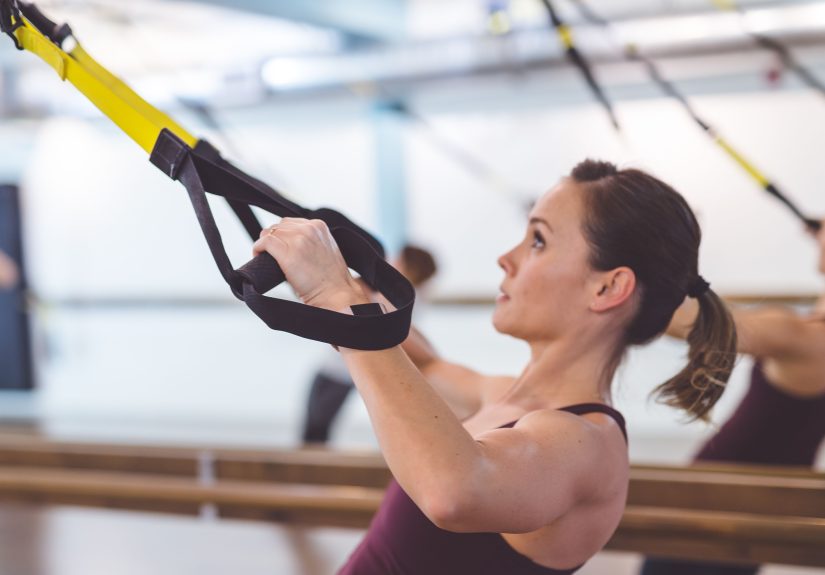
If your usual workout has started to feel like a rerun nobody asked for, a full-body TRX workout can shake things up fast. A suspension trainer looks simpletwo straps, handles, and just enough chaos to keep you honestbut it can light up your legs, back, chest, core, and shoulders in one session. Translation: you do not need a room full of machines to feel gloriously challenged.
The beauty of TRX training is that it turns your body into the load and gravity into the drama. Lean a little farther, and the move gets tougher. Step in closer, and it gets friendlier. That makes TRX exercises useful for beginners who want support, experienced lifters who want instability and control, and travelers who would rather not rely on a hotel gym that contains one yoga mat and a broken treadmill.
In this guide, you’ll get 16 TRX exercises that work together as a true full-body routine. You’ll also learn how to structure them, how to scale the intensity, and how to avoid the classic mistake of turning every rep into a wobbly argument with physics.
Why a Full-Body TRX Workout Works So Well
A good suspension trainer workout does more than torch one muscle group at a time. Because the straps create instability, your trunk has to stay switched on while your arms and legs do the obvious work. That means even familiar moves like rows, lunges, and chest presses suddenly demand more control, more coordination, and a lot less cheating.
Another perk: a full-body TRX workout is easy to organize. You can move from lower-body training to pushing, pulling, core work, and conditioning without spending half your session wandering around looking for equipment. It is one of the rare formats that can feel efficient without feeling rushed.
Before You Start: Setup, Form, and Sanity
Before diving in, make sure your anchor point is secure and the straps are even. Start with slower reps until you understand how each position feels. The fastest way to make TRX training look silly is to chase difficulty before you own the setup.
- Keep your ribs down and core braced: think “zip up the midsection,” not “dramatically suck in your stomach.”
- Move with control: the straps should add challenge, not turn every exercise into interpretive dance.
- Adjust intensity with body angle: stepping farther under the anchor usually makes standing exercises harder; stepping out makes them easier.
- Prioritize clean reps over deep ego: the TRX is very good at exposing fake range of motion.
- Stop for sharp pain: muscle fatigue is expected, sketchy joint pain is not.
The 16 Best TRX Exercises for a Full-Body Session
1. TRX Squat
Hold the handles, sit your hips back, and lower into a squat while keeping your chest lifted. Use the straps for balance, not for a full-body rescue mission. This is one of the best TRX exercises for beginners because it teaches lower-body mechanics without forcing you to fight balance from the first rep. You’ll hit your quads and glutes while learning how to move with better control.
2. TRX Reverse Lunge
Stand tall, lightly hold the handles, and step one leg back into a lunge. Press through the front foot to return to standing. The straps can help you stay upright and smooth out the wobble, which makes this move great for building leg strength and single-leg stability. Your glutes will do the heavy lifting, while your core works quietly in the background like a competent stage crew.
3. TRX Lateral Lunge
Step out to one side, push your hips back, and bend the stepping knee while the opposite leg stays straighter. This variation trains the frontal plane, which many people neglect until they try to move sideways and discover their hips filed a complaint. It is excellent for adductors, glutes, and mobility through the hips.
4. TRX Assisted Single-Leg Squat
Use the handles for balance as you lower into a controlled squat on one leg. You do not need to drop dramatically low; a pain-free range with strong alignment is the goal. This move builds unilateral strength, coordination, and body awareness. It is humbling in the best possible way, like reading your own old Facebook statuses.
5. TRX Low Row
Lean back with arms extended, body in a straight line, and pull your chest toward the handles by driving your elbows back. Squeeze your shoulder blades together at the top. The low row is a TRX classic because it trains the upper back, lats, and biceps while reinforcing posture. If you sit all day, this one tends to feel like your back is finally getting the memo.
6. TRX Power Pull
Hold one handle, lean back, and row while rotating slightly through the upper body. Think controlled rotation, not wild flinging. This move adds anti-rotation and shoulder stability to the usual pulling pattern, making it a smart progression once you’ve mastered the basic row. It also helps break the monotony of always pulling in one straight line.
7. TRX Chest Press
Face away from the anchor, hold the handles, and lower your chest between your hands like a suspended push-up. Keep your body in a straight line and avoid letting your lower back sag. The farther forward you lean, the harder it gets. This exercise targets the chest, shoulders, triceps, and core, making it a staple in any suspension trainer workout.
8. TRX Atomic Push-Up
Place your feet in the foot cradles and set up in a high plank with hands on the floor. Perform a push-up, then pull your knees toward your chest. It is part push-up, part plank, part “who approved this?” in the best way. This move challenges the chest, shoulders, triceps, and deep core muscles all at once. Keep the reps crisp instead of cranking out ugly ones.
9. TRX Biceps Curl
Face the anchor, lean back with palms up, and curl your body toward the handles while keeping elbows high. This is one of the sneakiest TRX moves because it looks easy until your biceps realize the straps do not care about appearances. Control the lowering phase and resist the urge to shrug your shoulders forward.
10. TRX Triceps Press
Face away from the anchor with elbows bent and hands near your forehead, then extend your arms while keeping your body rigid. The challenge comes from maintaining alignment as the triceps straighten the elbows. It is a fantastic complement to the chest press because it isolates the back of the arms more directly without needing dumbbells or cables.
11. TRX Y Fly
Lean back with straight arms and raise them overhead into a Y shape as you pull yourself up slightly. Move slowly and keep the shoulders down, not jammed into your ears. This exercise lights up the upper back, rear shoulders, and smaller stabilizers that often get ignored. If your posture has been drifting toward “desk gargoyle,” the Y fly can help.
12. TRX Hamstring Curl
Lie on your back with heels in the foot cradles, lift your hips, and curl your heels toward your glutes. Keep your hips up the whole time if possible. This is a favorite because it trains the hamstrings hard without a barbell and also forces the glutes and core to stay active. Expect a deep posterior-chain burn and zero sympathy from the straps.
13. TRX Hip Press
Start in the same position as the hamstring curl, but focus on driving the hips upward into a strong bridge. You can keep the knees bent or more extended depending on your setup. This move targets the glutes and posterior chain while teaching you to create tension through the hips instead of arching the lower back. Simple, effective, and sneakily spicy.
14. TRX Plank
With your feet in the straps and forearms or hands on the floor, hold a straight-body plank. The goal is to resist movement, not manufacture extra drama. Suspension planks are brutally honest because even tiny shifts in your hips show up right away. Keep your glutes tight, your neck neutral, and your breathing steady.
15. TRX Pike
From a suspended plank, lift your hips toward the ceiling while keeping your legs straight or nearly straight. Lower with control back to plank. This move strongly challenges the abs, shoulders, and hip flexors, so it is best saved for when you already own the suspended plank. Think smooth lift, smooth return, and zero flopping.
16. TRX Mountain Climber
Set up in a plank with feet in the straps and alternate driving your knees toward your chest. The straps increase the core demand and add a conditioning element without requiring much space. Keep the shoulders stacked over the wrists and resist the urge to speed up so much that your torso starts bouncing around like a shopping cart with one bad wheel.
How to Turn These Moves Into a Full-Body TRX Workout
If you want a practical structure, break the session into four mini-blocks. This keeps the workout balanced and makes it easier to maintain good form.
Block 1: Lower Body
- TRX Squat – 10 to 15 reps
- TRX Reverse Lunge – 8 to 12 reps per side
- TRX Lateral Lunge – 8 to 10 reps per side
- Repeat for 2 to 3 rounds
Block 2: Upper-Body Push and Pull
- TRX Low Row – 10 to 12 reps
- TRX Chest Press – 8 to 12 reps
- TRX Biceps Curl – 10 to 12 reps
- TRX Triceps Press – 10 to 12 reps
- Repeat for 2 to 3 rounds
Block 3: Posterior Chain and Core
- TRX Hamstring Curl – 10 to 15 reps
- TRX Hip Press – 10 to 15 reps
- TRX Plank – 20 to 40 seconds
- TRX Pike – 6 to 10 reps
- Repeat for 2 rounds
Block 4: Finisher
- TRX Mountain Climber – 20 to 40 seconds
- TRX Atomic Push-Up – 6 to 10 reps
- TRX Power Pull – 6 to 8 reps per side
- Repeat for 1 to 2 rounds
If you are new to TRX training, pick 6 to 8 exercises and keep the total session to about 20 to 30 minutes. If you are more experienced, use the full menu or rotate the harder moves in on alternate days. Two or three sessions per week is plenty for most people, especially if you are also walking, cycling, running, or doing other strength work.
Common Mistakes to Avoid
Using the straps like a hammock: Assistance is fine, but if the handles are doing all the work, your muscles are just attending the meeting.
Letting the ribs flare: This usually shows up in planks, presses, and pikes. Keep the torso stacked and the core engaged.
Rushing reps: Fast is not automatically advanced. On TRX, fast and sloppy usually means the straps are controlling you.
Starting too steep: People often lean too far too soon. Step closer to the anchor and earn the harder angle.
Ignoring recovery: Suspension training can feel joint-friendly, but your muscles still need time to adapt.
What a Full-Body TRX Workout Actually Feels Like: Real-World Experiences
The first experience many people have with a full-body TRX workout is pure overconfidence. The straps look innocent. You think, “How hard can a row or a lunge really be?” Then you lean back for your first set of rows and realize your core has been recruited into every rep whether it volunteered or not. That is the sneaky magic of suspension training: even familiar exercises feel different because the body has to stabilize while it works.
Beginners often notice two things right away. First, the workout feels adjustable instead of punishing. You can step in, reduce the angle, and make a move more manageable within seconds. That makes TRX training less intimidating than many machine-based workouts, especially for people still building confidence. Second, the straps expose left-to-right imbalances almost immediately. One leg feels steadier. One arm pulls cleaner. One side of your core acts like it remembered the assignment, while the other side clearly did not. That feedback can be frustrating for about five minutes, then incredibly useful.
Intermediate exercisers usually fall in love with how efficient the sessions feel. You can train legs, chest, back, arms, and core without needing six stations and a stopwatch the size of a dinner plate. There is also a travel-friendly quality to it. If you have access to a secure anchor point, you can get a legitimate workout in a small space. That is a big deal for busy people who do not want their routine to collapse every time life gets messy.
There is also a mental side to the experience. TRX demands attention. You cannot phone in your position the way you sometimes can on autopilot with machines. If your posture slips, you know. If your hips sag, you know. If you forgot to brace before that atomic push-up, oh, you absolutely know. For many people, that creates a more engaging workout. It feels active, athletic, and slightly playful, even when your hamstrings are sending strongly worded complaints during curls.
Over time, the most rewarding experience is not just feeling sore; it is feeling more capable. Rows start to look stronger. Lunges feel less shaky. Planks become less like survival and more like control. Everyday tasks can feel easier toocarrying groceries, getting up from the floor, climbing stairs, and maintaining better posture at a desk. No, TRX will not magically transform you into an action hero in three workouts. But it can make you feel more coordinated, more stable, and more connected to how your body moves. That is a pretty excellent return for two straps and a willingness to be humbled in public once or twice.
Final Thoughts
A full-body TRX workout is one of the smartest ways to train when you want strength, balance, core engagement, and flexibility in one efficient package. The key is not to chase the fanciest move first. Start with the basics, own your body position, and progress by changing your angle, tempo, or exercise selection. Do that consistently, and those two straps can deliver a workout that feels surprisingly complete.
In other words: simple equipment, serious payoff, and just enough wobble to keep you honest.