Table of Contents >> Show >> Hide
- What Is a Dislocation, Exactly?
- Why Dislocations Are “an Exception to the Rule”
- Common Causes of Joint Dislocation
- Dislocation Symptoms: How to Recognize the Red Flags
- The Most Common Types of Dislocations
- What To Do After a Suspected Dislocation
- How Dislocations Are Diagnosed and Treated
- Dislocation Recovery: The Part Everyone Asks About
- Complications That Make Dislocations More Than “Just a Sports Injury”
- Prevention: Can You Avoid a Dislocation?
- The Human Side of Dislocations: Real Experiences Behind the Diagnosis
- Conclusion
- SEO Tags
Most of the time, the human body is wonderfully obedient. Bones meet where they are supposed to meet, joints glide the way anatomy textbooks promised, and your shoulder does not suddenly decide to audition for a magic act. Then comes a dislocation, which is what happens when a joint stops following the rules and one or more bones are forced out of their normal position.
That is why dislocations feel so dramatic. They are not subtle. A dislocated joint can hurt fiercely, swell quickly, look visibly out of place, and become stubbornly unwilling to move. It is the body’s way of saying, in no uncertain terms, “Something has gone wildly off script.”
This article takes a deep dive into joint dislocation symptoms, causes, treatment, recovery, and the lived experience behind the diagnosis. We will look at why a shoulder dislocation gets so much attention, why a hip dislocation is a true emergency, why a child’s “pulled elbow” is a different beast, and why recurrent dislocations can turn one bad day into a repeating series nobody asked for.
What Is a Dislocation, Exactly?
A dislocation is a joint injury in which the ends of the bones are forced out of their normal alignment. Think of a joint as a carefully engineered handshake between bones, cartilage, ligaments, tendons, and muscles. A dislocation is what happens when that handshake turns into a shoving match.
Dislocations can be complete, meaning the bones are fully out of place, or partial, often called a subluxation, where the bones lose alignment but not entirely. In both cases, the surrounding soft tissues may suffer collateral damage. Ligaments can stretch or tear, cartilage can be injured, muscles can spasm, and nearby nerves or blood vessels can be irritated or damaged.
In plain English, a dislocated joint is rarely just a “bone problem.” It is usually a whole-neighborhood problem.
Why Dislocations Are “an Exception to the Rule”
The body likes order. Joints are built to allow motion while still keeping things stable. That balance is the rule. A dislocation is the exception because it breaks that compact between movement and control. The joint no longer moves normally because its basic architecture has been disrupted.
That is also what makes dislocations so medically important. A sprain or strain can be painful, but a dislocation tells you the joint has been overwhelmed. Force, awkward positioning, underlying instability, or abnormal anatomy has pushed the system past its usual limits.
In some cases, the exception is sudden and traumatic, such as a fall, car crash, or sports injury. In other cases, it is repeated and frustrating, as with chronic shoulder instability. Some people are born with looser ligaments or structural issues that make certain joints more prone to slipping out of place. Others dislocate a joint once and then discover, to their deep annoyance, that the joint has remembered the trick.
Common Causes of Joint Dislocation
Trauma
The classic cause is force. Falls, tackles, collisions, twisting injuries, and motor vehicle accidents are common culprits. The greater the force, the higher the chance that a joint and the tissues around it will be seriously injured.
Sports and high-risk activity
Contact sports, gymnastics, wrestling, football, rugby, basketball, and high-speed activities can all lead to dislocated joints. The shoulder is especially vulnerable because it has tremendous range of motion and comparatively less built-in stability than deeper, tighter joints.
Loose ligaments or prior injury
Some people naturally have more ligament laxity. Others develop instability after an initial injury. Once a shoulder has dislocated, for example, it can be more likely to dislocate again, especially in younger athletes.
Age-specific patterns
Adults often experience dislocations from trauma. Young children, meanwhile, can develop a form of elbow subluxation called nursemaid’s elbow after a sudden pull on the arm. It is a very specific reminder that not all dislocations arrive with Hollywood-level drama.
Dislocation Symptoms: How to Recognize the Red Flags
The symptoms of a dislocation can vary depending on the joint involved, but the greatest hits are fairly consistent:
- Sudden, intense joint pain
- Swelling and bruising
- Visible deformity or a joint that looks out of place
- Inability or extreme difficulty moving the joint
- Numbness, tingling, or weakness if nerves are irritated
- A feeling that the joint is unstable, locked, or “not right”
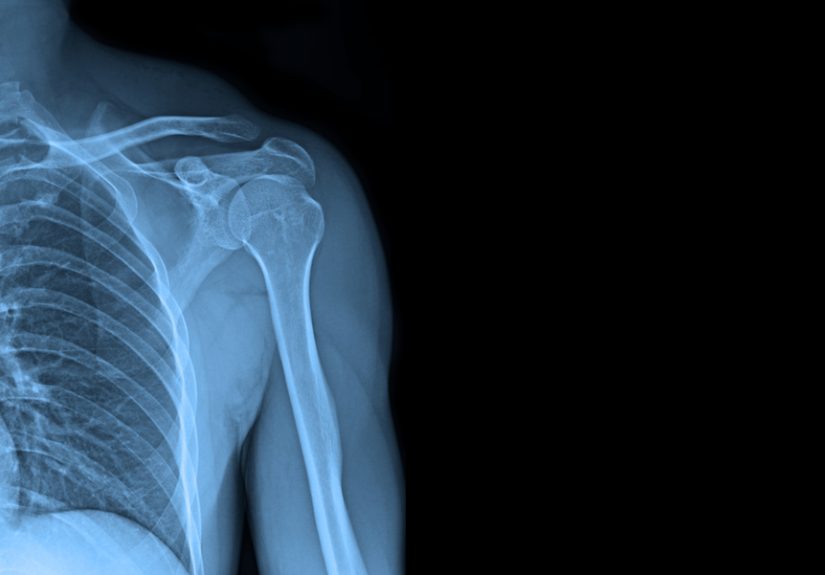
These symptoms matter because dislocations can look similar to fractures, severe sprains, or other traumatic injuries. In real life, a joint does not always politely label itself. That is why imaging, usually an X-ray, is often needed to confirm what happened and whether broken bones came along for the ride.
The Most Common Types of Dislocations
Shoulder Dislocation
The shoulder is the celebrity of the dislocation world, mostly because it shows up so often. It is one of the most frequently dislocated major joints because it is designed for mobility. You can reach overhead, behind your back, across your body, and probably into that mysterious upper kitchen cabinet where lids go to retire. The downside is that all that freedom comes with vulnerability.
Most shoulder dislocations are anterior, meaning the ball of the upper arm bone moves forward out of the socket. Symptoms often include obvious deformity, severe pain, swelling, and inability to move the arm normally. A first-time shoulder dislocation can be a one-off event, but for some people, especially younger athletes, it opens the door to repeat instability.
Elbow Dislocation
Elbow dislocations often happen after a fall onto an outstretched hand. They can range from simple dislocations, where the bones are out of place but major fractures are absent, to more complex injuries involving broken bones and significant soft tissue damage. The elbow can also become stiff during recovery, which is why rehab matters.
Hip Dislocation
A hip dislocation is a different level of serious. It usually requires major force, such as a car crash or high-impact trauma. It is considered a medical emergency because the injury can threaten blood supply to the femoral head and damage nerves, blood vessels, and surrounding tissues. This is not a “walk it off” moment. It is a “get help now” moment.
Patellar Dislocation
When people say they “dislocated the knee,” they may actually mean the kneecap, or patella, slipped out of place. Patellar dislocation can happen during sports, twisting, or sudden direction changes. It is particularly common in adolescents and young adults, and it may recur when alignment issues or ligament problems are present.
Finger, Toe, and Jaw Dislocations
Smaller joints can dislocate too. Fingers and toes are common victims in sports and falls. A jaw dislocation can occur after trauma or even during extreme mouth opening. Tiny joint, big personality.
Pediatric Pulled Elbow
Nursemaid’s elbow is common in toddlers and young children. It usually happens when a straightened arm is pulled suddenly. The child may stop using the arm, but the injury does not always look dramatic. It is a good example of why dislocations do not always follow the stereotype of obvious deformity and disaster.
What To Do After a Suspected Dislocation
First, do not try to pop it back in yourself unless you are a trained medical professional acting in the right setting. Internet bravery is not a medical credential.
Instead, treat a suspected dislocation like the urgent problem it is:
- Stop using the injured joint
- Immobilize it in the position you find it
- Apply ice wrapped in cloth to reduce swelling
- Seek prompt medical evaluation
- Get emergency care right away for severe pain, deformity, loss of sensation, weakness, or reduced circulation
Trying to force a joint back into place can worsen ligament tears, nerve injury, blood vessel damage, or associated fractures. In short, a bad idea can become a spectacularly bad idea very quickly.
How Dislocations Are Diagnosed and Treated
Evaluation
Medical evaluation typically includes a physical exam, a check of circulation and nerve function, and imaging. X-rays are commonly used to confirm the dislocation and identify fractures. In some cases, additional imaging may be needed later to look at cartilage, ligaments, or labral injuries.
Reduction
The first treatment goal is usually reduction, which means moving the joint back into proper alignment. Depending on the joint and the situation, this may be done with pain control, sedation, or anesthesia. Once reduced, the joint is usually re-imaged to make sure it is back where it belongs.
Immobilization
After reduction, the joint may be supported in a sling, brace, splint, or cast for a period of time. The goal is to protect the tissues while the worst of the injury settles down.
Rehabilitation
Physical therapy is often a major part of recovery. The right plan helps restore range of motion, rebuild strength, improve joint control, and reduce the chance of future instability. Skip rehab, and the joint may send you an unpleasant follow-up letter later.
Surgery
Some dislocations need surgery, particularly when there are fractures, major ligament injuries, labral tears, repeat instability, blood vessel injury, nerve issues, or structural problems that make recurrence likely. Shoulder surgery, for example, may be considered when repeated dislocations continue despite nonsurgical treatment.
Dislocation Recovery: The Part Everyone Asks About
Recovery depends on the joint, the severity of injury, whether there was associated damage, and how faithfully the rehab plan is followed. A small joint such as a finger may improve in weeks, while a shoulder or elbow may take much longer. More complex injuries can stretch the timeline into months.
There is no universal calendar because dislocation recovery is not one-size-fits-all. A college athlete, a desk worker, a construction laborer, and a toddler with pulled elbow are all dealing with very different realities. What matters most is not racing the clock, but restoring stability, function, and confidence in the joint.
One of the biggest long-term concerns is recurrence. Once a joint has dislocated, especially the shoulder or patella, it may be easier for it to happen again. Repeated instability can also increase the risk of cartilage wear and later arthritis. The body remembers injuries, and joints can be petty.
Complications That Make Dislocations More Than “Just a Sports Injury”
Dislocations can come with complications that deserve respect:
- Nerve injury: numbness, tingling, weakness, or altered sensation
- Blood vessel injury: reduced circulation, which is an emergency
- Cartilage and labrum damage: common especially in shoulder and knee injuries
- Fracture-dislocation: a combined bone and joint injury
- Chronic instability: repeat slipping, partial dislocations, or full redislocation
- Avascular necrosis: loss of blood supply to bone, a major concern in certain hip injuries
- Stiffness and loss of motion: particularly with elbow injuries or prolonged immobilization
This is why proper care matters. Reducing pain is important, but protecting the long-term health of the joint is even more important.
Prevention: Can You Avoid a Dislocation?
Not every dislocation can be prevented. Some are the result of sheer bad luck, bad landing mechanics, or a collision with enough force to make physics the real villain. Still, prevention can reduce the odds:
- Strengthen the muscles around vulnerable joints
- Improve balance, coordination, and movement control
- Use sport-specific training and proper technique
- Wear appropriate protective gear when relevant
- Return to activity gradually after injury
- Follow rehab all the way through, not just until you are “mostly fine”
- For small children, never lift or swing them by the hands or arms
The last point may save a family from an emergency visit and a very confused toddler who suddenly refuses to use one arm.
The Human Side of Dislocations: Real Experiences Behind the Diagnosis
Medical descriptions are useful, but they can be oddly sterile. A chart may say “anterior shoulder dislocation with instability,” while the person living through it is thinking, “My arm looked like it was trying to resign from my body.” That gap between clinical language and lived experience is worth talking about, because dislocations are not only physical injuries. They can also shake confidence, disrupt routines, and leave people wary of movements they once did without a second thought.
A first-time shoulder dislocation often becomes a before-and-after moment. Many people describe a sudden pop, immediate pain, and a bizarre sense that the arm is no longer attached in the normal way. After reduction, there is usually relief, but also apprehension. Reaching overhead, sleeping on the affected side, putting on a shirt, or tossing a ball can feel emotionally loaded for weeks. Even when the pain begins to ease, trust in the joint does not return overnight.
People recovering from elbow dislocation often talk about stiffness as much as pain. The early days can be all about swelling and protection, but then comes the maddening part: discovering that the elbow no longer wants to fully bend or straighten. Everyday tasks suddenly turn into minor engineering challenges. Brushing hair, turning a doorknob, lifting a backpack, or simply reaching for a shelf can become awkward negotiations.
Patellar dislocation creates another kind of experience. Many describe a sharp, panicked moment during a twist, pivot, or awkward landing, followed by fear that the knee will give way again. Even after the kneecap is back in place, stairs can feel suspicious, uneven ground becomes an enemy, and sports that once felt automatic now require a mental pep talk.
Parents of children with nursemaid’s elbow often have a different experience altogether. There may be no violent fall, no dramatic swelling, and no visible deformity, just a child who suddenly stops using an arm and looks upset whenever it is moved. The emotional weight comes from confusion and guilt. It can happen during an ordinary moment, like holding hands in a parking lot or helping a child step off a curb. Once treated, the child often improves quickly, which feels like a miracle wrapped in a life lesson.
For people with recurrent dislocations, the experience can be especially frustrating. The joint becomes unpredictable. Activities are measured not only by enjoyment, but by risk. There may be a lingering question in the background of daily life: “Will it happen again if I move this way?” That uncertainty can be just as exhausting as the injury itself.
In that sense, dislocations are indeed an exception to the rule. They interrupt motion, routine, confidence, and sometimes identity, especially for athletes or active people. But with proper treatment, good rehabilitation, and respect for the joint’s limits, many people recover well and get back to doing what they love. The rule can be restored. It just usually takes more patience than anyone wants and more physical therapy bands than anyone expected.
Conclusion
Dislocations are dramatic because they represent a breakdown in the body’s normal order. A joint that is supposed to glide, stabilize, and cooperate suddenly becomes painful, unstable, and visibly wrong. Whether it is a shoulder dislocation after a tackle, a hip dislocation after major trauma, a kneecap slipping out during sports, or a toddler’s pulled elbow after a sudden tug, the message is the same: the joint needs prompt attention, proper treatment, and thoughtful recovery.
The good news is that most people can recover well with timely care, appropriate immobilization, and rehabilitation. The less-good news is that some joints, especially shoulders and kneecaps, may become repeat offenders if instability is not addressed. So yes, a dislocation is an exception to the rule, but it does not have to become a lifestyle. Respect the injury, follow the rehab, and give the joint the support it needs to rejoin polite society.