Table of Contents >> Show >> Hide
- 1. Cleanse Your Scalp Gently, Not Aggressively
- 2. Moisturize Like Your Scalp Pays Rent
- 3. Never Skip Sunscreen on a Shaved Head
- 4. Learn a Better Shaving Technique
- 5. Replace Dull Razors Before They Start Causing Drama
- 6. Exfoliate Carefully, Not Constantly
- 7. Protect Your Head From Cold, Wind, and Dry Air
- 8. Watch for Razor Burn, Ingrown Hairs, and Folliculitis
- 9. Choose Fragrance-Free Products When Possible
- 10. Treat Flakes and Dandruff Based on the Cause
- 11. Keep Your Pillowcases, Hats, and Tools Clean
- 12. Get Comfortable Checking Your Scalp Regularly
- 13. See a Dermatologist When Something Feels Off
- Extra Tips for Styling and Confidence
- Real-Life Experiences With a Shaved Head for Women
- Conclusion
- SEO Tags
Note: Clean HTML body only for direct web publishing. No source links or contentReference artifacts included.
Shaving your head can feel bold, freeing, practical, stylish, rebellious, elegant, or all of the above before breakfast. For many women, a shaved head is more than a haircut. It can be a fashion choice, a fresh start, a low-maintenance move, or part of a medical journey. But while the hair may be gone, scalp care suddenly becomes the main character.
That is the part many people do not talk about enough. A shaved head is not automatically “wash and go.” Your scalp is skin, and once it is no longer hidden by hair, it deals with sun, dryness, razor irritation, sweat, friction, and weather in a very public way. The good news is that caring for a shaved head is simple once you know what matters.
This guide breaks down 13 smart, practical ways to take care of a shaved head for women, plus real-life experiences that make the advice easier to relate to. Whether you buzzed it for style, convenience, confidence, or necessity, here is how to keep your scalp healthy, comfortable, and glowingly fabulous.
1. Cleanse Your Scalp Gently, Not Aggressively
A shaved scalp still collects sweat, oil, dead skin, and product buildup, so cleansing matters. But scrubbing like you are trying to remove evidence from a crime scene is not the move. A gentle cleanser or mild shampoo is usually enough.
If your scalp feels dry or tight after washing, that is a clue your cleanser may be too harsh. Look for something fragrance-free or labeled for sensitive skin. Many women find they can wash a shaved head less often than they washed longer hair, especially if they are not using styling products.
The goal is balance: remove grime without stripping the skin barrier. Clean is good. Squeaky and irritated is not.
2. Moisturize Like Your Scalp Pays Rent
One of the biggest surprises after shaving is how quickly the scalp can get dry. Without hair covering it, the skin loses moisture faster and may feel flaky, itchy, or rough. A lightweight, fragrance-free moisturizer can make a huge difference.
Apply moisturizer after washing while the skin is still slightly damp. That helps seal in hydration. If your scalp is extra dry, try a cream or lotion with skin-friendly ingredients such as ceramides, glycerin, or other barrier-supporting ingredients. Heavy greasy products can work for some people, but many women prefer something lighter that does not leave the head shiny enough to signal aircraft.
If you notice stinging when you apply a product, that can be a sign of irritation. Simpler is usually better.
3. Never Skip Sunscreen on a Shaved Head
This is the big one. A shaved scalp gets direct sun exposure, often more than people realize. Even a quick coffee run or drive across town can add up. Sunburn on the scalp is uncomfortable, flaky, and absolutely not the souvenir you want from a nice day outside.
Use a broad-spectrum sunscreen with at least SPF 30 on exposed scalp skin. If you are spending significant time outdoors, reapply as directed. Many women like lightweight lotions, sticks, powders, or sprays designed for easy scalp application. A hat is also a smart backup, especially during long walks, beach days, errands, or any time the sun is feeling extra confident.
Think of sunscreen as part of your shaved-head uniform. Keys, phone, wallet, SPF.
4. Learn a Better Shaving Technique
If you maintain the shaved look at home, technique matters. Many scalp problems start with rushing the shave. Before shaving, soften the hair and skin with warm water. Then use a shaving cream or gel so the razor can glide instead of drag.
Shave in the direction of hair growth, especially if you are prone to razor burn or ingrown hairs. Use light pressure and rinse the blade often. Going over the same area repeatedly may seem like a shortcut to smoothness, but it often buys you redness and regret instead.
After shaving, rinse with cool or lukewarm water and pat dry. A soothing, simple moisturizer is usually enough for aftercare.
5. Replace Dull Razors Before They Start Causing Drama
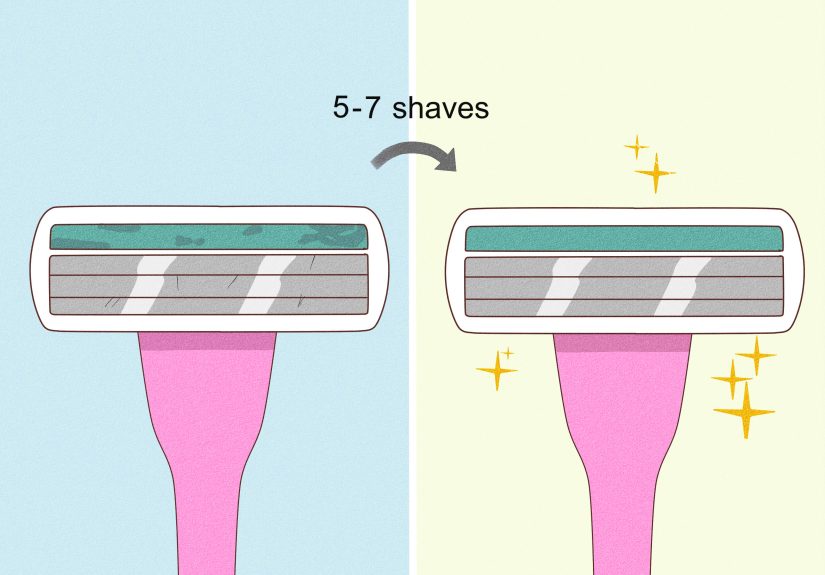
A dull razor is basically an invitation to irritation. It can tug at hair, create uneven pressure, and increase the risk of nicks, razor burn, and bumps. If your shave feels rough instead of smooth, the blade may be the problem.
Replace disposable blades regularly or clean your electric shaver according to its instructions. A clean, sharp tool is one of the easiest ways to protect your scalp. It is not glamorous advice, but neither is walking around with tiny scalp cuts because you tried to get “one more shave” out of a tired blade.
6. Exfoliate Carefully, Not Constantly
A shaved scalp can collect dead skin faster than you expect, especially if you deal with dryness, flakes, or product residue. Gentle exfoliation can help your scalp feel smoother and prevent buildup, but there is a catch: overdoing it can make things worse.
Use a soft washcloth or a very gentle exfoliating product no more than occasionally, depending on your skin type. Avoid exfoliating right after shaving, on sunburned skin, or over cuts, irritation, or active bumps. Follow with moisturizer afterward.
The rule is simple: help your skin shed buildup, but do not bully it.
7. Protect Your Head From Cold, Wind, and Dry Air
Sun is not the only weather issue. A shaved head also feels cold faster and can become dry in winter or windy conditions. Cold air outside and dry indoor heat can leave the scalp itchy and irritated.
Scarves, soft beanies, satin-lined caps, and breathable hats can help protect your skin from weather extremes and reduce moisture loss. Choose fabrics that do not feel scratchy. If a hat leaves your scalp itchy, the material may be irritating your skin.
In colder months, your scalp care routine may need a little extra moisturizer and a little less hot water.
8. Watch for Razor Burn, Ingrown Hairs, and Folliculitis
Not every bump on a shaved head is a disaster, but you should know what to watch for. Razor burn often looks red and feels irritated or stingy. Ingrown hairs can show up as small bumps. Folliculitis may cause inflamed or tender spots around hair follicles.
If this happens, pause shaving long enough for the skin to calm down. Avoid picking, scratching, or trying to “fix” bumps by shaving more aggressively. That almost never ends well. Switching to a gentler shave routine, using a fresh blade, and moisturizing the scalp can help prevent repeat episodes.
If bumps become painful, filled with pus, widespread, or persistent, it is a good idea to check with a dermatologist.
9. Choose Fragrance-Free Products When Possible
Once your scalp is exposed, you may notice it reacts differently to products than it did when covered with hair. Fragrances and heavily formulated products can trigger irritation in some people, especially if the scalp is freshly shaved, dry, or sensitive.
If you are dealing with itching, redness, stinging, or a rash, simplify your routine. Switch to fragrance-free cleanser, shaving cream, sunscreen, and moisturizer for a while and see whether your skin settles down. Your scalp does not care if the product smells like tropical vacation, vanilla cashmere, or expensive confidence. It mostly wants peace.
10. Treat Flakes and Dandruff Based on the Cause
Flaking on a shaved head can come from dryness, sunburn, irritation, or dandruff-related conditions such as seborrheic dermatitis. Those are not all treated the same way, which is why guessing can be annoying.
If your scalp is dry and tight, moisturizer and gentler washing may help. If the flakes are greasy, persistent, or paired with itching, an anti-dandruff shampoo may work better. Some women benefit from ingredients designed to target dandruff or thick scale, but if the problem keeps returning, a dermatologist can help you figure out whether it is dandruff, dermatitis, psoriasis, or something else.
Translation: not every flake means your scalp needs “more scrubbing.” Sometimes it needs the opposite.
11. Keep Your Pillowcases, Hats, and Tools Clean
When your head is shaved, your scalp has more direct contact with the world. Pillowcases, hats, clippers, razors, and even workout headbands suddenly matter more. Dirty fabrics or tools can contribute to irritation, sweat buildup, or breakouts.
Wash hats and pillowcases regularly, especially if you sweat a lot. Clean clippers after each use. Store razors in a dry place instead of letting them hang out in a steamy shower forever. Small habits like these help reduce unnecessary skin drama.
12. Get Comfortable Checking Your Scalp Regularly
A shaved head gives you a clearer view of your scalp, which can actually be a good thing. You can spot dryness, bumps, changes in pigmentation, rough patches, or healing issues more easily than before.
Take a quick look in the mirror every so often, especially if you spend time outdoors. If you notice a sore that does not heal, a rough scaly patch, a changing mole, or anything unusual that sticks around, do not ignore it. Early attention is always smarter than delayed panic.
You do not need to become your own full-time scalp detective, but a little awareness goes a long way.
13. See a Dermatologist When Something Feels Off
Some scalp issues are easy to handle at home. Others deserve professional help. It is worth booking an appointment if you have severe itching, repeated razor bumps, persistent flaking, painful inflammation, unexplained rashes, or spots that bleed, crust, or do not heal.
This is especially important if you shaved your head because of hair loss and are not sure what caused it. A dermatologist can help identify conditions such as alopecia, dermatitis, scalp psoriasis, or infection and guide you toward treatment. A shaved head can be beautiful, but comfort and skin health matter too.
Extra Tips for Styling and Confidence
Taking care of a shaved head is not only about preventing problems. It is also about feeling good in your look. Many women find that earrings, bold lipstick, sunglasses, structured brows, or statement headscarves make the style feel even more intentional. Others love the clean, minimalist effect of bare skin and zero fuss.
There is no one right way to wear a shaved head. Some women keep it ultra-close and polished. Others let it grow into a soft buzz between trims. The best routine is the one that keeps your scalp healthy and your confidence high.
Real-Life Experiences With a Shaved Head for Women
Many women say the first week with a shaved head is a mix of freedom and sensory confusion. Suddenly, you can feel the breeze, the pillow, the shower water, and every tiny weather change like your scalp has switched to high-definition mode. It is oddly wonderful and occasionally hilarious. One woman described it as “meeting air for the first time.” That sounds dramatic, but honestly, it is not wrong.
Another common experience is realizing how much your scalp needs moisture. Plenty of women expect the shaved-head routine to be almost maintenance-free, only to discover that the skin can get dry faster than expected. A light moisturizer often becomes the secret weapon. Women who never thought twice about scalp care before may suddenly develop strong opinions about ceramides, sunscreen textures, and which hat does not leave an itchy forehead line.
There is also the sunscreen awakening. Women with shaved heads often say the scalp sunburn lesson arrives quickly and with excellent timing, usually right after an overly confident walk outside. The burn may not look dramatic at first, but later the scalp feels hot, tight, flaky, and deeply annoyed. After that, SPF becomes less of a suggestion and more of a survival strategy.
Women who maintain the look at home often learn that shaving technique changes everything. A rushed dry shave can lead to bumps and irritation, while a warm shower, shaving gel, and gentle strokes make the process much smoother. Some prefer clippers for a softer finish, while others love the sleekness of a razor shave. It often takes a few rounds to figure out what your scalp likes best.
Emotionally, many women describe a shaved head as unexpectedly empowering. It can feel like dropping a costume you were tired of maintaining. Some feel stronger, more visible, more stylish, or more honest. Others say it took a little time to adjust, especially if the change was tied to hair loss, stress, or a medical experience. Confidence did not always show up instantly, but it often grew with familiarity.
There is also a practical side people love. Showers are faster. Styling takes approximately zero years. Bad hair days become a historical concept. Travel gets easier. Humidity loses some of its power. At the same time, women notice that accessories matter more. Earrings, scarves, makeup, glasses, and necklines can suddenly change the entire vibe. A shaved head is simple, but it is not boring.
Perhaps the most meaningful experience many women share is this: after the initial surprise wears off, the shaved head starts to feel normal. Not shocking. Not brave. Not extreme. Just normal. That can be the most freeing part of all. What once felt like a huge statement becomes part of your everyday life, right next to your coffee mug and your favorite moisturizer.
Conclusion
Caring for a shaved head for women is really about caring for exposed scalp skin. Keep it clean, moisturized, protected from the sun, and shaved with a gentle technique. Pay attention to dryness, bumps, flakes, or irritation before they become bigger problems. With the right routine, a shaved head can be stylish, comfortable, healthy, and surprisingly easy to maintain.
In other words, your hair may be gone, but your scalp has standards. Treat it well.